

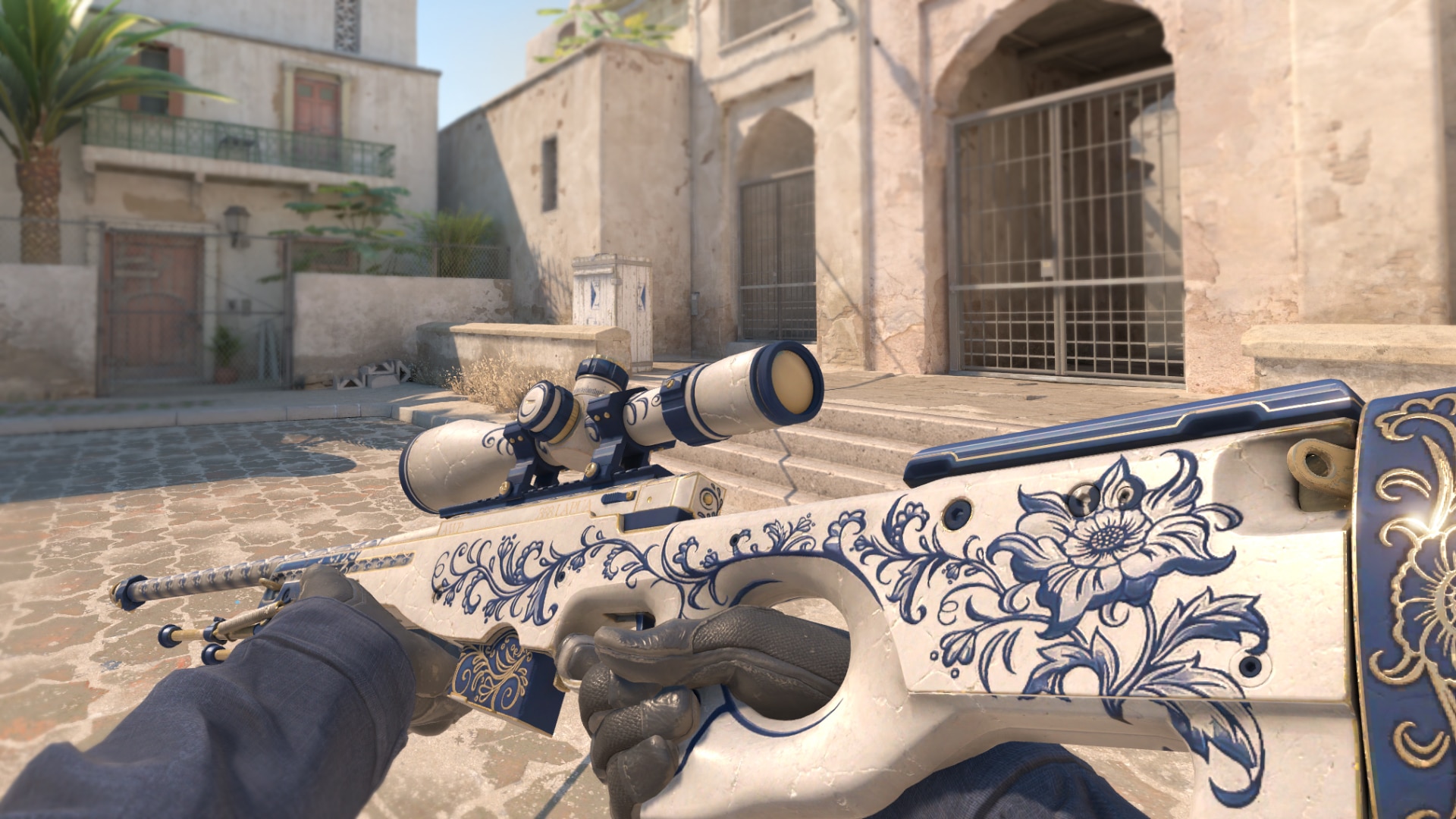
Somewhere between the sneaker resale boom and the NFT circus, a quieter and far more durable digital status economy took root, and almost nobody outside of gaming noticed. It lives in Counter-Strike 2, it moves billions of dollars a year, and it runs on cosmetic weapon finishes called skins. If you have been meaning to understand it and never found a straight answer, here is one, in plain questions.
So what exactly is a skin?
It is a decorative wrap on a virtual gun. It changes nothing about how the weapon works. It only changes how it looks, and, by extension, what it says about the person holding it. Think of it as the difference between a plain white tee and the same shirt from a label people recognize. The function is identical. The signal is not.
Why would anyone pay real money for that?
For the same reasons anyone pays for anything with no practical use: scarcity, beauty, and belonging. Certain finishes came from crates that no longer drop, so their supply is frozen. Each copy also has a hidden wear value, which means two identical-sounding items can look and price completely differently. Layer on the people who want a specific look, and you get a market where a common finish costs a coffee and a rare one costs a vacation. None of that is irrational. It is just taste plus scarcity, which is the recipe behind every collectible ever made.
Is this like the NFT thing?
Not really, and the difference matters. NFTs mostly sold the promise of scarcity with very little use behind it. Skins are embedded in a game that tens of millions of people actually play every day, which gives them a real, ongoing reason to exist and a real audience that wants them. The value did not have to be manufactured with a whitepaper. It grew out of a living community that was already there.
Can you turn a collection into actual cash?
Yes, but there is a trick to it. The official in-game marketplace lets you sell, yet it only pays in store credit that never leaves the platform, and it skims fifteen percent along the way. To get real money, people use independent third-party platforms, and this is where beginners lose value without realizing it. The same item sells for meaningfully different amounts depending on where you list it, so checking a ranked comparison of the top cs2 marketplace options before you sell is the single easiest way to stop leaving money behind.
How do experienced traders avoid getting ripped off?
They never trust a single price. The people who consistently do well treat every listing with suspicion until they have compared it against the wider market, and most of them lean on the same tool to do it: a browser overlay called Steam Inventory Helper that shows live prices from across dozens of platforms right on top of the game. With it, a fair offer and a gouge are obvious at a glance. Without it, you are negotiating blind, and the house always wins against people negotiating blind.
Do you have to trade to enjoy it?
Absolutely not, and this is the part outsiders miss. Plenty of players never sell a thing. They collect finishes they think are beautiful, assemble a look they are proud of, and treat the appreciating value as a happy accident rather than a goal. The trading scene is loud, but it is a minority pursuit sitting on top of a much larger group that is simply into the aesthetics. In that sense it behaves like any art world: a small, intense market wrapped around a big, casual fandom.
What is the one thing to take away?
That the impulse is old even though the objects are new. Human beings have always paid to signal taste and belonging, and they have always built markets around scarcity. Skins just do it in a screen, in public, at speed. If you want to feel it click, find one finish you genuinely like, look up what it actually sells for, and notice how fast the strangeness dissolves into ordinary market logic. The knife is virtual. The status game is as real as it has ever been.

