

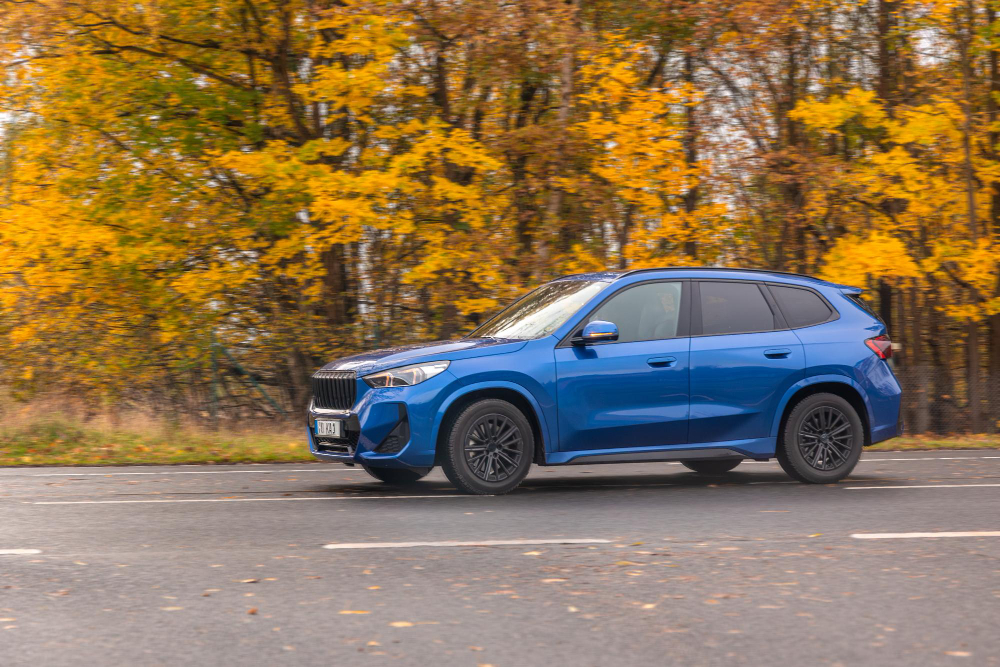
The journey of owning a vehicle goes way beyond just driving it off the lot. It’s a whole process that involves picking the right one, handling paperwork, making it your own, keeping it in good shape, and eventually, selling it smart. Each step has its own challenges and chances. Knowing this whole process helps you not only enjoy your car but also get the most value out of it from beginning to end. From the first exciting purchase to the final handshake with a new owner, being ready is your biggest advantage.
This guide will walk you through the main stages of car ownership, giving you practical advice for every step.
Choosing Your Next Vehicle
The first step is often the most exciting, but also the most overwhelming. Finding the right vehicle means balancing what you need, what you want, and what you can afford. Before you even look at listings, take some time to think about your lifestyle. Do you have a long commute? Do you need room for family or gear? Will you be driving in city traffic or on open highways? Answering these questions will help you narrow down your choices from a huge number of options to a manageable list.
Once you know what kind of vehicle you’re looking for, the next big decision is whether to buy new or used. A new car comes with the latest tech, a full warranty, and that amazing new-car smell. But it also costs more and loses value faster. A used car can save you a lot of money, though it might need maintenance sooner and could have more hidden problems. A good new vs. used car guide can help you weigh the financial pros and cons. When considering an EV, reviewing these aspects to consider when purchasing an electric vehicle can help you evaluate whether one fits your needs.
No matter what you choose, research is crucial. Read reviews, compare safety ratings, and check the estimated cost of ownership, which includes fuel, insurance, and typical repairs. When you’re ready to buy, follow established steps to buying a car to make sure the transaction goes smoothly. This means getting your financing sorted out beforehand, test-driving a few vehicles, and negotiating the price with confidence.
Understanding Registration Requirements
After you buy the car, the paperwork starts. Every state has specific rules for registering a vehicle, and not following them can lead to fines and legal trouble. First, you’ll need proof of ownership, usually the car’s title. If you bought from a dealership, they often handle the initial registration for you. If it’s a private sale, that responsibility falls on you.
You’ll also need to show proof of insurance. Driving without at least the minimum required liability coverage is illegal in almost every state. Before you can get your license plates, you’ll have to show your insurance card or policy declaration page. The exact requirements and fees can vary a lot by location, so it’s best to check your local Department of Motor Vehicles (DMV) website. Many states offer helpful motor vehicle FAQs that lay out everything you need, from required documents to payment options.
Finally, pay attention to deadlines. Most states give you a limited time, often 10 to 30 days, to register a newly purchased vehicle. Mark this date on your calendar. You might also need a safety or emissions inspection before your registration is approved. Keeping all your documents in one folder can make your DMV visit much quicker.
Personalizing Your Vehicle’s Identity
Making a vehicle truly your own is one of the most enjoyable parts of owning one. Personalizing it isn’t just about looks; it’s a way to show off your personality and make your daily drives more fun. In fact, for many people, customization is a key driver in purchasing decision. The options range from simple additions to major changes.
Here are some popular ways to personalize your vehicle:
- Exterior Touches: Vinyl wraps can completely change your car’s color without a permanent paint job. Smaller details like custom grilles, spoilers, or unique wheels can also give it a distinct look.
- Interior Comforts: Upgrading your sound system, adding ambient lighting, or getting custom seat covers can turn the cabin into a space that feels just right for you.
- Performance Upgrades: For enthusiasts, modifying the exhaust system, suspension, or air intake can make driving more exciting. Just be sure to check local rules to make sure your changes are street legal.
One of the most visible ways to personalize your car is with a custom license plate. A unique combination of letters and numbers can be a personal statement, a nod to a hobby, or a clever joke. Many drivers look for specific combinations that match their initials, birth year, or car model. Marketplaces for DVLA number plates let you search for and buy these unique identifiers, giving your vehicle that final, exclusive touch.
Maintenance for Longevity
A vehicle is a complex machine, and regular maintenance is essential to keep it running smoothly for years. Ignoring basic upkeep can lead to poor performance, worse fuel economy, and expensive repairs later on. Following the manufacturer’s recommended maintenance schedule, which you’ll find in your owner’s manual, is the best way to protect your investment.
Preventative care is much more effective and cheaper than fixing problems after they happen. Here are some basic tasks every owner should keep up with:
- Oil Changes: Engine oil lubricates moving parts and helps cool the engine. Old, dirty oil can cause friction and engine wear. Stick to the recommended oil change intervals, usually every 5,000 to 7,500 miles.
- Tire Care: Properly inflated tires are vital for safety, handling, and fuel efficiency. Check your tire pressure monthly and rotate them every 6,000 to 8,000 miles to ensure they wear evenly.
- Fluid Levels: Regularly check your coolant, brake fluid, power steering fluid, and windshield washer fluid. Low levels can point to a leak or another potential issue.
- Brakes: Your brakes are your most important safety feature. Listen for any squealing or grinding noises, and have your brake pads and rotors inspected regularly.
Keeping a detailed record of all maintenance and repairs is also a smart move. It helps you track what’s been done, and it becomes a valuable asset when it’s time to sell. A well-documented service history shows potential buyers that the vehicle has been properly cared for.
Reselling Your Vehicle
Eventually, you might decide it’s time to sell or trade in your vehicle. Your goal is to get the best possible price, and preparation is key. The selling process starts long before you list the car. Those maintenance records you’ve kept will now pay off, showing the vehicle’s condition and how diligent you’ve been as an owner.
First, get your vehicle “sale ready.” This means giving it a thorough cleaning inside and out. A professional detail can be a worthwhile investment, as it can significantly boost its appeal. Gather all important documents, including the title, maintenance records, and any warranty information. It’s also smart to get a vehicle history report to show potential buyers.
Next, figure out a fair asking price. Use online valuation tools to see what similar vehicles are selling for in your area, considering your car’s mileage, condition, and features. You have a few options for selling:
- Trade-In: Trading your car in at a dealership is the easiest option, but it often gets you the lowest price.
- Private Sale: Selling to a private party usually brings the highest return, but it takes more effort. You’ll need to create a good online listing with high-quality photos, answer questions, and handle test drives.
- Instant Cash Offer: Several online companies offer to buy your car directly, balancing convenience with a competitive price.
No matter which way you go, be honest and open about the vehicle’s condition. A straightforward approach builds trust and makes for a smoother transaction for everyone involved.
Owning a vehicle is a big responsibility, but it’s also a rewarding experience. Approaching each stage with knowledge and care helps ensure your car serves you well and keeps its value over time.

