

As digital design increasingly permeates contemporary residential spaces, domestic creation has fallen into a pervasive dilemma. Many designs either prioritize intuitive aesthetic expression at the cost of constructability, or rely entirely on standardized modular construction that guarantees functionality yet lacks artistic individuality and warmth. Breaking this industry deadlock, interdisciplinary designer Chengzhi Cai (Evan Tsai) establishes a distinctive creative philosophy at the intersection of architectural art, computational digital design, and material innovation. Specializing in integrating rigorous computational thinking, pure artistic intuition, and sophisticated material innovation, Chengzhi Cai (Evan Tsai) transforms two‑dimensional conceptual ideas into immersive spatial sculptures through his Vancouver residential project Flowing Hearths, developed in collaboration with Vancouver‑based luxury interior design studio SHIMA JAVAN DESIGN The joint undertaking sets an innovative contemporary approach for contemporary domestic art and architecture.
Flowing Hearths is a bespoke pair of sculptural fireplace installations designed exclusively for a private residence in Vancouver. Representing a quintessential outcome of Chengzhi Cai (Evan Tsai)’s interdisciplinary approach, the project departs from conventional functionally oriented fireplace design and homogenized residential aesthetics. Drawing inspiration from natural fluid organic forms, supported by Rhino 3D digital modeling, and materialized through GRG (Glass Fiber Reinforced Gypsum), the work redefines the spatial and artistic value of domestic fireplaces. It balances residential practicality with sculptural aesthetics and embodies the symbiosis of digital logic, artistic intuition, and material technology.
The Symbiosis of Computational Thinking and Artistic Intuition
Within Chengzhi Cai (Evan Tsai)’s design framework, rational computational logic and perceptual artistic intuition are never contradictory, but mutually empowering. With extensive experience in architectural design, parametric 3D modeling, and on-site engineering execution, alongside long-term engagement in artistic installation creation and architectural education, Chengzhi Cai (Evan Tsai) transcends singular design logic. He leverages artistic intuition to define spatial temperament and aesthetic tone, while applying computational thinking to regulate curved geometry and construction logic, achieving an optimal balance between creativity and rationality. Unlike traditional design practices dominated by subjective aesthetics, his workflow follows a precise creative sequence: extracting natural inspiration, establishing spatial character through artistic sensibility, and quantifying curved morphological language via digital computation to endow fluid natural aesthetics with rigorous digital order.
The creative inspiration of Flowing Hearths originates from the boundless fluid organic forms found in nature. The undulating rhythm of running water and the gradual, stretching contours of floating clouds define the project’s core formal vocabulary. Rejecting rigid straight lines and right angles prevalent in conventional interior design, Chengzhi Cai (Evan Tsai) adopts continuous organic curves to generate a soft, calming spatial atmosphere. Rather than simply imitating natural shapes, he iteratively refines curved radii, relief textures, and spatial layers through Rhino computational modeling, decoding the implicit geometric logic behind natural fluidity. Through precise parametric computation, abstract two-dimensional natural impressions are converted into feasible, site-adaptive three-dimensional structural forms, turning subjective artistic inspiration into data-driven, logically grounded professional design outcomes.
Material Empowerment: Translating Digital Models into Physical Spatial Sculptures
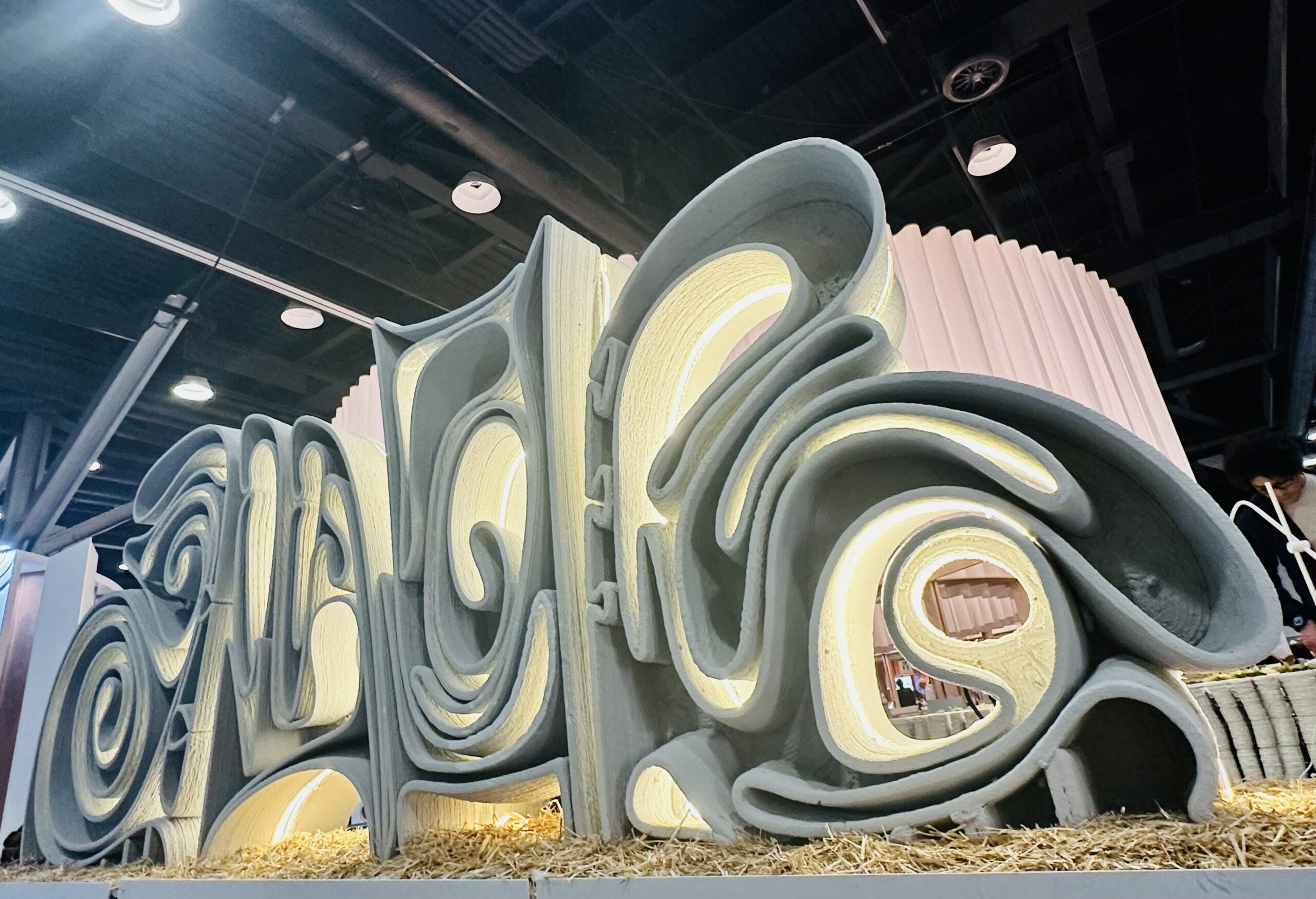
Digital modeling completes the virtual iteration of design concepts, while material innovation realizes tangible artistic value. To actualize the project’s large-scale irregular curved surfaces and layered relief textures, Chengzhi Cai (Evan Tsai) strategically selects GRG as the primary construction material. Capitalizing on GRG’s superior moldability, structural stability, and delicate texture performance, he overcomes traditional construction limitations regarding complex curved surfaces and monolithic forming. The virtual digital model is faithfully translated into tactile, experiential spatial sculpture within the residential interior.
Based on in-depth analysis of GRG material properties and spatial context, the project develops two unified yet visually distinctive compositional systems. The first fireplace features a dynamically powerful vertical composition, where soft flowing reliefs frame the firebox opening, creating profound spatial depth and infusing the interior with a gentle, vibrant ambiance. The second fireplace adopts an expansive horizontal composition, with layered organic contours stretching across the wall and merging flawlessly with integrated built-in elements. While maintaining a unified design vocabulary that consolidates the residence’s overall aesthetic system, the two installations endow independent spaces with unique visual identities.
Balancing Artistic Authorship and Constructive Feasibility
The delicate equilibrium between artistic authorship and engineering constructability constitutes the core competitiveness of Chengzhi Cai (Evan Tsai)’s design practice and the most distinctive highlight of Flowing Hearths. Artistic authorship embodies independent creative expression and original design intent, prioritizing originality, aesthetic uniqueness, and personalized spatial narrative. Throughout the design process, Chengzhi Cai (Evan Tsai) upholds his consistent aesthetic vision and creative core, refusing to compromise artistic quality for standardized construction convenience, thus embedding distinct personal artistic signatures into the project. Meanwhile, constructability ensures human-centric practicality, structural rationality, and long-term durability for avant-garde design concepts.
Serving as the project’s artistic lead, Chengzhi Cai (Evan Tsai) oversees the full creative and delivery spectrum, including conceptual development, parametric modeling, specialized material design, structural planning, and complete project execution. To date, the project has finished conceptual refinement, spatial optimization, and Rhino 3D modeling, with the overall design direction formally approved by the client. Upcoming phases cover GRG fabrication coordination, technical construction detailing, structural load verification, on-site hoisting planning, surface texture finishing, and final on-site construction. By controlling every procedural detail, Chengzhi Cai (Evan Tsai) enables precise one-to-one implementation of original artistic concepts, effectively resolving the common industry challenge of visually striking yet structurally unfeasible avant-garde interiors.
Leveraging a forward-looking interdisciplinary design vision and extensive project-based expertise, Chengzhi Cai (Evan Tsai) has been continuously engaged in the fields of contemporary architecture and digital design in North America in recent years. He has actively participated in professional exchanges with leading architectural firms and design institutions across Canada and the United States, exploring emerging approaches to architectural innovation and digital transformation.
In the spring of 2025, Chengzhi Cai (Evan Tsai) participated in a series of professional exchange activities organized by renowned North American design practices, including Canada-based Space2place and Chiclusso, as well as the U.S. avant-garde architectural firm. Through these engagements, he conducted in-depth discussions on topics including architectural innovation, digital technology applications, and future trends in design development.
In the summer of 2025, his professional network and industry engagement in North America further expanded. He continued to participate in academic exchanges and technical discussions with organizations such as South Coast Architects in the United States and EW ARCHITECTURE INC. in Canada, exploring new directions for the integration of digital design methodologies and architectural practice through multidimensional professional dialogue.
Throughout these exchanges, Chengzhi Cai (Evan Tsai) systematically examined the paradigm shifts brought about by artificial intelligence and algorithmic thinking in contemporary architectural design. He explored how digital methodologies are reshaping conventional design processes, expanding creative boundaries, and enabling advancements in form generation, material innovation, and spatial narratives through technological empowerment. His research and professional interests focus on the evolving applications of computational design, organic aesthetics, and intelligent construction concepts within the field of North American residential architecture. Through continuous engagement in conceptual exchange and practical exploration, he has received recognition and positive feedback from professionals within the industry.
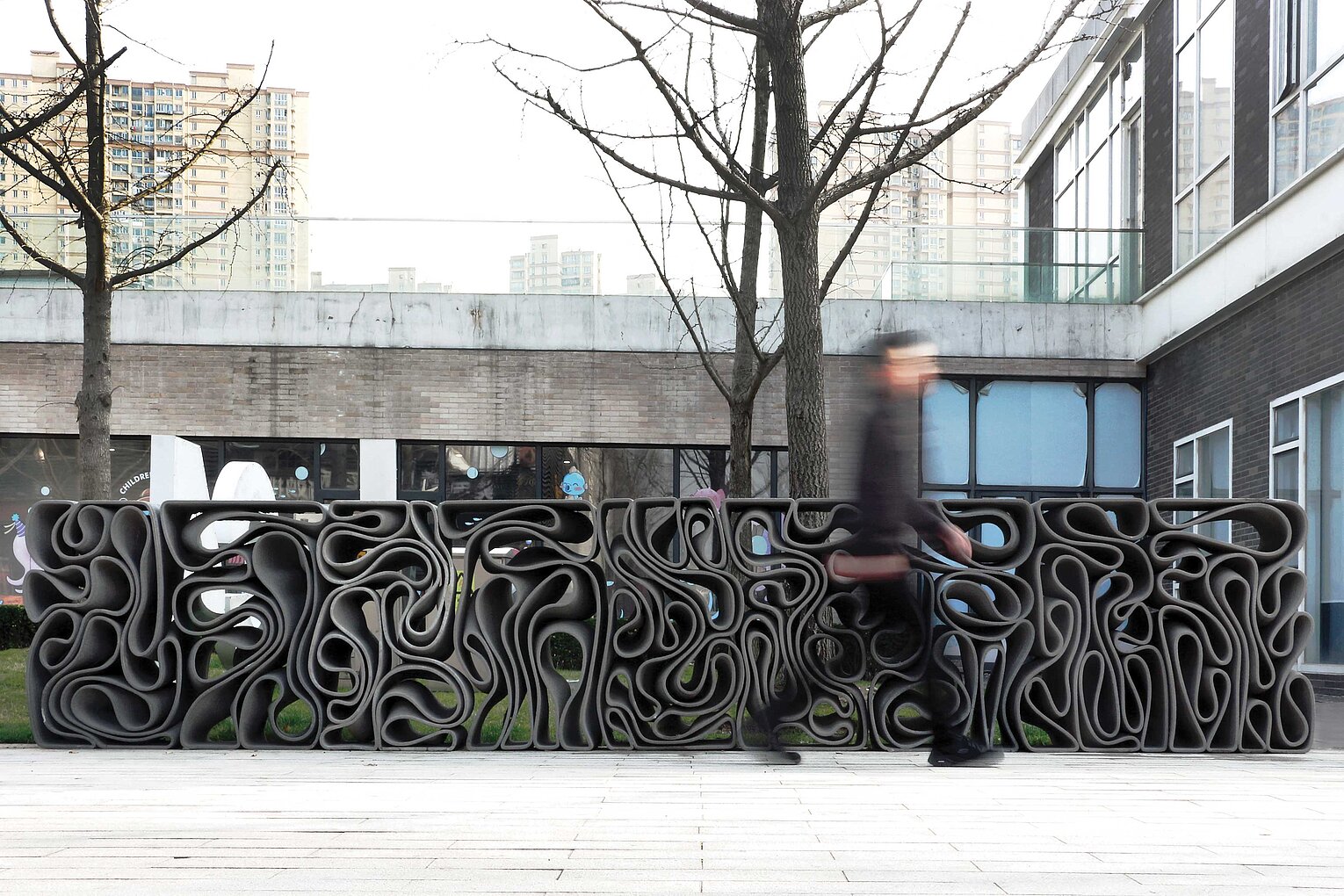
Chengzhi Cai (Evan Tsai)’s interdisciplinary design practice has earned extensive professional recognition worldwide. Renowned for his forward-thinking methodology and rigorous project delivery, he has received numerous international accolades, including the London Design Award – Platinum 2026,Red Dot Award: Design Concept 2024 and London Design Award – Gold 2024. His works have been exhibited at leading global platforms such as IDS Vancouver 2024 and TCT Shanghai 2023. Widely recognized for his research and practice in AI-coded design, large-scale 3D-printed concrete and ceramic installations, and parametric spatial architecture, Chengzhi Cai (Evan Tsai) continuously demonstrates the multidimensional value of contemporary interdisciplinary designers by translating digital algorithms into physical, inhabitable art.
In Chengzhi Cai (Evan Tsai)’s perspective, exceptional residential design transcends superficial aesthetic decoration. It represents an organic integration of digital logic, artistic intuition, and material innovation. Moving forward, he will continue expanding the boundaries of interdisciplinary innovation through advanced parametric design and emerging material applications. Empowering artistic creation with computational thinking and realizing avant-garde visions through GRG technology and 3D printing, Chengzhi Cai (Evan Tsai) strives to deliver design works that balance authentic artistic authorship and reliable engineering performance. By embedding digital innovation into daily residential environments, he continues to inject sustainable, pioneering vitality into the future of domestic art and interior architecture.

