

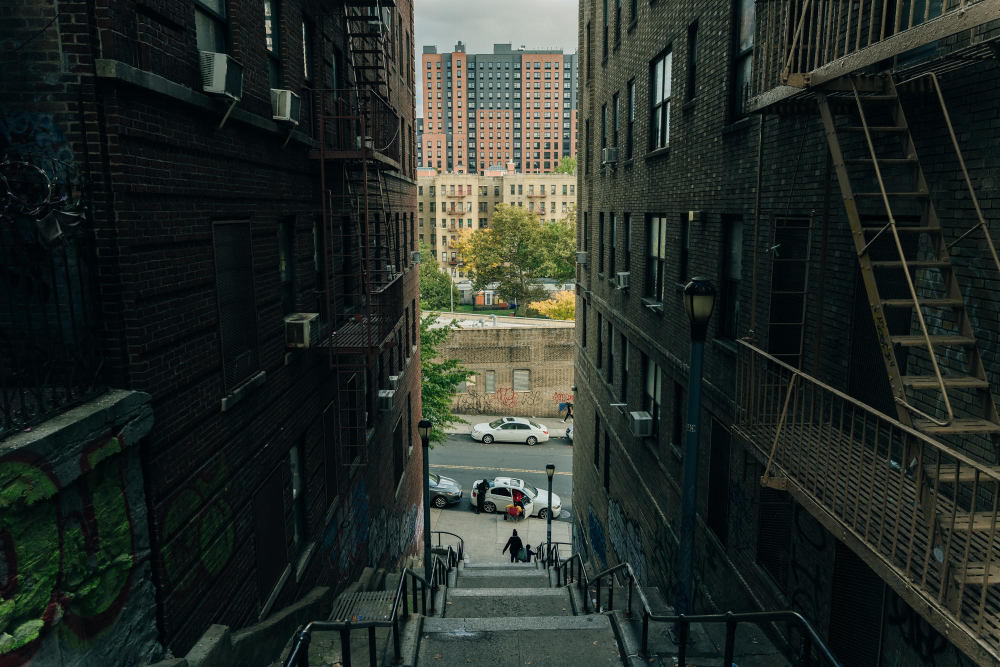
The Bronx sidewalks that feel perfectly routine in October become something else entirely by January. A thin film of overnight ice, a slushy patch in front of a bodega, a wet lobby floor after a snow shower, and suddenly a familiar block turns into a real hazard. Knowing what to look for and how to move through it makes a genuine difference.
Why Winter Changes the Way People Move Around the City
Walking in a dense urban borough like the Bronx is already a full-contact activity. There are curb cuts, subway grates, uneven pavement, and foot traffic pulling attention in every direction. Winter layers additional complexity on top of all that. Temperatures drop overnight and climb slightly during the day, which means surfaces go through repeated freeze-thaw cycles that leave ice where people least expect it. The days are shorter too, so the morning and evening commutes happen in low visibility.
Pedestrians tend to unconsciously adapt by shortening their stride and slowing down, but many people do not realize they are doing it. That adaptation disappears the moment they are distracted by a phone or rushing to catch the bus. According to the U.S. Bureau of Labor Statistics, employers reported 479,480 nonfatal injuries involving falls, slips, or trips in 2023-2024, and there were 885 fatal workplace falls, slips, and trips in 2023 across all industries. The numbers are a reminder that slipping is not a freak event. It is a predictable outcome of predictable conditions, which means it can be prevented.
Ice, Snow, Slush, and Wet Entrances
Each stage of a winter weather event creates a different kind of hazard, and they do not all look the same.
Fresh Snow
Fresh snow is the most forgiving surface. It compresses underfoot and provides some traction. The danger comes when foot traffic packs it into a hard, polished layer, or when it starts to melt and refreeze. Sidewalks that see heavy morning foot traffic and then sit in shade for the rest of the day are especially prone to this pattern.
Black Ice
Black ice forms when moisture freezes on pavement without any visible cue. It looks like a wet surface, or sometimes nothing at all. It forms most often in the early morning hours, in shaded spots, on metal surfaces like subway grates and bridge decking, and anywhere water drains across a walking path. The Bronx has no shortage of shaded streets and metal infrastructure, which makes black ice a consistent concern from December through March.
Slush and Wet Entrances
Slush is underestimated. It feels soft, but it shifts underfoot in unpredictable ways, especially near curbs where it piles up. Building entrances and subway station vestibules become slick almost immediately after a storm, as people track in water and the floor transitions from outdoor to an indoor surface. Wet tile and polished stone are among the most treacherous surfaces in the city during winter months.
Why Footwear Matters More Than You Think
When choosing winter footwear, a few features are worth prioritizing:
- Deep rubber tread that channels water away from the contact surface
- A low, wide heel that distributes weight more evenly and reduces the chance of rolling an ankle
- Ankle support that keeps the foot stable on uneven or shifting surfaces
- Waterproofing to prevent the foot from getting cold and stiff, which affects balance
Carrying dress shoes and changing at the office is a common practice for a reason. It works. For people who cannot swap footwear mid-day, slip-on traction devices that attach to the bottom of a shoe are available at most hardware stores and provide a meaningful improvement on ice.
Taking Extra Care on Stairs and Uneven Surfaces
Stairs deserve a specific mention because falls on stairways tend to produce more serious injuries than falls on flat ground. The combination of elevation change, momentum, and hard edges means a stumble can become a significant injury fast. In the Bronx, this applies to outdoor stoops, subway station stairs, and the interior stairwells of apartment and commercial buildings.f.
What Businesses and Property Owners Can Do to Reduce Hazards
Practical steps that make a real difference include salting or sanding after shoveling rather than just clearing snow, placing absorbent mats inside entrances and swapping them out when they become saturated, keeping exterior lighting functional so hazards are visible after dark, and posting visible warnings near known problem areas like sloped driveways or metal cellar doors.
Building superintendents and business owners who treat winter maintenance as a daily task rather than a one-time storm response keep their properties meaningfully safer. A sidewalk cleared at 7 a.m. that refreezes by noon is still a hazard by the afternoon commute.
What to Do If You Fall and Are Injured
The moments after a fall are disorienting, and most people’s instinct is to get up quickly and keep moving. Worth resisting. Taking a moment to assess the situation pays off.
If there is any pain in the head, neck, back, hip, or wrist, moving carefully and calling for help is the right call. Wrists and hips absorb a large portion of fall impact, and fractures in those areas are not always immediately obvious. Getting checked out medically, even when an injury seems minor, creates a record and catches problems that worsen if left untreated.
If the fall happened on someone else’s property, noting the exact location, taking photos of the surface conditions, and getting contact information from any witnesses are all steps that matter later. Reporting the fall to a building manager or business before leaving the scene is also worth doing.
When an Accident May Justify Seeking Legal Advice
Not every fall leads to a legal claim, and most people recover and move on. But when a fall causes a serious injury and the hazard that caused it was the result of someone else’s failure to maintain a safe surface, understanding the legal options is reasonable.
New York City’s Administrative Code places sidewalk maintenance responsibilities on adjacent property owners, and ice and snow conditions cause 52% of winter sidewalk accidents across the city’s boroughs. When a property owner or business fails to meet that obligation and someone is hurt as a result, New York law provides a path for the injured person to seek compensation for medical costs and other losses.
Anyone dealing with a significant injury from a winter fall on someone else’s property can speak with a Bronx slip and fall lawyer to understand whether the circumstances support a claim. Courts examine whether the property owner complied with the duty to clear snow and ice, the timing and thoroughness of the clearance, and whether the injury resulted directly from any lapse in those responsibilities, with evidence like maintenance records and weather data playing a central role.
Where to Start
Winter in the Bronx is manageable with the right habits in place. Better footwear, deliberate pacing on stairs and icy surfaces, and awareness of the specific hazards that follow a storm go a long way toward keeping people on their feet. Property owners who stay ahead of maintenance rather than reacting after the fact protect both their tenants and themselves. And anyone who does get hurt deserves to know their options clearly, without having to figure it out alone.

