

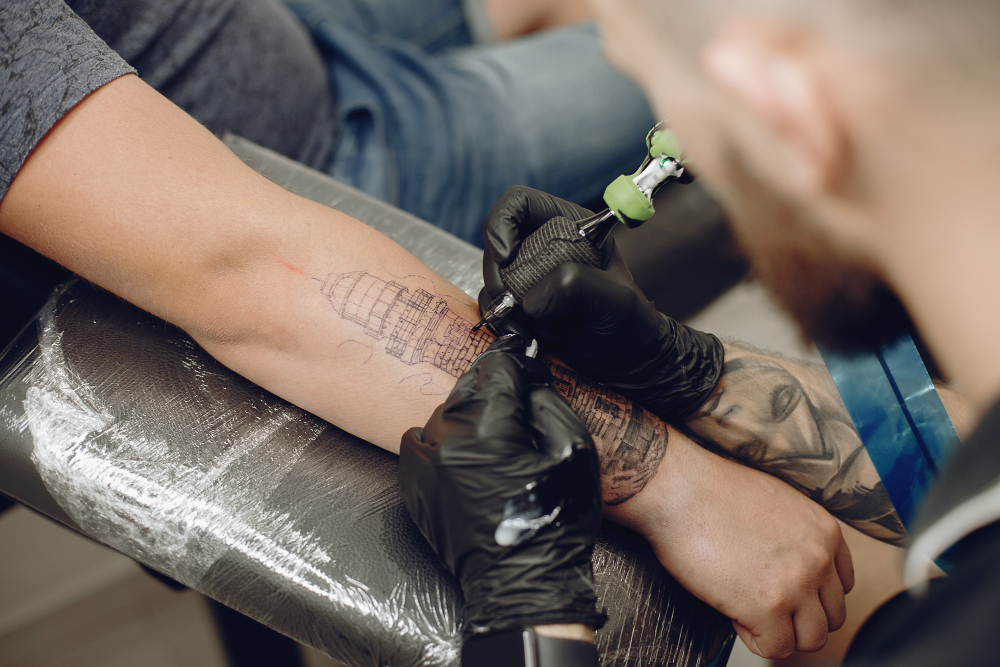
Tattoos have evolved far beyond quick flash pieces picked off a studio wall. Today, body art serves as personal storytelling, fine illustration, and permanent creative expression. Collector culture treats tattooed skin with the same appreciation as gallery canvas, valuing bold lines, smooth gradient shading, and rich color saturation. Getting inked involves hours under the needle, significant financial investment, and a dedicated healing phase. Once that initial healing period finishes, many individuals return to standard body creams, assuming the work is complete.
Skin remains a living, dynamic layer that continuously undergoes cellular turnover, moisture loss, and environmental exposure. Ink pigment sits below the outer epidermal barrier within the dermal layer. As dry skin cells accumulate on the surface, light scatters unevenly across the skin, making vibrant black linework look faded and colorful pigments appear muted. Long term maintenance requires continuous hydration and targeted skin nourishment to keep ink sharp, clear, and visible over decades.
1. Why Standard Body Lotions Fall Short for Ink Preservation
Applying a generic body moisturizer provides surface-level hydration, but many standard products are not formulated with tattooed skin in mind. Common drugstore creams often contain heavy mineral oils, synthetic fragrances, or petroleum derivatives. These dense ingredients can create an occlusive layer over the skin surface that feels greasy without absorbing deep enough to support the dermal barrier.
Integrating a lightweight daily tattoo lotion into a morning or evening routine provides targeted hydration without leaving a slick residue on clothing or furniture. Formulations crafted specifically for ink focus on nutrient delivery and fast absorption. When skin cells receive clean hydration, surface texture smoothes out, allowing ambient light to reflect evenly off the dermal pigment below.
Petroleum-based formulas work fine for short-term wound care, but long-term daily use can clog pores and dull skin radiance. Lightweight plant oils and plant-derived butter bases absorb easily, providing a natural barrier that preserves skin flexibility.
2. Essential Ingredients That Support Skin and Pigment
Maintaining healthy skin texture directly influences how tattooed art looks over time. Formulations designed for ongoing care utilize ingredients that strengthen the skin barrier, restore lost moisture, and protect against environmental stress. Key ingredients that enhance skin health and preserve tattoo clarity include:
- Vitamin A Derivatives: Ingredients like encapsulated retinol encourage gentle cellular renewal, smoothing out rough surface texture so pigment shines through clearly.
- Nutrient-Dense Butters: Shea butter delivers deep hydration, softening dry patches on areas prone to friction like elbows, forearms, and shoulders.
- Plant-Based Oils: Sesame seed oil and aloe vera extract calm sensitive areas while providing essential fatty acids that support natural barrier function.
- Skin-Identical Lipids: Ceramides reinforce the lipid layer, locking in moisture to prevent trans-epidermal water loss throughout the day.
When these components work together, the skin barrier remains soft, resilient, and fully hydrated. Smooth skin surfaces allow intricate detail, delicate micro-realism lines, and deep black shading to display maximum visual contrast.
3. Protecting Pigment Against Environmental Factors
Sun exposure and dry climates act as constant challenges to tattoo longevity. Ultraviolet radiation breaks down pigment particles over time, causing black inks to shift toward dull gray and bright colors to fade. While broad-spectrum sunscreen provides essential defense during outdoor activities, daily nourishment keeps skin elastic and resistant to environmental drying.
Using a specialized tattoo lotion as part of a daily post-shower routine ensures that skin retains water after cleansing. Showers remove natural sebum oils, leaving skin vulnerable to tightness and flaking. Applying moisture immediately after drying off locks in hydration when skin pores are receptive.
Urban pollution, indoor heating, and air conditioning also pull moisture from the epidermis. Consistent hydration shields skin against these daily stressors, keeping linework crisp and preventing premature dullness caused by surface dryness.
4. Building a Simple Care Routine for Large and Small Tattoos
Caring for body art does not require a complex, multi-step regimen. A simple, consistent routine works far better than sporadic deep treatments. Collectors with extensive sleeves or large back pieces benefit from efficient daily application habits. Effective practices for daily tattoo maintenance include:
- Apply moisturizer directly after showering while skin is slightly warm and receptive to absorption.
- Focus application on areas exposed to frequent friction, such as knees, elbows, forearms, and ankles.
- Use clean, gentle upward strokes to smooth product across large tattooed areas without tugging delicate skin.
- Reapply a light layer before bed to support natural skin recovery overnight.
Small micro-tattoos and fine-line script require the same attention as full coverage sleeves. Fine lines can blur visually if the surrounding skin becomes flaky or dry. Regular application keeps fine details sharp and legible across all tattoo styles.
5. Recognizing How Different Tattoo Styles Age Over Time
Different tattooing techniques interact with the skin in distinct ways over time. Traditional American style relies on bold black outlines and solid color fills, while Japanese traditional uses large background shading to frame vivid motifs. Modern styles like micro-realism, fine-line single needle work, and soft gray realism use subtle tonal shifts and delicate linework.
Bold outlines hold up well against surface dry skin, but subtle shading and soft color washes lose clarity rapidly when dry dead skin cells build up on top. Utilizing a quality tattoo lotion maintains smooth epidermal clarity, ensuring soft gray washes and delicate color gradients stay distinct.
Collectors who invest in detailed realism or fine linework rely on smooth skin texture to preserve delicate details. Proper moisture balance prevents skin from scaling, keeping subtle artistic touches visible as the years progress.
6. Integrating Tattoo Care into Overall Wellness Practices
Taking care of body art mirrors broader personal wellness habits. Staying hydrated, eating balanced nutrient-dense foods, and protecting skin from harsh sun exposure support overall dermatological health. Skin reflects internal hydration and external care alike.
Selecting clean, plant-focused skincare products aligns with a mindful approach to body care. Avoiding artificial fragrances, harsh sulfates, and unnecessary chemical fillers ensures that sensitive or frequently tattooed skin stays free from unnecessary irritation.
Viewing tattooed skin as fine artwork encourages consistent, high-quality care. Just as fine paper or canvas requires proper storage conditions, living skin requires gentle, clean nourishment to showcase art at its best.
Thoughtful Summary
Tattoos represent significant personal expression, artistic vision, and individual identity. Preserving that investment requires shifting mindset from short-term aftercare toward lifelong skin maintenance. Incorporating a dedicated tattoo lotion into everyday skincare routines protects pigment clarity, supports skin barrier health, and keeps body art looking rich and defined across every stage of life. Simple, daily hydration keeps the living canvas smooth, healthy, and vibrant.

