

The 1990s were a golden era for arcade gaming, a time when dark rooms filled with flashing screens, loud sound effects, and competitive energy defined youth culture around the world. For many players, arcades were more than entertainment spaces—they were social hubs where skills, reflexes, and reputation mattered, much like placing a strategic wager in jetx bet before the action begins. The games of this decade left a lasting legacy that still influences modern gaming today.
The Rise of Fighting Games
One of the most important shifts in 90s arcades was the explosive popularity of fighting games. These titles transformed arcades into competitive arenas where players gathered to test their skills against one another.
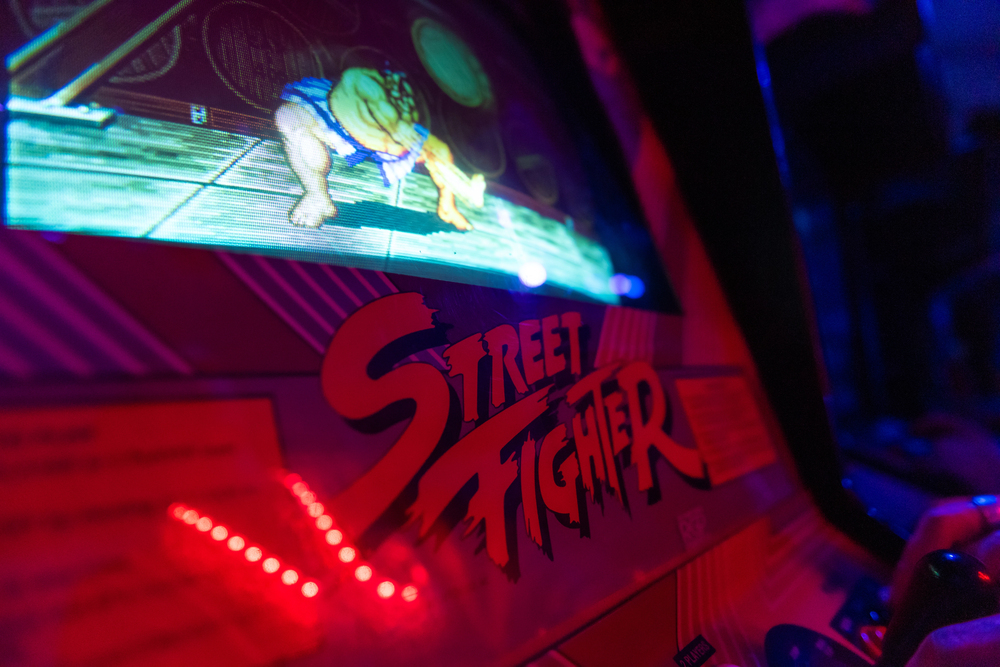
Street Fighter II: A Genre-Defining Classic
Released in 1991, Street Fighter II changed everything. It introduced a diverse roster of characters, each with unique fighting styles, special moves, and backgrounds. This depth encouraged mastery, rivalry, and endless replayability. Arcades quickly became battlegrounds where players lined up coins on cabinets to signal the next challenger, creating a culture of respect and competition that defined the decade.
Mortal Kombat and the Power of Controversy
While Street Fighter II focused on precision and technique, Mortal Kombat shocked audiences with digitized graphics and graphic finishing moves. Its controversial violence sparked public debate but also fueled massive popularity. The game proved that arcades could push boundaries and generate cultural conversations far beyond gaming circles.
Beat ’Em Ups and Cooperative Play
Another defining feature of 90s arcades was the dominance of beat ’em up games. These titles emphasized cooperative gameplay, allowing friends—or strangers—to team up and fight through waves of enemies.
Teenage Mutant Ninja Turtles
Teenage Mutant Ninja Turtles was a perfect example of arcade accessibility. Bright visuals, simple controls, and beloved characters made it appealing to all ages. The ability for up to four players to play simultaneously turned it into a social experience that captured the spirit of arcades as communal spaces.
Final Fight and Streets of Rage
Games like Final Fight and Streets of Rage offered a grittier take on the genre. With urban settings, memorable soundtracks, and satisfying combat, they showcased how beat ’em ups could tell simple but engaging stories while delivering nonstop action.
Racing and Sports Games That Pulled Players In
Arcades in the 90s were also known for immersive racing and sports games that used specialized cabinets to enhance realism.
Daytona USA and the Thrill of Speed
Daytona USA became a landmark title thanks to its smooth gameplay, iconic soundtrack, and multiplayer cabinets that allowed friends to race side by side. Sitting in a racing seat with a steering wheel and pedals made players feel part of the action, blurring the line between game and simulation.
NBA Jam: Over-the-Top Fun
In sports gaming, NBA Jam stood out by embracing exaggeration. With its famous “He’s on fire!” commentary, impossible dunks, and fast-paced matches, it delivered instant fun without requiring deep knowledge of basketball. This accessibility made it a staple in arcades worldwide.
Puzzle and Skill-Based Arcade Legends
Not all influential arcade games relied on action and speed. Puzzle and skill-based titles carved out their own devoted audiences.
Tetris and Timeless Design
Although Tetris originated earlier, its arcade presence in the 90s reinforced its status as a universal classic. The simple concept of fitting falling blocks proved endlessly addictive and demonstrated that great game design does not require complex graphics or controls.
Puzzle Bobble and Friendly Competition
Puzzle Bobble combined charming visuals with competitive gameplay. Players faced off by clearing bubbles while sending obstacles to their opponent, making it a favorite for both casual players and seasoned arcade regulars.
Why 90s Arcade Games Still Matter
The arcade games of the 1990s defined more than a decade—they shaped how games were designed, played, and shared. They introduced competitive multiplayer experiences, encouraged social interaction, and proved that games could be both accessible and deep. Many modern genres, from esports fighters to cooperative action games, trace their roots directly back to this era.
Even today, the influence of these classics can be seen in remakes, digital re-releases, and retro-inspired indie titles. The spirit of the 90s arcade lives on, reminding players that great games are not just about graphics or technology, but about the emotions and memories they create.

