Home Blog Page 104

How Mini-Games Influence Narrative Flow in Today’s Most Iconic Titles

Mini-games might seem like small distractions in today’s biggest open-world and story-driven titles, but they quietly shape how we experience their worlds. In games like Fallout: New Vegas, Yakuza 0, Red Dead Redemption II, and Schedule I, these optional challenges guide the pacing, deepen character moments, and add unexpected layers of tone and texture.

This phenomenon is not unique to games. Even in Canada, optional player bonuses and incentives show how extra rewards can nudge behaviour without changing the core experience. Mini-games may sit on the sidelines, but they have a real impact on how a story resonates.

The Narrative Purpose of Mini-Games

Mini-games may seem like small side attractions, but they play a surprisingly important role in how game stories unfold. They give players a break from heavy plot moments, allowing the world to breathe, and make characters feel more relatable and human.

When you pause the main quest to play cards in a dusty saloon or belt out karaoke in a neon-lit bar, you are not just passing time. You are settling into the rhythm of the world. These small detours shape how the main narrative lands.

Mini-games also reveal character traits in ways cutscenes cannot. A quiet fishing trip, a goofy dance challenge, or a tense gambling round can expose personality, values, or emotional cracks. They add texture, pacing, and emotional contrast, helping long stories avoid a flat feel.

Available bonuses and player incentives can even invite players to step off the main path, explore at their own pace, and connect with the story on a deeper, personal level.

Fallout: New Vegas

Fallout: New Vegas treats its casinos and side activities as more than simple distractions. They are extensions of the Mojave itself. Gambling, card games, and oddball challenges reflect the world’s constant gamble between survival and ruin.

Dropping into a blackjack table or testing your luck at a slot machine gives the story room to breathe. These moments provide small pockets of calm in a landscape that rarely feels safe. They shift the tone, letting players reset before returning to the desert’s harsh realities.

What makes these activities meaningful is how they shape the Courier’s identity. Choosing to indulge in the casinos or avoiding them entirely shows what kind of person your version of the Courier becomes. In a game built on choice, even the smallest detour communicates something important.

Yakuza 0

Yakuza 0 thrives on its wild mix of heartfelt drama and unhinged side content. One moment you are managing a cabaret club or singing karaoke, and the next you are bowling a perfect game or helping a stranger with an oddly specific problem.

These slice-of-life mini-games are not just for laughs. They expand the emotional range of the story and make Kamurocho and Sotenbori feel alive in a way few games achieve.

Watching Majima delicately run a club or seeing Kiryu lose himself in a rhythm game shows sides of these characters that the main plot does not explore. The absurdity never breaks the serious tone. Instead, it enhances it and gives players room to process heavy moments, making them more impactful.

These mini-games also reflect cultural texture. The neon-lit streets, quirky side missions, and everyday interactions immerse players in a Japan that feels lived-in and layered, enriching the narrative world in ways main quests cannot.

Red Dead Redemption II

Red Dead Redemption II uses optional activities to make the frontier feel lived-in. Whether playing poker in a dusty saloon, taking on hunting challenges, setting up a quiet game of dominoes, or joining rowdy bar games, each activity reinforces the slow, rugged rhythm of life in Arthur Morgan’s world.

These moments shape the entire experience’s pacing. The game’s deliberate, unhurried tasks echo its themes of change, loss, and the fleeting nature of time.

Players also see Arthur’s humanity. Sitting by a river with a fishing pole or joining a friendly card game lets players experience him not as an outlaw on borrowed time, but as a person seeking small pieces of peace. These quiet moments deepen emotional impact and make the story’s dramatic beats hit harder.

Schedule I

Schedule I treats optional challenges like essential gears quietly turning in the background of the main story. Every side system—whether a skill test, puzzle loop, or short narrative detour—feels deliberately connected to the central plot rather than tacked on.

These activities allow the story to breathe while still pushing it forward, creating a rhythm that feels intentional rather than scattered. Some mini-games subtly influence the plot’s direction, while others simply shift a scene’s mood or tone. In Schedule I, choosing to engage with these moments reveals new angles on the world and your character. Optional content can be just as meaningful as the main quest when it is woven thoughtfully into the narrative.

The Small Moments Shape the Big Stories

Mini-games may seem like side notes, but they are often the heartbeat of a game’s storytelling. They set the pace, reveal who characters truly are, and add texture that lingers long after the credits roll.

By encouraging exploration, experimentation, and personal choice, mini-games create layers of interactivity that deepen immersion. These small, optional experiences make the journey more memorable and provide players with moments to reflect on the world and its inhabitants.

In the end, it is these optional moments that make the journey truly unforgettable.

The Meaning Within Metal: Unique Rings and Pendants as Modern Symbols for Men

There’s a point at which an object stops being “worn” and starts being carried. Jewellery crosses that threshold more often than anything else in a man’s wardrobe. A good ring or pendant does not merely complete a look; it completes a sentence—one spoken in texture and proportion, in history and intention. In contemporary men’s fashion accessories, that sentence is increasingly written in 925 sterling silver.

In London’s shifting style landscape—part corporate, part creative—men’s jewellery has moved from occasional formality to everyday wear. Across offices and late-night bars, sterling silver men’s rings and men’s pendant necklaces deliver clarity without spectacle. Several independent studios have helped widen the vocabulary; among them, Illicium London approaches design as small-scale sculpture: objects first, accessories second. The tone is understated, aligned with contemporary menswear and the city’s preference for minimal men’s jewelry that carries meaning as well as timeless appeal.

From the gallery to the hand

Walk through any London museum and you’ll see a visual grammar: laurel and acanthus, shields and sigils, geometry balanced on restraint. Today’s mens rings UK from Illicium London often begin there—classical proportion retold for now. The best pieces read both at arm’s length and at inches: a bezel line as decisive as a skyline; a shank carved like a column drum; a surface tuned to hold light without glare.

What distinguishes this new generation of sterling silver men’s rings is not just silhouette but argument. A signet ring for men becomes a seal of intent rather than inheritance. A braided motif speaks to continuity without pastiche. A hammered band suggests resilience earned, not borrowed. The material—hallmarked sterling silver—does what the story demands: it takes a mark, gathers patina, and records the wearer’s days with the frankness of a diary.

For readers building a signature, begin where identity is most legible. See the spectrum of symbolic forms in mens sterling silver rings – pieces that feel designed yesterday and dug up tomorrow.

Why 925 Sterling Silver, and why now?

“925” denotes an alloy of 92.5% silver balanced by other metals for strength. In the UK, pieces above specific weights are commonly assay office hallmarked, giving traceability on metal standard and maker—reassuring when comparing options across the market. Practically, 925 silver rings sit in a sweet spot: brighter than steel, more workable than titanium, and honest about time. Mirror polish softens to a glow; brushed finishes keep their composure; textured relief absorbs daily knocks—useful in a city of handshakes, laptops and sudden rain.

Tone matters too. London wardrobes lean neutral—navy, charcoal, black—so silver men’s jewellery integrates cleanly with tailoring and knitwear. It collaborates with a steel watch; it respects office dress codes; it adds structure to off-duty looks without tipping into costume.

Men’s Pendants: the centre of gravity

If a ring announces, a pendant anchors. It’s the punctuation at the centre of the frame, the still point under a collar where a day’s movement rests. Contemporary men’s necklaces & pendants are conceived as modern amulets: precise, weight-balanced, and frank about their sources. Guardian figures appear without theatre; architectural medallions carry structural logic; abstract geometry remains disciplined.

The power is in suggestion, not shouting. A wing may stand for protection or aspiration; a crossbar of pure geometry can be discipline made visible; a relief borrowed from antiquity confers time’s authority without wearing history like a costume. Silver’s cool register keeps everything modern even when the reference is ancient.

To choose is to declare—quietly, and therefore more enduringly. Explore this language of modern talismans in unique mens necklaces with pendants and find a centre that aligns with your own.

How meaning of men’s jewellery meets wearability

Meaning that cannot survive a commute is sentimentality. Well-considered men’s jewelry works through ordinary frictions: a sleeve sliding past a bezel; a coat collar brushing a chain; a laptop edge meeting a cuff. Interiors are comfort-curved; weights tuned to disappear until noticed; clasps are logical. The outcome is jewellery that behaves like a well-cut suit—never the first thing you notice, always the reason everything else makes sense.

Three practical principles tend to underpin the best London men’s jewellery:

Proportion over noise.
 A ring should complete the hand’s architecture; a pendant should settle naturally at the sternum. When proportion is right, detail can be spare and still feel rich.

Symbol over slogan.
Symbolic men’s jewelry endures because it leaves room for the wearer’s own meaning. Many studios—Illicium among them—favour forms that invite interpretation rather than dictate it.

Material as memory.
 Sterling silver does not remain pristine; it seasons. That shift from mirror to glow is the point—age as patina, not decay.

The forms you’ll see (and what they imply)

While every maker’s catalogue differs, today’s fashion and accessories landscape clusters around a few archetypes relevant to men’s jewellery UK shoppers:

  • Reimagined signets. The historic seal becomes a plane for minimal geometry or fine-line engraving. Tone: control, not lineage.
  • Textured bands. Hammered or stone-cut surfaces convert wear into design—ideal for everyday men’s rings in professional settings.
  • Architectural relief. Acanthus scrolls, shield outlines, channelled ridges—motifs remembered from galleries and facades, delivered without costume drama.
  • Linked & forged forms. Interlocking or chain-echoing rings read as kinetic and contemporary, pairing well with an open-collar shirt and mens silver chain necklace.
  • Abstract geometry. Crossbars, circles, intersecting lines—ideas rather than icons.

Wearing it well (without announcing you’re wearing it)

  • One statement per axis.
    If the ring is sculptural, keep the wrist quiet. If the pendant leads, let the chain follow. Elegance is a negotiation, not a stack.
  • Match energy, not metal.
    Watch, ring and pendant don’t need identical alloys; they need a shared temperature—matte with matte, gloss with gloss, architectural with architectural.
  • Let context set the volume.
    The signet that cuts through evening light should fade politely under a boardroom cuff. The difference is not timidity; it’s control.

Fit, finish and the day after purchase

Two sizing notes apply regardless of brand. First, time of day matters: fingers expand slightly; midday checks are more reliable. Second, the dominant hand runs tighter—account for it if you’re between sizes. A correct fit resists gently at the knuckle and then settles with minimal rotation.

Finish dictates maintenance. Polished silver rings benefit from occasional cloth work; satin finishes mask micro-marks; textured surfaces look “right” from day one. A dry pouch slows tarnish; avoid chlorine and harsh cleaners. The patina you keep is as meaningful as the polish you chase.

London jewellery, distilled

The current mood in London men’s jewellery could be summed up as heritage without hectoring, precision without fuss. It’s visible in the way independent studios prototype under tailoring and knitwear, in the preference for symbol over slogan, and in the material honesty of sterling silver. Illicium London is one example of a jewellery company following this approach: museum cues translated into daily objects, designed to earn patina as they earn place in a wardrobe.

What remains, after seasonal noise, are forms that feel inevitable: a ring that makes a handshake look decisive; a pendant that quiets a room by half a decibel; silver that has learned your day and decided to keep it. Meaning, made visible. Metal, made personal.

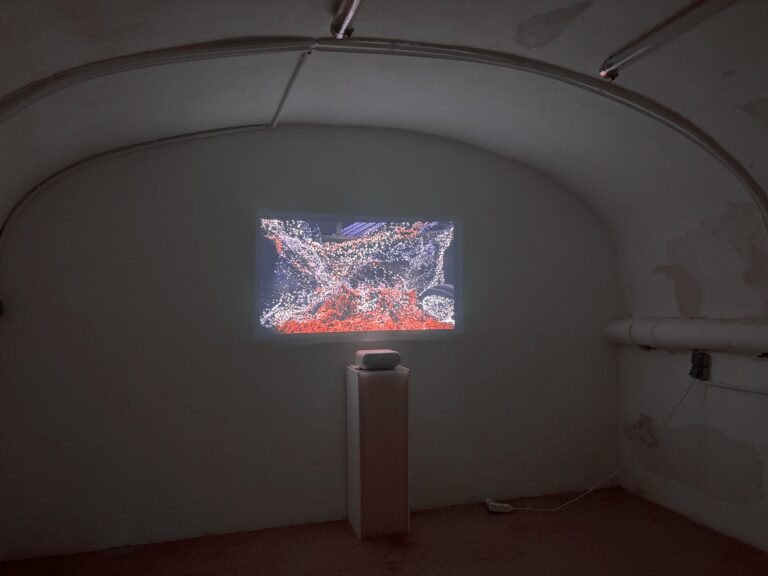
Fractured World of Ke Qin: Fission of the Body.

Ke Qin’s media art practices have developed a stable interest in how human consciousness shapes and distorts its own reality. In her new video art project, Fission of the Body, presented as part of the Paris exhibition Walking Between Norms and Memory, this inquiry is explored through contemplative  meditation. The artwork does not just reveal the mechanisms of memory or the emergence and dissolution of life. Instead, it invites the viewer to become a co-creatordrawing the boundaries of image perception. 

The peculiarity of Ke Qin’s artistic method is that it avoids linear narrative. As her previous work, Through the Fissures of Perception, depicted the fluidity and unstable structure of memory through cinematic fragments. In the new artwork, we again encounter the plasticity of images, emerging as if from a rift in existence. In Through the Fissures of Perception, scenes shifted as in a dreamlike flow, transforming the same spatial environment into distinct visual manifestations embodying different states. This artistic technique accentuates that memories are not fixed frames, but mutable sketches, whose sequence may dissolve at any moment. The artist deliberately leaves the viewer the opportunity to reconstruct the further illusion themselves. 

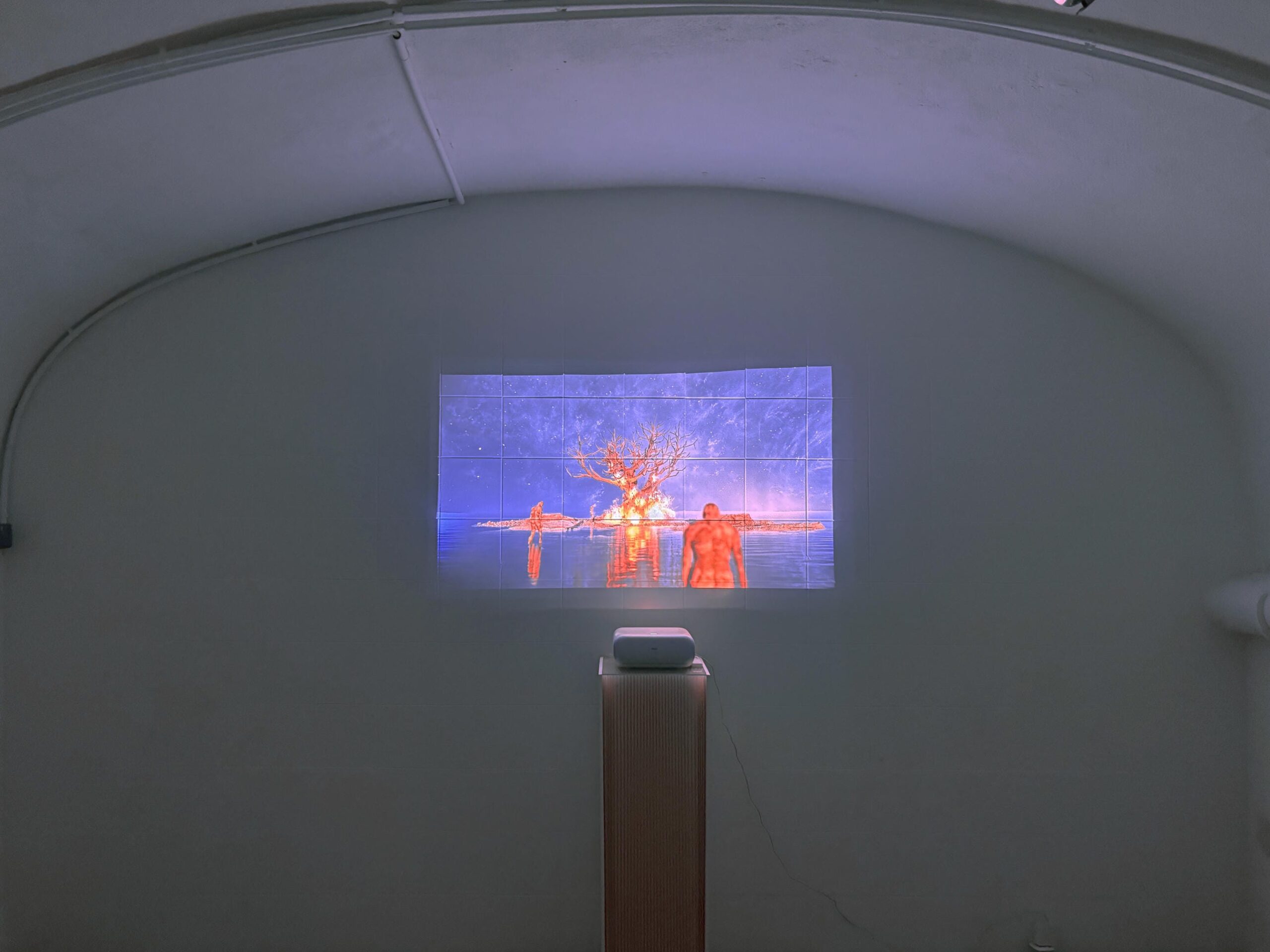
The Installation view of  “Fission of the Body”, Ke Qin, 2025.

In her new work, Fission of the Body, the artist’s favorite technique reaches a new structural level. The concept of “fission” is not just a word. It is a metaphorical act of dismemberment and combination of meanings, forms, and times. Splitting becomes less a visual device and more of a phenomenological approach. Within the video art, wbehold how form changes, collapses, and is recreated, yet preserving reminiscence. Likewise, human memory fragments and assembles life experiences into illusory yet emotionally significant constructs. Applying the tree as a universal symbol of life and continuous growth, the artist conveys a metaphor: the changing shape of the tree reflects the transformation of the human psyche. 

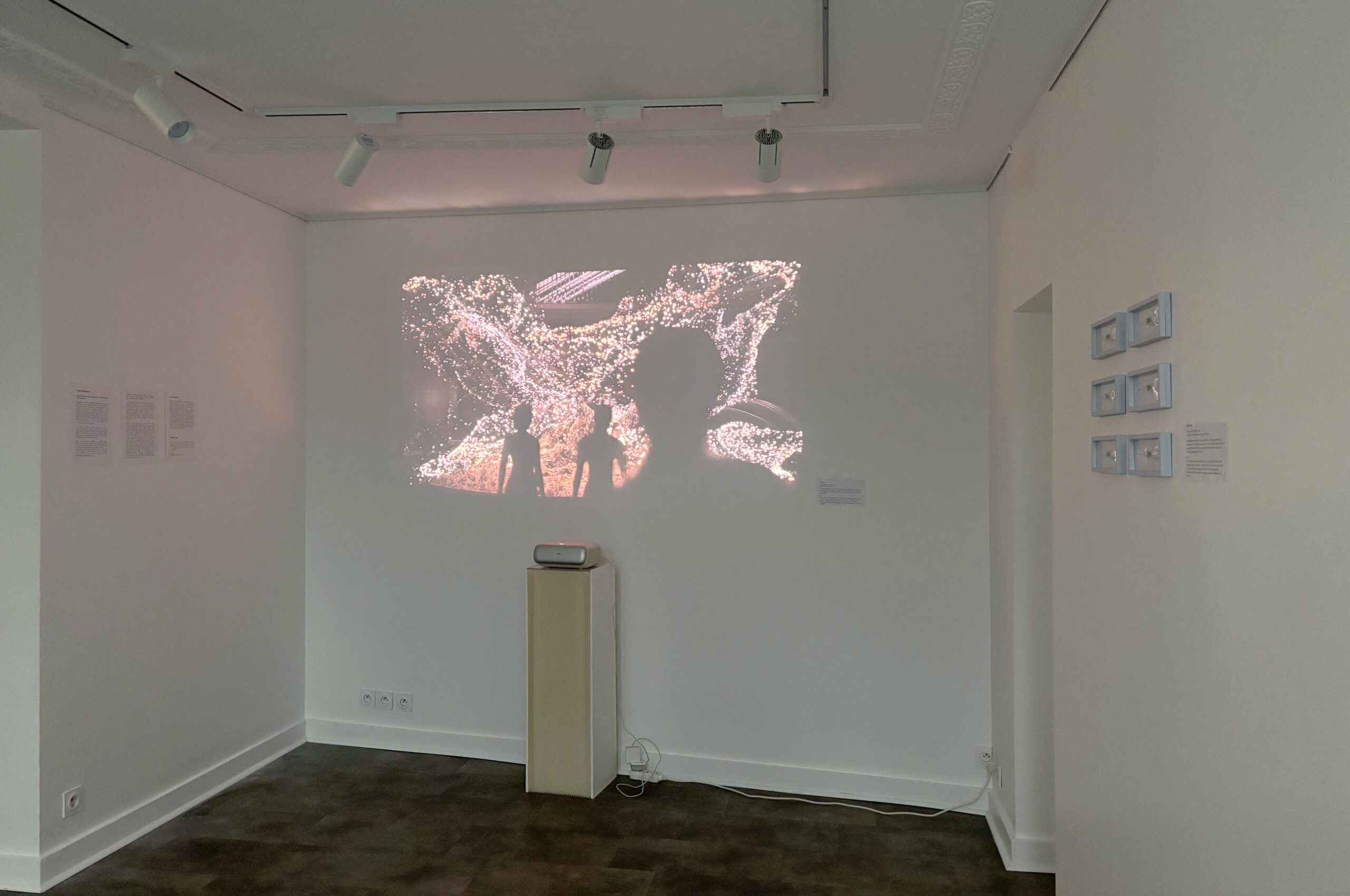
The Installation view of  “Fission of the Body”, Ke Qin, 2025.

The video art practice Fission of the Body engages in a constructive dialogue with Ke Qin’s artistic method. The artist does not seek to depict pure illusion, but rather explores the psychological consequences of what is commonly referred to as reality. Video projections, flashes of images, and discontinuities in sequence appear as reflections of her artistic critique. The artist’s visual technique generates uncertainty, which combines both the aesthetic pleasure of observing coloured, shifting images with the intellectual tension of confronting meanings. 

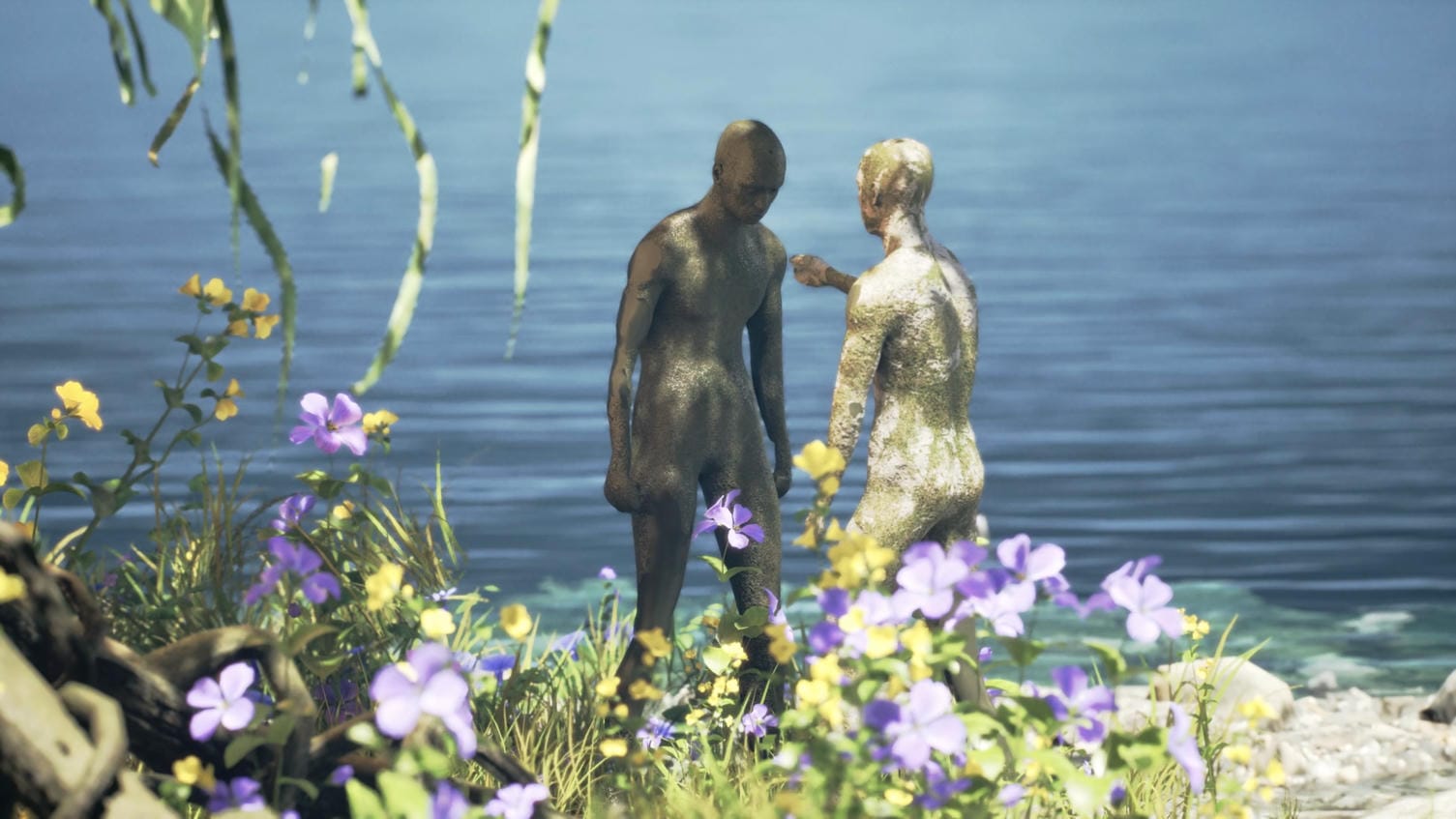
Fission of the Body (still), Ke Qin, 2025, single-channel video, 2’45”.

In the context of Ke Qin’s extensive oeuvre, this artistic method reflects her attraction to intermediate states, so to speak, those liminal zones that exist between worlds, between cognition and memory, between the body and its reflection. At the same time, her media practice does not dictate definitive interpretation, but it merely indicates points of entry, inviting the viewer into a space of empathy. In this sense, her video art speaks not of a singular body or consciousness, but of a multiplicity of experiential forms. It investigates how the individual and collective unconscious, with its archetypal structures, blends with the present. 

Fission of the Body (still), Ke Qin, 2025, single-channel video, 2’45”.

Fission of the Body is not simply a video composed of visually compelling scenes  and luminous flashes. The artist employed contemporary information and communication technologies to express her conceptual vision. Ke Qin constructed a space in which dissociation became an opportunity for synthesizing form, consciousness, and experience. Here, the mastery is revealed not through formal virtuosity, but through conceptual precisionThe artist demonstrates her mastery not formally, but conceptually. She challenges viewers to rethink the fabric of visual experience. In an era when the boundaries between the illusory and the factual are increasingly blurred, Ke Qin’s art acts as a critical mirror, revealing our position in a fractured world. 

Peaer Release New Song ‘Bad News’

Peaer have released ‘Bad News’, the latest single from their forthcoming album doppelgänger, which is out January 16 via Danger Collective. The slinky, hypnotic track follows previous entries ‘Just Because’ and ‘Button’. Listen to it below.

“This song started off as three separate ideas,” Peter Katz explained in a press release. “The Pinback-esque bassline, the chord progression that became the chorus, and the outro. Thom, Jeremy and I worked together to construct this song out of those ideas and I’m really happy with how it turned out. I really wanted to include an Omar Rodriguez-Lopez style guitar solo, too. I’m really happy with how we’ve incorporated our influences on this song especially, while also feeling like it’s the ‘most Peaer’ song to date.”

“Lyrically, the song grew from the resentment I was feeling at the time towards my career as a musician,” Katz continued, “and also towards myself for further retreating into solitude (‘yeah I’m pretty sure/I’m staying in tonight…’it must be nice/to make what you like/and have everyone approve’). Overall it comes out sort of bitter, but I hope the resolve towards the end shows a turn away from that darkness and into a more self-confident future.”

Why Are Metal Eyeglasses a Classic Style Choice?

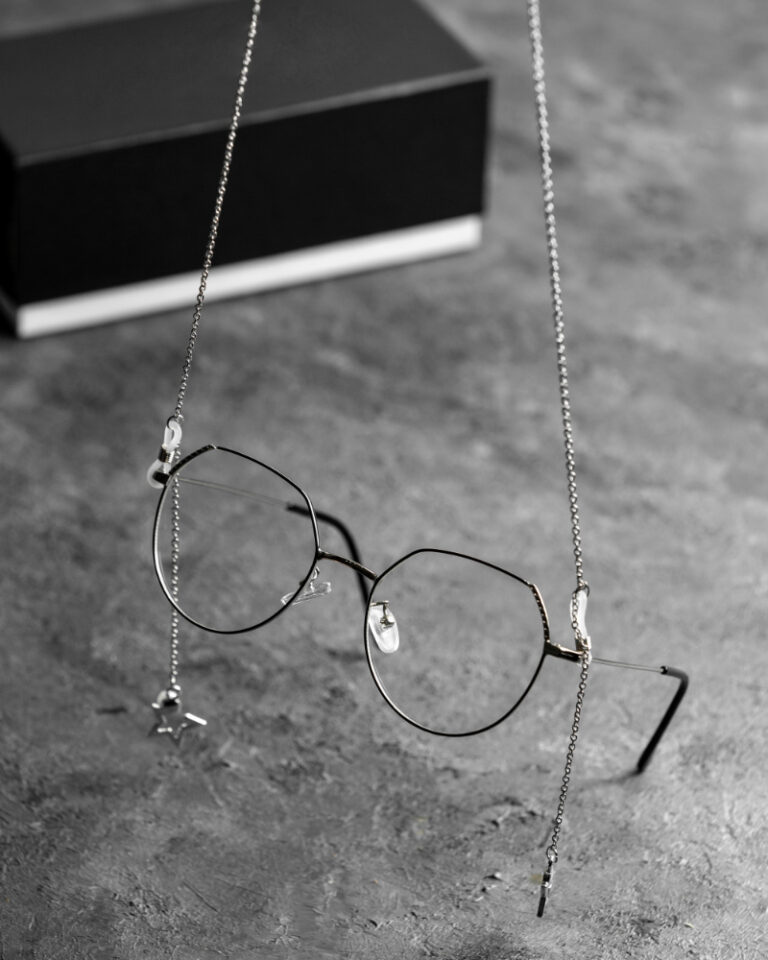
Trends come and go, but there are some things that will never lose their cool. Case in point right here with ZEEOLOL’s metal eyeglasses. From vintage wire rims to those bolder geometric silhouettes, metal frames have stayed effortlessly stylish through every fashion era. They’re the quiet constant that you need in life sometimes. It’s a lot like the eyewear equivalent of a crisp white shirt or perfectly tailored blazer. But what is it that makes them so timeless?

Let’s unpack the appeal of why this is a forever favorite.

The Art of Subtle Sophistication

Metal eyeglasses carry a kind of understated charm that’s really hard to fake. There’s no flash, no fussy messes. It’s just clean lines and refined details that will speak for themselves. Whether you’re into gold, silver, or matte black, they will instantly elevate your daily look with a whisper of elegance.

That minimalism is exactly the reason why they’ve endured for so long. They don’t scream for attention; they earn it through craftsmanship and proportion. Slip on a pair of thin-rimmed aviators or classic rounds, and suddenly your outfit feels more intentional. It’s that effortless, just-woke-up-chic energy we all secretly chase.

Lightweight, Polished, and Practical

There’s also something to be said for how metal frames feel. They’re light, in fact so light that sometimes you forget you’re even wearing them. That’s a game-changer for anyone who spends hours on screens or commutes daily.

Unlike chunkier acetate styles, metal frames sit closer to the skin and blend seamlessly with your facial features. They flatter your face without becoming overwhelming, giving your look a refined edge. And when crafted with adjustable nose pads, they fit like they were made just for you, which, honestly, is really how eyewear should feel.

The modern evolution of best metal frame glasses has only made them better. Today’s designs merge that vintage DNA with sleek, architectural twists. A little retro, a little futuristic, and entirely now.

A Nod to the Past, A Step Toward the Future

Fashion loves to recycle, and metal frames have had a starring role in nearly every comeback. The ‘70s brought us delicate gold rims and Lennon-inspired rounds; the ‘90s revived the wire rectangle; and today’s TikTok generation has fully embraced both.

That’s the beauty of retro glasses, they feel nostalgic yet fresh. Their appeal isn’t just about looking back, but about reinterpreting a timeless design for modern life. Pair them with tailored basics, or mix them with streetwear and sneakers . They always look intentional, never costume-y.

At ZEELOOL, those design cues meet modern craftsmanship, turning classic inspiration into wearable art. Their metal frames balance nostalgia with innovation, making them the kind of pieces that work in every season, literally and stylistically.

Comfort Meets Craft

Another reason metal remains a staple? Function. Lightweight doesn’t have to mean fragile, especially when paired with advanced features like spring hinge glasses.

Spring hinges give metal frames that subtle flexibility you need for everyday life. Bending just enough to handle the realities of taking your glasses on and off (and occasionally dropping them on the desk). It’s small details like this that transform a classic into a modern essential.

They also make adjusting easier. Whether you’re fine-tuning the temple arms or tweaking the bridge fit, metal frames are wonderfully adaptable. And when a design looks this polished and feels this good? That’s what we call a win-win.

Designer Energy Without the Drama

Metal eyewear has long been a favorite among designers for one reason: it exudes sophistication. Metal designer eyeglasses walk that fine line between intellectual and fashion-forward with the kind of accessory that completes your look without overshadowing it.

They pair beautifully with sharp tailoring, clean silhouettes, and minimalist aesthetics. But they also add contrast when worn with denim or oversized knits. In other words, they play well with everything, which might explain why celebrities, stylists, and editors keep them in heavy rotation.

At ZEELOOL, the collection channels the same designer energy without the sky-high price tag. Every frame feels thoughtful, expressive, and easy to wear. Exactly what you should want from a “forever” pair of eyeglasses.

The Final Word

Metal eyeglasses are definite proof that sometimes, less really is more when it comes to finding the right style accessories. Their streamlined design, lightweight comfort, and timeless appeal make them a natural staple for anyone’s collection. You can wear them just about anywhere. They’re so versatile, being professional enough for the office, stylish enough for a night out, and just straight-up adaptable enough for everyday wear.

And in a world where trends change faster than we can refresh our social feeds, it’s a comforting relief to know some things never go out of style.

With ZEELOOL’s latest metal eyewear collection, that timeless charm gets a fresh new 2025 update. They are expertly refined, durable, and designed to last for a long time. So, whether you’re drawn to retro-inspired shapes or the more crisp modern lines, there’s certainly a pair waiting out there to become your new instant classic.

Because when it comes to eyewear that stands the test of time, the metal ones always wins out.

Bill Callahan Shares Video for New Song ‘Lonely City’

Bill Callahan has shared previewed his upcoming album My Days of 58 with a new single called ‘Lonely City’. The city in question is New York, and the accompanying video is made up of photographs compiled by the street photographer Daniel Arnold from 15 years’ worth of his own work. There’s something both haunting and warmly casual about the song’s personification of a place that seems to have its own beating heart. Check it out below.

In a statement, Callahan said:

‘Lonely City’ is a song I’ve been meaning to write for decades. It has been inside me that long. I tend to focus my writing on humans and the spirit within. So writing about concrete and steel felt like a no go. Like I’m going to write a song about a car next?

But of course cities are made by humans so they are human, too.

You have a relationship with them, like friends.

You get mad at them when you get a parking ticket, you love them when they offer you a nice meal.

It’s a song acknowledging all this.

My Days of 58 is set to arrive on February 27 via Drag City. The follow-up to 2022’s YTI⅃AƎЯ was led by the single ‘The Man I’m Supposed to Be’.

Photographer Spotlight: Angela Ledyard

Born and raised in Cleveland, Ohio, Angela Ledyard’s journey into photography began in childhood, inspired by her grandparents’ passion for capturing life’s moments. She vividly recalls asking her grandfather to teach her how to use his camera—an experience that ignited a lifelong love for photography.

Over the years, Angela has explored a range of photographic genres, from portraits to weddings, yet her heart has always been drawn to the natural world. “To truly understand nature, there must be a connection,” Angela shares. “I love being outdoors. How else can you truly appreciate nature? Being outside brings me peace, joy, and a sense of presence.”

Today, Angela is an accomplished outdoor photographer specializing in nature, landscapes, birds, and wildlife. Her work has taken her across the United States—including Alaska and Puerto Rico—as well as internationally to Canada, Mexico, Peru, Costa Rica, and Spain. Most recently, she completed a 27-day solo road trip spanning 3,644 miles, focused on landscape and nature photography. Her passion for the outdoors extends beyond photography and into her daily life as a hiker, yogi, traveller, cyclist, and kayaker.

How did your journey into photography begin, and what were your early inspirations?

My journey into photography began in childhood, inspired by my grandparents’ love for documenting everyday life. My grandfather enjoyed photographing my grandmother. One day, I asked him to show me how to take her picture. That moment sparked not only my love for photography, but also an early understanding that images hold memory, connection, and responsibility—something that continues to guide how I photograph the world today.

What’s something you wish more people understood about photography?

I wish more people understood that photography is deeply personal and carries responsibility. It’s the photographer using the camera as a medium to capture what draws their attention and shapes their perspective. Social media “likes” shouldn’t dictate a photographer’s style or creative direction. Photography is an art form, and when everyone chases the same visual trends, we lose authenticity—and with it, meaningful storytelling. Individual perspectives matter, especially when images have the power to influence how people see, value, and protect the world around them.

Earlier in your career you captured milestone events like graduations and weddings. What was that experience like, and what did you enjoy most about it? 

Those experiences were fast-paced, challenging, and extremely demanding. I often had to navigate crowded spaces and compete with guests to capture meaningful moments. What I enjoyed most was seeing clients reconnect with meaningful moments through their images, reinforcing how photography can preserve experiences long after they’ve passed.

You call yourself a ‘hiketographer’, and your current work often focuses on nature, landscapes and wildlife. Why do you find natural environments so inspirational?

Nature is one of the most powerful teachers. No two moments outdoors are ever the same—light shifts, weather patterns change, and even the smallest details in a landscape or ecosystem evolve constantly. The more time I spend outside, the more I recognize how fragile and interconnected everything is.

Wildlife photography, in particular, reinforces the importance of respect and conservation. Wildlife is unpredictable and should never be treated as entertainment or something meant to accommodate human presence. Animals are not Disney characters. Observing from a distance, minimising disruption, and allowing wildlife to exist on its own terms is essential. Those moments—when nature unfolds without interference—are what inspire me and reinforce why conservation and ethical photography practices matter.  

Your photos help viewers connect intimately with species they may know little about—whether humpback whales, black bears, or crane flies. What do you hope people come to understand more deeply about other species through your work?

I hope my work encourages curiosity and deeper understanding. An image can spark interest, but learning about a species—its behavior, habitat, and challenges—is where real connection begins. Many species are experiencing population declines due to environmental changes and human impact, often unnoticed or misunderstood. By creating space for awareness, I hope viewers begin to see wildlife not as subjects to consume, but as living beings deserving of respect, protection, and thoughtful coexistence.

As the co-founder of Black Female Landscape and Nature Photographers, what impact do you hope your community work will have on the wider photography world?

I hope my community work broadens representation and reshapes narratives within outdoor photography. Black women do exist behind the lens in this genre, and our perspectives matter. By creating visibility, support, and shared knowledge, the goal is not only inclusion but long-term impact. By creating visibility, support, and opportunity, I want to challenge long-standing narratives and expand who is seen, valued, and celebrated in this genre.

Who Runs The Brand? Heron Preston Does. Finally.

0

Guess who decided to come back and save that good old streetwear of the late 2010s from its mid-twenties crisis? Heron Preston, the man who made orange patches the style badge of honor. After years of watching his label get swallowed by corporate fashion, the designer has officially reclaimed his name, his vision, and apparently, his sanity. To be honest, it feels like a correction rather than a comeback, and if this new chapter is anything like the last time he shook the table, you better bet your bomber jacket, we’re in for a ride.

When I think of peak luxury streetwear Preston is definitely at the top of the list, right there with Virgil Abloh, Kanye West, and Matthew Williams. Could be the literal NYC Department of Sanitation passing him the uniform torch, the safety orange fixation that blinded half the industry, the post-Soviet “СТИЛЬ” tag everyone suddenly googled Russian for, or the NASA logo-slapping era (basically the streetwear equivalent of the Brandy Melville alien obsession). In translation, whatever the formula was, Preston had it down.

But impact goes beyond graphics and patches, sadly no shade of orange can make you this important. Preston framed utility, institutions, and workwear as luxury. He helped turn industrial aesthetics into status symbols, pushed streetwear into its golden era with buzzing social media feeds and destination concept stores, and shaped a visual language that had both your favorite fast-fashion and high-fashion labels spending years playing catch-up.

But towards the end of the golden 2010s, streetwear started dressing in suits. Virgil carried the Off-White mindset straight into Louis Vuitton’s menswear, Supreme sold to VF Corp, and Preston closed the deal with New Guards Group, the Italian fashion holding company behind Off-White, Ambush and Palm Angels. Names like these would later fight to reclaim their brands, just like Preston did this year. “I have been through hell to protect what I have built. I fought for my name, my work and my vision. Now I am back with more purpose than ever.” he told BoF.

And boy, what a pleasure it must be to reshape a brand that finally answers to its creator, and not a boardroom. Early signs point to something more grown-up, a more intentional vision, sustainably grounded in culture. Turns out, creative control was the real luxury all along. Less about rewriting history, more about getting the future right.

Top 2025 Fashion Moments My Therapist Knows About (Had to Be Said)

0

2025 was the year for fashion talks, a nonstop parade of moments too good to scroll past. Some we screenshot, some we moodboard, and some even made it into therapy convo, don’t judge, I was overwhelmed. So let’s break down everything Mrs. Smith now learned and appreciated.

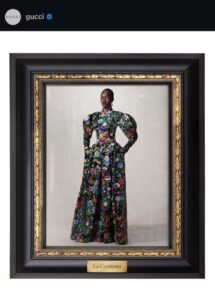
"La Contessa" look from Gucci SS26
@gucci via Instagram

Best Designer Musical Chairs Performance

Demna Gvasalia dumping Balenciaga for Gucci

What a breakup. Luxury couples called it quits all year, but this one had us slack-jawed, half the industry swore on Balenciaga being Demna’s forever home, yet here he goes. His Gucci SS26 debut was “a study of the Gucciness of Gucci”. Legacy was respected and expertly broken, don’t worry though, no heritage was harmed in the making. “The collection named La Famiglia marks Gucci’s return to storytelling, going back to the future by way of the past” the press release went on to say.

Sure, the archives led the way, but that only proved Demna’s flexibility. Prints and silhouettes were clearly pointing to the Tom Ford and Alessandro Michele eras but the Gen Z-ification and storytelling had Gvasalia written all over it. La Famiglia lives in archetypes, La Bomba, Narcisista, Introverso, L’Influencer, Miss Aperitivo, Nerd… should I continue or have you already found your spirit character? For the record, La Contessa’s granny floral dress is framed in my office, highly recommended. Legendary, heavyweight designers who honored tradition had spare keys to the house of Gucci for so long, maybe all we needed was a designer who is fluent in the present, ready to break in. If you catch me holding a window open, mind your business, I’m curious to see where all of this takes us.

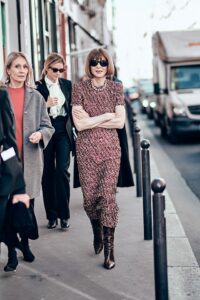
Anna Wintour at Paris Fashion Week Autumn/Winter 2019
© 2019 Myles Kalus Anak Jihem via Wikimedia Commons – Licensed under CC BY-SA 4.0  – View original image

Most Unexpected Suit-and-Tie Shockwave

Anna Wintour stepping down as American Vogue’s Editor-in-Chief

The woman behind Vogue’s past 37 years and the blackest of black sunglasses in history still serves as Vogue’s global editorial director and Condé Nast’s global chief content officer, but indeed scaled back her duties from the US edition. “Anybody in a creative field knows how essential it is never to stop growing in one’s work. Now, I find that my greatest pleasure is helping the next generation of impassioned editors storm the field with their own ideas.” Wintour told Vogue.

Love her or loathe her, she rewired fashion, September Issue, Met Gala, editorial vision, power-move publishing, spotlighting new talent, okay I think I’m going to pause here because my fingers are kind of cramping, but the woman basically made the industry appreciate the art stitched into seams. So yes, the throne was empty for a moment there, until Chloe Malle found the seat comfortable enough. A woman that openly admitted that fashion isn’t one of her main interests, oh boy.

Look from the Maison Margiela Couture 25 collection by Glenn Martens
@glennmartens via Instagram

Show That Cleared My Skin

Maison Margiela Couture 25 by Glenn Martens

The house of Margiela really went from Martin to Martens, Belgium’s keeping it within borders apparently. Stepping into the legacy of Martin Margiela and John Galliano, arguably the most theatrical couturier alive, is not for the faint of heart. But Glenn Martens found his footing, all by respecting and pulling inspiration from the scary question of “could anyone really follow this tradition?”.

The show was a fever dream in the best way, peeling walls, Flemish leather wallpaper, antique drapes, paper experiments, photocopies, hand-painting, junk jewelry, tulle feathers, wings, flowers, honestly, if it existed, it walked, but one thing it refused to have was faces, ring any bells? “Anonymity is very important to me, it balances me” said once Martin Margiela, Martens took that memo home and framed it. References to the past kept popping up throughout the line-up like little Margiela jump-scares, triggering collective nostalgia in the room. But Martens’ vision stood so firmly on its feet it could’ve walked the runway without a rehearsal, basically shoving us into the future whether we were ready to let go of such a past or not. And look… fashion hasn’t made me feel anything genuine in a long time (I thought my emotional range was archival coat prices vs. showroom small-talk survival). But Martens actually brought tears to my eyes. Real ones, not the “someone just raised the price of a Chloé Paddington” kind.

Vetements SS26 finale with Anok Yai as a mourning bride
@vetements_official via Instagram

Runway Moment Still Sitting In My Camera Roll

Anok Yai returning to Vetements as a mourning bride

Anok Yai, Model of the Year, did the full Vetements cinematic universe, SS25 runaway bride, SS26 mourning bride, consistency is a talent. For SS25, Guram Gvasalia’s plan was an elegant walk, a dramatic pause, and a group bow to tie it all together. But Anok barely had time to test the dress, forgot to ask for higher heels, and one snag later the entire walk derailed. She dropped the grace, grabbed the dress, switched into “defiant bride,” and kept moving. By the time she saw the cameras, her brain had one tab open, and that was “run”. Backstage meltdown, apology, chaos. Guram? “How did you think of that?!”. Of course he loved it, everyone was sold, the Internet basically treated it like performance art.

For SS26 Guram’s vision was finding the beauty pulled from the chaos of turmoil, conflict, and global division, a story Anok knew too well. So the plan changed again. The white wedding finale felt wrong in a world this heavy, so Anok was asked to close and channel drama again, in her assigned black wedding dress. She was already one of the very few that knew Guram’s father had suffered a heart attack the day before and would be in surgery during the show. “I was shocked by his strength,” she said. “But there was a point where I think I stopped using my own grief and started expressing the emotions Guram couldn’t show publicly. His sadness, his worry, his hope. My tears came from that shared understanding…” But messaging doesn’t cut it, this was storycraft, a Gvasalia signature.

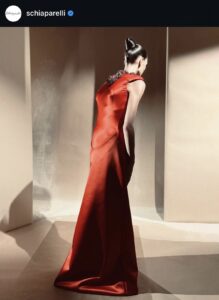
Schiaparelli's beating heart by Daniel Roseberry, Haute Couture F/W26
@schiaparelli via Instagram

Runway Piece That Made Me Gasp Out Loud

Daniel Roseberry’s beating heart for Schiaparelli

Few designers pour themselves into a house like Roseberry does, the brand’s identity today owes him plenty. But in his Fall 25 Couture collection he really outdid himself. The collection did its job, but it was one look in particular that still kindly refuses to leave my mind.

An organ-shaped heart crusted in red rhinestones, stuck on a fake décolletage, pulsing like it had somewhere else to be, I was left with no words, and that doesn’t happen very often (sorry can’t help it). It’s Salvador Dali’s imagination paying homage to his “Royal Heart” art piece, a muse Elsa Schiaparelli was famously inspired by, Roseberry sure knows how to carry on tradition. The necklace was sitting on top, dare I say on the back of a red satin dress in the shape of a torso, stomach, breasts, and all. For a second, I genuinely thought the model’s head was attached the wrong way and started running scenarios. Update, none of them make sense. It flirts with your disbelief and still makes your heart stop, yet its own doesn’t. Neither does the house’s, as long as it’s in Roseberry’s hands. And it takes a good pair of hands to prove that fashion and art aren’t separate worlds, the right one will make breathing art, maybe even beating.

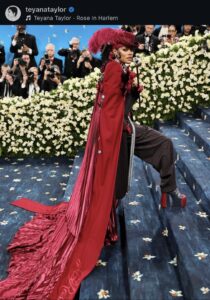
Teyana Taylor at the 2025 Met Gala dressed by Ruth E. Carter
@teyanataylor via Instagram

Look I’m Still Not Over

Teyana Taylor’s Met Gala edit

This year’s Met Gala had the theme “Superfine: Tailoring Black Style” and Taylor had all eyes on her, that was collectively agreed upon the fashion industry. The creative paired up with costume designer Ruth E. Carter and I’d put money on both of them already having next year’s invitations tucked in their pockets.

“As we embarked on our journey in this country, we were stripped of everything, a lot of times the only thing you had was to show it on your body.”, “The Met is Teyana Taylor’d to you, it’s the moment we were waiting on.” the creatives shared with Vogue. And so was the three-piece suit, the floor-grazing coat with impossibly bold structured shoulders, the even longer cape on top of it, the feathered hat and silk durag beneath it, and those terrifying-level high platform boots she wore. The appearance was as extra as needed, think David Yurman crystals, leather gloves, pants-hanging chains, brooches, flowers, and embroidery spelling out “Rose of Harlem” across the cape. She successfully brought dandy style to that carpet and suddenly the room remembered whose elegance sets the standard, black culture has always written the rules of cool.

2025, you were a runway of surprises, from designer break-ups to couture heartbeats. But you reminded me why I love this world so much. Luxury has its chaos, and chaos has its beauty. Here’s to 2026, may it be just as dramatic and just as bold. And may my camera roll survive it all.

The paradox of digital nostalgia: Gen Z’s obsession with archival aesthetics

We’re living in a moment in which fashion seems to have stopped looking ahead and has turned instead towards reclaiming a very recent past. For Gen Z – those born between the late 1990s and early 2000s – this phenomenon takes the form of a very particular nostalgia for an era they didn’t experience as adults. It’s not simply a matter of buying second-hand clothes at markets, but rather a deliberate search for the stripped-back minimalism that defined the 1990-2000 decade.

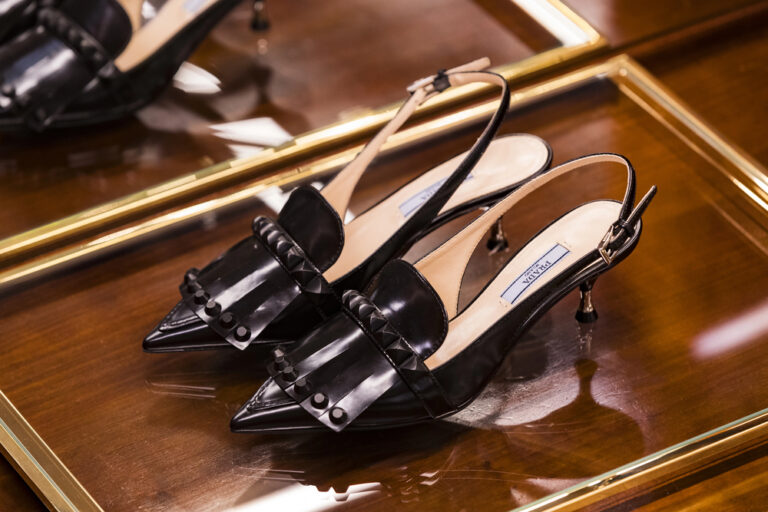
This return to visual order is a direct response to the visual chaos of social media and to the saturation of colours and logos that dominated the previous years. Today’s young consumers study past collections as though they were history books, hunting for pieces with intrinsic value and a recognisable design language. In this climate of rediscovery, iconic objects such as Prada shoes for women, in both brushed leather and nylon, have become genuine cult items, as they perfectly encapsulate the balance between utility and intellectual luxury that lies at the core of this aesthetic movement.

Rejecting hyper-consumerism and the search for authenticity

This trend is rooted in a profound shift in the mindset of younger consumers, who are increasingly rejecting the fast-fashion model. Wearing an archive piece is a precise statement against uniformity, favouring the craftsmanship and construction quality of twenty years ago over today’s mass-produced clothing.

There’s a tangible desire to own objects with a traceable history and provenance, turning shopping into an activity closer to art collecting. The search for a unique piece becomes more rewarding than mere ownership, giving the wearer a certain connoisseur’s status.

The ‘Ugly Chic’ aesthetic as s form of quiet rebellion

Another crucial aspect of this revival is the re-evaluation of beauty itself, moving away from traditional standards and embracing more conceptual and sometimes deliberately awkward forms. Nineties minimalism wasn’t designed to seduce: it was meant to communicate intelligence, power and independence.

Gen Z has embraced this philosophy, often described as ‘Ugly Chic’ because it allows them to express their identity without conforming to unattainable or hyper-sexualised aesthetics standards. Clean lines, neutral colours such as grey, black and brown and androgynous cuts create a kind of urban uniform that both protects and reassures. It’s a style that prioritises functionality and comfort without ever sacrificing elegance, resulting in a versatile wardrobe that works effortlessly in real life, not just on social media.

Social media and democratisation of fashion history

The driving force behind this rediscovery is without no doubt technology, which paradoxically fuels nostalgia for a pre-digital world. Social media have become giant visual archives where expert creators break down historic runways, analyse fabrics and teach viewers how to recognise original labels from different eras.

Knowledge of fashion history, once reserved for industry insiders or academics, is known accessible to anyone with a smartphone. Videos showing how to a style a vintage blazer or restore an archive handbag attract millions of views, educating a new generation on the importance of preservation. This constant exchange of information has transformed archive fashion from a niche interest for a select few into a global pop phenomenon, proving that young people are not merely passive consumers but active archivists who are rewriting the rules of contemporary luxury through the lens of the past.