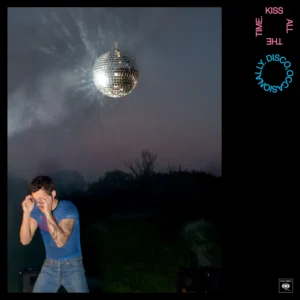
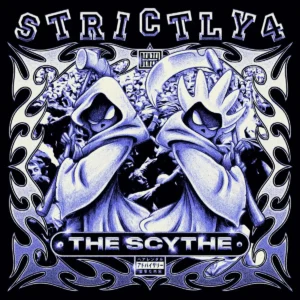
In this segment, we showcase the most notable albums out each week. Here are the albums out on December 19, 2025:
Theo Bleak, Bargaining

Kaitlyn Aurelia Smith, Thoughts on the Future

Ekin Fil, Bora Boreas

Davide Cedolin, Ligurian Pastoral Vol.II

In this segment, we showcase the most notable albums out each week. Here are the albums out on December 19, 2025:


Kali Uchis has unveiled a song, ‘Muévelo’. Dating back to the singer’s ORQUÍDEAS era, the track has been making the rounds on social media after being partially leaked. Check it out below.
Kali Uchis released her most recent album, Sincerely,, back in May, and recently expanded it with the deluxe version Sincerely: P.S..
The stability of competitive events – including sports – has been part of our culture for thousands of years. From ancient wrestling arenas to current-day sports stadiums, competitive events do more than entertain us. Competitive events shape our identities, defining who we are as people.
With Iran’s long-standing tradition of athletics, sports act as the common thread that unites a country’s past cultural values and the country’s rapidly expanding digital and economic futures.
This article will examine how competitive events can be used as a “Social Adhesive” to unite a country’s identity through economics and increasingly growing digital media.
Today, being a sports fan means being online. Support for teams is expressed through social media, streaming, and digital communities. However, access to global sports markets can sometimes be complex due to regional restrictions or technology gaps.
This creates a unique digital behavior. Fans constantly search for gateways to participate in the global action. It is common to see search trends for streaming services or even a betting site (Persian: دانلود سایت شرط بندی) appearing in data analytics. This does not necessarily reflect a shift in values, but rather a desire to bypass barriers and access the full spectrum of international sports entertainment.
Key elements connecting sports to identity:
Competitive events have always been a shared language across cultures; they have always provided a framework or way to express value systems that include order, teamwork, persistence, and following rules. Most traditional sports developed from local customs and conditions of where the athletes competed. Sport is therefore an archive of the culture in which it was created rather than a source of mere diversion.
There are many ways that athletic activities develop alongside local festivals, holidays, and/or seasonal rhythms. Examples of this are the various types of wrestling found throughout Central Asia, the martial arts of East Asia, and the endurance sports of arid climates. Today, these cultural influences continue to exist through national teams and local clubs. These are representations of the collective memories and continuities of a community.
Large-scale international sporting competitions also create unique and temporary moments of communal identity amongst individuals who would normally never come into contact with each other, and create opportunities for individuals to take part in communal rituals, invest in a shared emotional experience, and be focused on a singular event, regardless of whether there is a shared ideological system.
Sports are a massive economic engine. They create jobs in coaching, media, and infrastructure. But the money isn’t just in ticket sales; it is in the ecosystem surrounding the game.
Global broadcasting brings international brands into local living rooms. This has changed how fans interact with companies. Sponsorships on jerseys and digital boards introduce new names to the market. Consequently, user interest in downloading specific applications, such as MelBet (Persian: MelBet دانلود), often spikes during major tournaments. This reflects the power of global marketing: fans engage with the brands they see supporting their favorite teams and athletes.
Advancements in media and technology have transformed how sports are produced, consumed, and analyzed. Live broadcasting, performance analytics, and digital fan communities have expanded the reach of local competitions to global audiences. This shift has also changed how athletes are trained and evaluated, with data-driven approaches now standard in many disciplines.
Digital platforms have blurred the line between sports content and broader entertainment ecosystems. Mentions of applications or services often appear in discussions about access to international competitions, reflecting user interest in centralized digital hubs rather than altering the cultural meaning of sports themselves. These references highlight how technological infrastructure shapes sports consumption patterns without redefining the underlying social role of athletics.
Globalization has also increased cross-cultural exchange, allowing playing styles, training methods, and fan cultures to circulate rapidly across borders.
Beyond economics, sports remain a vital educational tool. For young people, joining a team is often their first lesson in accountability and teamwork.
In urban areas, sports programs offer a constructive outlet, keeping youth engaged and focused on self-improvement. Whether it is a local football academy or a wrestling gym, these spaces provide mentorship and stability. They teach that success comes from hard work–a lesson that applies to education and careers as much as it does to the field.
The relationship between sports and public health is well documented. Regular physical activity reduces the risk of chronic disease, supports mental health, and lowers long-term healthcare costs. Governments frequently incorporate sports initiatives into national health strategies, particularly in urban areas where sedentary lifestyles are prevalent.
Public campaigns promoting recreational sports have proven effective when combined with accessible infrastructure such as parks, community centers, and school facilities. In regions with limited resources, informal sports spaces often fulfill similar roles, reinforcing the adaptability of athletic culture.
From a policy perspective, sports also serve as a preventive tool. Investment in community sports correlates with reduced youth delinquency and improved social cohesion, making athletics a cost-effective complement to social services.
Sports have increasingly become a space for negotiating gender roles and social inclusion. While historically dominated by men, many sports institutions now actively promote women’s participation and visibility. Progress remains uneven across regions, but international competitions and media coverage have accelerated normalization of women’s sports.
Adaptive and inclusive sports programs have also expanded opportunities for people with disabilities, reframing athletic achievement around capability rather than limitation. These developments contribute to broader social narratives about equality and representation, positioning sports as a practical arena for inclusion rather than abstract policy debate.
Importantly, changes in sports culture often precede wider social acceptance, making athletics an early indicator of shifting norms.
Sports represent an unofficial or “soft” diplomatic outlet through which social interactions are fostered among nations, regardless of whether there are political conflicts present between those nations. When international competitions take place, these events serve as a platform for cross-cultural communication in addition to providing a “neutral space” where countries can interact without conflict or political issues being present. The athletes representing their country at such international events also help to create a personal connection between an individual from one nation and another individual from another nation by allowing both individuals to identify with each other’s national interests as well as common goals.
There have been many historical examples of the use of international competitions to promote dialogue between nations, reduce tensions between nations, and, at times, to demonstrate a political change within a nation. It is important to note that sports will never replace traditional diplomacy; however, due to their ability to convey symbolic messages that resonate with larger audiences, sports can be used to convey messages that are consistent with the intent of official government statements, albeit in a way that reaches a wider audience.
While rules may change, technology will improve, and new innovations will emerge, the fundamental desire of humans to participate in competition and connect with others is unchanged. As digital technologies become increasingly prevalent and easy to access (such as live streaming on various platforms and applications that specialize in sports), the distance between local fans and global events continues to decrease. This trend supports the continued development of a global sport tradition that will remain alive for future generations.
Prague remains Europe’s most reliable stag-weekend playground—affordable, compact, and packed with experiences you simply can’t stack in most capitals. Return flights stay budget-friendly, and once you land, half-litres of unpasteurised Pilsner still hover around $3, making it easy to keep the whole crew fuelled. The historic centre is walkable, so you can bounce from riverside beer gardens to cocktail dens to mega-clubs without losing the groom or blowing cash on taxis.
What gives Prague its edge is variety: AK-47 ranges, Cold War tank driving, beer bikes, medieval feasts, beer spas, river cruises, and nightlife that runs until dawn. Even with the city’s post-2024 rules limiting organised pub crawls after 10 pm, privately booked activities remain 100% stag-friendly. With a local fixer handling logistics, you get smooth schedules, insider-only venues, and stress-free group management.
In short: easy to reach, cheap to enjoy, and impossible to forget—Prague delivers the kind of send-off every groom deserves.
Below are ten battle-tested ideas that guarantee the groom a send-off he’ll never forget.
Pulling off a seamless stag weekend in Prague is much easier when a local fixer handles the hotel logistics and every other moving part for you.
Because they live here, the planners know which clubs still welcome large groups, which shooting ranges confirm bookings, and which apartments won’t flinch at the word party. That insider clout secures group-rate discounts, queue jumps, and zero language hiccups.
With stag-weekend operators like Prague Stag Fun, individual activity modules cost $74–$207 per person, while a two-night package with central lodging and airport transfers typically starts around $175 a head, less than many of us burn on drinks back home.
The real win is flexibility. If rain floods the paintball field or a flight lands late, your fixer simply reshuffles the timetable or swaps in a karaoke-strip mash-up. You pour the groom’s first pint; they quietly run mission control behind the scenes.
Mud Wrestling, first staged in 2011, is the city’s original private stag spectacle. Picture the groom, blindfolded, guided into a hidden ring while music pounds and towels wait. Two seasoned Czech wrestlers grin, ready for mischief.
When the blindfold drops, chaos turns comic. The pros flip, pin, and taunt the bachelor as the squad howls from ringside. Volunteers can tag in, the referee keeps it safe, and hot showers stand by. If you want it turnkey, book through a dedicated mud-wrestling operator like Prague Mud Wrestling, which runs private, timed stag shows with venue exclusivity and a post-show clean-up.
Every booking covers round-trip transport, a welcome beer, 45 minutes of ring time, and full venue privacy. Clips hit the group chat before the mud dries, morale spikes, and the night’s legend is locked in.
A beer bike is a roaming pub on wheels. Ten to fifteen stools circle a bar counter, the crew pedals, and a sober skipper steers. Prague’s oldest operator lists $380 for a 90-minute ride with unlimited Pilsner Urquell for up to 15 guests, which works out to about $26 per person with a full crew.
The circuit follows riverfront paths and wide avenues for postcard views of Prague Castle while avoiding tram tracks. A 30-litre keg (roughly 60 pints) keeps legs moving and playlists pumping through the onboard speaker.
Expect to finish sun-kissed, lightly buzzed, and ready for the next adventure.
Kick a hangover with pure adrenaline. Start with 25 live rounds at a licensed indoor range, then climb into an ex-Soviet BVP for a 30-minute tank drive.
Plan four to five hours door-to-door. Ranges require sobriety, so book a late-morning slot before the nightlife marathon. After the last trigger pull, enjoy a cold beer while watching slow-motion footage of the groom grinning under a tank helmet. Mud splatters, ringing ears, brag-worthy clips—mission complete.
According to Praga Arena, Central Europe’s longest indoor–outdoor kart circuit measures 934 metres. A stag-friendly “Grand Prix” package of practice, qualifying, ten-lap final costs from $37 per driver in 2025 and includes a helmet, balaclava, and printed lap times. Karts hit 70 km/h, and a podium ceremony supplies instant bragging rights.
Prefer trigger fingers to steering wheels? Travel 25 minutes north to Paintball Milovice, a former army base packed with woodland forts and inflatable speedball bunkers. Standard entry starts at $26 for 200 paintballs, mask, and marker; extra ammo runs roughly $11 per 100. Scenarios range from capture-the-flag to “protect the VIP,” usually the groom.
Both venues can arrange return minibuses for about $9 per person when booked through a stag operator. Schedule the action around 2 pm: the rush blasts away lingering hangovers while leaving plenty of energy for the night ahead. Win or lose, the post-game banter fuels the next round of beers.
A DIY bar hop means designing your own route while respecting Prague’s 10 pm crawl rules. No loud guides, no fines, just free exploration.
Begin at 6 pm before crowds surge. First pint: U Zlatého Tygra, a 19th-century hall still pouring unpasteurised Pilsner for about $2.4 per half-litre. After two rounds, walk 200 metres to Lokál Dlouhá for a fresh-tank lager and a schnitzel big enough to share.
Shift to cocktails at Hemingway Bar, listed among Time Out’s top nightlife spots, where absinthe signatures run $12–$16 each. If the queue stretches, detour to Anonymous Bar for spy-themed drinks served under Guy Fawkes masks.
Three stops, two beers, and one cocktail total around $33–$37 per person, including a 10% cash tip. By 10 pm, you have tasted heritage, craft, and mixology, wallets stay intact, and the crew is primed for part 2: a VIP table at a mega-club.
A VIP table bundle includes entry, queue-skip, and a private booth for one prepaid fee. According to Karlovy Lázně, packages start around $65 per person on regular weekends. The price covers at least one 0.7-litre spirit, mixers, cloakroom, and fast-track security.
With eight friends, a $520 table equals about $65 each—less than buying single drinks all night and far smoother than guarding jackets on the dance floor. Dress smart-casual: clean sneakers pass, gym shorts fail. Leave oversized props at the hotel, since City Hall now fines stag groups for street-level nuisance.
DJs usually peak near 3 a.m. When the bottle empties, grab a klobása sausage on Wenceslas Square or a late-night kebab near Můstek, then book an Uber back to base with ears buzzing and zero queue scars.
A medieval-tavern experience in Prague blends five hearty courses with unlimited beer and wine, plus a two-hour parade of fire breathers, sword fights, and belly dancers. The flagship venue, Tavern U Pavouka in Old Town, offers evening tickets from $70 for the full feast and free-flow drinks.
Unlimited drinks for two hours leave everyone full, cheerful, and armed with medieval-themed inside jokes—yet the cost still beats many á-la-carte dinners back home.
A beer spa is exactly what it sounds like: an oak whirlpool filled with warm water, brewer’s yeast, hops, and malt, where guests pour unlimited lager while soaking. Beer Spa Bernard offers a 60-minute private room for two at $130 total (≈$65 each), which includes towels, sheets, and a loaf of beer bread.
The liquid feels like a silky jacuzzi and smells of fresh dough. Spend 20 minutes in the tub, 20 on a heated stone bed, and another 20 for changing to leave shoulders loose and minds clear. Larger crews may reserve adjacent rooms; weekend slots often sell out months ahead.
Guests step outside scented like malt cookies and feeling human again, ready to tackle the final night’s mischief.
A private Vltava party cruise delivers a one-hour open bar and postcard views of Prague’s skyline while your playlist pumps over deck speakers. Trusted operators quote $500 for 60 minutes with unlimited beer, wine, and soft drinks for up to 11 guests—about $60 each (GetYourGuide “Prague Private Boat Party Cruise,” 2025). The skipper greets the group at pier 3 under Čech Bridge, glides past Charles Bridge, then turns before the locks, so selfie angles with Prague Castle come easy.
The skipper greets the group at pier 3 under Čech Bridge, glides past Charles Bridge, then turns before the locks, so selfie angles with Prague Castle come easy. Boats include indoor lounges and an open bow; on warm nights, everyone gathers outside under floodlit monuments.
Want an upgrade? Add a live DJ set ($130), extend to a two-hour sunset slot, or book a surprise “sailor” strip show to transform the deck into a floating VIP room. Covered cabins remove weather worries, and BYO snacks are welcome.
Plan the cruise as a 7 pm warm-up or a Sunday send-off before the airport run. The bachelor steps ashore beaming: land, underground, and river conquered.
Prague earns its reputation by delivering stag weekends that balance chaos with comfort—budget-friendly drinks, adrenaline hits, late-night energy, and logistics that actually work. Whether you’re firing AK-47s, soaking in a beer spa, or cruising the Vltava at sunset, every idea here is proven to spark stories the groom won’t forget. Plan smart, book early, and let Prague’s mix of history, nightlife, and wild creativity send the bachelor off in style.
Sneakers at work used to be unthinkable. Today, they can look sharp, modern, and professional in the right setting. Even style-conscious names like Vikki Nicolai La Crosse prove that comfort and polish can go together.
Workplaces have become more relaxed in the last decade. Tech companies, startups, and creative agencies made hoodies and sneakers feel normal at the office. Remote work also blurred the line between home clothes and office clothes.
Many people now expect comfort as a basic part of their workday. Long commutes, standing desks, and walking meetings make stiff shoes less appealing. Sneakers feel better on your feet and can help prevent pain and strain.
There is also a culture shift around self-expression. You are no longer expected to hide your personal style from nine to five. Tasteful sneakers can show personality without breaking the office dress code.
Before you wear sneakers at work, you need to understand your office dress code. Some companies are still formal, while others are business casual or fully casual. Each level has different rules and expectations.
A formal office often means suits, ties, dress shirts, and classic dress shoes. Think law firms, traditional banks, and some corporate headquarters. In these places, sneakers at work are usually a dress-code disaster.
Business casual is the middle ground. You might see chinos, button-downs, blouses, and loafers. Here, work-appropriate sneakers may be allowed if they look polished and subtle.
A casual office is the most flexible. Jeans, simple tees, and sneakers are everyday. Even then, there can still be a line between neat and sloppy.
To read the room, pay attention to what managers and senior leaders wear. Notice what people choose on days with clients or important visitors. If nobody wears sneakers on those days, that is a clear warning sign.
Not all sneakers at work send the same message. Work-appropriate sneakers are clean, simple, and low-key. They should blend in with your outfit, not steal the spotlight.
Color matters a lot. Neutral shades like white, black, navy, gray, and beige look more professional. Bright neon, wild prints, and glowing soles feel more like the gym or a festival.
Shape and material are also important. Sleek, low-top sneakers in leather or high-quality faux leather read more like dress shoes. Bulky running shoes or mesh trainers look casual and sporty.
Condition may be the biggest test of all. Even a stylish pair can look wrong if it is dirty, ripped, or worn down. If you would be embarrassed for a client to see the soles or toes, they are not work-ready.
Minimal leather low-tops are a safe bet in most business-casual settings. Think clean lines, flat soles, and no giant logos. They pair easily with trousers, dark jeans, or a simple midi skirt.
Sleek monochrome sneakers also work well. When the upper, laces, and sole are all the same color, the shoe looks more refined. A black-on-black or white-on-white sneaker can pass as a modern dress shoe.
Dress-sneaker hybrids are another good option. These shoes mix sneaker comfort with details from dress shoes, like brogue patterns or slim silhouettes. They are made for offices that like comfort but still care about polish.
Loud athletic runners are the first red flag. Bright colors, thick cushioned soles, and bold performance branding shout “gym,” not “meeting.” Save these for workouts, errands, or casual weekends.
Chunky fashion sneakers are another risk. Big platforms, wild shapes, and eye-catching logos pull all the focus. In a relaxed, creative studio they might work, but in most offices, they feel too extreme.
Beat-up or dirty sneakers are never work-appropriate. Scuffed toes, frayed laces, and stained fabric make you look careless. No matter how cool the style is, worn-out shoes send the wrong message.
Even in a relaxed office, sneakers at work are not right for every day. You need to match your shoes to your schedule. Think about who you will see and what impression you need to make.
On regular team days, quiet project work, or long travel days, neat sneakers are usually safe. They help you stay comfortable during walks, commutes, and flights. They also keep your look modern and laid-back without feeling sloppy.
On high-stakes days, sneakers can be risky. If you have an interview, a board presentation, or a first meeting with an important client, dress shoes are a safer choice. When in doubt, aim one step more formal than you think you need.
The right styling can turn simple sneakers into a sharp office look. Start with tailored pieces like slim trousers, pressed chinos, or a structured skirt. Avoid ripped jeans, baggy joggers, or anything that looks like loungewear.
Add a smart top layer. A crisp button-down, a fine-knit sweater, or a blazer elevates the whole outfit. The contrast between dressy clothes and clean sneakers makes the look feel intentional rather than lazy.
Pay attention to small details too. Wear clean, simple socks that do not distract. Keep your sneakers spotless and replace worn laces. Good grooming and a tidy bag or briefcase also help everything look put together.
Victoria Nicolai says fashion is only part of the story. Office politics and culture matter just as much. You do not want your sneakers to signal that you ignore rules or disrespect the workplace.
If you are unsure, ask someone who knows the office dress code well. HR, your manager, or a trusted coworker can give clear advice. You can also start with your most subtle, dressy sneakers and see how people react.
Watch what leaders wear on regular days and on big days. Their choices show you the real standard, not just the written rules. Over time, you will learn how far you can push the line without crossing it.
Sneakers at work can be stylish, smart, and comfortable when you follow a few simple rules. By reading the room, choosing polished styles, and learning from people like Vikki Nicolai La Crosse, you can avoid dress-code drama. With a bit of attention to detail, your sneakers will fit right in with your professional life.
Put Vivienne Westwood’s punk anarchy stitches in the same room as Rei Kawakubo’s avant-garde brain-melting silhouettes and you get a fashion match where the only loser is the one who didn’t book the NGV ticket. It’s everyone’s favorite fashion talk right now, with editors flying across hemispheres, stylists losing all structural integrity and every fashion student pretending they’ve “always been deeply influenced by both designers”.

Vivienne Westwood’s collections never aimed for “proper”. Corsets felt like historical glitches and tartans never really played nice with tradition. Her work with McLaren turned the King’s Road into a political stage where ripped tees, safety pins, and bondage trousers became middle fingers to the British keep-it-polite culture. She claimed them, stamped them with her signature, and dragged them onto runways and the mainstream with the very loud message that fashion is, in fact, a form of cultural protest. In other words, Westwood is a major reason Punk and New Wave didn’t die in dimly lit London basements. If environmental activism became PR-friendly, fabric became a weapon for questioning authority, and subcultures never went back underground, it’s partly because Westwood made it all wearable, bless her, honestly.

Rei Kawakubo has always worked in her own dimension, she didn’t really care about wearability either, she was too busy reshaping the idea of the body itself. Her silhouettes at Comme des Garçons turned clothing into something you had to take a moment to think about, practically causing fashion moral panic more often than you’d think. In her retail world, Dover Street Market, fashion is part gallery and part experience, a space that constantly reminds us of her fingerprints all over the industry, from messing with proportions, to all-black 80s shockers, to Yohji Yamamoto dialogues. Now, if avant-garde became everyday vocabulary and sculptural fashion found its way into museums, it’s largely because Kawakubo made the weird, the abstract, and the “is this even clothing?” a conversation in your favorite label’s table.
Few know it, but these two have a history of rubbing shoulders creatively. In 2002, they joined forces for a short-lived collaborative collection where Kawakubo cherry-picked Westwood archives and dressed them in Comme fabrics. Honestly, I’m surprised it took this long for them to share a room, they kind of make perfect sense. They use different languages, for sure, but both have spent decades rejecting rules and questioning beauty. Westwood’s anarchy and Kawakubo’s abstraction might look worlds apart, but all I’m seeing is two designers who have been quietly rewriting the same rulebook from very different corners of the industry’s map.
Bleachers released ‘Merry Christmas, Please Don’t Call’ over a year ago, offering their take on the bittersweet holiday song. Last night, they appeared on The Tonight Show Starring Jimmy Fallon to perform an emotionally charged rendition of the song, which had Jack Antonoff belting out on top of the piano. Watch it happen below.
Robber Robber recently returned with ‘Talkback’, their first single for their new label home Fire Talk – and one of the best songs of November. Before the year is out, they’re sharing a grungy, propulsive take on the Elvis Presley classic ‘Suspicious Minds’. Check it out below.
“We went through an Elvis phase where we listened to a bunch of Elvis for a couple of weeks and watched those two movies about him and Priscilla, and ‘Suspicious Minds’ has always been a favorite,” the band commented. “We recorded a version of it as a fun activity — at the time we didn’t expect to release it or anything. It is interesting to think about the original context of the song and how it translates to a modern day. Given that, to my understanding Elvis was actually giving his wife quite a lot of good reason to be suspicious. Kinda a gaslight song tbh — definitely feels a little more tongue in cheek now. Regardless! The song is a real ripper. Shoutout to the guy who wrote it originally, Mark James, who also wrote ‘Hooked On A Feeling’… big fan of his work.”
Robber Robber dropped their debut LP, Wild Guess, last year. Read our Artist Spotlight interview with Robber Robber.
Crime stories return to casinos because the rooms already feel charged before a single character walks in. The lights sit warm, the chips move with that familiar clack, and strangers gather in clusters that promise stories even before the plot starts rolling. For example, studies show that sensory cues in gambling environments speed up risk-based decision-making. Writers love that. A setting that alters behaviour without the author lifting a finger gives a story automatic tension.
Modern audiences also recognise casino culture through their phones. People scroll between blackjack, slots, same-game parlays, and the kind of sportsbook menus that dominate platforms known for gambling online real money. Writers sometimes nod to names like DraftKings in this context because readers know these interfaces, the range of options, and the pace they create. When a thriller jumps between a physical casino scene and a digital one, the audience follows easily because those rhythms already sit in their heads.
Casinos help writers create suspense without forcing characters into theatrical behaviour. The sound of slots alone can push the tempo of a scene. Research has found that slot machine soundscapes elevate physiological arousal and encourage faster engagement. Crime authors use that science as proof that the room itself can influence the stakes.
Busy environments also hide small actions. Environmental psychology research shows that high-stimulus spaces reduce situational awareness. Crime stories rely on that trait. A suspect can slip across a floor unnoticed. A conversation that changes the entire plot can happen inches from a crowd that never clocks it. Writers use this natural camouflage because it keeps the story believable.
Casinos sit at the junction of fast cash, thick surveillance, and rotating strangers. Criminology studies highlight that environments with high liquidity and weak social ties create prime conditions for opportunistic crime. Fiction barely needs to exaggerate anything. A place where money moves constantly already carries enough tension to fuel thrillers from page one.
This mix also helps writers build casts that feel lively. You might have a dealer who sees everything, a tourist who trusts too quickly, a regular with a secret, and an investigator who blends in a little too well. Put them in one room and the story builds itself. The atmosphere feels grounded because these personalities appear in real casinos nightly.
Casinos pull truths out of people. Decisions arrive quickly and emotions sit closer to the surface. Research confirms that emotional activation during gambling heightens cognitive biases. Crime fiction, be it on the screen or the page, thrives on those biases. A character might chase a bad decision only to cover their tracks later. Another might misinterpret a simple gesture because the environment intensifies their nerves.
Writers appreciate how cleanly casinos expose motives. You see who trusts their gut, who hesitates, who lies about their bankroll, and who watches the room instead of the cards. Those small behaviours steer entire plotlines. No monologue required.
Surveillance plays a huge role in casino storytelling. Cameras sweep every corner, strangers study each other’s tells, and staff track patterns with practiced calm. It’s been proven that shifting reward schedules push people toward impulsive or inconsistent choices. That inconsistency shows up beautifully in fiction. Characters who play it cool elsewhere make rash moves inside casinos because the room keeps tugging at their instincts.
Crowded settings also sharpen private exchanges. Consider how ensemble films use busy backdrops to intensify small conversations. Casinos create that effect automatically. A whisper carries more weight when surrounded by noise. A brief glance between two characters can change the temperature of a chapter.
Casinos stay alive even when the plot slows down. Servers weave across tables, dealers rotate, security shifts positions with calm precision. This constant motion keeps the narrative moving without forcing dramatic leaps. Writers can slow a scene without losing momentum because the room fills the space.
Readers respond to this rhythm. They follow characters through poker rooms, lounges, cash cages, and hallways where conversations carry implications the characters might miss. Casinos give the story a heartbeat the author never has to spell out.
A few habits help readers enjoy these stories on a deeper level:
Casinos remain a staple of crime fiction because the setting stays honest. People walk into these rooms carrying hopes, fears, plans, and flaws, and the environment amplifies everything they bring. A thriller needs pressure, opportunity, temptation, secrecy, and fast choices. Casinos offer all of that the moment the doors open. Writers return to them because the place itself already behaves like a character, and readers recognise the truth inside every scene.
You’ve got three quotes. One says £2,000. Another says £3,500. The third? £4,200 for the same boiler. What gives?
Boiler costs aren’t random. They’re brutally logical once you understand the game. You might even qualify for help through the Free Boiler Scheme, which could significantly reduce or eliminate your costs depending on your circumstances. Your postcode matters more than the boiler brand. The work you need done matters more than fancy marketing. And yes, some regions just cost more; deal with it. Here’s what actually drives your bill.
Geography isn’t fair. It’s expensive.
London installers charge £2,500–£3,500 for work that costs £1,500–£2,000 up north. South London? Add another 2% on top. That’s not greed, it’s economics.
Higher wages. Higher rent. Higher everything. Engineers in the capital need £300–£500 per day just to break even. Manchester engineers? £250–£400. The work’s identical. The cost of living isn’t.
| Region | Price vs National Average | Typical Combi Install |
| London & South East | +15% to +22% | £2,500–£3,500 |
| Midlands | -10% to -15% | £1,600–£2,200 |
| North England | -10% to -15% | £1,500–£2,000 |
| Scotland & Wales | Near average | £1,700–£2,400 |
Want to save money? Move. Not practical? Then budget accordingly.
Fewer engineers. Longer drives. Higher travel fees.
Rural doesn’t mean cheap. Engineers charge £200–£500 just to reach you. Even with lower hourly rates, you’re often paying more than urban customers. Remote Scottish Highlands? Welsh valleys? Expect premiums that make London look reasonable.
The cruel irony: cities have competition that keeps prices semi-reasonable. Rural areas don’t.
Installation labour eats £600–£1,500 of your total. That’s not padding, it’s reality.
Simple swap: one day. Complex conversion: three to five days. Do the math.
One engineer at £400/day for three days equals £1,200 before you’ve even bought a boiler. Add the unit itself (£800–£2,500), parts (£200–£500), and disposal fees (£100–£200). Suddenly,, that £3,500 quote makes sense.
Most quotes bundle labour as a fixed price. Smart. But understanding the breakdown shows why your neighbour’s quote diffe;s, their job takes half as long.
Because scope creep kills budgets. Always. Hourly rates sound transparent until day three, when the engineer discovers your pipework is corroded and needs replacing. Fixed quotes force installers to survey properly upfront. They absorb overruns. You get certainty.
Demand fixed pricing. Walk away from hourly quotes unless you enjoy financial surprises.
Not all installations are equal. Some take four hours. Others take four days.
Fastest install. Lowest cost. One day maximum.
You’re replacing like-for-like. Same location, same pipes, same flue position. Engineers love these jobs. Budget £1,500–£2,000 total. London adds £500–£1,000 because, well, London.
This is the baseline. Everything else costs more.
Converting boiler types? Budget £2,300–£5,700. Easily.
Going from conventional to combi means:
That’s two to four days of work. Multiply daily rates accordingly.
Want it in a different room? Add £700–£1,200 minimum.
New flue installation. Extended pipework. Additional controls. Possibly new radiator connections. Moving a boiler isn’t plug-and-play, it;s reconstruction.
Only move it if your current location is genuinely terrible. Saving cupboard space costs real money.
Old pipes? Old radiators? Old problems.
When it’s corroded, undersized, or incompatible with modern efficiency standards.
Newer boilers run hotter and pressurise systems differently. If your pipes can’t handle it, they get replaced. That’s £500–£1,500 extra, depending on how much needs changing.
Powerflushes (£450–£800) clear decades of sludge. Magnetic filters (£100–£300) prevent future buildup. Neither is optional if you want your new boiler to last 15 years instead of 5.
Adding bathrooms? Installing underfloor heating? Your old boiler won’t cut it.
Upgrading from 24kW to 35kW isn’t just buying a bigger unit. It’s upgrading gas supply lines, possibly installing larger radiators, and recalculating your whole heating system. Budget accordingly.
Three types. Three price ranges. Three different use cases.
Cheapest to install at £1,500–£4,000 total. Most popular by far, 80% of UK homes use them.
Hot water on demand. No tanks. Perfect for flats and smaller homes. One or two bathrooms maximum,, unless you enjoy lukewarm showers when someone runs the tap.
Best for: Most people. Seriously, just get combobi unless you have specific reasons not to.
£1,700–£5,000 installed. Stores hot water in a cylinder.
Multiple bathrooms? System boiler. You need stored hot water to handle simultaneous demand. Costs more upfront. Saves arguments over who gets the hot shower.
Best for: Families. Larger properties. Anyone who values water pressure.
£1,700–£4,500 installed. Requires a cylinder and a loft tank.
Only makes sense if you already have one and your property suits it. Otherwise, you’re maintaining Victorian technology in a 21st-century world. Hard pass.
Best for: Period properties. Homes with complex heating zones. Nostalgia enthusiasts.
Output requirements scale with space. Obviously.
| Property Type | Typical Boiler Size | Average Install Cost |
| 1-bed flat | 24–28 kW | £1,800–£2,500 |
| 2-bed house | 28–30 kW | £2,000–£3,000 |
| 3-bed house | 30–35 kW | £2,500–£3,500 |
| 4-bed house | 35–42 kW | £3,000–£4,500 |
More radiators mean longer installation. Longer installation means higher labour costs. Bigger boilers cost more upfront. The math compounds quickly.
Gas costs 6.99p per kWh. Everything else is more expensive to run.
If you’ve got mains gas, use it. End of discussion.
Efficient. Cheap. Reliable infrastructure. Running costs around £890 annually for a typical 2-bed home. Installation ranges £1,500–£4,000, depending on complexity.
£2,500–£5,500 installed. Plus £500–£1,500 for a tank if you don’t have one.
Rural life premium. Oil works well but requires tank maintenance, fuel deliveries, and price volatility management. Running costs sit between gas and electric, tolerable but not ideal.
Best for: Properties without mains gas. That’s it.
£1,700–£4,500 for basic units. Then 27.03p per kWh punches you monthly.
Annual running costs are around £1,700 for that same 2-bed home. Double what gas costs. Large properties need three-phase power upgrades (£3,000–£8,000 extra).
Only justifiable for tiny flats or temporary solutions. Otherwise, it’s financial masochism.
Premium brands cost more upfront. They save money over 15 years.
Worcester Bosch and Vaillant charge premiums because they last longer and run more efficiently. Budget brands save £300–£500 initially but might need replacing sooner or cost more to service.
Modern high-efficiency units (95%+ rating) save £245–£540 annually in a detached house versus older models. That’s £3,675–£8,100 over 15 years. Suddenly, that extra £500 upfront looks smart.
Three quotes minimum. Gas Safe registered engineers only. Non-negotiable.
Everything. Specifically:
If it’s one lump sum with no breakdown, reject it. You can’t compare what you can’t see.
The Boiler Upgrade Scheme (BUS) and ECO4 Scheme for eligible properties. Heat pumps qualify most easily, but checking costs nothing and could save hundreds.
Even if you’re installing gas, some schemes cover efficiency upgrades or system improvements. Five minutes of research beats leaving free money on the table.
Budget £1,800–£4,500 for straightforward installs. London pushes toward £4,500. Manchester costs around £2,000. Complex conversions hit £5,700+.
Your specific cost depends on six factors: location, existing system, boiler type, property size, fuel type, and work complexity. Control what you can (get multiple quotes, choose the right boiler type, plan ahead). Accept what you can’t (regional pricing, your property’s limitations).
National averages are useless. Your postcode and property dictate reality. Get local quotes from actual engineers who’ve surveyed your actual house. Everything else is guessing.