Love, lies, and murder abound in Prime Video erotic thriller 56 Days. Thanks to an exciting premise and a cast led by Dove Cameron, it’s well on its way to becoming a hit.
Told over the course of eight episodes, the series introduces viewers to an intense couple, with no one being 100% honest about who they are. Could a follow-up already be on the way?
56 Days Season 2 Release Date
At the time of writing, Prime Video hasn’t announced plans for a potential 56 Days season 2.
The show is based on the novel of the same name by Catherine Ryan Howard, which doesn’t have any sequels. On top of that, the story ends of a pretty definite note, with fans getting answers to their most pressing questions.
All in all, it looks like one season is all we’re going to get. If the show does miraculously make a comeback, it probably won’t happen until sometime in 2027.
56 Days Cast
Dove Cameron as Ciara Wyse
Avan Jogia as Oliver Kennedy
Megan Peta Hill as Shyla
Dorian Missick as Karl Connolly
Karla Souza as Lee Reardon
Patch Darragh as Dan Troxler
Kira Guloien as Jane Miller
Celeste Oliva as Camille Russo
Jesse James Keitel as Alison Meadows
What Is 56 Days About?
56 Days revolves around Ciara and Oliver. After a chance meeting at a supermarket, the two embark on a fast-moving romance. Before long, it becomes entwined with secrets and lies.
As their relationship develops, a decomposing body is discovered in Oliver’s apartment, sparking a police investigation. Through shifting timelines and flashbacks unfolding over the titular 56–day span, the series alternates between the growing intimacy of Ciara and Oliver and the escalating mystery of the crime that connects them.
Whose body is in the bathtub? And is anyone telling the truth?
This is the kind of show best devoured in only a couple of sittings, or perhaps over the course of a long weekend. The mystery will keep you on your toes, and you’ll want to get answers quickly. Without giving away spoilers, the road to the finale is twisty to the extreme.
By the time the end credits roll, however, viewers learn everything there is to know about the body and get closure on Ciara and Oliver’s story. No cliffhangers or lingering questions in sight.
That makes 56 Days season 2 unlikely, but not impossible. If the show becomes a global phenomenon, we’re sure the creators could find a way to deliver a sequel that lives up to the hype.
It’s time to gear up and hit the battlefield. Battlefield 6 Season 2 is live, introducing six brand-new weapons across different battle pass paths, including long-range DMRs, high-fire-rate assault rifles, and a deadly new melee option. Like Season 1, the new season comes with four themed battle pass tiers, each filled with weapon packages, class gadgets, soldier skins, and XP boosts to help you level up faster. One of our favourite new weapons in Battlefield 6 Season 2 is the GRT-CPS DMR, a precision-focused rifle designed for controlled mid- to long-range engagements that reward patience and strategic positioning.
However, if you enjoy a more aggressive playstyle, the VCR-2 Assault Rifle’s rapid-fire rate will complement fast pushes and close-quarters combat. The new season also includes practical additions for Engineers and Recon players, such as the 9K38 IGLA, which provides Engineers with a lock-on anti-air launcher that can reclaim targets if they attempt to escape, along with the HTI-MK2, which will help Recon players identify enemy equipment and oncoming threats. Here are all the new weapons and gadgets in Battlefield 6 Season 2 and how to unlock them.
Battlefield 6 Season 2: All Weapons and Gadgets and How to Unlock Them
You can unlock each of Battlefield 6 Season 2’s new weapons and gadgets by progressing through various battle pass tiers, with every item linked to a specific level. First, you’ll need to complete the Recruit path, which costs 50 battle pass tokens. Once that’s done, you can choose which path to level next based on the weapon or gadget you want to unlock.
That said, not all of Season 2’s weapons are available right away. At launch, you can work toward the GRT-CPS DMR, M121 A2 LMG, VCR-2 Assault Rifle, and two class gadgets. The mid-season Nightfall update will add the CZ3A1 SMG and the VZ.61 machine pistol, while the late-season Hunter/Prey phase will introduce the KAPOK 14-inch machete as a new melee option. Here are all the new weapons and gadgets in Battlefield 6 Season 2 and how to unlock each one:
9K38 IGLA Launcher
The IGLA is the first new unlock you can access. To get the 9K38 IGLA, reach Level 5 on the Recruit path. Since you have to complete this track to access the others anyway, you’ll earn it early.
This Engineer gadget is a lock-on anti-air launcher that lets you tag a target and guide the missile as long as you keep it in sight. If a pilot deploys flares or breaks line of sight, you can reacquire the target once they’re visible again. The 9K38 IGLA launcher is great for shutting down low-flying helicopters and other airborne vehicles.
GRT-CPS DMR
After finishing the Recruit path, select the Death Stalkers path and level it to 14 to unlock the GRT-CPS DMR. This semi-automatic DMR fires at 350 RPM, deals 28 damage per shot, and carries a 20-round magazine. While you won’t get the raw damage of some other rifles, the GRT-CPS makes up for it with precision and control.
M121 A2 LMG
To unlock the M121 A2, choose the Steel Talon path after finishing Recruit and progress it to Level 17. Designed for sustained fire and area control, this LMG is great for holding lanes and backing up pushes. However, the M121 A2’s heavier recoil and slower reload will need you to time your shots and manage recoil during continuous bursts.
VCR-2 Assault Rifle
To unlock the VCR-2 assault rifle, select the Woodland Rangers path and reach Level 22. Firing at 900 RPM with 25 damage per bullet, this assault rifle is perfect for close-to mid-range fights, though you’ll need to manage the recoil carefully in tight spaces.
HTI-MK2 Suppression System
To unlock the HTI-MK2, select the Hazardous Front path and level it up to 21. This Recon gadget can spot enemy equipment through walls and intercept incoming ground-based missiles.
CZ3A1 SMG
The CZ3A1 is slated to arrive during the Nightfall mid-season update. If you’ve played Battlefield 4, you’ll definitely remember this one. The CZ3A1 SMG dominated tight, objective-focused maps and looks set to do the same this season.
Once the Nightfall mid-season update is live, you’ll need to progress through its progression path to unlock it. It’s expected to feature a very high fire rate, reportedly above 1000 RPM, which would make it one of the fastest-firing weapons in the class. While the full stats are still under wraps, it will likely be great for close-quarters.
VZ.61 Sidearm
Also arriving with the Nightfall update, the VZ.61 pistol unlocks through its dedicated progression path once released. This automatic sidearm fires faster than regular pistols and will be suited for close-range emergencies.
KAPOK 14-inch Machete
The KAPOK 14-inch machete will arrive in the Hunter/Prey late-season update. Once the update goes live, you’ll need to complete its progression requirement to unlock it. The KAPOK machete will have more reach than standard knives and let you pull off stealth kills.
And that’s about every new weapon and gadget in Battlefield 6 Season 2. For more gaming news and guides, be sure to check out our gaming page!
The first thing you’ll notice about Star Trek: Starfleet Academy is that this isn’t your parents’ Star Trek. Focusing on a group of young cadets, the Paramount+ show aims to appeal to the next generation, while also giving veteran fans plenty to talk about.
The series, now deep into its first season, has been getting positive reviews from critics and enjoying its fair share of online buzz. Does that mean a second season is just around the corner?
Star Trek: Starfleet Academy Season 2 Release Date
The Star Trek series isn’t going anywhere, at least not yet. The show has received an early season two renewal in late 2024, so you don’t have to worry about saying goodbye to the characters in the near future.
In even better news, production on the fresh batch of episodes is set to wrap this upcoming weekend. That means Star Trek: Starfleet Academy season 2 could arrive in early 2027.
Star Trek: Starfleet Academy Cast
Holly Hunter as Nahla Ake
Sandro Rosta as Caleb Mir
Karim Diané as Jay-Den Kraag
Kerrice Brooks as Sam
George Hawkins as Darem Reymi
Bella Shepard as Genesis Lythe
Oded Fehr as Charles Vance
Gina Yashere as Lura Thok
Tig Notaro as Jett Reno
Paul Giamatti as Nus Braka
What Could Happen in Star Trek: Starfleet Academy Season 2?
Star Trek: Starfleet Academy welcomes a new generation of cadets. The show takes place in the 32nd century timeline introduced in Star Trek: Discovery. It explores what it means to join Starfleet at a time when the Federation is rebuilding after a period of collapse and isolation.
The plot revolves around young recruits from different planets and backgrounds as they navigate the pressures of academic training. They’re dealing with personal issues of their own, while also carrying the weight of Starfleet’s ideals.
The series delivers a charming mix of coming-of-age drama and space action, set against a futuristic campus environment. It’s a worthy addition to the ever-expanding Star Trek universe with a great chance of bringing in new fans. The appealing cast doesn’t hurt either.
The first season is ongoing, with episodes dropping weekly on Paramount+ until March 12. While it’s a little tough to speculate about what might happen in Star Trek: Starfleet Academy season ahead of the finale, we’re sure it will continue to follow the cadets as they train and grow together.
Are There Other Shows Like Star Trek: Starfleet Academy?
If you enjoy Star Trek: Starfleet Academy, there are plenty of other shows in the Star Trek franchise to keep you busy.
Limited-edition event tickets have captured the imagination of fans and collectors alike. Their scarcity and exclusivity add a unique appeal that goes beyond the event itself. Understanding the psychological and market dynamics behind these tickets can offer insights into consumer behavior.
In recent years, limited-edition event tickets have become a significant trend in the entertainment industry. Fans are drawn to these exclusive opportunities, not just for the events but for the ownership of something special. The psychological appeal lies in factors like scarcity and urgency, which drive interest and demand. For a modern event, the rarity of Bad Bunny tickets provides a perfect example of this growing phenomenon, as fans scramble to secure their place at such high-profile events. Even when an event isn’t specifically designed to be exclusive, venues are only able to sell so many tickets before they are at capacity, so the more popular an entertainer, the more sought-after tickets can become.
Scarcity and Urgency Influence Consumer Decisions
The concept of scarcity plays a pivotal role in the allure of limited-edition event tickets. When consumers perceive an item as scarce, it triggers a sense of urgency to acquire it before it’s too late. This urgency often leads to increased demand, as individuals fear missing out on a rare opportunity. The scarcity principle suggests that people value what they can’t easily have, making limited-edition items more desirable.
Moreover, limited availability enhances perceived value, transforming a standard ticket into a coveted possession. Consumers are often willing to go to great lengths, including paying higher prices, to secure their place at an exclusive event. This behavior underscores how scarcity can manipulate consumer perceptions and increase overall interest in an event.
The psychological impact of scarcity extends beyond simple economics into the realm of behavioral psychology. Research has shown that when faced with limited availability, the human brain activates reward centers associated with competition and achievement. This neurological response creates a compelling drive to act quickly, often overriding rational decision-making processes. Event organizers strategically leverage this phenomenon by implementing countdown timers, limited release windows and exclusive pre-sale opportunities that amplify the sense of urgency. The result is a self-reinforcing cycle where perceived scarcity generates buzz, which in turn validates the original scarcity premise and attracts even more attention from potential buyers who don’t want to be left out of what appears to be a highly sought-after experience.
Exclusivity Creates Emotional Connections with Events
Owning a limited-edition ticket often instills a sense of exclusivity and belonging among consumers. For many fans, attending an exclusive event is more than just about the performance; it’s about being part of something special. This exclusivity can foster strong emotional connections with both the event and its performers, enhancing the overall experience for attendees.
Fans who hold these rare tickets often feel a heightened sense of loyalty towards the event or artist involved. This emotional bond is further reinforced by the memories created during such unique experiences. Limited-edition tickets serve as mementos that symbolize personal achievements and treasured moments shared with fellow enthusiasts.
Market Dynamics Shape Ticket Demand Trends
The demand for limited-edition tickets is heavily influenced by market dynamics and consumer behavior patterns. As trends shift within the entertainment industry, so too do the strategies employed by event organizers to capture audience interest. The rise of digital platforms has also contributed to this shift, allowing for more targeted marketing strategies that cater to specific consumer interests.
Recent studies indicate that consumers are increasingly drawn to experiences that offer unique value propositions. In response, organizers leverage limited editions as a tool to differentiate their events in a crowded marketplace. This approach not only drives sales but also enhances brand reputation by associating with exclusivity and high-quality experiences.
Cultural Significance of Limited-Edition Tickets Today
The cultural significance of limited-edition tickets extends beyond mere attendance at an event; they represent a broader trend towards valuing unique experiences over material possessions. As society continues to place greater emphasis on experiences, these tickets become symbols of status and achievement within certain communities.
In today’s world, where personalization and individuality are highly prized, limited-edition tickets resonate with those seeking distinctive ways to express their identity. This phenomenon reflects broader societal shifts towards valuing experiences that offer personal enrichment and memorable interactions. Consequently, limited-edition event tickets remain at the forefront of modern entertainment culture.
SZA has dropped a new song, ‘Save the Day’, which is taken from the soundtrack to the upcoming Disney-Pixar movie Hoppers. Listen to it below.
‘Save the Day’ starts out clearly echoing SZA’s instant classic ‘Good Days’, which makes sense, considering co-directors Daniel Chong and Nicole Grindle used that song and ‘Saturn’ as placeholder music in the film’s credits. “I think there was an intuitiveness in talking with SZA that when she saw the movie, I think she immediately knew what the movie needed,” Chong said in an interview with Laughing Place. “She understood Mabel as a character immediately.” The film’s art director Anna Scott has described the 19-year-old main character as “a little bit more androgynous, very passionate, she’s supposed to be tough, wild.”
According to a synopsis, Hoppers takes place in a world where “scientists have discovered how to ‘hop’ human consciousness into lifelike robotic animals.” It’s set for release on March 6.
In this segment, we showcase the most notable albums out each week. Here are the albums out on February 20, 2026:
Baby Keem, Ca$ino
Baby Keem has returned with a new album, Ca$ino, following up 2021’s The Melodic Blue. It spans 11 tracks and boasts guest appearances from his cousin Kendrick Lamar, Too Short, Momo Boys, and Che Ecru. The record’s announcement was accompanied by a YouTube documentary that featured Lamar describing Keem’s upbringing. “I understand the hardships before he was born,” he said. Knowing his mom, that’s my first cousin. “I already knew what she was going through, just the history of our family in general. We don’t call ourselves the hillbillies for nothing. This is a story of a warfare environment and a warfare, psychologically, to try and change our generational curses.”
Dance-punk icon Peaches is back from a decade-long hiatus with the rambunctious, unabashedly sultry new album No Lube So Rude. Marking her first release on the storied label Kill Rock Stars, the record slithers from one fired-up anthem to the next, taking cues from the rise of hyperpop while switching up the provocateur’s palette on songs like ‘Pana Cotta Delight’, ‘Take It’, and ‘Be Love’, which are almost soulful by contrast. Recorded with producer The Squirt Deluxe in Berlin, it doesn’t end without scatologically affirming Peaches’ own status: “I’m iconic, you’re colonic.”
Mumford & Sons recorded their sixth studio album with producer Aaron Dessner at New York’s Long Pond Studios. Prizefighter, the folk trio’s first LP since 2019’s Rushmere, features guest appearances from Gracie Abrams, Hozier, Chris Stapleton, and Gigi Perez. “We feel like we’re hitting our prime as a creative force,” Marcus Mumford said in press materials. “We’re putting everything we have into this now, and we’re using everything about our experience so far to embrace exactly who we are. We’re comfortable in our skins these days. And Prizefighter is us going for it – serious and playful, sometimes bruised and always hopeful. We’re nowhere near done yet.”
“I lie about my height but I’m honest with my heart,” Liz Cooper sings on the title track of her new album New Day, opening the door to her playfully sincere songwriting. With roots in Nashville’s Americana scene, Cooper found herself amplifying her guitar and livening up her introspective songs with psychedelic production. “I struggled so much while writing this record,” Cooper reflected in press materials. “I felt like I wasn’t allowed to come out – I was dealing with a lot of internalized homophobia. Celebrating my queerness and understanding who I am has been a long process. Every day is a new day of coming out to myself and to everyone around me. I’m very proud to be making music that feels honest to me and my experience.”
Hen Ogledd have unveiled a kaleidoscopic, fanciful new album of avant-folk titled DISCOMBOBULATED. The British four-piece – Dawn Bothwell, Rhodri Davies, Richard Dawson, and Sally Pilkington – laid down the LP with producer Sam Grant at Blank Studios in Newcastle. “There’s something to Hen Ogledd that’s really not like a normal band,” Dawson said in a press release. “It’s something… else.” Pilkingto added: “Maybe Hen Ogledd is more like a family than a band. There’s something really special about having kids’ voices in the music.”
Hilary Duff, luck… or something; Mx Lonely,All Monsters; The Messthetics and James Brandon Lewis, Deface the Currency; Moby, Future Quiet; Christina Vantzou, The Reintegration of the Ear; Nathan Fake, Evaporator; Leigh-Anne, My Ego Told Me To; New Found Glory, Listen Up!; Lucid Express, Instant Comfort; Arthur Clees, All of the Days That Go By; Naïka, ECLESIA; Dominique Fils-Aimé, My Wo; Marielle V Jakobsons, The Patterns Lost to Air.
With Paris Fashion Week AW26 (March 2-10) around the corner come the brands that thrive on the seasonal hysteria and the ones happy to skip it all. Those six days used to be the industry’s unquestioned checkpoint. Now it’s mostly a trade-off between attention, budgets, and the growing realization that not everything that glitters needs a French runway.
And that runway sure doesn’t pay for itself, ask Coperni. They didn’t sit this one out because they suddenly decided shows are passé, money just shines brighter than sequins. Partnerships go sour, budgets tighten, and lineups are really optional. The message from Coperni is blunt. They want control back, independence over spectacle, and a brand story that isn’t dictated by anyone else’s spreadsheet. Expanding names like Meryll Rogge, Christopher Esber, and Casablanca are following suit, either running out of money or just running out of patience.
Celine quite literally hides behind closed doors in showrooms, while Vetements does what Vetements does, skipping a show or two. Valentino goes back to its roots, swapping Paris for Rome, Thom Browne sticks with San Francisco, and Margiela books a flight to Shanghai. Armani opts for co-ed shows, while Sacai indulges its love of PDFs with a lookbook.
The financial pressure isn’t exactly subtle. It all adds up fast, venues, set designs, production, casting, PR, and the list goes on. Smaller brands can burn through tens of thousands just to see their name on the schedule, while bigger houses push well into six or seven-figure territory. Some labels now simply follow the spending power, whether that means sending private invites to your atelier, or waving an American flag, with key buyers and press still in arm’s reach. There’s also the exhaustion with the calendar itself. Four cities, endless seasons, and collections turning over faster than they can actually sell have pushed some brands to question whether visibility gained in six days is worth disappearing in the six months after. Attention can be built through social media, direct retail and controlled digital releases without staging a full production.
A Paris runway still carries weight. Few things compress prestige, attention and industry validation into fifteen minutes quite like it. But knowing when to show has become just as important as knowing when not to. Absence strengthens a brand just as much as presence.
Jessie Ware has dropped a new single, ‘Ride’, which boldly interpolates The Good, the Bad and the Ugly theme. The pop singer debuted the track at Glastonbury’s NYC Downlow nightclub after her headline performance on the West Holts stage back in 2024. Check it out below.
‘Ride’ is the second single from Jessie Ware’s upcoming album Superbloom, due April 10, following ‘I Could Get Used to This’. “’Ride’ was the first song I wrote for this record,” Ware said in a statement. “I made it in 2024 with my best friend Jack Peñate and Karma Kid, who feature throughout the album. It’s a song for the clubs, for the dancefloor – fun, cinematic, cheeky and powerful. I first performed it at NYC Downlow at Glastonbury after headlining West Holts, and I’ve been waiting two years to finally put it out. I know others have been waiting too… So here it is. You’re welcome.”
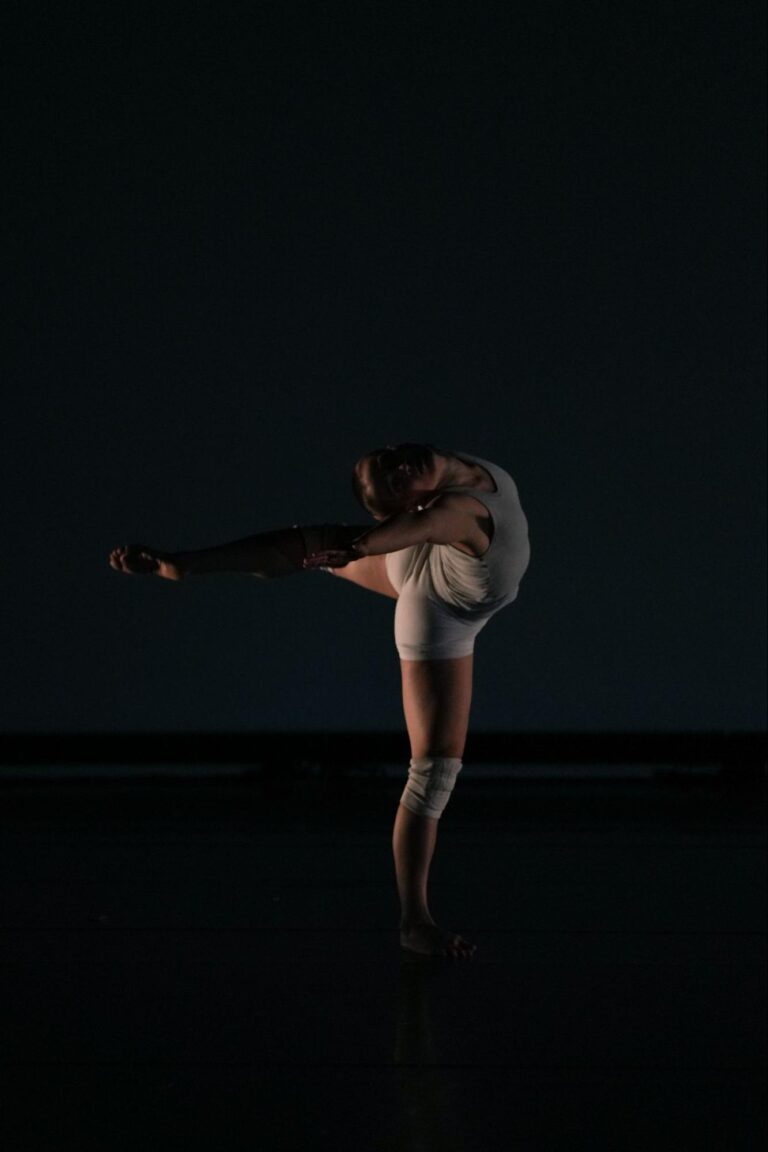
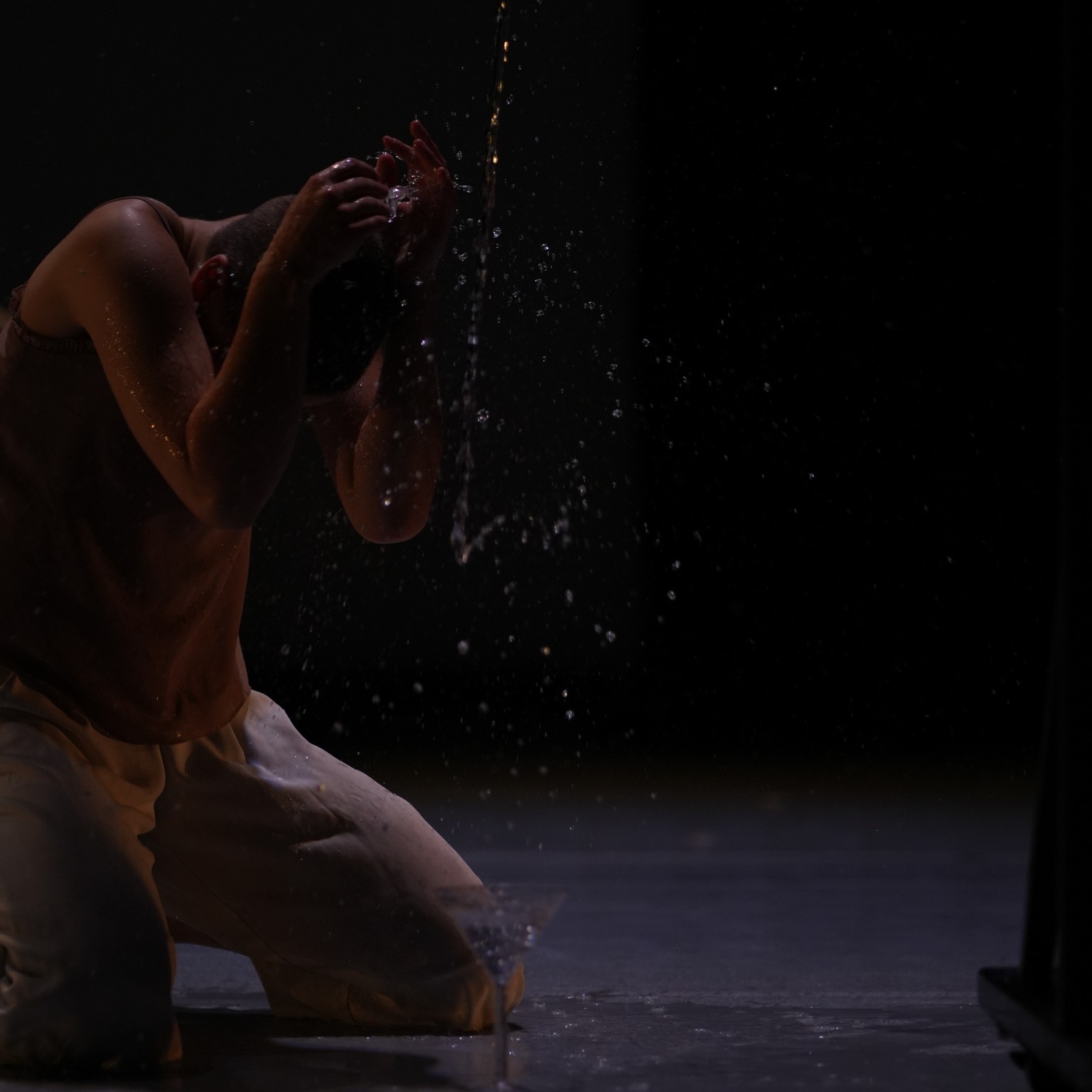
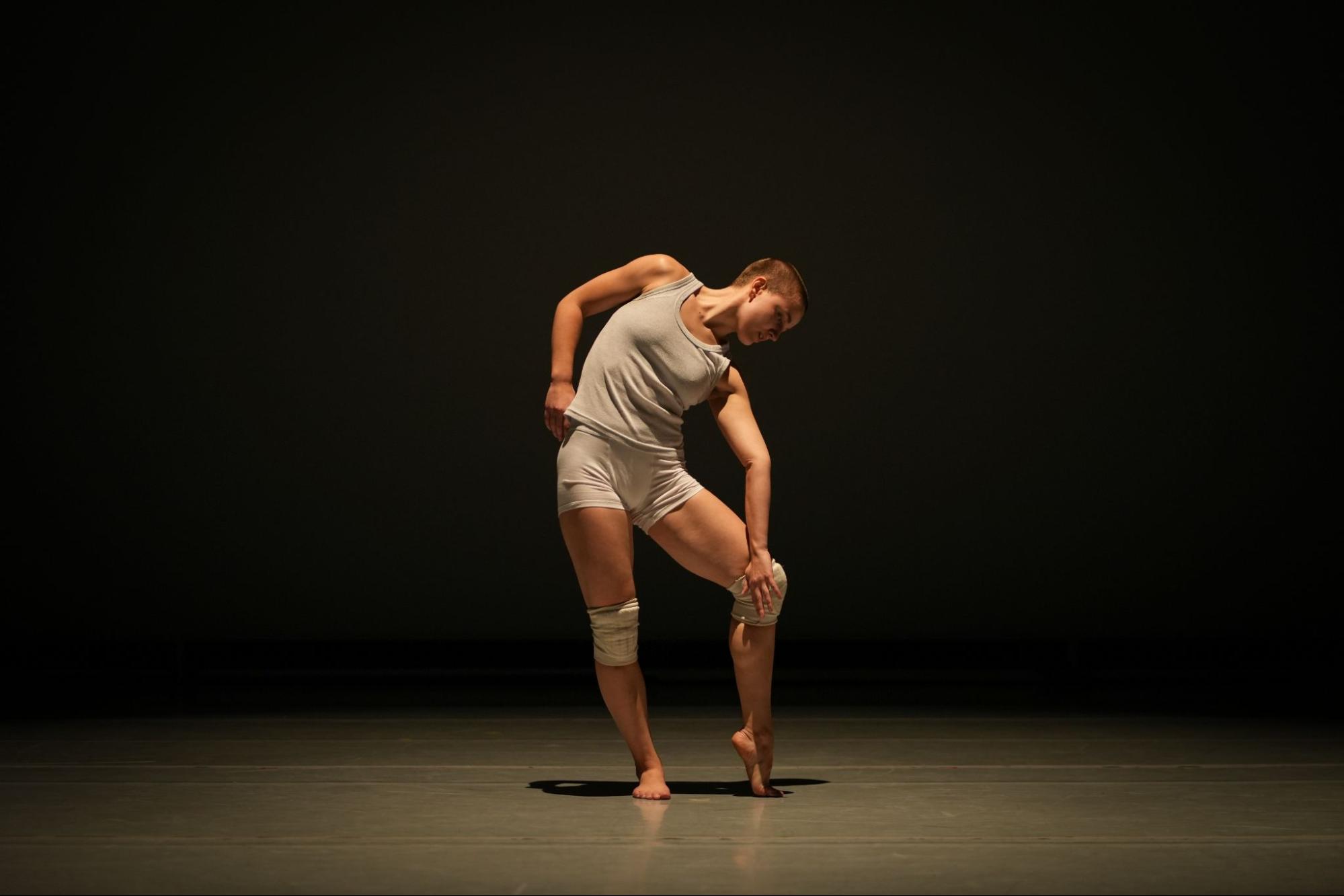
In the world of contemporary dance, the stage is a place of presentation—a void to be filled with movement, storytelling and metaphor. But for Canadian dancer and choreographer Lola Rose Jenkins (they/them), the stage became something far more intimate and specific: a reconstruction of their childhood bedroom. This fall, Jenkins premiered “Bedroom Studies” at the renowned American Dance Guild at Ailey Studios, transforming the historic theater into a vessel for the quiet, introspective hours of adolescence, reflecting on the past while looking to the future.
The performance marks a significant milestone in Jenkins’ dance career; it is not only their first solo work presented to an audience but also their first time performing original choreography in New York City, a city that holds deep roots for their artistic development.
The Architecture of Memory
The concept for “Bedroom Studies” did not begin with a set design, but with a feeling. Jenkins, who recently graduated from the Conservatory of Dance at SUNY Purchase College, began developing the phrase work in the summer of that year. “I started this solo with just the idea of the ‘stage’ representing a room,” Jenkins explained. “When I first started the solo, I didn’t know the container of the stage or the ‘room’ I was building would end up being my childhood bedroom.”
As the choreographic process deepened, Jenkins found themselves drawn to the specific emotional landscape of adolescence. The work began to orbit around the solitary hours between 12 a.m. and 4 a.m., which was the only time, Jenkins noted, that was guaranteed to be free from the demands of the outside world.
“As I kept developing the phrasing and researching the emotions that were coming up, I realized this solo was going to be about all the time I spent alone in my childhood bedroom during those late hours,” Jenkins said.
A Historic Stage
Performing at the Joan Weill Center for Dance, home to the American Dance Guild at Ailey Studios, carries a weight of history that is palpable for any dance artist or choreographer. While the showing was not officially affiliated with the Alvin Ailey American Dance Theater company, the venue is a pilgrimage site for dancers worldwide.“It felt like an honour performing there,” Jenkins said. “Being able to perform in a historical building that so many legends in the dance field have worked and trained in was a big deal for me.”
The connection to Ailey is personal for Jenkins. During their traditional American dance education, they studied the Horton technique, a staple of the Ailey repertoire. Jenkins studied under Linda Celeste Sims, a former dancer and rehearsal director for the Ailey company until 2020.
“Even though I wasn’t interacting with the Ailey Company for this performance, it was a huge honour to share a space with such legends in the dance field,” Jenkins noted. The facilities, described by Jenkins as beautiful, provided a fitting backdrop for a work that explored the beauty of internal stillness.
The Vulnerability of Solo Choreography
Transitioning from a repertory dancer to a choreographer—and specifically, a solo performer—presented a unique set of challenges. Jenkins, who began their training at the Canadian Contemporary Dance Theatre (CCDT) in Toronto, is accustomed to collaborative environments.
“What’s different for me is the way my body settles in the work,” Jenkins explained. “There is obviously a more direct personal connection, since the research is coming from my own somatic memories.” Jenkins described the rehearsal process for “Bedroom Studies” as a solitary endeavor. Unlike dancing for another choreographer, where the rehearsal process is about finding oneself within an existing framework, creating a solo meant Jenkins was the source material. It was about looking inward, looking within.
“I find it takes me longer to truly settle and relax into the work, since it is so energetically charged,” Jenkins said. “When I ‘am’ the work, it’s more about finding ways to ground myself in the material. This was the first solo I made on my own and it was a big learning curve to not have any other people in the space for most of the rehearsals. It was all up to me.”
Offline Artistry in the Digital Age
Jenkins’ artistic voice arrives at a pivotal moment in the performing arts. As attention spans shorten and the digital landscape becomes increasingly saturated, the mandate for dance is shifting. “We are at a very interesting time for performance art as the world becomes more and more digital,” Jenkins notes. “I think in order to be cutting edge in a time when so many fields feel saturated with information, is to captivate audiences.”
For Jenkins, the antidote to digital noise is deep, emotional resonance. “I just care about feeling deeply. I want to feel moved when watching a piece of art,” said Jenkins. “I think audiences want to see real people on stage, they want to see someone they can connect to and someone they can relate to in some way.”
A Signature of Gravity and Truth
Jenkins’ movement vocabulary is a synthesis of rigorous training and emotional intuition. Their background is diverse, spanning the professional repertory company CCDT, Limón technique at SUNY Purchase, and study abroad at London Contemporary Dance School. When asked about their signature as a dancer, Jenkins points to a blend of dramaturgy and physicality. “I grew up with parents who are both actors, and my dad was often talking about ‘the emotional why’ for a scene,” Jenkins shared. “This really stuck with me as I started to develop my own artistic practice.”
This influence is paired with a deep appreciation for the Limón technique, specifically the principles of gravity, fall, and recovery. “There is extreme honesty in gravity and allowing yourself to feel the true weight of the limbs and the body,” Jenkins said. “What I hope to create in all my performances and choreographies are states of presentness and honesty. I used “Bedroom Studies” to explore how highly physical and complex movement can come from these simple human concepts.”
While “Bedroom Studies” is a defining moment, it is one of many accomplishments in a career that has moved at a professional pace from a young age. Jenkins lists performing at the prestigious Joyce Theatre in 2015 as a major early milestone, as well as performing 21 different repertory works with CCDT. Perhaps one of the most technically demanding roles Jenkins has undertaken was performing as “Blue Woman” in Doug Varone’s “RISE.”
“That was one of the hardest roles I have ever danced,” Jenkins admitted. Yet, they view “Bedroom Studies” as equally significant. “It was my first time ever presenting a solo to an audience and also my first time performing my own work in New York City. I feel incredibly lucky that it was so well received and I was able to create something so personal to me that an audience resonated with.”
Looking Ahead to 2026
The success of “Bedroom Studies” is not a conclusion but a catalyst. Jenkins, currently based in Brooklyn, NY, has a packed schedule for 2026 that showcases their versatility as both a performer and a collaborator. Jenkins will be performing Thomas Hogan’s work at Arts on Site, Green Space, and Green Lung Studio. Jenkins will also serve as a rehearsal assistant for acclaimed dancer Hannah Garner as the company restages “Light Labor.”
The performance calendar continues with work by Sundari Joseph at the Gibney Theatre under the “Lucid” Dance Company in March, and participation in the DIG residency for Chisato Fujii in May. In June, Jenkins will present a new untitled duet with collaborators Jasmine Alisca and Cameron Stedman at Fertile Ground. “I am so incredibly grateful for the community I have here and all the talented lovely artists I know,” Jenkins said.
Finding a male escort can feel overwhelming if someone doesn’t know where to start. However, the process becomes much simpler once a person understands the right steps to take. The best way to find quality gay escorts in any location is to use verified directories that feature detailed profiles, clear pricing, and authentic reviews from other clients.
Many people want companionship for different reasons. Some search for a date to an event, while others seek personal time with someone who matches their preferences. The key is to know how to compare options and make safe, informed choices.
This guide helps readers understand how to search for male escorts effectively. It covers the steps to identify trustworthy platforms, compare different providers, and select the right companion based on individual needs. By the end, readers will have the tools to make confident decisions that suit their situation..
How to Find the Best Male Escorts in Your Location
The process requires careful research and attention to several key factors. A person should focus on reputable platforms, read reviews from other clients, and confirm the legitimacy of service providers before making contact.
Researching Local Escort Services
Multiple online directories exist to help people locate male escorts in their area. These platforms offer search filters that allow users to specify location, preferences, and service types. Sites dedicated to gay escorts provide detailed profiles with photos and service descriptions.
A good directory will display clear information about rates, availability, and contact methods. Some platforms require escorts to verify their identity before listing services. This adds an extra layer of security for clients.
Users should compare several platforms to find one that fits their needs. Different sites cater to different preferences and budgets. Most directories allow searches by city or region to narrow down options quickly.
Evaluating Online Reviews and Testimonials
Client feedback reveals important details about an escort’s professionalism and service quality. Reviews often mention punctuality, communication skills, and whether the escort matched their profile description. This information helps set realistic expectations.
Look for patterns in the feedback rather than focus on a single review. Multiple positive comments about the same qualities suggest consistency. However, be aware that some reviews might not be genuine.
Pay attention to how recently people left reviews. A profile with outdated feedback might not reflect current service standards. Fresh testimonials provide a more accurate picture of what to expect.
Some escorts maintain profiles on multiple platforms. Cross-reference reviews across different sites to get a complete view of their reputation.
Verifying Authenticity and Trustworthiness
Profile verification helps protect clients from scams and fake listings. Many reputable platforms require escorts to submit identification documents or undergo screening processes. Look for verification badges or stamps on profiles.
Communication style offers clues about legitimacy. Professional escorts respond promptly and answer questions clearly. They discuss rates, boundaries, and expectations upfront without being vague.
Trust your instincts if something feels wrong. Escorts who refuse to provide basic information or pressure clients to book immediately might not be trustworthy. Legitimate service providers understand that clients need time to make informed decisions.
Check if the escort maintains a professional website or social media presence. This shows commitment to their work and makes them easier to verify. However, the absence of these elements doesn’t automatically indicate a problem for those who prefer discretion.
Comparing Male Escort Options
Selecting the right male escort requires a careful look at personal needs and an understanding of what different providers offer in terms of services and cost.
Considering Personal Preferences and Requirements
Physical appearance often ranks as the first factor people consider. Some prefer athletic builds, while others look for different body types. Age also matters, as clients may want someone closer to their own age or prefer a different age range. Personality traits deserve attention too, since a good match can make the experience more enjoyable.
The type of service needed affects the choice. Some people need a companion for a social event, while others want a more private experience. Location plays a role as well, as someone nearby offers more convenience than a distant option. Sexual orientation compatibility is another key factor, since many escorts identify as gay, straight, or bisexual.
Background verification helps confirm legitimacy. Photos should appear recent and authentic rather than stolen or heavily edited. Reviews from other clients provide valuable insight into reliability and behavior. A professional profile typically includes clear information about availability, boundaries, and communication preferences.
Understanding Pricing and Services Offered
Rates vary widely based on several factors. Shorter visits typically cost $150 to $300 per hour, while extended bookings may reach $500 or more. Experience level affects price, as newcomers usually charge less than established professionals. Location also influences rates, with larger cities commanding higher fees.
Service packages differ between providers. Some escorts specialize in companionship for dinners, events, or travel. Others focus on massage services or private sessions. Clear descriptions help clients understand what they can expect and avoid misunderstandings.
Additional costs may apply. Travel fees sometimes get added for outcall services. Deposits or advance payment might be required to secure a booking. Cancellation policies should be reviewed carefully to avoid unexpected charges. Some escorts offer discounts for repeat clients or longer bookings.
Conclusion
Finding a quality male escort requires research and attention to safety. Individuals should use reputable platforms, read reviews, and verify profiles before they make contact. Clear communication about expectations and boundaries helps both parties have a better experience. Taking time to find the right match leads to more satisfaction than rushing the process.




 Baby Keem has returned with a new album, Ca$ino, following up 2021’s The Melodic Blue. It spans 11 tracks and boasts guest appearances from his cousin Kendrick Lamar, Too Short, Momo Boys, and Che Ecru. The record’s announcement was accompanied by a YouTube documentary that featured Lamar describing Keem’s upbringing. “I understand the hardships before he was born,” he said. Knowing his mom, that’s my first cousin. “I already knew what she was going through, just the history of our family in general. We don’t call ourselves the hillbillies for nothing. This is a story of a warfare environment and a warfare, psychologically, to try and change our generational curses.”


 Dance-punk icon Peaches is back from a decade-long hiatus with the rambunctious, unabashedly sultry new album
 Mumford & Sons recorded their sixth studio album with producer Aaron Dessner at New York’s Long Pond Studios. Prizefighter, the folk trio’s first LP since 2019’s Rushmere, features guest appearances from Gracie Abrams, Hozier, Chris Stapleton, and Gigi Perez. “We feel like we’re hitting our prime as a creative force,” Marcus Mumford said in press materials. “We’re putting everything we have into this now, and we’re using everything about our experience so far to embrace exactly who we are. We’re comfortable in our skins these days. And Prizefighter is us going for it – serious and playful, sometimes bruised and always hopeful. We’re nowhere near done yet.”
 “I lie about my height but I’m honest with my heart,” Liz Cooper sings on the title track of her new album
  Hen Ogledd have unveiled a kaleidoscopic, fanciful new album of avant-folk titled