Home Blog Page 342

How to Choose Your Perfect Car: A Voyage to Your Dream Ride

Finding the perfect car is more than just a purchase; finding a car that fits your lifestyle, preference, and needs together is key. With the huge number of choices available today, it can frankly be quite overwhelming. But with the right approach, you can navigate this journey confidently and make a choice you will be thrilled with for years to come.

Define Your Purpose and Priorities

Well, before you begin to look at cars, take an instant to consider what you really need. Are you looking for a fuel-efficient commuter for day-in-and-day-out drives? Do you want a spacious family vehicle for school runs and road trips? Or perhaps an adventure-ready SUV for off-road escapades? Your priorities will help narrow down the choices.

Another important consideration is the cost. Besides the sticker price, consider how much this car will cost long-term: insurance, maintenance, fuel, and devaluation. With a clear idea of your financial comfort zone, you won’t overspend, yet you still can get features and reliability that you may want.

Research Like a Pro

Knowing your stuff makes the process of buying a car so much easier. Do some online research, where you look for reviews and comparisons across different models to create a list of prospective models. Look for those vehicles that suit your needs and are known to be reliable as well as durable.

Car history research is significant for any person into used cars. Get a free VIN check on https://vininspect.com/ with insights on accident reports, Mileage accuracy, and title history. Knowing such information will not only help you avoid cars with hidden problems but will also give you power in leverage during negotiations.

The Debate: New versus Second-hand Automobiles

One of the biggest decisions you’ll face is whether to purchase a brand new or a used car. Each option has its own advantages, and the right choice actually depends on your situation. With a new car, you have the latest technology, zero mileage, and full warranties, but then again, you pay bigger prices, and depreciations happen fast. A used car is much more budget-friendly and more valuable considering the price that you pay for it; however, a used car needs to be in good condition, and one should not drive a car with accidents or hidden title issues. 

That is where a VIN decoder of some sort comes in handy. It can help you decipher the code and unlock valuable information regarding past ownership, recalls-even cases of odometer fraud-about a car, so you can buy with confidence.

Dig into the Details

Now, with your shortlist in hand, pay more attention to the finer details. Safety should always be one of the top considerations. Ensure that the cars under your consideration offer a range of advanced safety features such as adaptive cruise control, automatic emergency braking, and lane departure warnings. Check the crash-test ratings to see how well it would stand up in the real world.

Another important aspect is fuel efficiency: hybrids and fully electric cars would be the best choice for long distances that are frequently traveled, combining eco-friendliness with cost-effectiveness. Last but not least, there is also convenience through car technologies; be it seamless infotainment or practical utilities such as rearview cameras and climate control-all can make any ride a delight.

Test Drive and Inspect Thoroughly

A test drive is not only about how the car handles but about whether it feels right. Note comfort, visibility, the response of brakes, and acceleration. Are you comfortable behind the wheel? Are you able to operate the controls intuitively? A car that looks perfect on paper may not feel quite as good out on the road, so go with your gut feeling.

When one intends to buy a used car, this should be inspected. Let a mechanic you trust check over the vehicle for any unseen problems. Add to that a VIN check, and you’ll know if any of the car’s history matches what the seller says. This way, you’re beginning to take a very informed, smart decision.

Imagine the possibilities

Imagine this: You have spent weeks researching, test-driving, and weighing your options, and finally you are standing in front of the car that seems to fit everything you wanted. Maybe it is that sleek and fuel-efficient sedan, perfect for your daily grind into the office, like a Honda Accord. Or maybe it is that family SUV that can also be ready for weekend getaways and jammed school schedules, like the Toyota RAV4.

For the more adventurous sort, maybe a Subaru Outback or Jeep Wrangler can be one of those rugged-performance, off-road-capable options that should catch your eye. The fun of driving the right car isn’t about A to B; it’s about the experience enabled.

Finalizing Your Choice

Now, this is the most thrilling part-you have selected your car. The process doesn’t end here. Whether you’re buying from a dealer or a private seller, negotiate wisely. On new cars, explore financing options, manufacturer incentives, or trade-ins in order to negotiate the best price. In the case of used vehicles, this is where you would draw upon your research and the insight from the VIN check to negotiate a fair price.

Trustworthy platforms like Vininspect ensure you aren’t in for surprises. A VIN decoder will not only confirm the history of a car but will help one avoid some potential pitfalls and make this process seamless and safe.

Conclusion

The ideal car is a combination of practicality and emotion. It’s finding the right balance between needs, preferences, and budget while getting reliable tools to guide one’s decision. Whether one is into the cutting-edge tech in a brand-new car or into the affordability and charm of a well-maintained used model, proper preparation means you can confidently hit the road. Keep in mind that the perfect car is not just a mode of transportation but a trusted companion for all your trips. Take your time, do your homework, and enjoy the ride in finding this glove-fitting car. And with a VIN decoder at your fingertips, well, you are already on the way to success. Safe travels!


Exploring the Craftsmanship and Cultural Significance of Wayuu Bags in Colombia

The Wayuu bags, a striking blend of artisan craftsmanship and cultural heritage, have gained an esteemed place both within their native communities and globally, including in Colombian fashion circles.

These unique pieces represent the rich traditions of the Wayuu people, but they also serve as powerful symbols of cultural identity and economic sustainability. Let’s take a look at why they’re quickly becoming a true fashion icon in Colombia.

The Origins and Craftsmanship of Wayuu Bags

Historical Roots of the Wayuu Bags

The history of the Wayuu bags can be traced back to the ancient migrations of the Wayuu people, who settled in La Guajira Peninsula spanning Colombia and Venezuela. Over centuries, the Wayuu developed intricate weaving techniques as part of their daily lives, with these skills passed down through generations, shaping the evolution of the Wayuu bags. Originally crafted for utilitarian purposes, these bags have become a canvas for personal and cultural expression.

Traditional Materials and Methods

A defining feature of Wayuu bags is the use of natural fibers and dyes, which are integral to their creation. Traditionally, the bags are woven from cotton and other natural fibers, which offer durability and flexibility. The vibrant colors of the Wayuu bags are derived from natural dyes, often sourced from the surrounding environment, contributing to their environmentally friendly production.

How are Wayuu bags traditionally made?

The process of making Wayuu bags, known as “susuchon,” begins with the collection and preparation of materials. The Wayuu artisans skillfully hand-weave the fibers using a single-needle crochet technique that can take several weeks. Each piece is unique, filled with intricate patterns that tell stories of the Wayuu’s history and beliefs.

Cultural Significance of Wayuu Bags

Symbolism in Wayuu Communities

Within the Wayuu communities, these bags carry profound social and economic significance. They are not merely accessories; they symbolize the cultural identity and resilience of the Wayuu people. The motifs on the bags often represent dreams, experiences, and aspects of the Wayuu cosmology, reflecting the artisan’s personal journey and the collective identity of the community.

What do Wayuu bags symbolize for their community?

For the Wayuu, these bags are a source of pride and a connection to their ancestors. They symbolize prosperity and wealth, often used in trade and as gifts during significant communal events. The production and sale of these bags play an essential economic role, offering income and financial independence, especially for Wayuu women.

The Rise of Wayuu Bags in Colombian Fashion

Fashion Trends and Cultural Pride

The Wayuu bags have become an integral part of Colombian fashion, transcending their traditional origins to capture the attention of fashion enthusiasts across the country. Their vibrant colors and unique designs have become synonymous with Colombian artisanal luxury, making them a coveted accessory in both casual and high-end fashion scenes. From the streets of Bogotá to the coastal boutiques of Cartagena, these bags represent a proud symbol of Colombia’s indigenous heritage.

Why are Wayuu Bags Popular in Colombia?

Colombian fashion has embraced Wayuu bags as more than just accessories – they represent a celebration of the country’s cultural diversity and indigenous artistry. Their popularity stems from several factors:

  • Growing appreciation for native Colombian craftsmanship
  • Rising awareness of sustainable and ethical fashion choices
  • Pride in supporting local indigenous communities
  • Recognition of the bags’ versatility and durability
  • Connection to Colombia’s rich cultural heritage

The trend has been particularly significant in Colombian cities, where consumers increasingly seek authentic, locally-made products that tell a story of their nation’s diverse cultural landscape. Fashion influencers, designers, and retailers across Colombia have played a crucial role in showcasing how these traditional bags can complement modern fashion while supporting indigenous artisans.

Promoting Cultural Heritage and Economic Support

Impact on Wayuu Artisan Communities

The surge in popularity of Wayuu bags presents a significant economic opportunity for the Wayuu artisan communities. This global interest has significantly contributed to the preservation of their traditional arts while providing a sustainable economic model for these communities.

How does purchasing Wayuu bags help artisan communities?

When customers purchase Wayuu bags, they are directly supporting the artisans’ livelihoods, helping to sustain their communities. This economic infusion allows for the continuation of traditional crafts, educational opportunities, and infrastructure development within the Wayuu regions, reinforcing the importance of cultural preservation through economic empowerment.

Craft Process and Artisanal Heritage

Intricate Weaving Techniques

The weaving techniques employed in creating Wayuu bags are not only a display of artisan craftsmanship but a form of cultural storytelling. Each design and pattern utilized by the Wayuu weavers carries a specific meaning, echoing the oral traditions of the Wayuu people.

What techniques are used to weave Wayuu bags?

The single-needle crochet technique is the hallmark of Wayuu weaving, requiring patience and skill. This process allows for the creation of intricate geometric patterns that are unique to the Wayuu, each symbolizing different tales or beliefs, passed down from one generation to the next.

Wayuu Bags as Cultural and Fashion Statements in Colombia

Engagement of Local and International Visitors

The aesthetic allure and cultural richness of Wayuu bags have captivated both Colombian citizens and international visitors, particularly in cultural hubs like Cartagena, Santa Marta, and Riohacha. These bags serve as a gateway for individuals to engage with and appreciate the tapestry of Colombia’s indigenous heritage, transcending their role as mere fashion accessories.

How do visitors to Colombia contribute to Wayuu bag culture?

Tourists visiting Colombia’s Caribbean region, particularly La Guajira Peninsula where the Wayuu people reside, often seek out authentic Wayuu bags as meaningful souvenirs. Their engagement with Wayuu culture happens in several important ways:

  • Direct purchases from Wayuu artisans at local markets and communities
  • Participation in cultural tours and workshops to learn about the weaving process
  • Sharing their experiences and purchases on social media, raising global awareness
  • Supporting authorized vendors who ensure fair compensation for artisans
  • Learning about the symbolism and stories behind different patterns and designs

This cultural exchange has created a sustainable market that helps preserve traditional craftsmanship while providing economic opportunities for Wayuu communities in their homeland. When visitors purchase directly from artisans or authorized sellers in Colombia, they contribute to the authentic narrative of these indigenous craftspeople and help maintain the integrity of their cultural heritage.

From Taiwan to Tuskegee: Dr. Yi Chang’s Cross-Cultural Musical Journey

0

As the only Asian music professor at Tuskegee University, Taiwanese pianist Dr. Yi Chang joined the esteemed Department of Fine and Performing Arts in January 2024. Born in Taiwan and having moved to the United States at 16, Dr. Chang has seamlessly merged his classical music expertise with Tuskegee’s rich African American musical traditions, bringing a unique cross-cultural perspective to the university’s musical landscape.

Founded in 1881 by Booker T. Washington, Tuskegee University is one of the first institutions of higher learning established for African Americans in the United States. The university has long been celebrated within the African American community for its commitment to excellence and leadership, especially in the arts. Through continuous educational innovation and cultural preservation, Tuskegee has fostered the development of African American music. Within this historical context, Dr. Chang’s arrival adds a new dimension to the university’s music education.

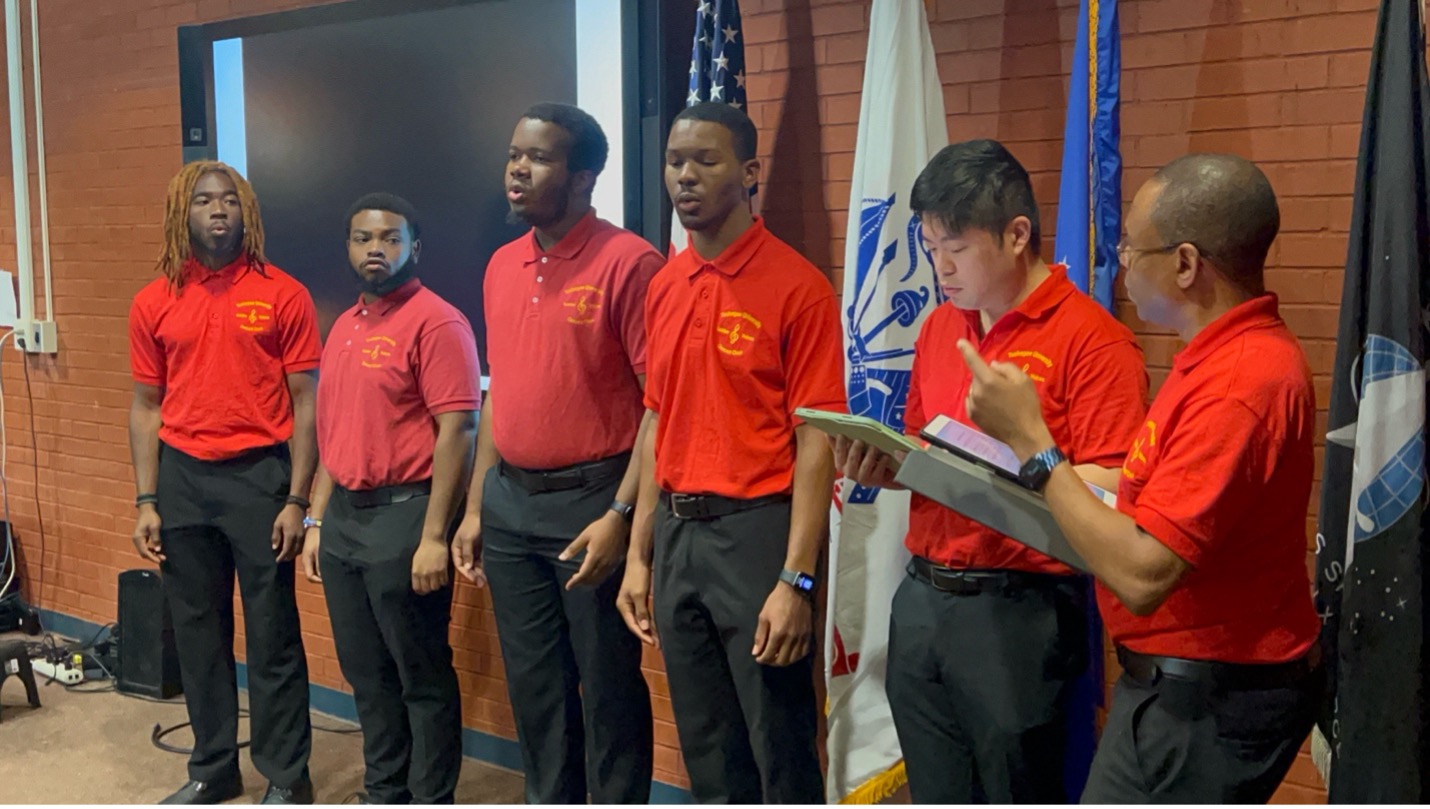
Dr. Yi Chang with Students at Tuskegee Airmen Event

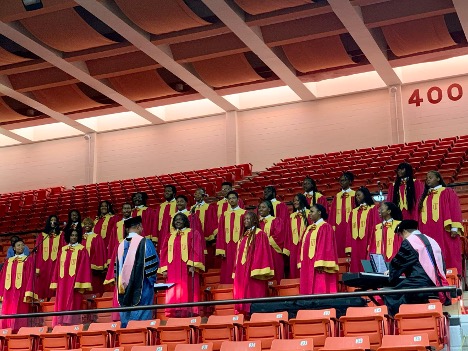
Since joining, Dr. Chang has quickly become an integral part of the university’s “Golden Voices” Concert Choir, serving as a collaborative pianist. He has performed with the choir in numerous events, including a spring tour through Jacksonville, Tallahassee, and Pensacola, Florida, as well as at various campus gatherings, services, and assemblies. Through these experiences, Dr. Chang has had the chance to explore jazz, blues, and gospel music, genres distinct from his classical background, further expanding his repertoire. “Being able to integrate and become a part of Tuskegee’s rich African American heritage is an honor,” Dr. Chang reflects. “Coming from a different cultural background, I am grateful for the opportunity to explore diverse musical styles, which has enriched my personal knowledge and experience.”

Dr. Yi Chang Performing at the Scholarship Convocation

On October 13, 2024, at the Fall Concert of the Alabama Central Chapter of the National Association of Negro Musicians (NANM), Dr. Chang gave a moving performance of Dances of the Canebrakes by African American composer Florence Price, demonstrating his dedication to Black musical works. This significant performance not only reflected his passion for African American music but also aligned with NANM’s mission, established in 1919, to support and promote Black musical culture. The Alabama Central Chapter, founded on September 5, 2022, brings together musicians, their students, and art supporters, aiming to foster music programs and performances in Central Alabama while honoring the legacy of African American composers and musicians.

In addition to his performances, Dr. Chang’s exceptional teaching skills and attentive guidance have inspired a strong passion for music among his students. He not only provides professional instruction in class but often records teaching and accompaniment videos for students and offers additional lessons to help them improve their performance skills. He has observed that many of his talented students lack a strong foundation due to limited financial support and structured training, yet they possess a strong desire to learn. Despite challenges, such as family issues or work pressures, Dr. Chang patiently supports his students, believing that each of them deserves his full attention and encouragement.

Looking ahead, Dr. Chang will collaborate with Department Chair Dr. Wayne Barr to launch the “Tuskegee University Teaching and Performance Series” in spring 2025, creating a new platform for music exploration and lectures on campus. He also plans to participate in Lecture Series at various HBCUs including Talladega College and Clark University, where he will discuss the works of influential African American composers such as Florence Price and Margaret Bonds, hoping to inspire students to engage deeply with these significant musical works. Through his dedication to education and performance, Dr. Chang not only enriches Tuskegee University’s cultural life but also subtly guides the direction of music education for future generations.

The Tin Whistle: A Brief History, Evolution, and Legacy

The tin whistle, a small and humble instrument with a bright, piercing sound, has a rich history and an undeniable charm. Known also as the penny whistle or Irish whistle, this instrument has won hearts across centuries and borders. Popular in traditional Irish, Scottish, and English music, the tin whistle has roots that run deep in European history. Its simple structure and accessibility make it both an instrument of the people and one with lasting influence. Notably, the tin whistle was first mass-produced in England, marking a significant moment in its history. Another milestone followed with the creation of the low D whistle, also first developed in England, expanding the instrument’s range and versatility. Let’s dive into the history, cultural significance, and influence of the tin whistle.

A Brief History

Wind instruments similar to the tin whistle date back thousands of years. Ancient whistles were often made of bones or wood and were played in many parts of Europe and Asia. The modern tin whistle, however, took form around the 19th century. It was during this period that Robert Clarke, an English farm laborer, took inspiration from traditional wooden flutes and created the first metal penny whistles in the 1840s. Clarke, who lived in the industrial heartland of Manchester, began producing tin whistles from sheet metal, which was affordable and accessible, allowing him to sell them cheaply. This affordability made the tin whistle popular among working-class people, and it quickly gained a reputation as the “penny whistle” because it sold for just a penny.

The mass production of Clarke’s tin whistle in England marked a turning point in the instrument’s history. Clarke’s whistles were tuned to the key of D, which has since become the standard key for tin whistles. His design was a simple tube with six finger holes and a fipple (a mouthpiece similar to that of a recorder), allowing for straightforward playability and a bright, vibrant sound. The Clarke whistle became widely popular, not only in England but also in Ireland, where it became an integral part of Irish traditional music.

Cultural Significance in Ireland and Beyond

The tin whistle holds a special place in Irish traditional music. It’s easy to learn, inexpensive, and well-suited for folk melodies. Over time, the tin whistle became synonymous with Irish music, used in lively jigs, reels, and mournful airs. Players like Mary Bergin, Paddy Moloney, and Joanie Madden helped elevate the tin whistle’s status within traditional Irish music, showcasing its range and expressive potential. The instrument’s portability also made it ideal for traveling musicians and immigrants who wanted to carry a piece of their heritage with them as they journeyed across oceans.

In addition to Ireland, the tin whistle found a home in Scottish, English, and American folk traditions. Its popularity spread far beyond Britain and Ireland, making appearances in Appalachian folk music and other folk traditions around the world. The tin whistle’s distinct timbre lends itself to various styles, from energetic dance tunes to haunting laments.

The Evolution of the Tin Whistle and the Introduction of the Low Whistle

While the original tin whistle had a high, piercing sound, advancements in its design led to variations, including different keys and tunings. The instrument evolved, taking on different shapes, sizes, and materials, though the fundamental design remains the same. One of the most significant developments in the tin whistle’s evolution was the creation of the low whistle, which expanded the instrument’s musical possibilities.

The low whistle was invented in England in the 1970s by Bernard Overton. Irish musician Finbar Furey had requested a whistle that would play in a lower octave, inspired by the sound of the tin whistle but seeking a deeper and richer tone. Overton crafted the first low D whistle, which quickly became popular among musicians. The low whistle retains the familiar finger-hole pattern of the tin whistle but has a larger bore and a longer tube, allowing it to produce lower notes. Its warm, mellow sound contrasts with the bright sound of traditional tin whistles, making it suitable for slower, expressive music.

Overton’s invention revolutionized the role of the whistle in folk music, allowing for greater versatility in ensemble settings and giving musicians a broader tonal range. The low whistle’s deeper sound is particularly well-suited for ballads, airs, and other reflective pieces. It has since been adopted by numerous musicians in Irish traditional and Celtic fusion music, with performers like Furey and Davy Spillane popularizing it in their recordings.

The Modern Tin Whistle and Its Influence

Today, the tin whistle is more than just a folk instrument—it has achieved global recognition. Musicians from diverse backgrounds have embraced it, and it’s frequently used in film soundtracks and popular music to evoke a sense of tradition, nostalgia, or rustic charm. Its affordability and simplicity continue to make it an accessible choice for beginners, while its expressive range and adaptability attract skilled musicians. The low whistle, too, has gained a dedicated following, with various makers around the world producing low whistles in a range of keys.

Modern tin whistles come in a variety of materials, from the traditional tin and brass to plastic and aluminum. Some makers focus on creating highly specialized, handcrafted whistles with precise tuning and tonal quality. Meanwhile, the tin whistle remains an important part of music education programs, especially in Ireland, where many children learn it as their first instrument.

The Lasting Legacy of the Tin Whistle

The tin whistle and the low whistle have become enduring symbols of folk music traditions. Though rooted in humble beginnings, these instruments have left an indelible mark on the music world. Their appeal lies in their simplicity and versatility, allowing musicians to evoke powerful emotions with just a few notes. From its mass production in 19th-century England to its enduring place in Irish music and beyond, the tin whistle’s journey is a testament to the power of music to cross cultural boundaries and bring people together.

Whether in the hands of a child playing their first tune, a master musician performing a complex reel, or a modern artist experimenting with fusion genres, the tin whistle remains a beloved, timeless instrument. The low whistle, with its haunting depth, adds another dimension, allowing for introspective, soulful expression that resonates with audiences around the world. Together, these instruments continue to captivate, blending tradition with innovation and ensuring their legacy will play on for generations to come.

Learn how to make money from video gaming

Recently, the gaming sector has flourished into a multibillion-dollar industry, attracting players all over the world. Nowadays, video games have come so far that they involve elements using blockchain technologies, such as NFTs and crypto, oftentimes as a monetization form. When crypto emerged, it appealed mainly to those who wanted to buy bitcoin and make money from trading it, but now, it has become an integral part of the gaming landscape.

While gaming was once just a mere form of entertainment, it has turned into a lucrative landscape for those who want to make a living out of their passion. Esports are one of the most popular alternatives to make money as a gamer, but platforms such as YouTube Gaming as well as Twitch allow you to monetize your content, while showcasing your personality and skills to a broad audience. 

In this blog, we will discuss some of the ways to make money by playing games, so read on! 

Livestream

One of the most popular ways to make money through gaming is livestream, particularly if you’re a gaming pro or you’re really good at entertaining people. Now, we know what you may be thinking: “Why would someone pay to watch me play a game?” Believe it or not, there are plenty of reasons why they would do it! First of all, other gamers would get the chance to pick up tips from you – someone who’s more advanced than them. Moreover, who wouldn’t want to witness exceptional gameplay? It’s just fun and entertaining! Besides, this is also an excellent opportunity to connect with other gamers in the community who are simultaneously watching your live stream. 

And the good news is that there are many ways you can earn money while broadcasting gaming livestreams. For instance, some viewers may offer donations as a way to show appreciation for entertaining play, while others may even sign up for paid subscriptions. If you choose to work with affiliate marketing partners, you can promote their products on the livestream and earn commissions. And, if you become famous enough, you can even create your own merch and sell it! But keep in mind that to be able to make money from live streaming, you need to be interesting enough (a good storyteller or/ and a funny one) so that other gamers would enjoy watching you play. 

Website gaming guides 

Gaming guides are a great way to make money, and they can either have a written form or a video form. An idea is to sell written guides for a specific game through your website, whether it’s a standalone or accompanied by a video. A written video game could include a tutorial on game features, expansion options, a walkthrough telling players what to do and where to go, or other basic details, as well as tips and tricks for more advanced play. 

When monetizing written content, consider incorporating screenshots and graphics, because this will make it more straightforward for readers to understand what you’re talking about. Once you’ve written the guides, consider publishing them in an eBook format, on protected pages, or upload them on your website. It’s a good idea to give some of the content for free and then offer the rest of it as premium content. Or you can offer free tutorials, but choose a strategy to monetize your site, whether affiliate marketing or advertising.

Video game testing 

Playtesters offer video game companies feedback on how enjoyable a game is, helping game developers recognize potential glitches that could negatively impact the user experience. Ultimately, the purpose is to allow them to make the necessary improvements to improve gameplay. Some of the information that game developers want to gather is where players get stuck, what they can easily learn, what they like, which features and benefits they find most appealing, and how players get stuck, to name a few.

Playtesters can be freelancers, regular employees or volunteers, but they always require a passion for playing -obviously- alongside good work ethic, involving the ability to meet deadlines, follow directions given by developers and offer honest feedback as required. Playtester jobs can be found via ads, or by approaching video games companies and asking them directly if they need playtesters. 

Video game coaching 

Becoming a video game coach is another great way to make money from your passion. Essentially, as a video game coach, you will help clients enhance their gaming skills by providing different kinds of services such as observing live play, offering guidance through tips and strategies, and reviewing game replaying recordings and providing insights. 

As a game coach, you can offer services either one-on-one or in a group setting in the form of a digital workshop or a webinar. Depending on your expertise level, your coaching services can be suitable for all players, no matter what their level is, allowing you to target more for a higher skill level. However, keep in mind that you’ll need a few qualifications to become a game coach, such as experience as a gamer, teaching skills (for example, answering questions and observing player behavior), experience as a gamer, and up-to-date knowledge of gameplay and game versions, to name a few. You can find students in different ways, such as promoting your services on platforms such as Fiverr or creating a YouTube channel where you provide free coaching samples. Or, you can create a website with a blog where you offer how-to-tips. Coaching can work great when combined with other monetization ideas mentioned earlier, such as livestream, as it gives you the opportunity to offer your coaching services to the audience you’ve already built. 

Gaming podcast

Do you enjoy talking about gaming for hours? If so, hosting a podcast can be a great way to make money, and you can choose among different types of gaming-related content, such as industry news, humor, commentary on gameplay, new game reviews, and interviews with gaming industry representatives. 

There are multiple ways in which you can monetize podcasts, including brand sponsorships, selling premium content, crowdfunding and donations, advertising revenue, and promoting affiliate marketing products, to name a few. Starting a podcast is relatively simple, but you’ll need audio editing software, a microphone and a podcast hosting platform, so keep in mind that it will require upfront investment. Also, once you’ve created the podcast, you’ll need to promote it online through social media market and search engine optimization. 

The bottom line

As you can see, there are plenty of ways to make money through video games! Some of these ideas will be more suitable for some people based on their aptitudes and interests, while in some cases, it’s possible to combine them to multiply your income. Ultimately, it’s about choosing what works best for you so you can have a thriving side hustle. 

Simplifying Your Business Electricity Plan Selection

Choosing the right electricity plan for your business can sometimes feel like navigating a maze. With countless providers, tariffs, and options to consider, it’s no surprise that many businesses stick to their current plans simply to avoid the hassle. However, the right electricity deal can save you money, align with your operational needs, and even support your sustainability goals.

Thankfully, finding the right plan doesn’t have to be as complicated as it seems. By breaking the process into manageable steps and focusing on what matters most, you can confidently choose a plan that benefits your business. Here’s how you can simplify the decision-making process and make the right choice for your company.

  1. Understand Your Business’s Energy Needs

The foundation of choosing the right electricity plan is knowing how your business uses energy. A clear understanding of your consumption habits helps you select a plan tailored to your operations.

Start by analysing your electricity bills over the past year. Look for patterns in your energy use. Does your business consume more electricity in certain months or during specific times of the day? Businesses with high off-peak usage, such as night-time operations, might benefit from plans that cater to such needs.

Don’t forget to think about the future. If your business is expanding or planning new ventures, your energy requirements could grow. Choosing a plan with some flexibility to accommodate change can save you time and money in the long run.

  1. Weigh the Pros and Cons of Fixed and Variable Tariffs

One of the first decisions you’ll face is whether to go with a fixed or variable tariff. Each has its advantages, depending on your priorities and risk tolerance.

  • Fixed tariffs: These offer price certainty by locking in your rate for the duration of your contract, typically one to three years. Fixed tariffs are great for budgeting, as you’re shielded from market fluctuations. However, if prices drop, you won’t benefit from the reduction.
  • Variable tariffs: These rates rise and fall with the energy market. While they carry more risk, they can offer savings if market prices decrease. They’re better suited for businesses with flexible budgets that can absorb potential price hikes.

Most businesses prefer the predictability of fixed tariffs, but the best choice depends on your business’s appetite for risk and the stability of your cash flow.

  1. Don’t Focus Solely on the Unit Rate

While the unit rate—the cost per kilowatt-hour—might seem like the most important figure, it’s just one part of the equation. To get a true picture of the cost of a plan, you need to consider additional fees and charges.

  • Standing charges: These daily fees apply regardless of how much energy you use. A plan with a low unit rate but high standing charges might not be the bargain it seems.
  • Hidden fees: Some contracts include penalties for exceeding usage limits or ending your agreement early. Always check the terms to avoid surprises.
  • Green energy premiums: If sustainability is important to your business, you may choose a plan that includes electricity from renewable sources. While these plans can cost slightly more, they might align better with your company’s values.

Taking a holistic view of a plan’s pricing ensures you understand the total cost and avoid unpleasant surprises later on.

  1. Shop Around and Be Willing to Negotiate

The energy market is highly competitive, which works to your advantage. Compare electricity prices and different providers and their offerings to uncover significant savings.

Start with online comparison tools designed for businesses. These platforms allow you to see multiple options side by side, saving you time and effort. Once you’ve identified a promising deal, reach out to suppliers directly. Many are willing to negotiate or customise a plan to win your business.

Don’t feel tied to your current supplier either. Switching providers is a straightforward process, with most of the work handled by your new supplier to ensure a seamless transition.

  1. Choose the Right Contract Length

Contract length is another crucial factor when selecting an electricity plan. The right choice will depend on your business’s current situation and future plans.

  • Short-term contracts: These provide flexibility, making them ideal for businesses undergoing changes or anticipating growth. However, they often come with higher rates.
  • Long-term contracts: These typically offer lower rates and greater price stability but can lock you in for years, which may not suit a business with fluctuating needs.

Think about your goals over the next few years. If your energy needs are stable, a longer contract could provide value. If you anticipate changes, a shorter contract might be more practical.

Selecting the right electricity plan doesn’t have to be a daunting task. By understanding your energy needs, carefully considering tariffs, comparing options, and choosing a suitable contract length, you can find a plan that supports your business operations and keeps costs manageable.

Energy providers are eager to compete for your business, so don’t hesitate to ask questions or negotiate. A little effort spent reviewing your options can translate to significant savings over time.

Why not take a fresh look at your electricity plan today? Simplifying this process can lead to better energy management and more resources for growing your business.

Bridging Art and Technology: Shanshan Zhang’s Pioneering Role in the “Sanxingdui Encounter” New York Exhibition

0

In October 2024, Memor Museum hosted the New York debut of “Sanxingdui Encounter: A Global Tour of 12K Micro-viewing of National Treasures”, an exhibition centered on Sanxingdui—one of China’s most significant Bronze Age archaeological sites. Located in a historic landmark building within the Metropolitan Museum Historic District on Manhattan’s Upper East Side, Memor Museum is recognized for its innovative integration of art, technology, and Asian culture. As the director of the exhibition’s technical and visual team, Shanshan Zhang leveraged her film and visual arts background to play an irreplaceable role throughout the exhibition.

Shanshan Zhang is an internationally acclaimed filmmaker and multimedia artist, known for her award-winning films “Paradise Program” and “The Foam,” featured at major film festivals and in leading media. In 2024, she was appointed principal technical expert and visual art director for the “Sanxingdui Encounter” exhibition at Memor Museum. Combining her cinematic vision and advanced technical expertise with cutting-edge multimedia, Zhang led nearly a year of planning, international collaboration, and onsite integration for the exhibition’s 12K theater, VR experience, and interactive AI guide. Drawing on her vision and expertise, the exhibition set a new standard for the interplay of art and technology, achieving new heights in artistic innovation and professional excellence. The resulting immersive experience, shaped by the convergence of creative insight and technical mastery, earned acclaim from audiences and experts in the United States and internationally.

The centerpiece of the exhibition was an immersive 12K ultra-high-definition multi-surface projection theater. As director of the visual system, Zhang oversaw the full development and implementation of a ten-projector 4K system, delivering advanced spatial image blending and 3D mapping. She traveled to China for onsite research and worked closely with the content team to ensure accurate reproduction of artifact details, while implementing localization strategies tailored to the local context.

By introducing 12K ultra-high-definition visuals in a multi-surface museum setting for the first time in the United States, the exhibition enabled naked-eye 3D effects and allowed visitors to explore the micro-details of Sanxingdui artifacts up close—a pioneering achievement that set a new benchmark for digital museum exhibitions.

Visitors experiencing Sanxingdui bronzes in the 12K ultra-high-definition immersive theater

Zhang also led the development of another key exhibition space, creating a high-resolution 3D animation on an L-shaped screen to bring the ancient Sanxingdui city and its construction process to life. Guided by Zhang’s vision, the team broke traditional boundaries between visual content and exhibition space, delivering an innovative viewing experience. She further contributed to the VR experience and the interactive AI guide “Dui Bao” by refining technical and artistic elements to enhance narrative flow and user engagement.

Interactive VR experience at the exhibition

In addition to her creative and technical roles, Zhang produced a series of promotional short films for the exhibition, offering multiple perspectives on its spatial design and central themes. These films were shown throughout the museum, providing visitors with clear context and an accessible introduction to the experience, lowering barriers to engagement for a diverse audience. She also produced a commissioned film for the opening ceremony, introducing the museum’s history and highlighting the exhibition’s artistic and technological achievements—a work that received widespread acclaim. Through these multimedia projects, Zhang demonstrated a distinctive ability to translate complex narratives for global audiences through visual storytelling.

Opening ceremony film still

After stops in Paris, Beijing, Shenzhen, Shanghai, and Doha, “Sanxingdui Encounter” concluded its global tour with its U.S. debut in New York. The exhibition received widespread acclaim from major outlets, including China Daily and Xinhua, and was further highlighted by technology‑focused platforms such as The VR Collective and MarketersMEDIA. The New York exhibition drew large audiences and received praise from experts in art, technology, and archaeology. Its success advanced Sino-American cultural exchange and set a new standard for global digital exhibition innovation.

Zhang leveraged her expertise in film and visual arts to bridge technology and art, coordinating complex systems and elevating the interactive experience. Her creativity, technical mastery, and talent for integrating Eastern and Western cultural perspectives underscore her irreplaceable status in international visual arts and digital exhibition design.

Album Review: Father John Misty, ‘Mahashmashana’

Father John Misty chose not to close his 2022 album Chloë and the Next 20th Century with the lines, “And now things keep getting worse while staying so eerily the same/ Come build your burial grounds on our burial grounds.” He does sing them towards the end of the final track, which stretches over seven minutes and ends on a more conversational and familiarly hopeful note: “I don’t know ‘bout you/ But I’ll take the love songs and the great distance that they came.” In a rare interview with Blackbird Spyplane, Josh Tillman aptly described the album, which swung for a big-band jazz sound and back to Hollywood’s golden age, as an “outlier” in his discography. But ‘The Next 20th Century’ – in its apocalyptic scope, grand orchestration, and big-picture writing capturing the brooding mundanity of cultural decay – was not only evocative of the singer-songwriter’s earlier work, but also, it turns out, a bridge to his new album, Mahashmashana, whose title riffs on the Sanskrit word for the “great cremation ground” encountered before death. “All is silent,” he sings after pronouncing it. Of course, it’s the same for everyone.

Tillman also said in that interview that, with Chloë, “I didn’t really know what I was doing, or why I was doing it,” which was part of what made it satisfying – and a strangely charming entry in his catalog. Its follow-up, by contrast, seems extremely aware of itself, even if as a writer he’s still struggling to find a way out or towards transcendence. In classic FJM fashion, Mahashmashana is maximalist in both its self-indulgence and musical structure, its lyrics mixing wry humour, imagination, and longing that’s deep-seated and well-hidden. At the same time, it’s touching and selfless – or at least luxuriating in a space where, in Tillman’s own words, “the self is receding” – in ways Tillman’s songwriting has rarely been. It accumulates every facet of his persona – sardonic, romantic, even optimistic – and justifies every sprawling gesture through sharpened lyrics and genuine uncertainty. The dry critique of ‘Mental Health’ may sound cut from the Pure Comedy sessions (“Maybe we’re all far too well,” he sighs), but later comes ‘Being You’, where, faced with “a spitting image of someone that I knew/ Just a perfect parody I can barely do,” he can’t help but take on the role of the therapist: “Can you tell me how it feels?”

Just like describing a collapsing world, reckoning with the self can be strange and hallucinogenic –  through the lens of Father John Misty, it’s less the outcome of mindfulness than, well, having lost your mind. In rendering this realization, ‘Josh Tillman and the Accidental Dose’ isn’t hypnotic so much as drug-addled, bending reality in ways that feel equivalent to its destruction. Like ‘Being You’, it toes the line between dissociation, delusion even, and revelation. “A perfect lie can live forever/ The truth don’t fare as well,” he acknowledges on the title track, but the latter is still the destination. On songs like the breath-taking ‘Screamland’, he seems to muster his entire will to fight against; BJ Burton’s mixing even specifically recalls the fractured hope he conjured on Low’s HEY WHAT. BJ Burton’s mixing even specifically recalls the fractured hope he conjured on Low’s HEY WHAT. Maybe it’s why the groovier tracks take up more time than they typically would: ‘She Cleans Up’ spins karmic cycles into a rollicking dance, while the existential musings of ‘I Guess Time Just Makes Fools of Us All’ unravel with the off-handed panache of its title. Yet ‘Screamland’ abruptly cuts off after repeated pleas to “Keep dreaming” instead of letting it succumb to the fade-out treatment, as if to startle us awake.

“After a millennia of good times, God said ‘Hey now, let’s have a dream’,” Tillman sings on  ‘I Guess’. The narrator has his own, but finds himself helpless and subservient even to the thing we’re told can supplant religion: “I followed my dreams/ And my dreams said to crawl.” His conclusion on ‘Mental Health’? “This dream we’re born inside/ Feels awful real sometimes/ But it’s all in your mind.” Is that meant to be a relief, a curse, another form of condescension? I don’t know if Tillman believes in any kind of spirituality, but even if he does, Father John Misty wouldn’t present it totally earnestly, even with this title. And he doesn’t. On the opening track, he makes “Yes, it is” sound like some kind of redemption, yet the affirmation is only a cynical twist of ‘Amazing Grace’: “What was found is lost.” Even Drew Erickson’s orchestral arrangement, so fittingly elegant on most of the album, swells to a near shrill, then evaporates (?). Maybe that’s what happens to the dream; maybe it was never real to begin with. But maybe, Tillman figures, that’s what gets us closer to the truth – the kind we might, perhaps foolishly and against our will, call wisdom.

Kendrick Lamar Releases Surprise New Album ‘GNX’

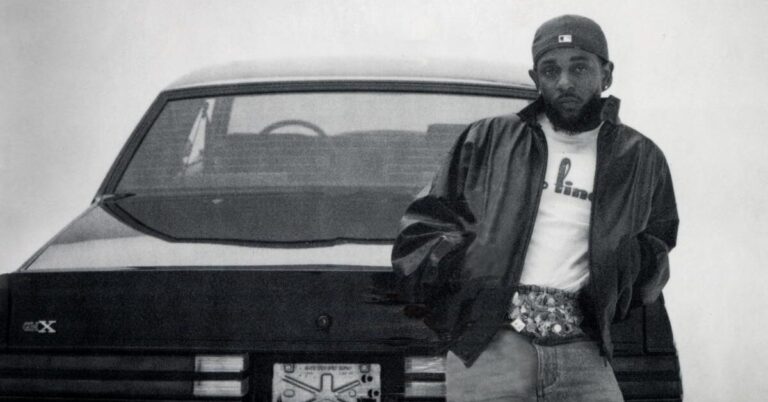
Kendrick Lamar has dropped a new album. It’s called GNX, and it arrived without warning just minutes after the Compton rapper shared a minute-long teaser with the same title. Stream the whole thing below.

This is Lamar’s first new music since May’s ‘Not Like Us’, which topped the Billboard Hot 100, and follows his 2022 LP Mr. Morale and the High Steppers. It spans 12 tracks, none of which were previously released, though a snippet of ‘squabble up’ featured in the ‘Not Like Us’ video. There’s also ‘heart pt 6’, which marks the sixth entry in Lamar’s ‘The Heart’ series; he wouldn’t let Drake get away with that.

Jack Antonoff and Sounwave, members of the synthpop supergroup Red Hearse, primarily handled the production; Sounwave is credited on every song, and Antonoff worked on every track except ‘Peekaboo’. Red Hearse’s Sam Dew guests on ‘Luther’, which also features SZA and Ink. SZA is also on ‘Gloria’, with regional Mexican musician Deyra Barrera and Ink.

Other credited producers include Mustard, Kamasi Washington, Terrace Martin, Dahi, M-Tech, Noah Ehler, Craig Balmoris, Tyler Mehlenbacher, Bridgeway, Rose Lilah, Sean Momberger, Tim Maxey, Tane Runo, Juju, Rascal, Kenny & Billy, Deats, and Lamar himself. Earlier this year, DJ Snake suggested that Lamar’s new project would feature a surprise Taylor Swift appearance, but this does not seem to be the case.

Next year, Lamar is set to perform the halftime show at the Super Bowl. ‘Not Like Us’ is nomiated for Song of the Year and Record of the Year at the 2025 Grammys.

Charli XCX Announces 2025 Arena Tour

Charli XCX has announced a series of arena shows that will take place in the US next string. The run begins in late April 2025 and includes dates in Austin, Minneapolis, Rosemont, and Brooklyn. Check out the full list of dates below.

“BRAT 2025 ARENA TOUR LFG!” Charli wrote on Instagram.  “Sign up for presale access by monday at 10am et at https://livemu.sc/charlixcx. see you sooooonnnnn angels ;).”

In addition to Brat, its subsequent deluxe version, and a remix edition, the British pop singer has extended the album’s rollout with a recent last-minute performance in Times Square and an appearance as host and musical guest on Saturday Night Live. Earlier this week, it was announced she’ll play Coachella 2025.


View this post on Instagram


A post shared by Charli (@charli_xcx)