Home Blog Page 616

Artist Spotlight: Peel Dream Magazine

Peel Dream Magazine is the now Los Angeles-based project led by Joseph Stephens, who hails from New York. Since launching the band in 2018 with Modern Meta Physic, Stephens has dabbled in and cycled through a wide range of styles and instrumental palettes, from the introspective shoegaze of 2020’s Agitprop Alterna to the orchestral baroque pop of 2022’s Pad. It’s no surprise that the band’s new album, Rose Main Reading Room, out today, is yet another musical departure, though one that can’t easily be traced back to a particular place and time. With help from vocalist Olivia Babuka Black and multi-instrumentalist Ian Gibbs, Stephens brings new colour and lushness to the ever-evolving Peel Dream Magazine sound, fusing archetypal indie pop, minimalist excursions, and dreamy psychedelia. The arrangements are strangely but beautifully aligned with the album’s conceptual journey: named after a hall at the New York Public Library, Rose Main Reading Room blurs the line between evolution and personal history, guiding us through Stephens’ childhood memories of New York City and beyond. The record is luminous and mesmerizing in its wide-eyed optimism and gentle nostalgia – hazy and fragmented as their expression may be – slipping into new revelations simply by driving itself forward.

We caught up with Peel Dream Magazine’s Joseph Stevens for the latest edition of our Artist Spotlight series to talk about his relationship with live performance, contextualizing the new Peel Dream Magazine album, the process behind it, and more.


In a recent conversation with Wild Nothing’s Jack Tatum, you talked about how you see touring as album promotion, and that you don’t romanticize performing the way others tend to. I’m curious how your perspective on that changes from tour to tour, or even from show to show, now that you’re on the road.

I really like touring. The only thing I don’t like about it is that it can be exhausting sometimes, but the traveling part is super fun. I think what I was saying about the promotion thing is that I don’t always feel as invested in live performance – I don’t have this need to get in front of people and share live performance with them. I don’t get as much of a kick out of it as some people do, but I love the traveling part. I love the culture, showing up to venues, seeing all the people who are working, grabbing food, all these cool little excursions you get to do. It’s fun to tour the country, and it’s especially fun to do overseas touring. But I’m most interested in writing and recording albums than performing in front of people.

Every Peel Dream Magazine record so far has been pretty radically different. What has your approach been in terms of combining new and old material on this tour?

We’ve been playing a lot of new stuff from the new record, like maybe half the set. The rest of the set is actually a mixture of the first and second album. I got kind of tired of playing the songs from the third album, Pad, and I felt like the new record meshes better with the older stuff because it feels more like archetypal band music, as opposed to Pad, which is more of a concept-y, baroque-pop thing. I feel like the new stuff works well with the old stuff in a weird way. It’s been fun to revisit all that, and it definitely makes for a slightly shoegazier set.

Aside from the live set, is this something you also take into account when you’re making a new record? With Rose Main Reading Room, were you more or less conscious of how the songs might exist in the context of, or as a response to, your previous records?

Yeah, I think so. Whenever I’m working on a new batch of songs, I go through these extreme phases where I get really tired of whatever I just did, to the point where it just makes my skin crawl and I’m like, “I want to evolve beyond that.” So, Pad was a reaction to the shoegaze stuff of Agitprop Alterna, and with the new record, I got really tired of the mid-century orchestral pop sensibility of the previous album. Everything felt so quaint and jazzy and bossa-inspired, and I wanted to revisit a harmonic sensibility that was more ordinary or something, more natural to me, something coming out of the music I’ve always listened to, and not as much of a shtick. I was trying to move away from the bossa stuff, the clever chord progressions, and move more toward a simple, straightforward rock sound.

I feel like the first and second record have this minimalist, post-rock, droney kind of stuff, and I wanted to revisit some of that in the context of more symphonic instruments. I was listening to Philip Glass, Steve Reich, stuff like that, and all of that was going around in my head. I do always think of each record within the context of the ones that came before it, and I think about what would be fun and fresh for me. If I was a listener and had heard the previous records, what would I want to hear next? I try to think of it like I’m building a musical canon to a certain extent.

Do you ever seek the opposite mindset, where you try to think about what you’d like to listen to if you somehow weren’t aware of the previous material? To try and tap into whatever’s catching your ear at the moment?

I think I do that too, yeah. I like to try and get lost in whatever new thing I’m into as well. If you listen to the records in order, it’s almost like, in one way, the same person wrote the songs, but in another way, it’s like different people made them. I definitely change personally as each album cycle passes, but my musical taste changes too. I always want to kind of revel in whatever feels new and exciting to me. While I do think about the old records in the context of each new one, I don’t think of it like I’m following a blueprint from day one. I like to change it up a lot. With every record, I feel like I stumble onto a little trove in the dirt of stuff that is exciting to me, and once I’ve got all the good stuff – whether it’s an instrument palette or drum machine stuff or whatever – I feel like I’m ready to move on.

A song that comes to mind is ‘Machine Repeating’, which feels like it’s not just moving in one direction; there’s an interesting juxtaposition between gentle, acoustic, and orchestral elements with these squishy, ’80s-sounding synths. That feels like the result of that kind of approach.

Totally. Once I get all the ingredients on the table, they become customized tools for each record. I’m like, “I know this thing is fun,” and if I get stuck, I’m like, “Well, I’ll try something else.” If there’s space missing in a mix, I might use a cool, warbly sound from another song and see if it works. Mixing symphonic and electronic stuff is definitely part of the toolkit for this record. I remember wrestling with that song a lot, but it was more about mixing stuff, not so much the instrument palette. I think I wrote that song really quickly and it was essentially a glorified demo. I was just having a lot of fun with the acoustic guitars and clarinets. I wish I had better stories like that – it’s not like I was in the studio and someone accidentally started playing the clarinet, and I was like, “What if you did that?” But it’s not like that. [laughs] It’s very boring.

Do you have a specific philosophy when it comes to translating the new songs to a live setting? Was that something you concretely laid out before putting the show together?

It’s interesting, that’s something I’m wrestling with right now. It’s pretty hard to translate the record live, I think. On one hand, I try to lean into making things sound more like a band is playing them, stripping back some of the more grandiose parts of the mixes. But on the other hand, I’m always like, “Oh, that one part is really cool, I don’t want to lose that.” So there’s stuff we throw into the backing track. I don’t really have any kind of philosophy when it comes to playing live. I’ve seen people do shows where they just play an instrumental from their iPhone and sing over it. But it would be really cool to have a bigger band, but you have to keep the band somewhat small and think about the logistics. That’s a kind of wrestling match I have with myself. We don’t have the luxury of having the most grandiose live performance ever, just because we don’t really have much of a budget for touring. Things are a bit leaner, and we go for a more archetypal rock band arrangement.

How has your own relationship with being onstage developed over time?

Sometimes I really like performing. If I feel like we sound really good and it’s matching what I’m aspiring to do, I really like it. I like the idea of standing in front of people, sharing my heart, you know? But a lot of the time, I don’t. Maybe the stage sound isn’t good, or the venue is weird, or the sound person is weird, or the crowd is weird. When the crowd is really quiet or something, I’ll get shy and not feel excited about performing. It’s a roller coaster ride, actually. Sometimes it’s the best thing ever, and other times it just feels kind of weird.

I wish I was more of a showman sometimes. I don’t really like to talk – I don’t do any kind of banter or anything like that. There’s a lot of tuning that takes place, and we have transition music playing, and I’m just staring at the ground, tuning. I think some people find it kind of stark because there’s no talking. We’re not trying to do the storyteller thing or be charming in that way – it’s really just about playing the songs. Some people like that, but some people expect more of a classic showman thing. But I really don’t like to talk at shows. I also don’t like to see people talking at shows – I like to just go to a show where someone is just going to play the songs and that’s it, because I’m most interested in the songwriting.

One of my favorite tracks on the album is ‘Recital’, which is about a piano recital you were in as a kid, and you’re kind of tracing back this anxiety around performance.

That song is really abstract. On the one hand, it’s just about being nervous at a piano recital when you’re about to perform – but then, sort of left of center, I’m fantasizing about a student that’s sitting in front of me, and I’m not even paying attention to the recital anymore. It’s kind of talking about this duality – underneath this civilized event, there’s this ancient thing that’s irrelevant to the event going on.

It’s interesting that Olivia’s voice is so prominent on the song, which switches things up as far as perspective goes. What was the thinking behind that?

I wouldn’t say it was the idea from the beginning, but that became obvious to me as well. Once that clicked in my head, I was like, “Whoa, that kind of obscures things in a cool way.” It makes it less autobiographical and more universal.

More broadly, how do you feel your collaborators added their own voice, both literally and aesthetically, to the record? How do you feel their presence shaped Rose Main Reading Room?

I felt like Pad was a little too much myself. Even beyond the decision-making, the actual performances of all the instruments, it felt like a million “me”s playing everything. After a while, it felt like everything was the same every time I listened to it. So I thought it would be cool to involve more people in this record, if for no other reason than to give it a bit more spontaneity and have some musical decision-making that was different from my own. It’s kind of funny because I’m actually a bit of a control freak, especially when it comes to mixing and stuff. But I thought it would be cool to short-circuit myself there and just have things that I couldn’t even change, just performances by other people.

Ian Gibbs played drums on the record, and he was in charge of tracking those drums. We did that stuff in his parents’ garage. It was just fun to hand it over to somebody for a bit and not be the judge, jury, and executioner all by myself. There were little things Ian did that I never would have done. For example, in the song ‘Wish You Well’, the middle chorus, it kicks into this groovy drum beat. Originally, I didn’t want there to be drums there; it was supposed to be just a snare fill. But Ian, hearing it for the first time, did that classic thing where he was like, “What if we just threw a beat on it?” In my mind, I was like, “No, I don’t want to do that.” But we tracked it, and later on, I listened to it and was like, “Actually, that’s a cool development that I wouldn’t have done myself.”

I also wanted to vocally expand the literal vocal range of the melodies and bring in another human, another identity to the mix. Olivia is an absolutely incredible singer, and I was really fortunate that she was down to sing on the record. Hearing her take on the vocals was also surprising and really helpful. While we were recording, it was fun to orchestrate ideas in real time with her while she was tracking vocals. We would do background stuff and harmonies, reacting to how they sounded with the instrumental music. I feel like if I was left to my own devices, I would just do the same bag of tricks that I do myself. I kind of write based on that. I know my voice so well that there’s no surprises left – that’s not true, but in general, it gets kind of boring.

A lot of the memories you lay out on the record come from childhood, which is a theme that the voice recording in ‘Wood Paneling, Pt. 3’ really puts into focus. How do you personally reflect on not just the role of family in childhood, but how it extends into adulthood, even in ways that aren’t necessarily explored on the record?

There’s this whole theme of human evolution, animal evolution, and geological time. There’s an allegory there for your own personal evolution. So, if you think of your life as a history – your upbringing as, like, your ancient history, and then your adulthood as the current day you – your family is obviously a big part of that. I was reflecting and juxtaposing different little memories I had. There’s not a whole grand statement as opposed to different snapshots from different ages in my life, contextualized as if it’s animal history or something, like you’re gawking at different exhibits in a museum.

That recording was really fascinating to me because, on one hand, it’s really nostalgic and kind of sweet. He’s talking about family and the way it plays this crucial role in raising you, how they’re so important to you, they love you so much. But it’s also kind of sardonic and fucked up. At the end, you hear these ape screams, and it’s quite dark. Without saying a lot, I wanted to juxtapose those two things.

I wasn’t sure if that was part of the original recording or if you added that in to create contrast.

No, that’s literally part of the recording. It’s from the forties or something, and they just didn’t know that that was kind of awkward and abrasive. They end the video with these apes screaming, it’s super weird. If that video was made noawadays, I feel like it would probably end with something more canned and sentimental.

I feel like the instrumentals on the album take us into the natural world in a more direct way. What did you get out of playing with those patterns or images purely through music?

It was cool. I mean, that song ‘Migratory Patterns’, for example, it’s not like I was reading about birds and matching the BPM of the song to this thing some scientists discovered is actually – it’s not that deep. It was more just, I wrote this thing, and after the fact, I realized it kind of evoked this forward momentum, like a flock of birds or something. I don’t even know if I set out to compose anything that specifically sounded like the natural world from the beginning. It was more, as I was working on stuff, I was thinking of ways to tie it all together. I almost feel like if the album had another theme, I could have named all those things differently and given them an entirely different context. Sometimes it’s fun to just take a title and be like, “Oh, now it’s about birds,” but it wasn’t necessarily about that to begin with.

I know that’s not as interesting to say, but for some reason, I was fixating on a woodland sound palette and churned out all these different things that took me to that place. The song ‘Central Park West’, actually, that was originally an instrumental – in my mind, it was an instrumental of a bear lumbering through the forest. I think at one point, it was even ‘Grizzly Bear Song’ or something. I fixate on a few themes and then try them out – it’s like a wardrobe. “What if this was about a bear? What if this was about birds?”

Starting with ‘Lie in the Gutter’, the gaze of the record seems to open up and become more cosmic and existential. Why was it important for the record to land in that place with the last three songs? Do you see them representing a similar kind of optimism that’s hinted at throughout the record?

That’s a good question. I definitely wrestled with the track sequence a lot and tried all kinds of things. At one point, we even tried having ‘Lie in the Gutter’ as the first song. The short answer is that those songs aren’t there because they needed to be, like a particular vibe or perspective. And I don’t know if there’s necessarily a whole message that the record lands on with those last three songs, although I do like the sequence and how it gets more optimistic and existential toward the end. ‘Counting Sheep’ always felt to me kind of like a lullaby, going to sleep, all is okay, comforting song. So I wanted that to be the last track. But beyond that, I’m not really sure. It’s funny, at one point I really didn’t like how the song ‘Lie in the Gutter’ came out, and I didn’t even want it to be on the album. I think that’s why I placed it late in the sequence, because I didn’t want people to hear it or something.

But it became the lead single.

Yeah, the record label at the end said they wanted it to be the first single. And I was like, “God damn it!” But I think it’s a really nice moment as a palate cleanser where it occurs on the record. It was literally like horse trading; I was polling different people every day about what the album sequence should be. I wasn’t sure if all 15 songs could live together under one roof, but every time I tried to take something away or change it, it felt like something was missing.

I like that term, “cosmic relief,” that you use in ‘Lie in the Gutter’, and I feel like it’s part of what spins everything that follows in this revelatory, positive light. Even if it wasn’t intentional, do you feel like that’s a perspective you tried to hold on to in general?

Yeah, I think so. I think I’m kind of a romantic and an optimist at heart. I’m also pessimistic, too – there’s stuff like ‘Running in Place’ and ‘Machine Repeating’, which are kind of on the opposite end of the spectrum. It’s all authentic to my personality. But at the end of the day, once I’ve processed something and been upset about something, I generally want to move on, get on with my life, and find happiness. That’s definitely how I wanted the ending to feel.


This interview has been edited and condensed for clarity and length.

Peel Dream Magazine’s Rose Main Reading Room is out now via Topshelf Records.
The War on Drugs Announce ‘Live Drugs Again’, Cover Tom Petty’s ‘You Wreck Me’

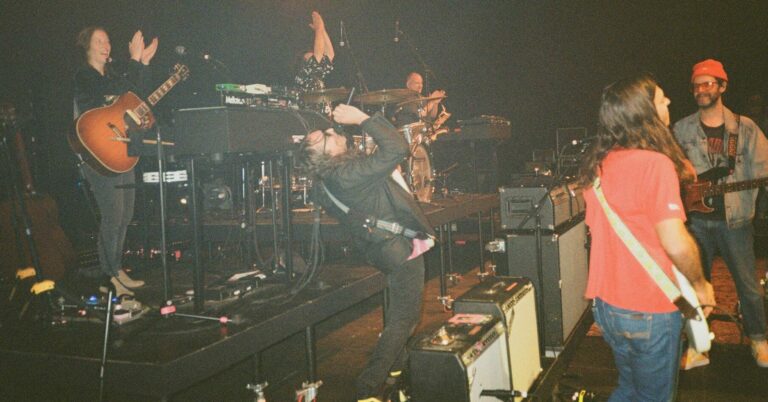
Four years after LIVE DRUGS, the War on Drugs have announced a new live album called Live Drugs Again. It’s set for release on September 13. Today, they’re previewing it with a live version of Lost in the Dream’s ‘Burning’. Check it out below.

Live Drugs Again chronicles the evolution of these songs from the studio to stages all over the world; documenting our continued growth as a live band,” frontman Adam Granduciel said in a statement about the LP, which was recorded on tour between February 2022 and December 2023. “This series ensures that these versions, and some of our favorite moments on stage, will live on.”

Also today, the War on Drugs have shared a cover of Tom Petty’s ‘You Wreck Me’ as part of the soundtrack to Apple TV+’s Bad Monkey. Listen to that below, too.

Next week, the War on Drugs will kick off their co-headlining Zen Diagram Tour with the National. Their most recent studio album was 2021’s I Don’t Live Here Anymore.

Live Drugs Again Tracklist:

1. Harmonia’s Dream
2. Burning
3. Old Skin
4. Come To The City
5. I Don’t Wanna Wait
6. Pain
7. Slow Ghost
8. In Chains
9. Living Proof
10. Under The Pressure
11. I Don’t Live Here Anymore

Lunar Vacation Release New Single ‘Fantasy’

0

Lunar Vacation have released ‘Fantasy’, the final preview of their upcoming album Everything Matters, Everything’s Fire, which arrives next Friday (September 13). It follows previous cuts ‘Set the Stage’‘Sick’, and ‘Tom’. Check it out below.

‘Fantasy’ takes a look inside of my daydreams that are sometimes difficult to get away from,” the band’s Gep Repasky explained in a statement. “Sometimes it’s more comfortable to live in your own bubble and watch scenarios in your head all day. We composed the track to feel isolated, with just guitar and vocals in the verse, and then the band suddenly coming in all at once, to kind of mimic an intrusive thought.”

Revisit our Artist Spotlight interview with Lunar Vacation. 

Charlotte Cornfield Unveils New Single ‘Audience of One’

0

Charlotte Cornfield has released a new single called ‘Audience of One’. Bonny Light Horseman’s Josh Kaufman produced the song, which you can hear below.

“I’ve always been fascinated by the way that fear permeates my dreams,” Cornfield explained in a statement. “It meanders through vaguely recognizable surroundings, attaching itself to shadowy figures along the way. When I wrote this song I was picturing myself in one of those dream states, crashing an out of control vehicle and then performing to no one except a single ghost-like audience member. In the chorus I am reasoning with myself, trying to let go of the fear and worry that haunts me. I recorded ‘Audience of One’ with Josh Kaufman after we had finished making most of ‘Could Have Done Anything’. Annie Nero sang this stunning backing vocal, and it just felt like a song that needed to live on its own.”

Charlotte Cornfield’s most recent album was last year’s Could Have Done Anything. Revisit our inspirations interview with Charlotte Cornfield.

TV on the Radio Announce First Shows In Over Five Years and ‘Desperate Youth Deluxe’ Reissue

After sharing a mysterious teaser, TV on the Radio have announced a 20th-anniversary reissue of their debut album Desperate Youth, Bloodthirsty Babes. They’re also gearing up to play their first shows in over five years, including four nights at NYC’s Webster Hall, three nights at Los Angekes’ El Rey Theatre, and three nights at London’s Islington Assembly Hall. David Andrew Sitek is unable to join the shows, according to a press release, and the band will feature the band will consist of Tunde Adebimpe, Kyp Malone, and Jaleel Bunton.

Set for release on November 15 via Touch and Go, the expanded album will include five bonus tracks: ‘Staring at the Sun (Demo)’, ‘New Health Rock’, ‘Modern Romance’, Dry Drunk Emperor’, and ‘Final Fantasy’, an early demo of ‘Bomb Yourself’. The last one is out today, and you can listen to it below.

Desperate Youth, Blood Thirsty Babes (20th Anniversary Edition) Tracklist:

1. The Wrong Way
2. Dreams
3. King Eternal
4. Ambulance
5. Poppy
6. Don’t Love You
7. Bomb Yourself
8. Wear You Out
9. Staring At The Sun
10. You Could Be Love
11. Staring At The Sun (Demo)*
12. New Health Rock (single)*
13. Modern Romance (from the “New Health Rock” single)*
14. Final Fantasy (2004 recording)*
15. Dry Drunk Emperor (2005 recording)*
*bonus tracks

TV on the Radio 2024 Tour Dates:

Nov 25 – New York, N.Y. – Webster Hall
Nov 26 – New York, N.Y. – Webster Hall
Nov 29 – New York, N.Y. – Webster Hall
Nov 30 – New York, N.Y. – Webster Hall
Dec 4 – Los Angeles – El Rey Theatre
Dec 5 – Los Angeles – El Rey Theatre
Dec 7 – Los Angeles – El Rey Theatre
Dec 10 – London, UK – Islington Assembly Hall
Dec 11 – London, UK – Islington Assembly Hall
Dec 12 – London, UK – Islington Assembly Hall

Future Islands Release New Song ‘Glimpse’

0

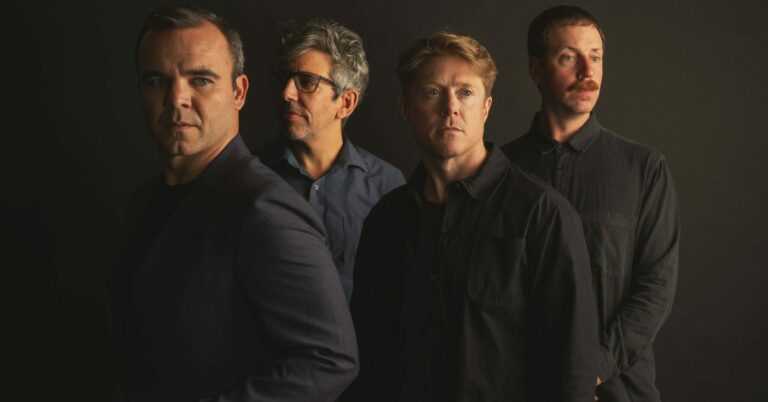
Future Islands have put out a new one-off single, ‘Glimpse’. The track was recorded during the sessions behind the band’s  latest album People Who Aren’t There Anymore, which arrived earlier this year. Future Islands and Steve Wright co-produced the song, which was mixed by Chris Coady and Steve Wright. Check out its accompanying animated video, created by Jayla Smith, below.

The Ideal Age for a Facelift: When Is the Best Time to Consider the Procedure?

The decision to undergo a facelift is a personal one, influenced by various factors beyond just age. While many people start considering this procedure in their 40s and 50s, there’s no universally “ideal” age for everyone. The best time for a facelift depends on individual aging patterns, skin elasticity, and personal goals.

Visible signs of aging, such as deeper wrinkles, loss of skin elasticity, and sagging around the midface and neck, often prompt individuals to explore facelift options. These changes typically become more noticeable from the mid-40s to 50s, making this age range common for facelift considerations. However, successful outcomes have been achieved for patients in their 60s, 70s, and even 80s.

A facelift in Ontario can help restore a more youthful appearance and boost confidence at various stages of life. The key is to consult with a qualified plastic surgeon who can assess your unique facial structure, skin quality, and aesthetic goals to determine if you’re a suitable candidate for the procedure.

Key Takeaways

  • The ideal age for a facelift varies based on individual factors and aesthetic goals
  • Consultation with a qualified surgeon is crucial for determining candidacy
  • Facelifts can provide lasting results and boost confidence when performed at the right time

Evaluating the Right Time for a Facelift

Determining the optimal timing for a facelift depends on various factors related to aging and individual skin characteristics. Careful consideration of these elements can help patients make informed decisions about facial rejuvenation.

Understanding the Aging Process and Facelift Timing

The aging process affects facial structures differently for each person. Factors like genetics, lifestyle, and sun exposure influence how quickly signs of aging appear. As collagen production decreases, skin loses elasticity and begins to sag.

Facial fat pads shift downward, creating jowls and deepening nasolabial folds. Fine lines and wrinkles become more pronounced. These changes typically start in the 30s and progress through the 40s and 50s.

Facelift timing often correlates with the severity of these aging signs. Some individuals may benefit from earlier intervention, while others might wait until more significant changes occur.

Ideal Age Range for Facelift Candidates

Most facelift patients fall between 40 and 60 years old. This age range often sees noticeable signs of aging that can be effectively addressed by the procedure.

Patients in their 40s may opt for less invasive techniques like a mini-lift to target early jowls and neck laxity. Those in their 50s and 60s might require more comprehensive facelifts to address deeper wrinkles and significant sagging.

It’s important to note that there’s no strict age limit for facelifts. Healthy individuals in their 70s or even 80s can still benefit from the procedure if they have good skin elasticity.

Signs You Might Be Ready for a Facelift

  • Persistent jowls that don’t improve with non-surgical treatments • Deep nasolabial folds (lines from nose to mouth) • Sagging skin in the mid-face and neck areas • Loss of jawline definition • Excess skin or fat under the chin (double chin)

These visible signs often prompt individuals to consider a facelift. When non-invasive options like dermal fillers or Botox no longer provide satisfactory results, it may be time to explore surgical options.

Consulting with a board-certified plastic surgeon can help determine if a facelift is appropriate. They will assess skin quality, facial structure, and overall health to recommend the best course of action.

Considering the Procedure and Aftercare

Choosing a qualified surgeon, understanding the consultation process, preparing for surgery, and planning for recovery are crucial steps when considering a facelift. These factors significantly impact the success and safety of the procedure.

Choosing a Qualified Plastic Surgeon

Selecting a board-certified plastic surgeon is essential for facelift surgery. These professionals have undergone rigorous training and adhere to strict safety standards. Patients should research potential surgeons’ credentials, experience, and before-and-after photos of previous facelift patients.

It’s advisable to schedule consultations with multiple surgeons to compare approaches and find the best fit. Asking about the surgeon’s experience with different facelift techniques, such as traditional facelifts, mini facelifts, or neck lifts, can help patients make informed decisions.

What to Expect During the Consultation

During the initial consultation, the surgeon will assess the patient’s facial structure, skin quality, and aesthetic goals. They may take photos and discuss various surgical options tailored to the patient’s needs.

The surgeon should explain the procedure in detail, including potential risks and expected outcomes. Patients should come prepared with questions about the surgeon’s experience, approach to facelifts, and recommendations for their specific case.

It’s important to discuss medical history, medications, and lifestyle factors that could affect the surgery or recovery process. The surgeon may also suggest complementary procedures like Botox or fillers to enhance results.

Preparing for Surgery and Understanding Risks

Prior to surgery, patients may need to adjust medications, quit smoking, and avoid certain supplements to reduce risks. The surgeon will provide specific pre-operative instructions, which may include fasting before the procedure.

Patients should understand potential complications such as infection, hematoma, or adverse reactions to anesthesia. While rare, these risks should be discussed thoroughly with the surgeon.

The cost of the procedure, including facility fees and anesthesia, should be clearly outlined. Patients should also inquire about the possibility of revisions and associated costs.

Facelift Recovery: Timeline and Tips for a Smooth Healing

Recovery time varies but typically spans 2-3 weeks. Patients should plan for time off work and arrange for help at home during the initial recovery period.

Swelling and bruising are common in the first week. Proper care of incisions, following medication schedules, and avoiding sun exposure are crucial for optimal healing.

Patients should attend all follow-up appointments to monitor progress. Most can resume light activities after 2 weeks, but strenuous exercise should be avoided for 4-6 weeks.

Adhering to the surgeon’s post-operative instructions, including sleeping with the head elevated and avoiding smoking, can significantly improve healing outcomes and reduce the risk of complications.

Conclusion

The ideal age for a facelift varies for each individual. While many patients seek facelifts between 40 and 60, there is no universal “best” age. The decision depends on factors like skin elasticity, visible signs of aging, and personal goals. Consulting with a board-certified plastic surgeon can help determine if the timing is right for a facelift procedure.

Family Budgeting Strategies to Maximize Savings and Minimize Stress

Managing a family budget can often feel like walking a tightrope. You’re balancing the household’s needs, personal desires, and, of course, the unexpected expenses that always seem to crop up at the worst possible times. It’s a challenging task, but with the right strategies, it’s likely to keep your finances in check, maximize your savings, and reduce stress. A well-planned budget serves as a financial roadmap, guiding your family toward financial stability and helping you achieve your goals without feeling overwhelmed.

Track Your Expenses 

One of the most critical aspects of effective family budgeting is understanding where your money is going. Many families are surprised when they take the time to review their spending habits. What often feels like a reasonable amount spent here and there can quickly add to significant sums. Start by tracking monthly expenses—every coffee, grocery trip, utility bill, and online purchase. Seeing this breakdown can be eye-opening, and it is necessary to identify areas where you might cut back.

Set Clear Financial Goals 

A common mistake in family budgeting is not setting clear financial goals. With a goal, it’s easy to maintain motivation and stay within your budget. Goals give your budget a purpose. Whether saving for a family vacation, building an emergency fund, or preparing for college tuition, having a clear target makes it easier to stay disciplined. Break down your goals into short-term, medium-term, and long-term categories. Short-term goals include saving for holiday gifts, medium-term goals may involve a car purchase, and long-term goals might include retirement savings. Assign realistic timelines to these goals and track your progress regularly. This keeps you focused and provides a sense of accomplishment as you achieve each milestone.

Use Online Banking Tools 

Speaking of automation, embracing online banking tools can also be a game-changer for family budgeting. For instance, many families benefit from using online banking with no deposit requirements. This option can make it easier to grow your savings without the stress of maintaining a minimum balance. Online banks often provide intuitive apps and tools that allow you to track your spending, set up savings goals, and monitor your progress all in one place. The convenience of managing your money from your smartphone can reduce stress and save time, allowing you to focus on other important aspects of your life. Plus, the added benefit of earning more interest on your savings compared to traditional banks can help you reach your financial goals faster.

Apply the 50/30/20 Rule 

One strategy that can be particularly effective in maximizing savings is the “50/30/20” rule. This budgeting rule suggests allocating 50% of your income to needs, 30% to wants, and 20% to savings or debt repayment. This formula provides a balanced approach to budgeting, allowing you to cover essential expenses, enjoy life, and build financial security. However, this rule isn’t flexible. Every family is different, and so are their financial situations. Adjust the percentages according to your needs and financial goals. If you’re working towards paying off debt or saving for a significant expense, you may use a larger portion of your income for savings or debt repayment.

Automate Savings 

Automating your savings is another effective strategy to consider. Many families struggle with saving because they see the money sitting in their checking account and feel tempted to spend it. One way to avoid this temptation is to set up automatic transfers from your checking account to a savings account. Treat your savings like any other bill that needs to be paid each month. This approach ensures that you’re consistently saving money; over time, those savings can grow significantly.

Regularly Review Budget

Creating a budget is more than just a one-time event. It’s a living document that should evolve with your family’s needs and circumstances. Regularly reviewing your budget helps you stay on track and adjust as needed. Set aside time each month to review your finances. Look at what’s working, what isn’t, and where you can improve. Your grocery bill was higher than expected, or you saved more on transportation by carpooling. Use these insights to refine your budget and make more informed financial decisions. This regular check-in also keeps the family accountable and involved in the budgeting process.

Build an Emergency Fund 

It’s also important to build an emergency fund. Life is full of surprises, and not all of them are pleasant. An emergency fund can provide a safety net when unexpected expenses arise, such as car repairs, medical bills, or job loss. Aim to save three to six months’ living expenses in a separate savings account. This may sound daunting, but you cannot do it in stages. Start small and build your fund gradually over time. The peace of mind from knowing you have a financial cushion to fall back on is worth the effort.

Cut Costs 

Cutting costs where possible is another key aspect of family budgeting. This doesn’t mean you have to live a life of deprivation, but rather, make smarter choices about spending your money. Look for areas where you can cut back without significantly impacting your lifestyle. For example, consider switching to a lower-cost phone plan, canceling subscriptions you don’t use, or buying generic brands instead of name-brand products. Every little bit adds up, and the money saved can be redirected towards your savings goals or paying down debt.

Manage Debt Wisely 

Debt can be a major source of stress for families, but there are strategies to manage it effectively. Prioritize paying off high-interest debt first, such as credit card balances, to avoid paying excessive amounts in interest over time. This also includes considering options like Parent PLUS Loan refinancing if you’re managing education-related debt. Refinancing could help secure a lower interest rate, potentially easing monthly payments and improving cash flow for other financial priorities. Additionally, consider using the debt snowball or avalanche methods to accelerate repayment. The debt snowball method focuses on first paying off the smallest debts to build momentum, while the debt avalanche method targets the highest interest rates first, saving more money in the long run. Choose the method that works best for you and stick with it.

Educate Your Children 

Teaching children about money is another valuable aspect of family budgeting. Educating your kids about the value of money, how to save, and the importance of making wise financial choices will set them up for a financially responsible future. Involve them in age-appropriate discussions about the family budget, set them up with a savings account, and encourage them to save a portion of their allowance or earnings. These lessons can foster a sense of responsibility and help them understand that money is a finite resource.

Conclusion

Ultimately, family budgeting is about creating a plan that works for everyone. It’s not about living a life of austerity but making informed choices that align with your family’s values and financial goals. Remember, there is no one-size-fits-all approach to budgeting. What works for one family may not work for another, so it’s essential to tailor your strategies to fit your unique situation. With careful planning, regular review, and a commitment to your financial goals, you can create a family budget that maximizes savings, minimizes stress, and sets you on a path to financial stability and peace of mind.

Best Ways to Explore the Great Outdoors

The great outdoors. Nothing beats it. It offers an abundance of opportunities to connect with nature and experience the unforgettable. Whether you prefer the rugged landscapes of Snowdonia, the ancient woodlands of the New Forest or the sweeping beaches of Norfolk, we’ve got it all here in the UK.

Here are some of the best ways to immerse yourself in this natural beauty.

Hiking adventures

Exploring on foot is one of the most rewarding ways to experience the great outdoors. Hiking allows you to immerse yourself in nature at a pace that’s best for you – whether that’s a gentle stroll or a brisk walk. You also have a better chance to appreciate the wonders that surround you.

If you’re eyeing up a multi-day hiking adventure, consider the West Highland Way in Scotland. It’s 96 miles of breathtaking scenery, including lochs, glens and stunning views of Ben Nevis, the highest peak in the UK.

Or, for a less strenuous option, the Cotswold Way provides 102 miles of picturesque villages, rolling hills and historical sites, perfect for a blend of natural beauty and cultural enlightenment.

Road trips and camping

A road trip offers the chance to cover more ground and a variety of landscapes in a shorter time. With the ability to stop off at different points of interest and do all kinds of activities, it’s a great way to get a more diverse view of nature.

The North Coast 500, often dubbed Scotland’s answer to Route 66, is a spectacular 516-mile route that takes you around the northernmost coast of Scotland. The way is littered with dramatic cliffs, majestic mountains, sandy beaches and remote castles – all perfect for exploration on two feet or two wheels when you’re not on the road.

Pairing a road trip with camping elevates the experience. There’s a plethora of options to suit your preferences, from motorhomes and campervans to tents and ‘glamping’ sites. Camping gives you another level of connection with the outdoors. If you are taking a vehicle such as a motorhome, make sure you have an appropriate motorhome insurance policy in place for protection.

Wildlife photography

Capture the beauty of the natural world through a lens, while taking it all in simultaneously. It’s a fulfilling way and restorative way to engage with nature. The UK is perfect for wildlife photography, offering the chance to snap everything from the elusive Scottish wildcat to seabirds on the cliffs of Bempton.

Consider joining a wildlife photography workshop to learn how to capture the best shots. These often take place in locations known for their rich biodiversity, so they’re like an interactive classroom. Professional guides can help you find the best spots and teach you techniques to improve your photography, leaving you with incredible images that should last a lifetime.

Go out and explore! Be at one with nature.

12 Reasons Prop Money 20 Dollar Bills Make Film Sets More Realistic

When it comes to creating a realistic ambiance on film sets, attention to detail is paramount. Using props that closely mimic the real thing can significantly enhance the viewer’s experience and make scenes come alive. One such prop, often overlooked but undeniably powerful, is prop money in the form of authentic-looking 20-dollar bills.

In this article, we will explore twelve reasons why using prop money featuring 20 dollar bills enhances the realism of film sets. So, let’s delve into the world of prop money and discover its versatile applications in movie production.

Prop Money 20 Dollar Bills Make Film Sets More Realistic

1. Fosters Authenticity

The use of genuine-looking 20-dollar bills in movie scenes establishes a level of authenticity that captures viewers’ attention immediately. When characters interact with realistic props like these notes during crucial moments, it deepens their believability and strengthens the audience’s emotional connection.

2. Enables Convincing Transactions

Money often plays an integral role in storytelling, whether it’s securing a deal or making a purchase. Incorporating prop money can genuinely transform simulated interactions into believable transactions by providing actors with tangible props to handle during these crucial scenes.

3. Creates Genuine Visual Appeal

Well-designed prop money incorporating 20 dollar bills can lend an aura of elegance and sophistication to a movie scene. Its vibrant colors, intricate designs, and embossed texture prove visually captivating while engaging viewers on multiple sensory levels.

4. Nurtures Actor Confidence

Having access to high-quality props instills confidence in actors during their performances. The presence of accurately designed 20-dollar bills brings an added sense of solidity to their roles, enabling them to engage more intensely with both their surroundings and fellow cast members.

5. Elevates Directing Strategies

Directors often rely heavily on visual cues to guide character development within a story. By buying realistic prop money 20 dollar bills online, directors can leverage these props to empower their actors and steer performances towards greater authenticity and emotional depth.

6. Sparks Creative Inspiration

A versatile prop such as prop money can catalyze creative inspiration. Directors, screenwriters, and actors may draw upon its presence to unlock a flow of innovative ideas, leading to more impactful storytelling that resonates with audiences on a deeper level.

7. Enhances Set Design

Prop money adorned with 20-dollar bills can also be utilized as part of the set design itself. When placed strategically within scenes, this type of fake currency can contribute to an overall aesthetic while providing context that grounds viewers in a particular period or atmosphere.

8. Facilitates Safe Handling

Using realistic-looking 20-dollar bills explicitly made for film productions ensures that safety remains a priority on set. The absence of genuine currency removes any potential risks associated with theft or mishandling, allowing professionals to focus entirely on their craft without worry or distraction.

9. Provides Cost-Effectiveness

Compared to alternative methods involving real money, using prop money proves highly cost-effective for producers. By opting for expertly crafted imitation notes featuring 20 dollar bills, filmmakers can maintain the semblance of genuine currency on screen without depleting production budgets.

10. Accelerates Workflow Efficiency

The availability of prop money speeds up workflow efficiency considerably during shooting by reducing potential bottlenecks associated with manipulating actual cash securely. Quick access to handy stacks of movie-grade 20-dollar bills helps streamline rehearsals and take-after-take without sacrificing crucial preparations.

11. Research-Based Accuracy

Each prop bill emulates authentic U.S. currency meticulously. Due diligence went into ensuring designs mirror existing notes accurately and preserve historical accuracy while reinforcing the aura of realism crucial in any filming endeavor.

12. Expands Creative Opportunities

The versatility of small denominations like 20-dollar bills opens up a broad range of creative opportunities across genres, from crime dramas to romantic comedies. Prop money allows writers, directors, and actors alike to explore diverse narratives and add layers of authenticity to their character portrayals.

In Conclusion

Prop money featuring realistic 20-dollar bills possesses immense value in elevating the authenticity of film sets. Whether it’s fostering believability in transactions, inspiring creativity amongst the crew, or strengthening visual aesthetics, these props undoubtedly enhance the overall production value of any movie. By utilizing such detailed and accurate representations of currency, filmmakers can captivate audiences through a truly immersive viewing experience.