

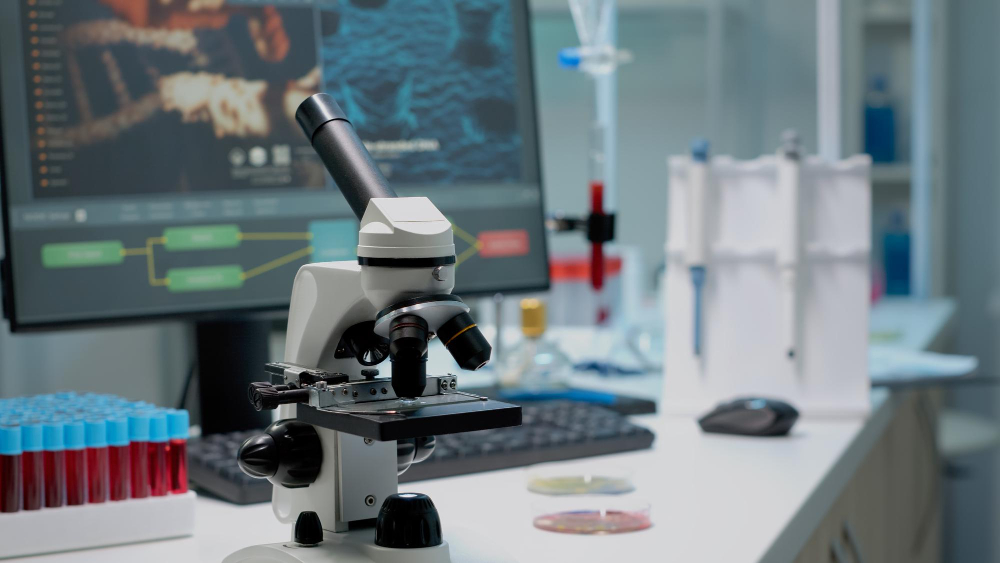
In laboratories across the United States, from bustling clinical diagnostics centers in Houston to pharmaceutical research facilities in New Jersey, a quiet revolution is transforming how scientists work. The days of manually pipetting hundreds of samples, tracking vials with paper logs, and hoping that human error doesn’t compromise months of research are steadily fading. At the heart of this transformation lies a technology that is reshaping laboratory workflows and redefining what precision truly means: automated sample handling systems.
These sophisticated platforms are not simply fancy robotic arms that move tubes from one place to another. They represent a fundamental shift in how modern laboratories approach sample processing, data integrity, and operational scalability. As labs face mounting pressure to process more samples in less time—while maintaining rigorous quality standards—the adoption of automation has become less of a luxury and more of a necessity. Let’s explore why this technology has become indispensable and how it’s improving outcomes across the scientific spectrum.
The Cost of Human Error in Manual Sample Processing
Anyone who has spent time in a laboratory understands that manual sample handling is fraught with potential pitfalls. A fatigued technician working a double shift might mislabel a vial. A rushed researcher could accidentally swap two samples during a batch run. Even the most meticulous professional can introduce variability through inconsistent pipetting technique.
The consequences of these errors extend far beyond inconvenience. In clinical settings, a misidentified sample could lead to a misdiagnosis, potentially affecting a patient’s treatment plan. In pharmaceutical development, compromised samples might invalidate entire studies, wasting millions of dollars and delaying life-saving therapies from reaching the market.
According to research published in academic journals focused on laboratory medicine, error rates in manual sample processing can range anywhere from 0.1% to over 1%, depending on the complexity of the procedures involved. While those percentages might sound small, they translate to thousands of affected samples when you consider the volume of testing conducted at major medical centers across the United States.
How Automated Sample Handling Systems Address These Challenges
Automated sample handling systems are engineered to eliminate the variability that comes with human intervention. By standardizing every step of the process—from sample aspiration and dilution to transfer and analysis—these platforms ensure that each specimen receives identical treatment regardless of when it’s processed or who is operating the equipment.
Modern systems incorporate advanced features that go well beyond basic mechanization. Barcode scanning and RFID technology track every sample throughout its journey, creating an auditable trail that satisfies regulatory requirements from agencies like the FDA and CLIA. Liquid handling mechanisms calibrated to microliter precision ensure that volumes are consistent across thousands of samples. And integrated software platforms capture data in real time, reducing the risk of transcription errors that plague paper-based workflows.
For laboratories looking to enhance their capabilities, automated sample handling systems offer a scalable solution that grows with evolving testing demands.
The Efficiency Gains That Matter Most
Time is perhaps the most valuable resource in any laboratory. Every hour spent on repetitive manual tasks is an hour not spent on analysis, interpretation, or the kind of creative problem-solving that drives scientific breakthroughs. Automated systems fundamentally change this equation.
Consider a mid-sized clinical laboratory processing 500 samples per day. A manual workflow might require three full-time technicians dedicating their entire shifts to sample preparation and transfer. With automation, those same 500 samples could be processed in a fraction of the time, freeing those technicians to focus on quality control, result verification, and patient communication—tasks that genuinely benefit from human expertise.
The efficiency gains extend beyond raw throughput. Automated systems can operate continuously, running overnight batches that would be impractical with manual staffing. They reduce the physical strain on laboratory personnel, decreasing the repetitive motion injuries that are unfortunately common in the field. And they enable laboratories to handle sudden surges in demand—whether from a public health emergency or a seasonal spike in testing—without scrambling to hire and train additional staff.
Enhancing Accuracy Through Standardization
The relationship between automation and accuracy deserves particular attention because it’s often misunderstood. Some skeptics argue that automated systems simply replace one set of errors with another—machine malfunctions instead of human mistakes. While no technology is infallible, the data consistently shows that well-maintained automated platforms dramatically outperform manual processes in terms of reliability.
The key lies in standardization. When every sample undergoes identical processing steps, the variability introduced by different technicians, different times of day, or different levels of fatigue disappears. This consistency is especially critical in applications like genomic sequencing, where even minor variations in sample preparation can significantly affect results.
Automated systems also incorporate built-in checks that catch problems before they propagate. Sensors detect clogs or insufficient sample volumes. Software flags results that fall outside expected ranges. And because every action is logged, troubleshooting becomes a matter of reviewing data rather than trying to reconstruct what might have gone wrong.
Real-World Applications Across Industries
The impact of automated sample handling extends across diverse sectors of the American economy. In hospital laboratories, automation enables rapid turnaround times for critical tests, supporting emergency department decision-making and improving patient outcomes. Reference laboratories use these systems to manage the massive volumes of specimens shipped from physician offices and clinics nationwide.
Pharmaceutical companies rely on automation throughout the drug development pipeline, from high-throughput screening of potential compounds to bioanalytical testing during clinical trials. Agricultural laboratories use automated systems to test soil, water, and crop samples, supporting the nation’s food safety infrastructure. Even forensic laboratories have embraced automation to process evidence more efficiently while maintaining the chain of custody required for legal proceedings.
Environmental testing laboratories, which monitor everything from drinking water quality to industrial emissions, depend on automated systems to handle the thousands of samples collected through regulatory compliance programs. The consistency these systems provide is essential when results may inform public health decisions or regulatory enforcement actions.
Selecting the Right System for Your Laboratory
Not all automated sample handling systems are created equal, and choosing the right platform requires careful consideration of your laboratory’s specific needs. Several factors deserve attention during the evaluation process:
- Throughput requirements: Estimate your current sample volume and project future growth. A system that’s too small will become a bottleneck, while an oversized system represents wasted capital.
- Sample types and formats: Different systems excel with different sample containers, from standard blood tubes to specialized microplates. Ensure compatibility with your existing collection methods.
- Integration capabilities: Your automation should communicate seamlessly with your laboratory information management system (LIMS) and analytical instruments.
- Footprint and infrastructure: Consider the physical space available, power requirements, and any environmental controls needed.
- Service and support: Investigate the vendor’s track record for maintenance, technical support, and software updates.
- Regulatory compliance: Verify that the system meets applicable standards for your industry, whether that’s CLIA, FDA, EPA, or other governing bodies.
Taking time to thoroughly evaluate these factors will pay dividends in the long run, ensuring that your investment delivers the accuracy and efficiency gains you’re seeking.
The Future of Laboratory Automation
The trajectory of laboratory automation points toward even greater integration and intelligence. Machine learning algorithms are being developed to optimize sample processing parameters in real time, adjusting for variables like sample viscosity or ambient temperature. Cloud-based platforms enable remote monitoring and data sharing across multiple sites, supporting the distributed laboratory networks that have become increasingly common.
Robotics continues to advance as well, with collaborative robots designed to work alongside human technicians rather than replacing them entirely. These “cobots” can handle repetitive tasks while leaving complex decision-making to skilled professionals, creating a hybrid workflow that leverages the strengths of both humans and machines.
For laboratories that haven’t yet embraced automation, the gap between early adopters and laggards is widening. Those who invest in these technologies now will be better positioned to compete for contracts, attract talented staff, and deliver the reliable results that clients and patients demand.
Taking the Next Step Toward Laboratory Excellence
The evidence is clear: automated sample handling systems deliver measurable improvements in both accuracy and efficiency. They reduce errors, accelerate workflows, and free skilled professionals to focus on higher-value activities. For laboratories across the United States, adopting this technology is no longer a question of whether but when.
The transition requires thoughtful planning and investment, but the returns—in terms of quality, productivity, and peace of mind—make it worthwhile. Whether you’re managing a small clinical laboratory or overseeing operations at a large research institution, the principles remain the same. Standardize your processes, leverage technology to eliminate variability, and empower your team to do what they do best.
In an era where scientific discoveries happen faster than ever and the demand for reliable testing continues to grow, automation provides the foundation for sustainable success. The laboratories that thrive in the coming years will be those that recognize this reality and act on it decisively.

