

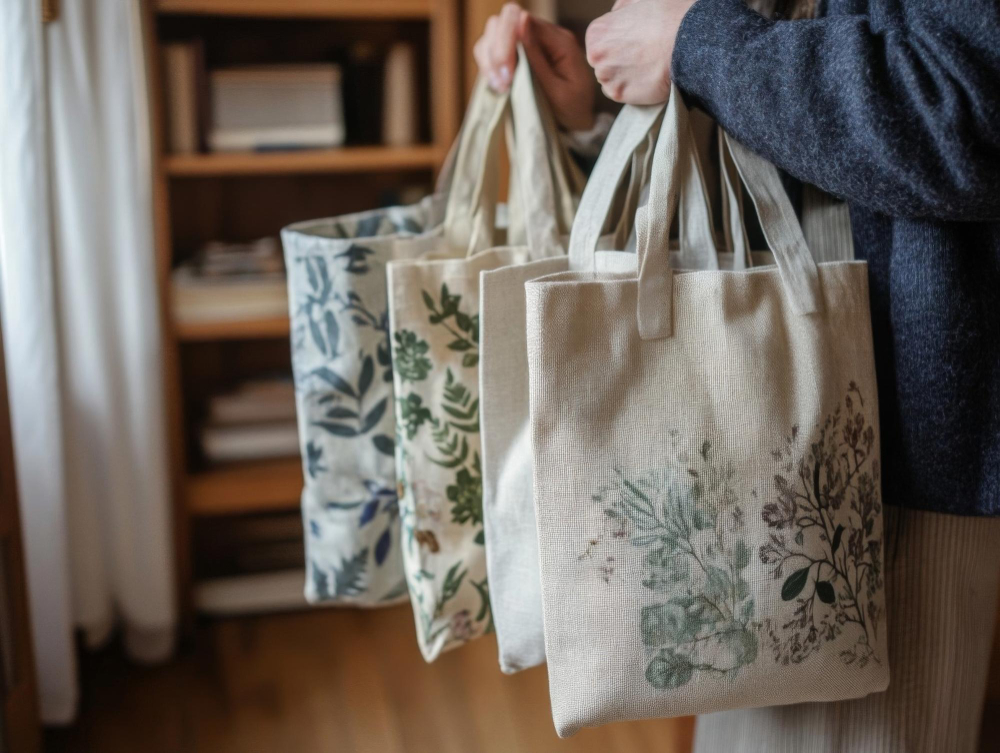
Every morning, 140 million people nationwide head out on their morning commute. Many thousands of them do so carrying tote bags, which act as mobile art exhibits moving through busy city streets, and most do this without giving it a second thought.
What began as a utilitarian vessel for hauling block ice and groceries has quietly evolved into one of the most accessible forms of self-expression in modern culture. The humble canvas bag has shed its purely functional roots to become a personal canvas, a political billboard, and a walking statement of identity. Understanding this transformation reveals how everyday objects shape cultural dialogue and individual style.
The Evolution From Everyday Utility to Cultural Icon
Before canvas bags entered art galleries and boutique storefronts, they were designed strictly for heavy lifting. In the mid-twentieth century, heavy-duty fabric bags served practical purposes in industrial and outdoor settings, prioritizing durability above aesthetics.
The modern shift toward personal expression began when artists and activists recognized the open, blank space of the woven fabric as prime real estate, and streetwear pioneers took up the mantle. During the late twentieth century, independent publishers, record shops, and community centers began printing custom graphics and slogans on cotton totes, effectively turning everyday carriers into badge-like symbols of cultural belonging.
Today, the popularity of these woven carriers continues to rise across global retail sectors. Market research indicates that canvas materials account for nearly 40% of the global tote market, driven by an increasing preference for reusable goods that double as visual reflections of personal values.
Why the Simple Canvas Works as an Artistic Medium
Canvas offers a unique combination of structural integrity and visual clarity that synthetic fabrics rarely match. The neutral texture accepts screen prints, direct-to-garment designs, embroidery, and hand-applied paints with exceptional color retention.
Unlike digital media or gallery pieces that remain locked behind screens and physical walls, a printed bag moves through public spaces naturally. It creates organic encounters between creator and viewer, serving as an accessible medium for emerging illustrators and established graphic design houses alike.
Businesses and local artists frequently rely on custom canvas tote bags to turn functional merchandise into memorable artistic statements. By pairing minimalist construction with striking visual layouts, simple cotton fabrics bridge the gap between commercial branding and personal fashion.
Carrying Identity and Values in Public Spaces
In modern urban environments, accessory choices act as subtle shorthand for identity. The graphic printed on a shoulder bag often communicates personal tastes, literary preferences, or social causes faster than a conversation can.
People choose specific designs to signal community membership and shared values in daily life:
- Independent bookstore prints highlight literary interests and support for local businesses
- Gallery and museum exhibition graphics demonstrate appreciation for visual arts and culture
- Minimalist typography and eco-conscious messaging reflect personal sustainability commitments
This quiet communication gives ordinary routines intentionality, turning a standard commute into a subtle display of personal philosophy.
The Intersection of Sustainability and Personal Style
Environmental awareness has dramatically shifted consumer choices away from single-use plastics over the past two decades. As reusable alternatives became daily essentials, consumers naturally sought options aligned with their individual style rather than purely utilitarian ones.
Canvas standardizes eco-friendly habits while offering endless opportunities for visual customization. A single well-made cotton bag replaces hundreds of disposable alternatives over its lifetime, gaining unique character and patina through regular use.
As vintage wear and handmade aesthetics continue gaining traction among fashion enthusiasts, worn canvas graphics carry a distinct charm. Small imperfections, softened fibers, and faded inks tell a story of travel, daily errands, and years of continuous use.
DIY Personalization and the Creative Process
Beyond mass-produced graphics, the raw surface of plain cotton invites direct hands-on creativity. Students, crafters, and DIY enthusiasts often use fabric markers, block printing, and custom patches to turn plain surfaces into one-of-a-kind pieces.
This low barrier to entry makes custom fabric work an ideal entry point for beginner artists testing new ideas. Crafting a personal design requires minimal equipment, making creative experimentation both affordable and practical.
Customizing your own gear reinforces a personal connection to everyday objects, moving away from fast consumerism toward thoughtful creation. When an item carries personal artwork or hand-stitched details, it transforms from a simple utility item into a lasting piece of functional art.
The Future of Functional Art in Daily Life
Functional accessories will continue serving as dynamic canvases for creative expression as design techniques advance and sustainable materials evolve. The enduring appeal of woven cotton lies in its simplicity, proving that an object does not need complex technology to carry deep cultural meaning.
Whether displaying a famous museum print, a local café emblem, or a hand-painted illustration, these versatile carriers bridge utility and creative flair. Taking time to curate the items you carry every day ensures that even simple errands remain connected to personal identity and thoughtful design. Read up on more fashion and marketing trends right here on our site.

