

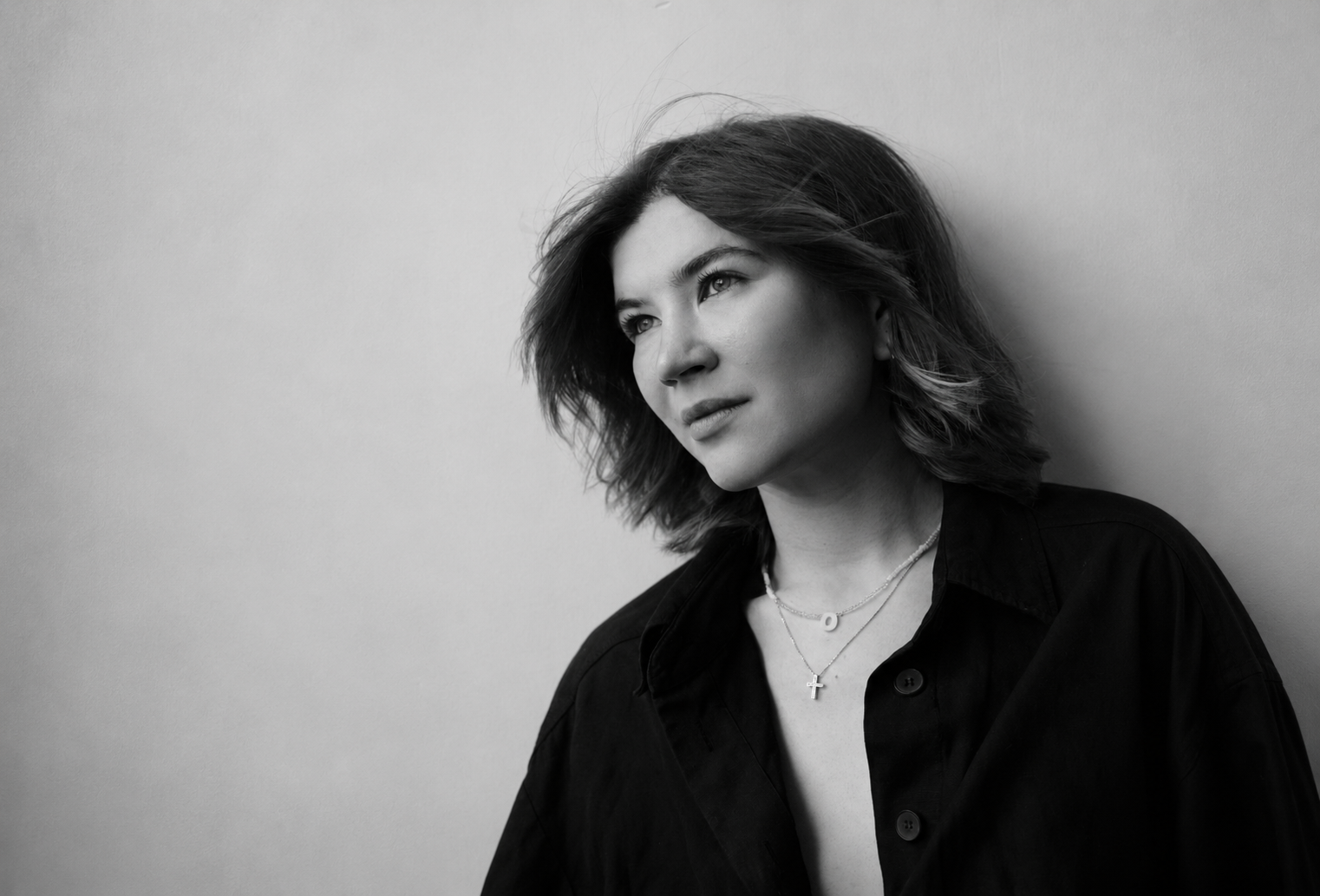
Olya (Frank) Frankevich is a photographer working at the intersection of fine art, editorial, and commercial photography. Her practice spans psychological portraiture, brand campaigns for Audi, Nike, Jeffrey’s Coffee, and the developer Samolet, backstage photography in film and theater, and personal projects about intimacy and vulnerability.
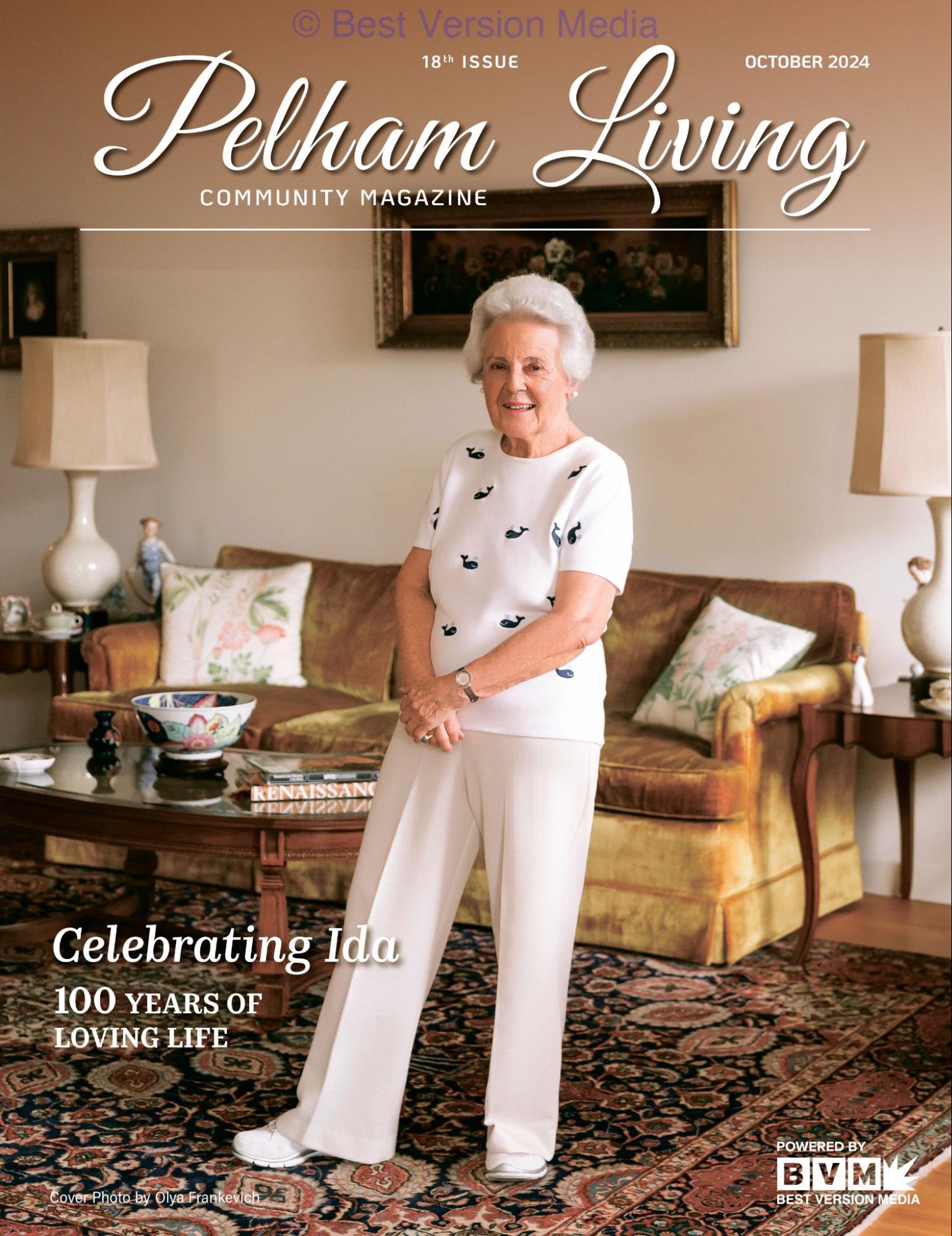
She has photographed actors Aleksandr Kuznetsov (Fantastic Beasts: The Secrets of Dumbledore, Two Prosecutors), Zhenya Gromova (Fidelity, The Country of Sasha), Lena Tronina (Exes, Aurora, Happy End), and others. Her photographs have appeared on the covers of the American magazine Pelham Living and were featured in Yuri Dud’s interview with Kuznetsov, which reached an audience of millions.
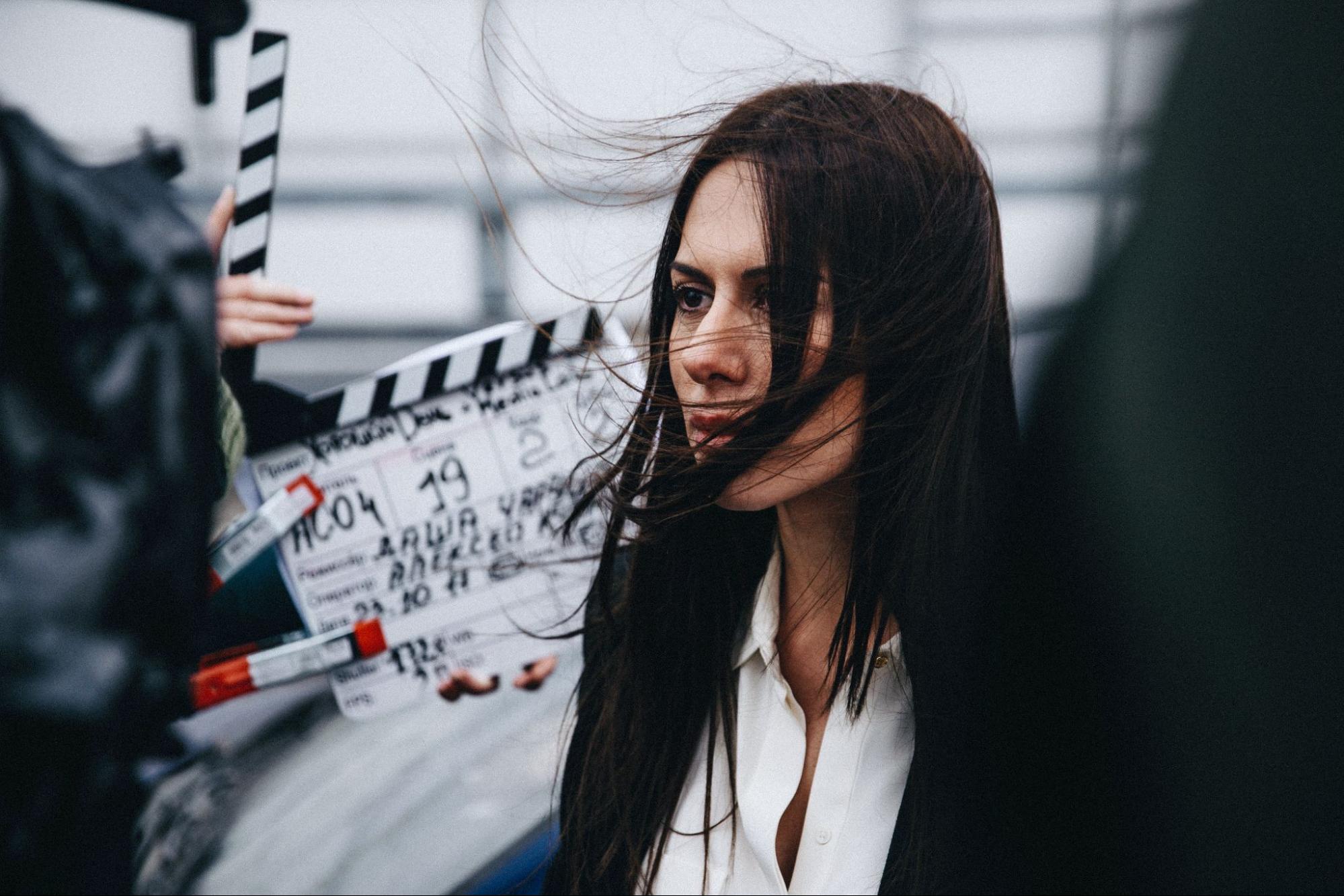
Her backstage work for the short film “No Decay” (original title: “Tlena net”; 2017) was exhibited as a standalone show at screenings in Moscow and Saint Petersburg, including at Lenfilm, the oldest film studio in the world.
Her commercial portfolio includes projects for Nike (NYvsNY), the video platform Okko, the restaurant chain Suka Sushi, and Best Version Media. Education: cultural studies (RGSU), cinematography (MITRO), media art (Rodchenko School).
Member of American Photographic Artists. In the summer of 2026 — staff photographer at the Jersey City International Theater Festival.
— How did you come to photography? Was there a moment after which it became clear that this was your path?
— As a child, I was shy and often felt invisible among my peers. I found friends in books and music. I needed a way to express myself: at thirteen I enrolled in an academic art school — strict classical techniques, precise drawing. It gave me a solid foundation, but I felt no inner resonance.
Everything changed a year later when a small camera happened to end up in my hands. I immediately started photographing people I felt a kinship with: musicians, tattoo artists, cosplay artists.
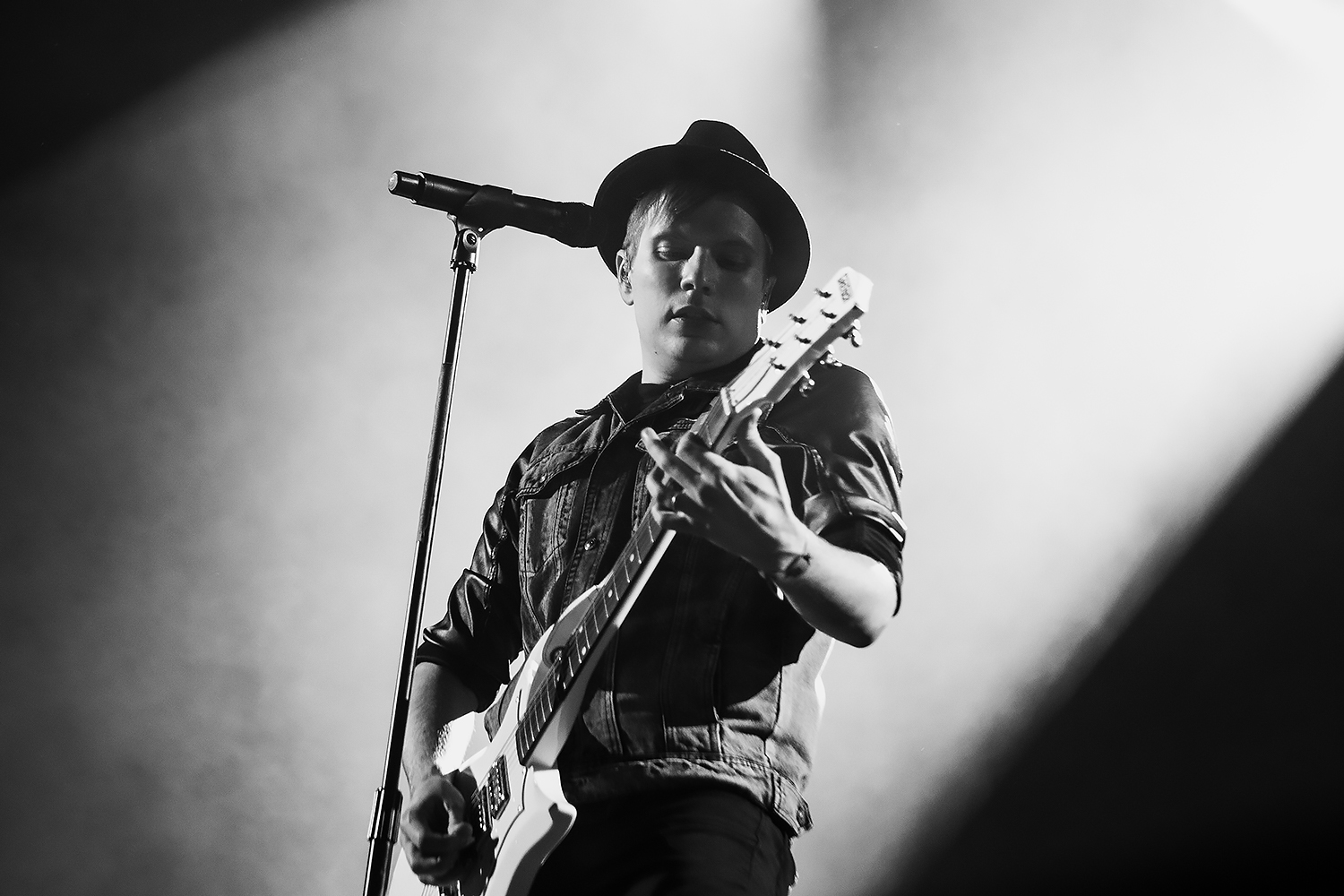
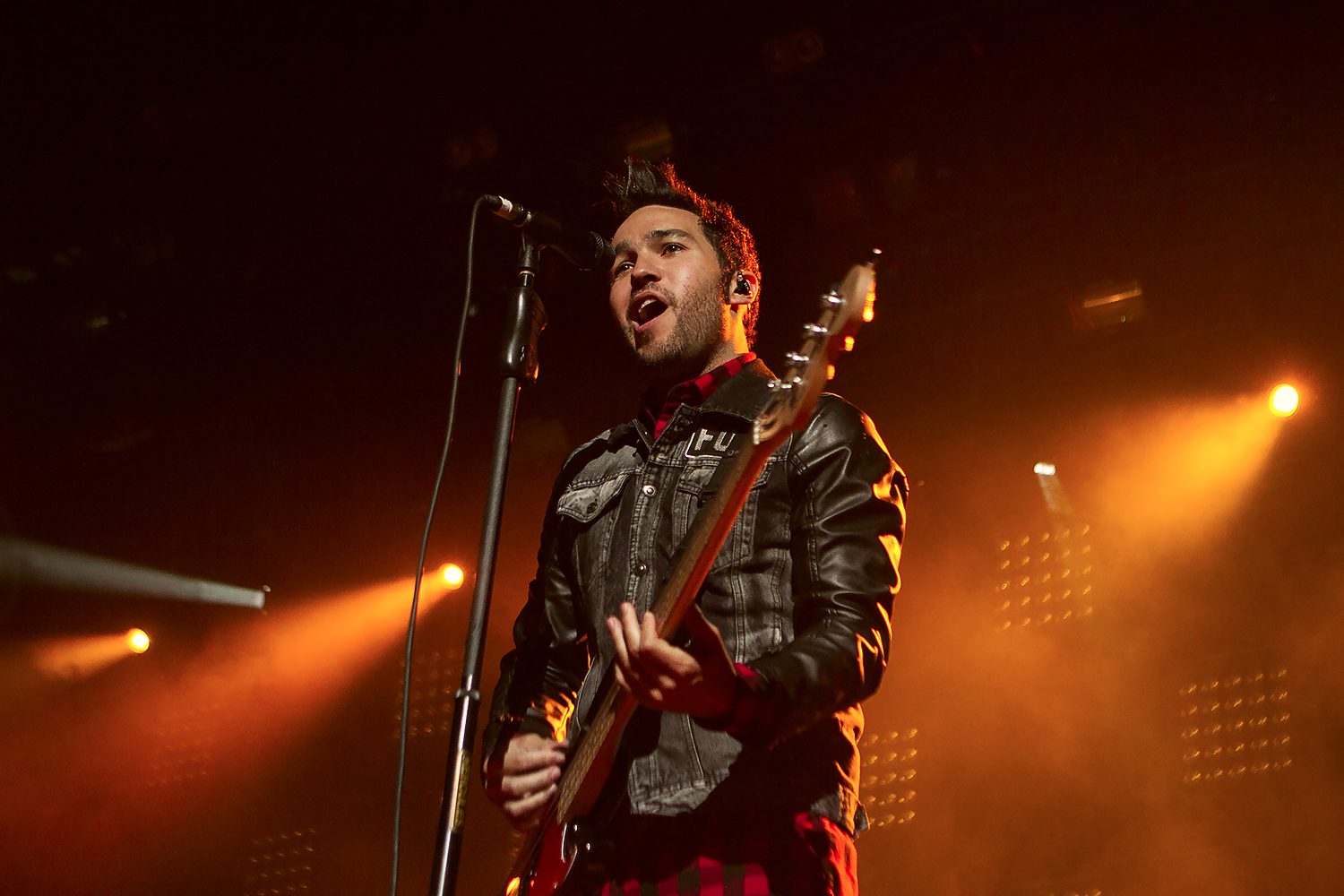
And at sixteen, a dream became reality: I desperately wanted to get into a concert by my favorite band and found a way to do it. Through the main fan community, I became the official photographer at a Fall Out Boy concert in Moscow. That moment set the direction.
— You have an unusual combination of education: cultural studies, cinematography, media art at the Rodchenko School. How do these different lenses work together?
— Different schools shaped my visual literacy and my trajectory — toward creative photography, storytelling, and psychological portraiture as a project-based practice. Film school helped me form the foundation of my taste. Knowledge of sociology, cultural history, and art helped me structure information and express ideas through precise visual solutions.
The Rodchenko School is the leading institution for conceptual photography in Russia. I took several courses there to learn how to work with different mediums and turn photography into a complete story — with text, music, and other means beyond the image itself.
— Is there an artist, photographer, or director you consider a reference point?
— I feel close to artists Andrew Wyeth, Alexander Calder, and Kiki Smith, and directors Paul Thomas Anderson, David Lynch, Park Chan-wook, and the McDonagh brothers.
What unites them is a combination of simplicity and strangeness, beauty and inner tension. And a visual language that always serves the creation of a world of its own.
— How would you describe your visual language to someone who has never seen your work? What makes a photograph “yours” — regardless of the assignment?
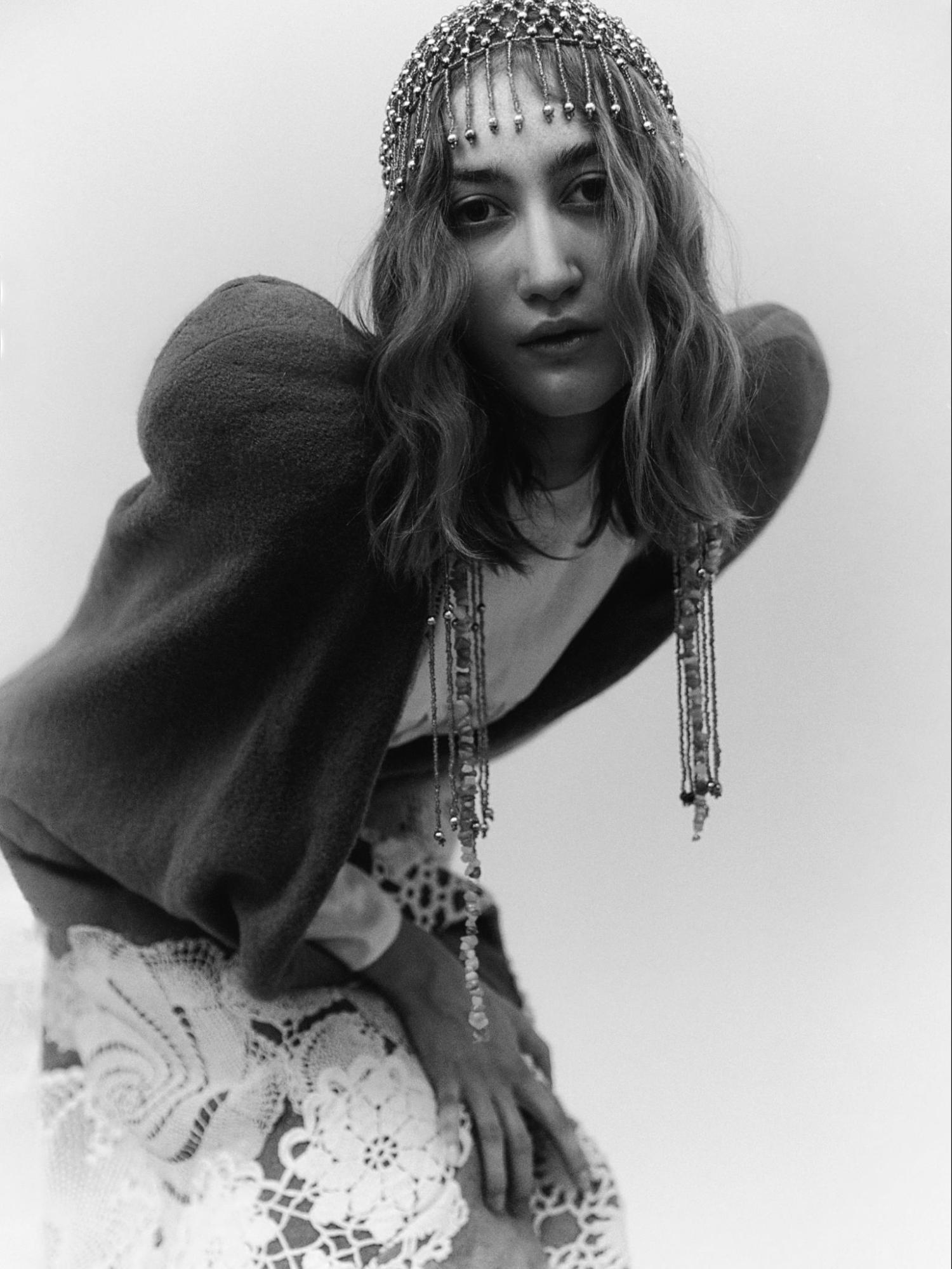
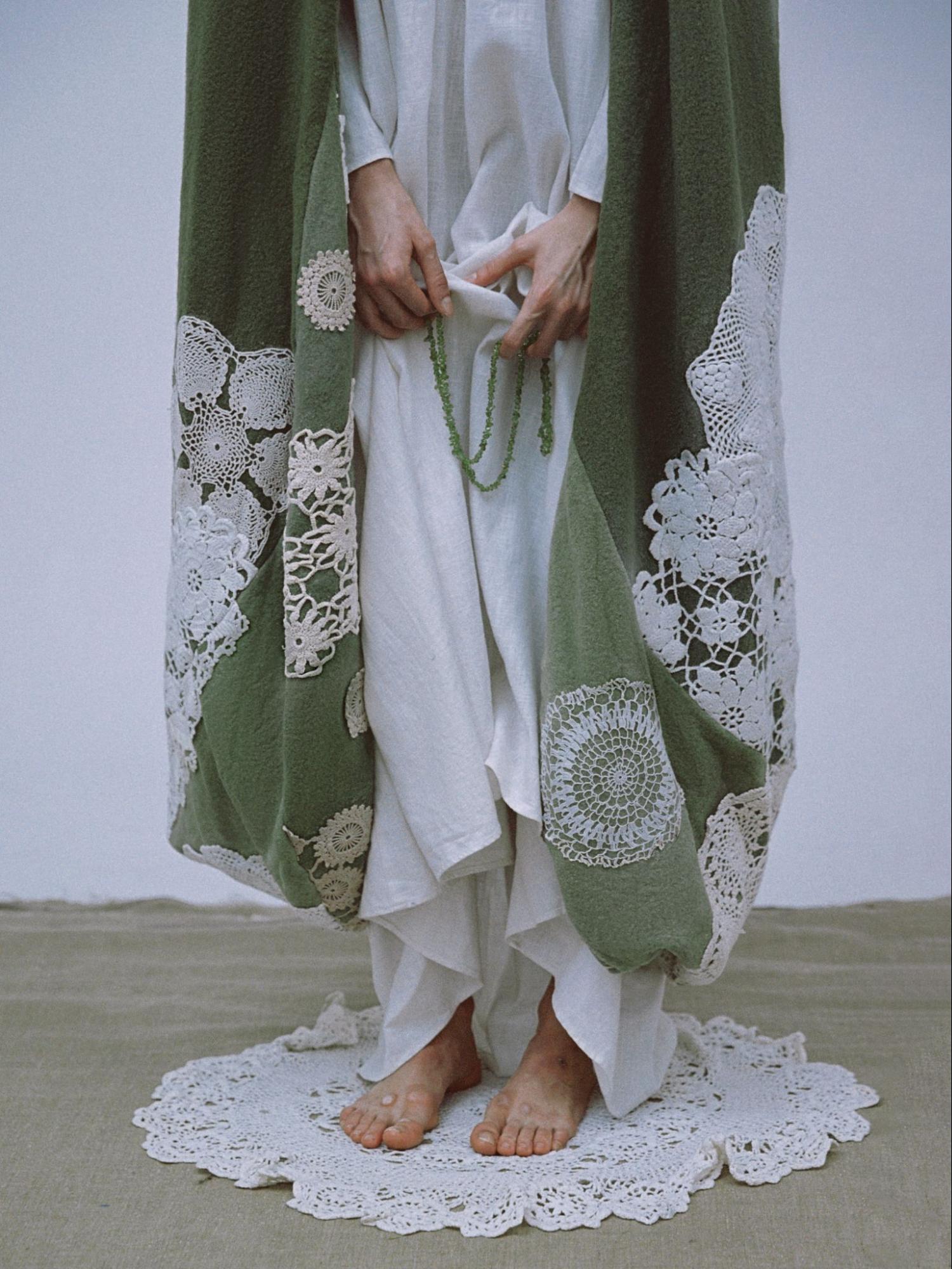
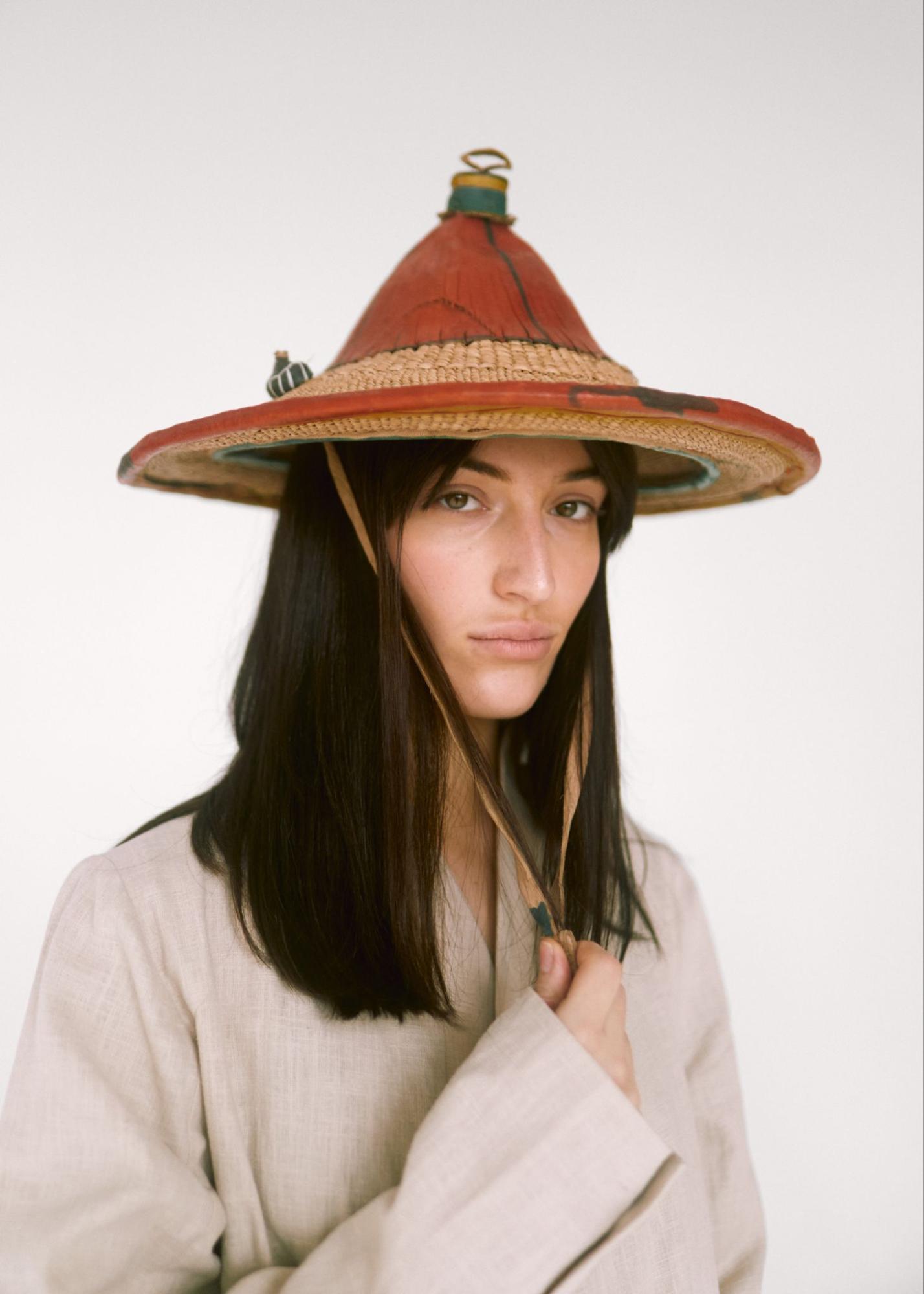
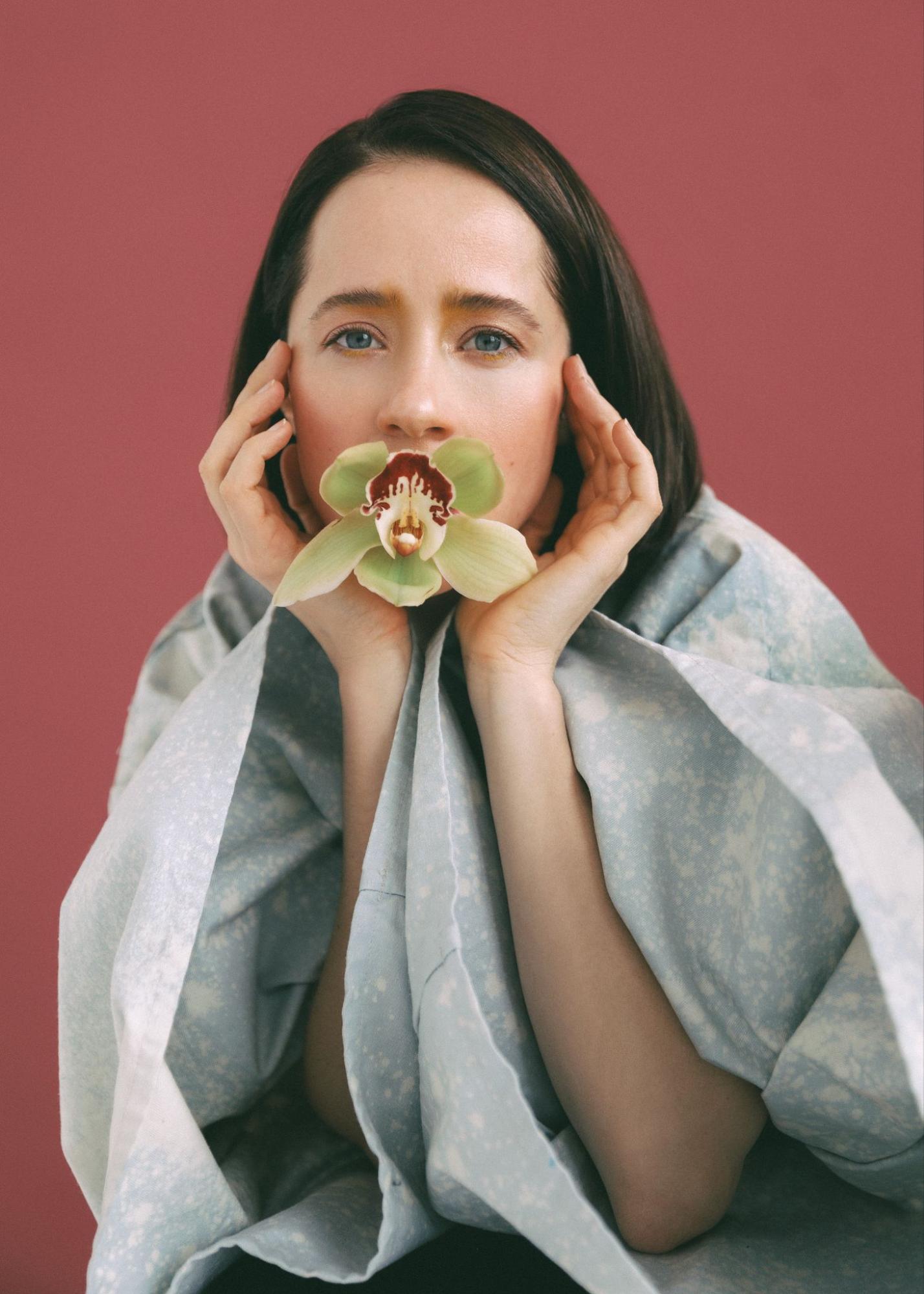
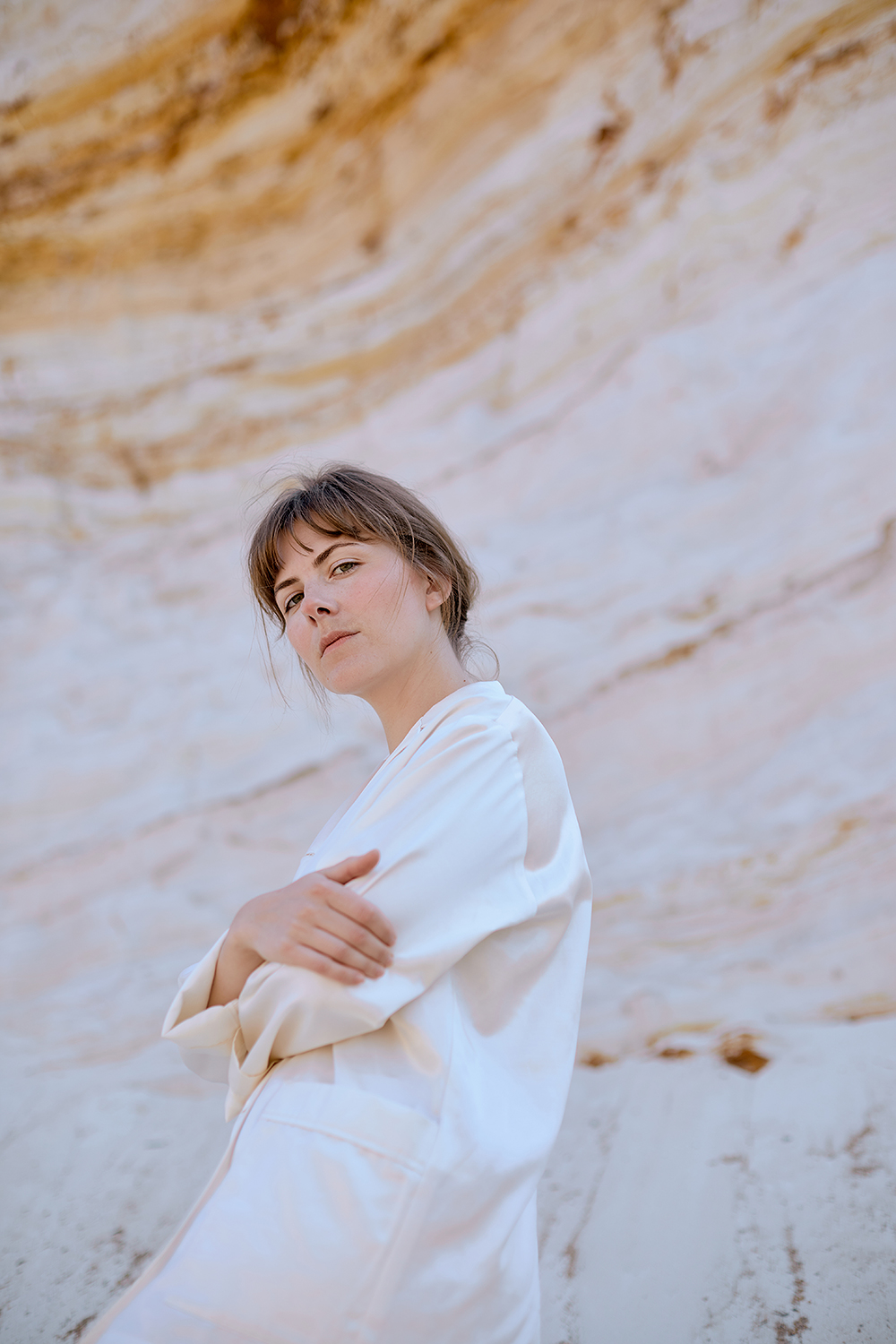
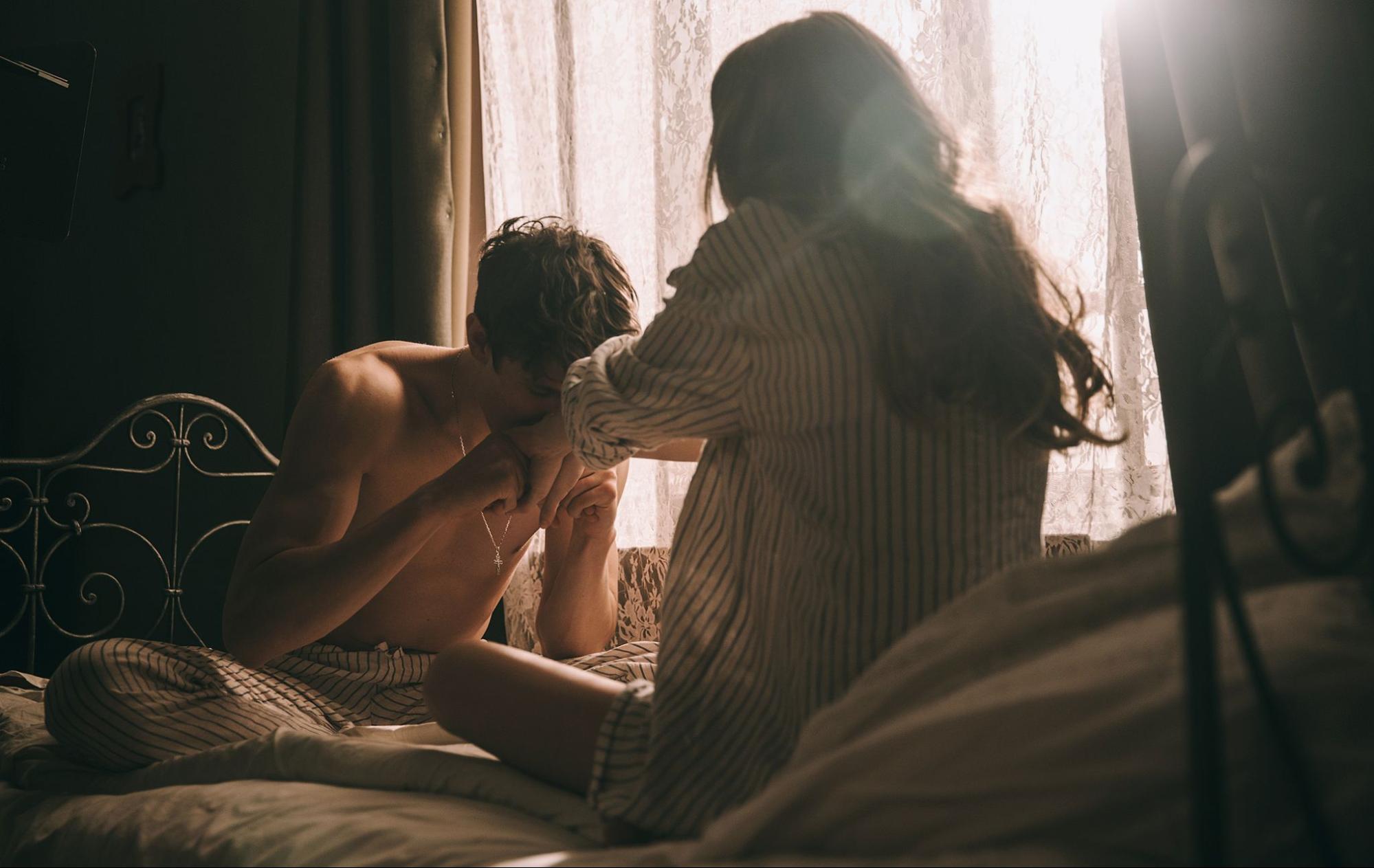
— The foundation of my style is minimalism, attention to detail, and the tactile quality of the image. In personal projects involving people, I convey the intimacy and vulnerability of the moment, an almost tactile sensation from viewing.
In commercial work, I like to catch live moments full of emotion. In any frame, what matters to me is the connection between the subject, the place, and the mood.
— What is more important to you in a portrait — likeness, character, or atmosphere?
— I interpret the subject’s vision through my own inner world, and I deeply value honesty in the frame. I dislike heavy styling.
Preparing for a shoot, I put together a mood board and visual references that resonate with both sides: we look for a location, fitting colors, props, music. Then I give the person time to relax, gradually drawing them out and gently guiding them toward the objective.
— Tell us about a shoot that changed your approach to the profession.
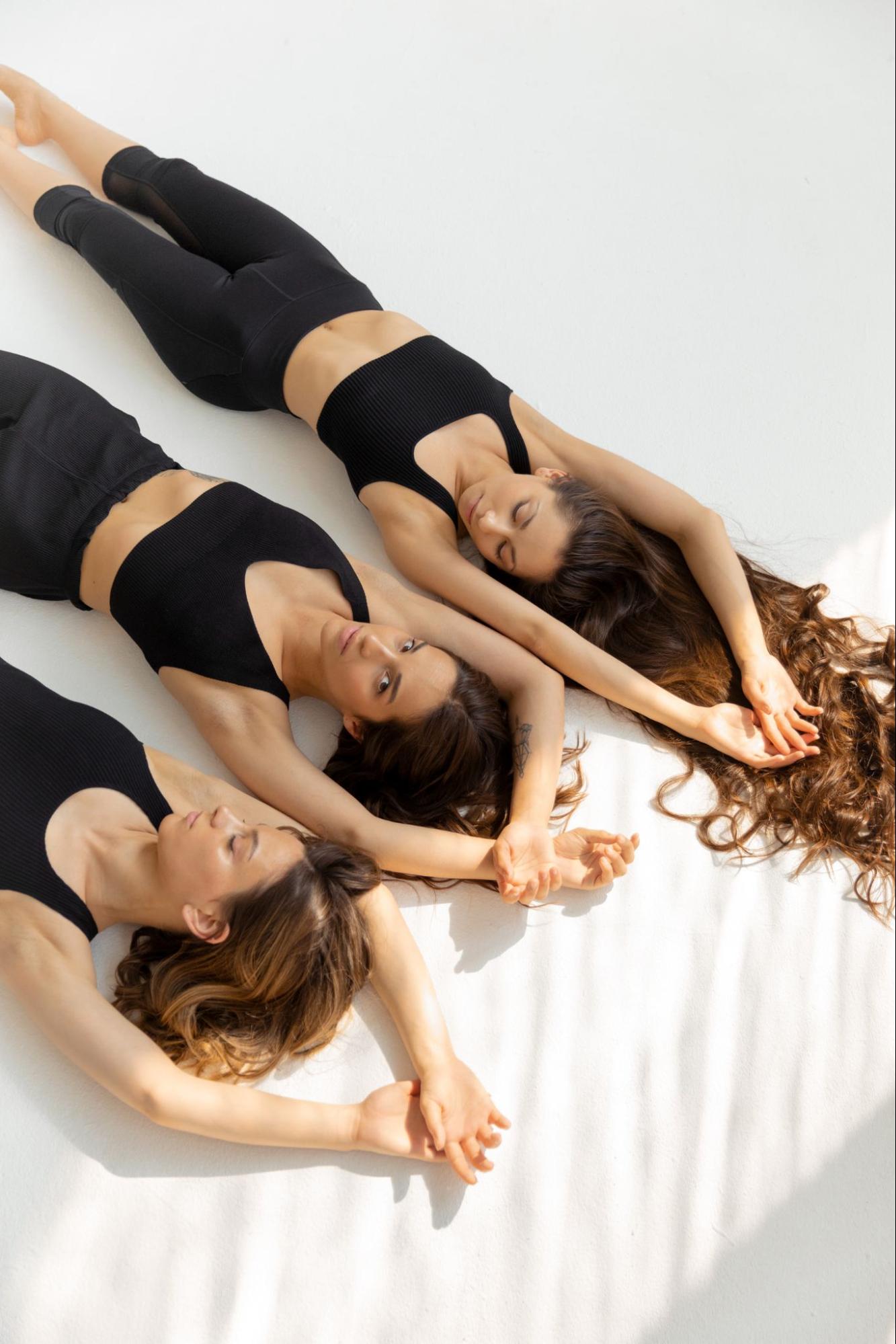
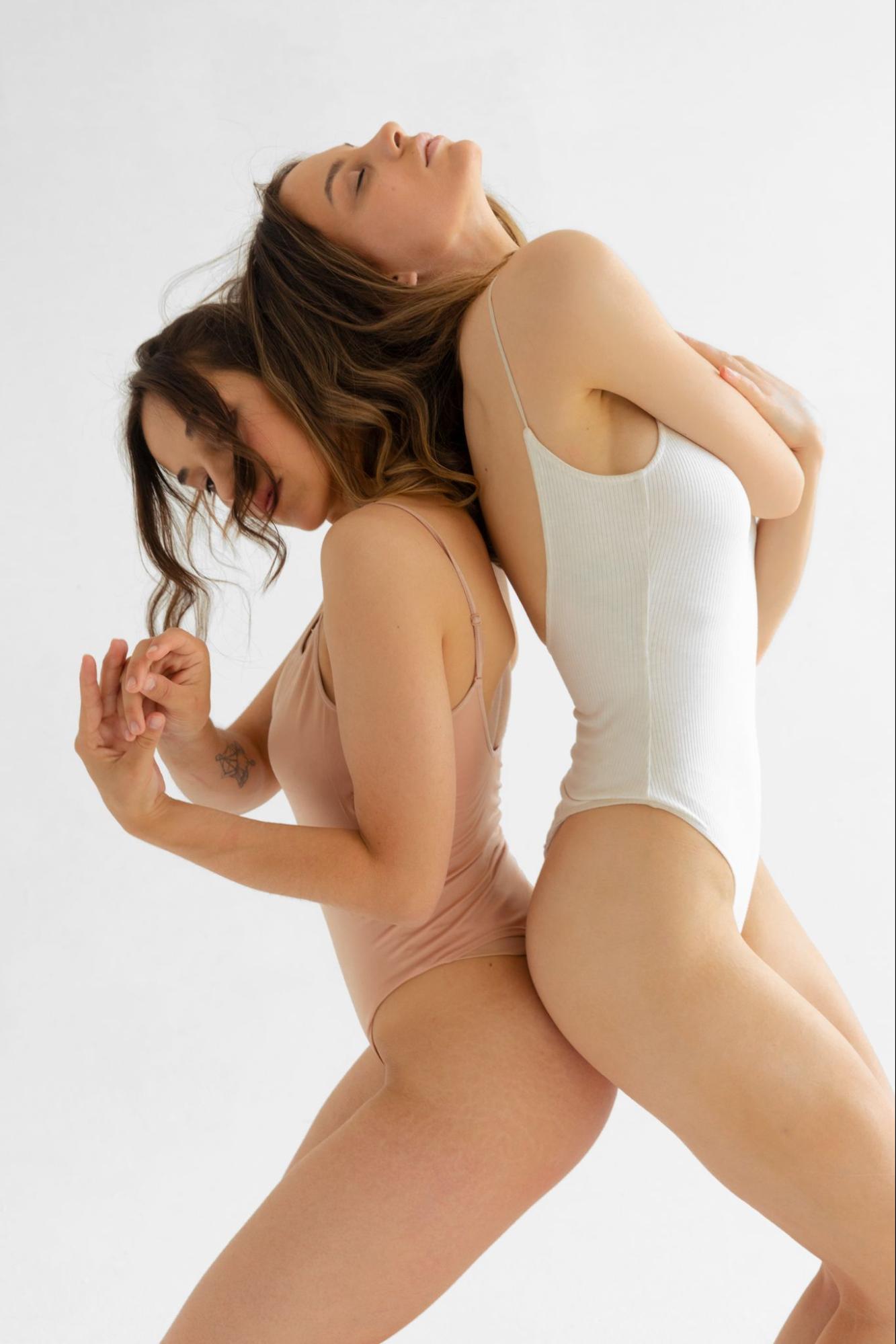
— In 2021, I photographed a project for a women’s yoga studio. Their idea was to create a safe space for working with psychological blocks and trauma. They gave me complete creative freedom with the visual story.
I invited three models of different body types, we chose sporty and feminine looks, ordered a lot of flowers, and booked a large bright studio.
No retouching was used in the final result — it was important to emphasize that the beauty of the female body does not deny the presence of scars or stretch marks, because that is exactly what many of us feel self-conscious about.
First I photographed each one individually, letting her express herself. Then all three together, gradually building a feeling of sisterhood in the frame: through touch, trust, tenderness, and dance. The result was a story about feminine fragility and closeness.
— How does the idea for a shoot come about — from concept to frame, or from a chance moment to meaning?
— Every shoot involves preparation. It is important to define the emotional core before choosing visual references. To understand what the story is about before deciding how it looks.
The mood board comes together like a patchwork quilt: a frame from a film, a specific melody, a myth, a literary or painterly character. From these, the references take shape: light, color palette, and styling direction.
During the process, we always leave room for improvisation: if I sense that the subject is moving and setting their own direction, I step back and capture those accidents.
— You have photographed Aleksandr Kuznetsov, Zhenya Gromova, and Lena Tronina. How does photographing a public figure differ from other work?
— I have worked extensively on film sets and in production, and have often photographed actors well known in the post-Soviet and European markets. Many of them are now actively working in France, the United Kingdom, and Germany.
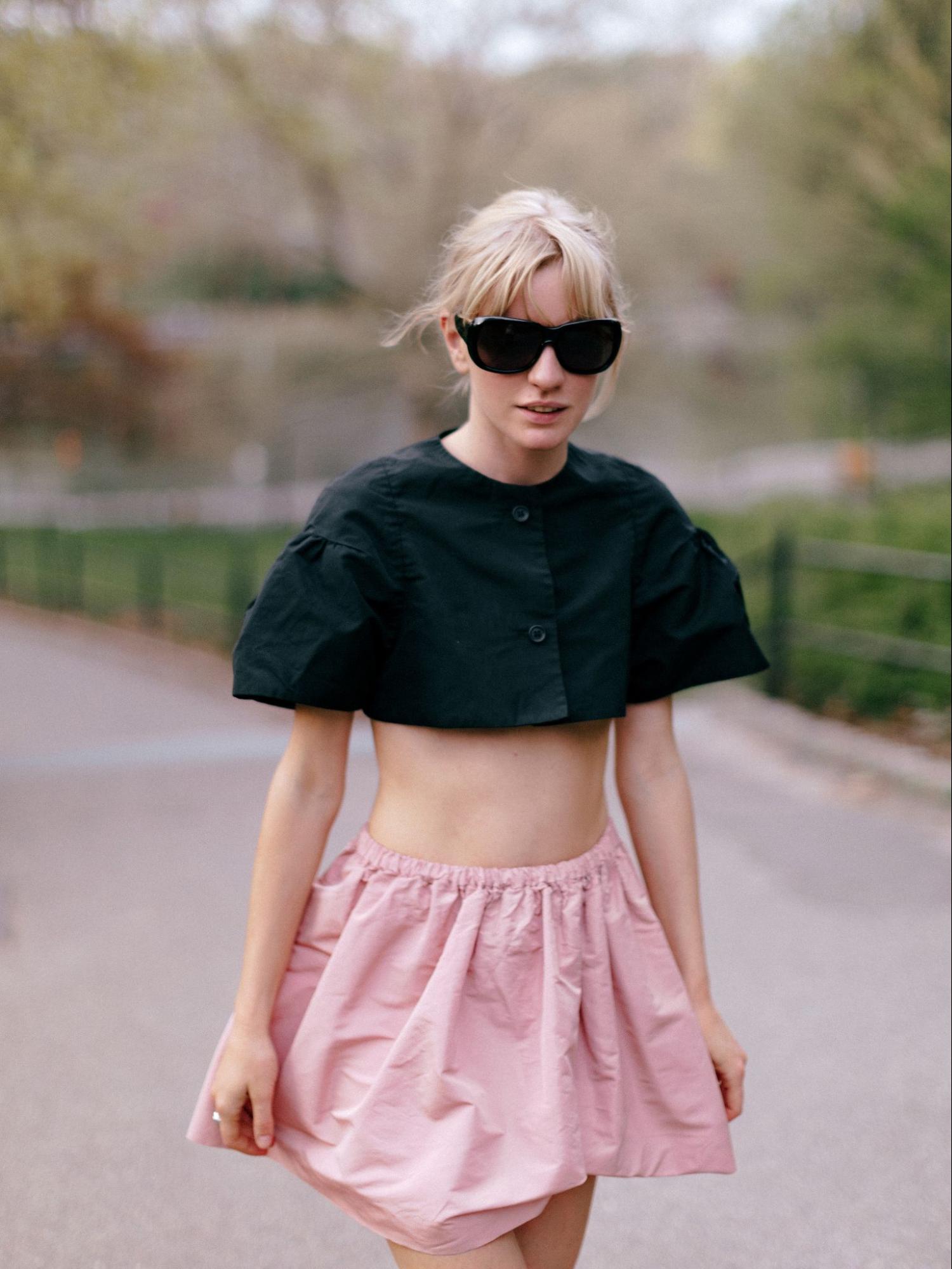
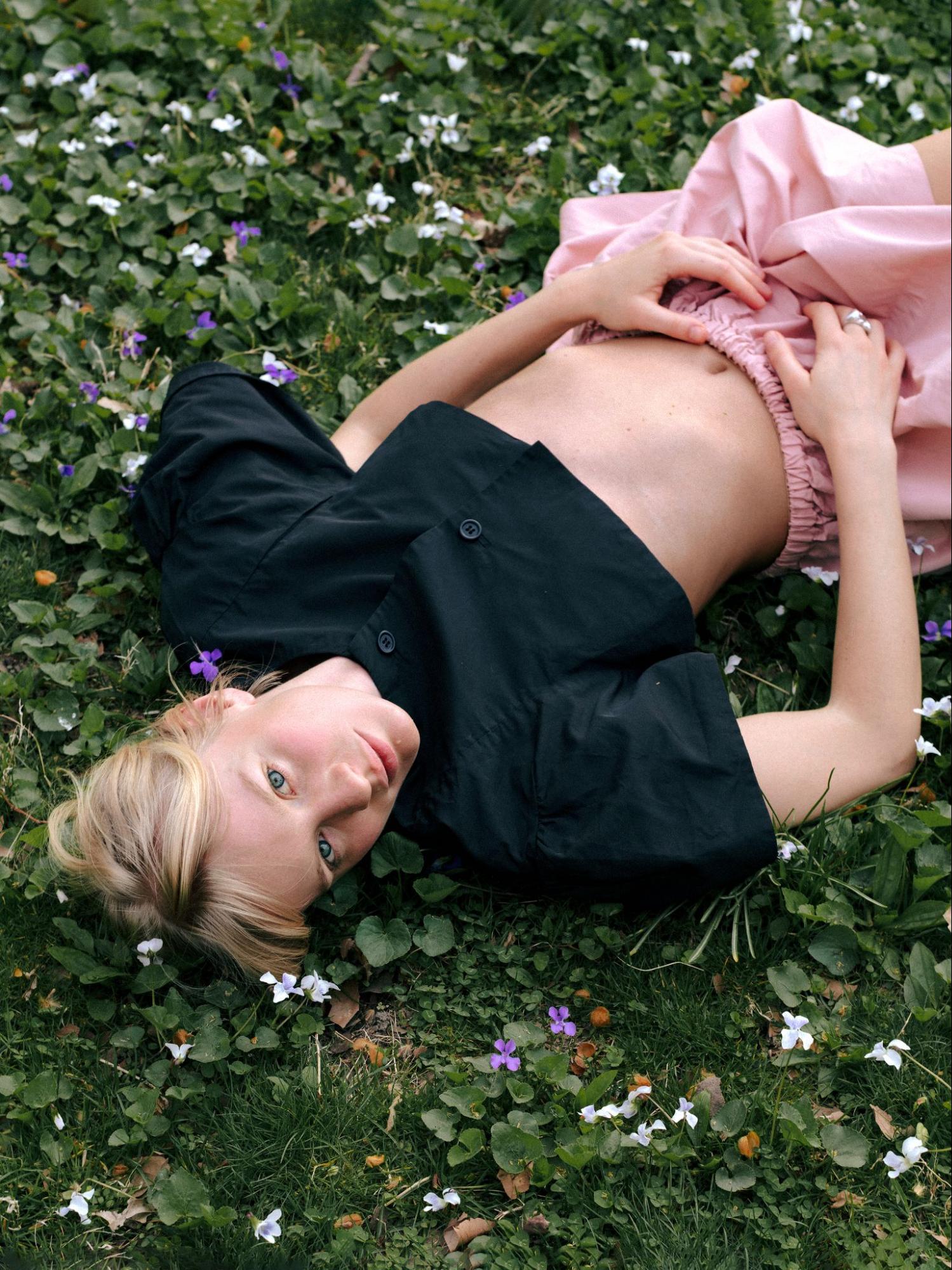
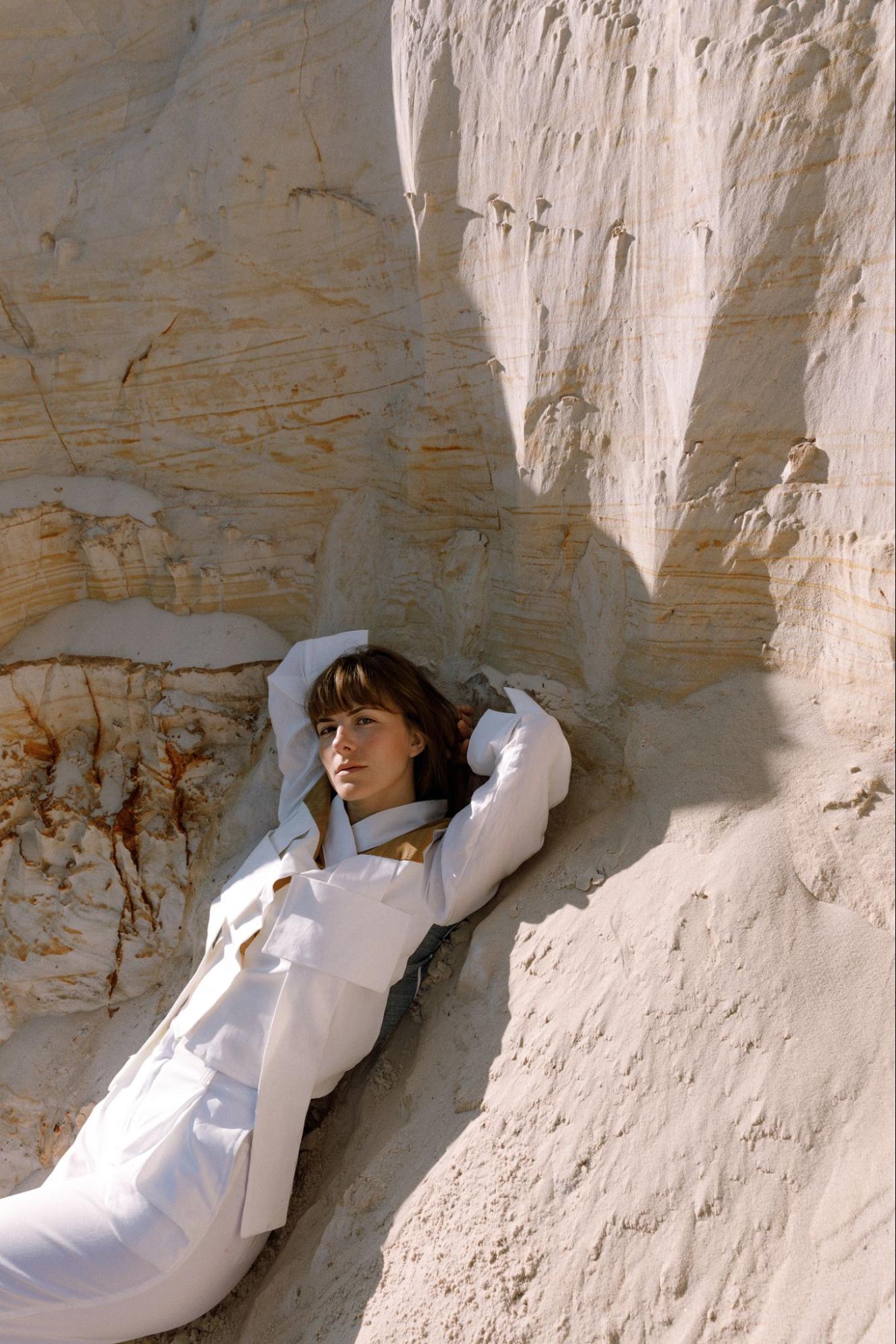
Most of the time they are open, down-to-earth people, and what we do together is above all creative shoots. They are ready to experiment, they enjoy the spontaneity of the moment, and at the heart of the frame is their character.
Trust in the photographer is critically important here, because we are both co-directors: I propose my style, and they choose a role in this little film.
— Your work appeared in an interview by Yuri Dud, one of the most prominent and popular Russian-language creators on YouTube, and was exhibited at Lenfilm. How did these projects come together?
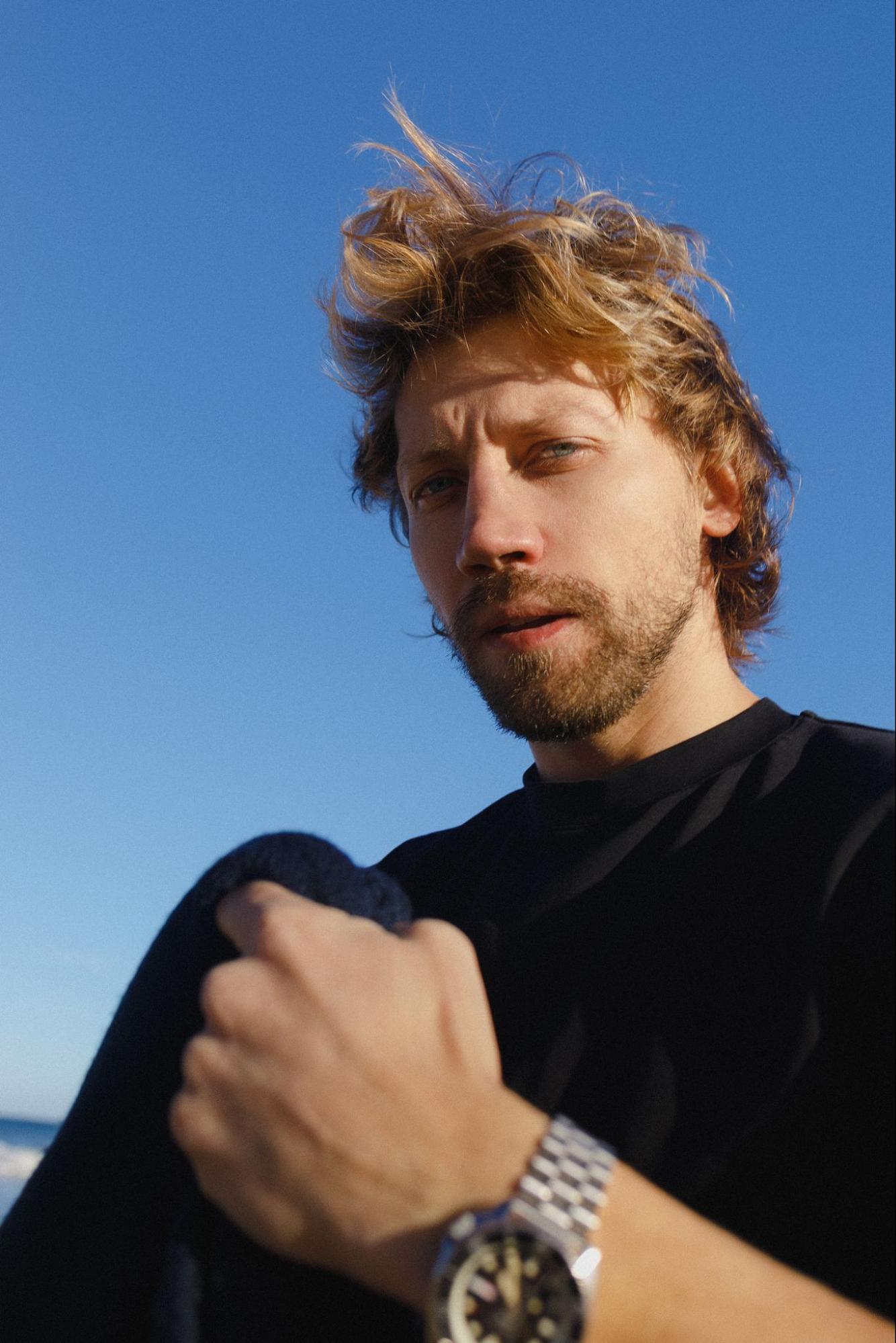
— My photographs ended up in Dud’s interview by accident. We were shooting Aleksandr Kuznetsov, and right during the session he learned he had been cast in Fantastic Beasts: The Secrets of Dumbledore — I was photographing Sasha while he spoke with his agent. Dud’s team used those frames in the episode, and that added to my visibility.
A separate thread is backstage work in film and theater, an important milestone in my career. One of the short film projects, No Decay (2017), received a wide audience and professional response online. My work became a standalone part of the project and was shown as an accompanying exhibition at screenings in Moscow and Saint Petersburg, including at Lenfilm.
— A large part of your portfolio consists of brand work: the coffee chain Jeffrey’s Coffee, the developer Samolet, projects for major companies like Audi/Nike NYvsNY, Suka Sushi. How do you preserve your creative signature within a commercial assignment?
— At Jeffrey’s Coffee, I learned product and interior photography and in-frame storytelling aimed at a target audience. The chain was run by ambitious entrepreneurs; they, in turn, drew inspiration from active young people attracted to travel and Western culture.
Recently I found their 2018 interview for SNN with my photos in the publication. It was only the beginning of my content and product photography practice, but the big advantage is that this experience taught me to experiment and take on large projects.
A large part of my work is content. From 2020 to 2022, I worked with a media agency that held contracts with various major companies.
One such project was a creative Valentine’s Day story for Audi, tied to their advertising campaign for the Audi Q3.
Another project with them was Samolet, one of the largest developers in Russia, where for two years I created monthly photo stories about residents: young families, entrepreneurs, people building community around their homes.
Later, that project gave me the opportunity to shoot a similar story for the American company Best Version Media.
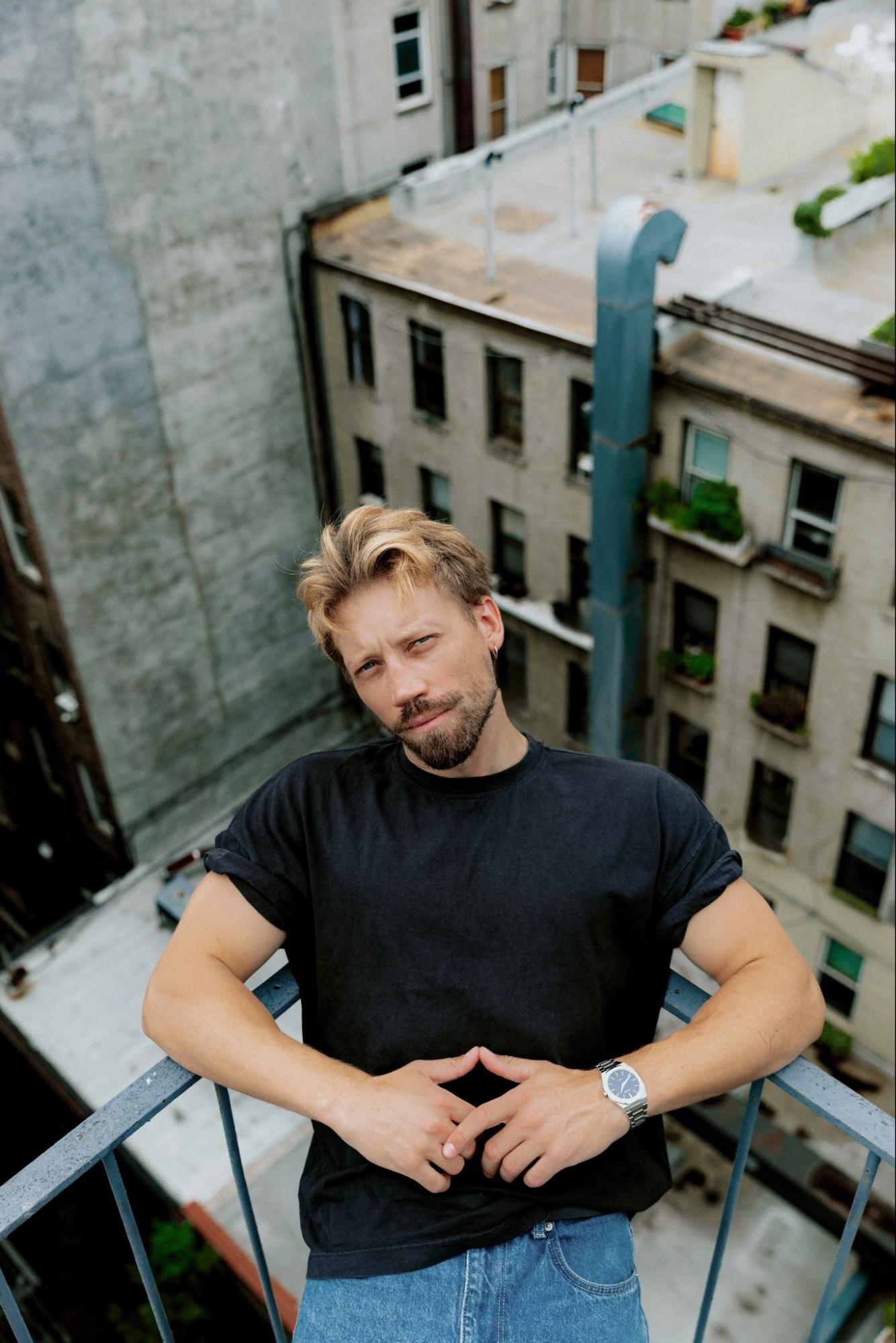
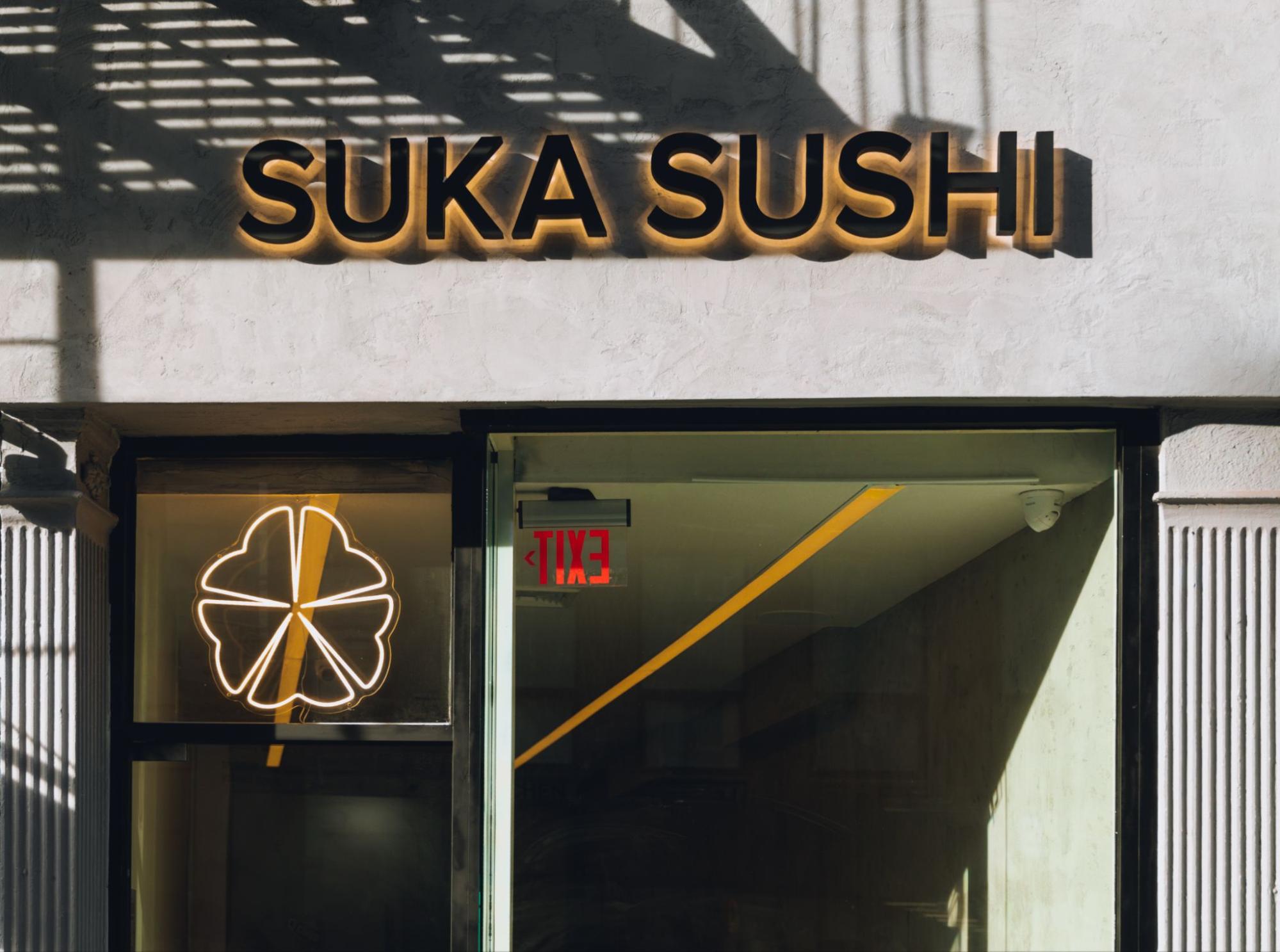
Suka Sushi is a recent project. It is a fast-growing chain in New York that in November 2025 went viral with its concept. The brief was to create visuals that would be simple and clear yet recognizable and stylish, standing out from competitors.
On the Nike NYvsNY project (youth basketball), I combined my experience in backstage photography and creative photography, simultaneously shooting sports, product, beauty details, and the overall atmosphere. Within the technical brief, I could do everything I found interesting without sacrificing my creative approach in any way.
— Your photographs have appeared on the covers of the American magazine Pelham Living, and in the summer of 2026 you worked at the Jersey City International Theater Festival. How is the transition to the American market going?
— The collaboration with Pelham Living (Best Version Media) grew out of my Russian portfolio. It is a volunteer project: I took it on to keep my skills sharp and do something meaningful — telling the stories of the city’s residents and helping them feel like a community. This experience very naturally continued the work I had been doing for Samolet in Russia.
The theater festival is also the result of my experience working on various projects in Russia (theater, tours, concerts, production). I would not have landed this project without a broad portfolio.
The result was a full summer of backstage and documentary photography in the context of live performances. It is one of my favorite working environments, where I enjoy the process both as a viewer and as a photographer.
— You are a member of American Photographic Artists. What does that give you?
— The ability to assess the market and its demand, find like-minded colleagues, and do joint projects. A professional community is a tool for growth for me.
— What do you bring to the American photography scene?
— American commercial photography is often very literal: come in, execute the assignment, leave. The quality is there, but sometimes the photographer’s individuality is missing. Plus strict specialization: a photographer shoots either sports, or food, or weddings.
The output is consistent, but the work of one photographer is hard to tell apart from another’s. At the same time, there are many creative photographers with excellent taste who are afraid of commercial work and do not step beyond small personal projects.
I like to take risks and try new things, bringing my own storytelling into the work. My experience with a different market allows me to shift the emphasis at times — complete the assignment while preserving my creative signature, and offer the client an approach they did not expect.
— How is AI changing photography — and where do you draw the line?
— Neural networks are a good supporting tool for commercial work: they speed up retouching and processing. In creative work, the question is more delicate. In cinema, audiences once valued the handcrafted approach — handmade sets, practical special effects.
Now many are put off by the synthetic smoothness of computer graphics. Photography is moving in the same direction. AI can suppress creative thinking and often produces output of mediocre quality or derivative character. And the imperfections and naturalness of what is in front of the lens are often the most compelling thing in the frame.
— What would you like to teach aspiring photographers — something that cannot be bought?
— Develop yourself as a person. Have hobbies and interests, broaden your horizons and your visual bank — that is what shapes style. Copying at the beginning is normal; getting stuck in it is dangerous. It is important to take risks, handle rejections calmly, learn from mistakes, and offer people your own approach.
— What are your plans for the future?
— I want to work at different scales: shoot a brand campaign for a major chain like Target, Gap, or Free People, do the backstage of a film or series, design a cover for a favorite musician.
And if someone offered me one personal project with no limits on budget or subject — I would create a beautiful story with children from different cultures, about their friendship, spontaneity, brightness, and sense of togetherness.

