Home Blog Page 140

Water From Your Eyes Share New Remix EP ‘It’s Beautiful’

Water From Your Eyes have released a new EP reimagining three tracks from It’s a Beautiful Place, one of the best albums of 2025. It’s Beautiful features reworked versions of ‘Born 2’, ‘Nights in Armor’, and ‘Playing Classics’. That last one is stretched out to 10 minutes, which is a real treat. Check it out below.

“The new versions of ‘Born 2’ and ‘Nights in Armor’ are actually just closer to how the songs existed in their original form,” Nate Amos said in a press release. “People were asking me about the original 10+ minute version of playing classics and I can’t find it anymore, so I made a new one. Thought it would be funny if it was faster, too. I added car sound effects because cars are fast.”

Revisit our Artist Spotlight interview with Water From Your Eyes.

How Remote Work Is Changing Second Home Ownership: The Rise of the ‘Workcation’ Property

Remote work has changed so much about how we live, but one of the biggest shifts is happening in places many people didn’t expect. Second homes, once reserved for long weekends or summer getaways, are turning into something more flexible and practical. They’re becoming “workcation” properties, where people can log in for meetings in the morning and enjoy a new environment the rest of the day. And honestly, it’s changing the way many of us think about what a home can be.

From Vacation Homes to Workcation Spaces

Not too long ago, vacation homes were exactly that. You’d escape for a few days, unplug, and then head back to your normal routine. But now that millions of people can work from anywhere, second homes are serving a double purpose. They’re part office, part retreat.

Remote workers started to realize they could break up the monotony of working from the same desk every day without sacrificing productivity. A place with good Wi-Fi, a quiet corner for calls, and a view that gives your brain a reset can make everyday work feel less draining. It’s no wonder the idea of staying somewhere for a week or even a month has become so appealing. After all, why rush home if you don’t have to?

What People Want in a Workcation Home

The must-haves for a workcation property look a little different from a traditional vacation spot. Sure, the view still matters, but so does the upload speed.

Most buyers want at least one dedicated workspace. It doesn’t have to be a full home office, but it should be a spot where you can focus without being interrupted every five minutes. Natural light helps. A quiet room is even better.

Reliable Wi-Fi is non-negotiable. This has made some areas, even rural ones, surprisingly competitive as more places upgrade their infrastructure. Smart home tools also play a role. Simple things like app-controlled thermostats or door locks make the home easier to manage, especially for people who split their time between locations.

And then there’s the surroundings. People want access to nature or small-town calm, but they also want to be close enough to stores and basic services. A balance between retreat and practicality is what really defines a modern workcation home.

How Remote Work Is Impacting Real Estate Markets

This shift isn’t just changing how people use their second homes. It’s changing where they buy them too.

Demand is rising in places that weren’t traditionally seen as vacation destinations. Smaller cities, cozy mountain towns, and lakeside communities are attracting new residents who no longer need to be near a big office. The appeal is pretty simple. These areas offer more space, quieter surroundings, and a different pace of life without cutting people off from their careers.

Real estate trends are reflecting this change. Homes with extra rooms, converted sheds, lofts, or flexible layouts are selling faster. Listings that highlight a workspace or reliable internet get more attention. And developers are starting to factor in the remote work lifestyle when designing new builds.

Property values in some regions are increasing as a result. The seasonal nature of second-home markets is also shifting, since workcation buyers aren’t tied to traditional vacation schedules. They come and go throughout the year, creating more consistent demand.

The Financial Reasons Behind the Workcation Trend

For many people, a second home used to feel out of reach. But remote work has made the investment feel more worthwhile and, in some cases, more practical. If you’re spending more time in a second home, it’s easier to justify the cost.

Some owners are also offsetting expenses by renting out the property when they’re not using it. A well-equipped home that’s set up for both vacationing and working appeals to a wider group of renters, which can make the finances more manageable.

Others are finding creative ways to fund the purchase, especially now that second homes are becoming part of people’s everyday routines rather than just an occasional escape. For some buyers, one option is to access cash from home equity to help cover the upfront investment without disrupting their broader financial plans. And as remote work continues to reshape lifestyles, many are viewing a workcation property as a practical long-term asset rather than a luxury.

How Workcation Homes Shape Lifestyle and Well-Being

There’s more to this trend than better Wi-Fi and flexible schedules. It’s also about how people feel.

A change of scenery can do wonders for your mental health. Working where you can step outside and breathe fresh air or take a quick walk between tasks feels different from staring at the same four walls every day. It’s quieter. It’s calmer. It’s easier to find a rhythm that doesn’t drain your energy.

For many remote workers, these homes give them room to reset without losing momentum. Families are also using workcation properties to stay connected while balancing varying schedules. Kids might be doing schoolwork while parents take calls, but the environment feels less chaotic than the usual daily routine.

And maybe that’s why these homes don’t feel like “vacation properties” anymore. They’re becoming places where life slows down just enough to feel more intentional. Isn’t that what most of us are looking for anyway?

Are Workcation Homes Here to Stay?

At this point, it’s clear the trend isn’t fading anytime soon. Remote-first workplaces are growing. Technology keeps improving. And people are getting more comfortable blending work and travel into a single lifestyle.

As more countries develop digital nomad-friendly policies and more regions upgrade their connectivity, workcation living will probably become even more normal. It won’t be limited to early adopters or frequent travelers. It’ll be part of how people design their lives, careers, and living spaces.

The idea of having more than one place to call home might even become the new standard for remote professionals. Not because they’re trying to impress anyone, but because it gives them more control over their time, environment, and energy.

Conclusion

Remote work has redefined what a home can be. The rise of workcation properties isn’t just a trend. It’s a shift in how people blend work, rest, and daily life. As more people look for ways to create balance without giving up flexibility, second homes are stepping into a new, more meaningful role. And it’s likely this evolution is just getting started.

Childhood as Beacon of Visual Practice: A Tale of Resilience in Qingyuan Liang’s Art

Qingyuan Liang’s hand-drawn illustration, picture books, zines, and graphic novels are a metamorphic realm where memory, aloneness and restoration are merged. Her art is a rich emotional terrain, in which the viewer is invited to explore inner life with calm and slow pace, using attentiveness as a mode of quest. The aesthetic experience is imbued with transience, mourning, and mellowness. Artistic production springs from reflective solitude, a dimension in which a contemplative beholder may cultivate resistance as a poetic gesture.

Intimate Cosmos: Mapping the Tender Space (17–23 November 2025, 56 Dawes Road Gallery, London) adds layers to Liang’s leitmotifs and expands on her distinctive artistic voice. By the gallery’s main windows, small artworks are strategically arranged to resemble decorative objects or trinkets, items valued more for their aesthetic appeal. Deliberate or not, the association of fine art with craftsmanship, curios, keepsakes, and souvenirs is potent. Conveying art as ornamentation enriches it with a sense of the whimsical, of the attachment we develop to trivial objects. Blurring the boundary between art and collectables allows viewers to engage with the works as both personal items and aesthetic delights. As many of these objects resonate with childhood memories, they evoke sweetness and emotional bonding.

The Installation view of “Bringing the Olive Branch, 2025” in “Intimate Cosmos: Mapping the Tender Space” in London, UK

Visitors are welcomed by the comforting magic of fairytales and the warm, immersive world of the playroom. The invitation is clearly that of plunging into childlike revery and imagination, with surroundings functioning as a maternal embrace. Yet the environment conveys not only nurturing and the cosiness of early life learning journeys, but also self-awareness along the path of individual growth in adulthood. Immersed in a landscape evoking the tender textures of toys, stories, and playtime joys, emotions materialise as both deeply personal and widely universal, offering the viewers an invitation to approach grown-up life with optimism and resilient awareness.

The Installation view of “A Lion Wants a Hug, 2021” in “Intimate Cosmos: Mapping the Tender Space” in London, UK

Imaginative play is the central theme of textile illustrations, A Lion Wants a Hug, transforming them into tools for reflection, where sweetness, the gentle logic of fairytales, and the intimate world of the playroom provide both aesthetic pleasure and psychological nourishment.  In this multimedia exhibition, glazed pottery in soft pastel hues, delicately painted surfaces, and objects reminiscent of bibelots or dollhouse props build a tactile, immersive environment. Clear formal decisions are consistent across all the media, textures, and scales chosen by Liang, and are epitomised in oil paintings on wood such as Forest Zoo and Bringing the Olive Branch. These works recall a sense of intimacy, finesse, and a frolicsome yet meticulous quality.

The Installation view of “Intimate Cosmos: Mapping the Tender Space” in London, UK

Hope, harmony, and vitality transpire from Liang’s aesthetic choices and, accordingly, beholders benefit from artworks which instil uplifting feelings in anyone who engages with them. Her work transforms the gallery into a light-hearted space where memory, fantasy, and materiality converge; into an intimate temple where the quiet, sustaining bliss of childish wonder harnesses emotional resilience and inner strength in people of any age.

Are We Falling Out of Love with Dating Apps? A Look at Changing Online Relationship Habits

Between 2023 and 2024, an estimated 1.4 million people left dating apps. Many of those did so because they saw the apps as ‘a chore’ or ‘like admin’, rather than a way of finding love. 

During the same period, the top 10 most popular dating apps saw a 16% drop in use. Of these, Tinder saw the biggest loss, with more than half a million users abandoning the platform. This was followed by Bumble (-368,000 users) and Hinge (-131,000 users).

Why We’re Abandoning Apps 

It looks like we’re falling out of love with dating apps for a variety of reasons, including a sense of detachment from reality and fatigue at the process (particularly repeated conversations). 

Researchers from the University of Leeds believe that rather than being an exciting place to visit, these apps have actually become tedious, with many users seeing them as a chore. As a result, instead of developing meaningful connections, users instead feel like they’re doing admin. 

But LGBT+ Apps See Growth 

However, although the appetite for straight dating is undoubtedly fading, queer-oriented apps are still going strong. While Grindr and Squirt experienced drops in usership, these drops were much smaller than the ones seen in straight apps. Similarly, the only app that saw an increase in usership was Scruff, an app for men seeking men. 

Researchers believe that, in the queer community, the continued use of dating apps shows that the apps are still incredibly accessible for those who may not feel safe being visible or ‘out’ in physical queer spaces. Similarly, it’s also thought that the apps are very effective at allowing people to experiment with their sexuality and better understand their preferences. 

This is particularly the case for people who are questioning their sexuality and need a space to experiment outside of hetronormative spaces. The same can also be said for gay chat lines, which have also become popular in the last few years, in part due to the sense of anonymity they provide. 

What’s the Future of Online Dating? 

Although the popularity of online dating apps is undoubtedly fading, they retain a strong user base. After all, the 10 most popular dating apps in 2024 were still used by more than seven million people! 

As a result, it’s clear that dating apps aren’t going anywhere. However, it’s also apparent that these apps must reinvent themselves and offer something different to users. Otherwise, their user base will continue to dwindle. 

Looking to the future, these apps need to make the experience they offer feel both different and real to users. Otherwise, they will continue to look elsewhere.

Xiu Xiu Cover Daniel Johnston, Talking Heads, Robyn, and More on New Album

Xiu Xiu have announced announce new covers album, Xiu Mutha Fuckin’ Xiu: Vol. 1, which is slated for release on January 16 on Polyvinyl. Today’s announcement is accompanied by the band’s renditions of ‘Cherry Bomb’ by The Runaways and ‘Some Things Last a Long Time’ by Daniel Johnston. Take a listen below.

This is the band’s third album of covers, following 2013’s Nina and 2016’s Plays the Music of Twin Peaks. It also sees them tackling songs by Glorilla, Robyn, Talking Heads, and more. “We have a long history of doing covers and have done 3 albums of covers,” Jamie Stewart explained. “The enduring and basic throughline with all of them is an attempt to say thank you to those songs. They are all in one way or another pieces of music that have moved us and exploring them in a deep way is a small honorific offering to the muse that created them. We never approach them thinking ‘How can we improve these’ but really “What can we learn from these?’”

Commenting on today’s covers, they added: “Unexpectedly I (forgive this melodramatic admission) cried while singing the Daniel Johnston song. If there ever were a sincere and wounded voice in the world it is his. I love Joan Jett and I love being bad and this song is all about both.”

Xiu Mutha Fuckin’ Xiu: Vol. 1 Cover Artwork:

Cover art

Xiu Mutha Fuckin’ Xiu: Vol. 1 Tracklist:

1. Psycho Killer [Talking Heads]
2. Warm Leatherette [The Normal / Grace Jones]
3. I Put a Spell on You [Screamin’ Jay Hawkins]
4. Hamburger Lady [Throbbing Gristle]
5. In Dreams [Roy Orbison]
6. Sex Dwarf [Soft Cell]
7. Dancing on My Own [Robyn]
8. SPQR [This Heat]
9. Lick or Sum [GloRilla]
10. Some Things Last a Long Time [Daniel Johnston]
11. Triple Sun [Coil]
12. Cherry Bomb [The Runaways]

Ratboys Share New Single ‘What’s Right?’

Ratboys have shared a new single, ‘What’s Right?’, from their forthcoming album Singin’ to an Empty Chair. Following previous singles ‘Anywhere’ and  ‘Light Night Mountains All That’, it comes paired with a video made by the band’s own Marcus Nucci. Check it out below.

“We approached this song like an experiment in the studio, stitching together three different drum performances, in three different-sounding environments, to guide us through some dramatic scene changes within the song,” Julia Steiner said in a statement. “We referenced the tight, yet expansive sonics of The War On Drugs and the desert landscapes of Thelma and Louise. The back half of the song came to me in a dream and remains one of the few times that I’ve had the presence of mind to record an idea immediately upon waking. Most of the lyrics and melody came out in that moment, and for that I’m still mystified and extremely grateful.”

Singin’ to an Empty Chair will be released on February 6 via New West Records. Revisit our Artist Spotlight interview with Ratboys.

Barış Köroğlu Unveils DEJAVU, a New Chapter in Immersive Dining In The West Village

0

In an industry often chasing fleeting trends, visionary restaurateur (and soon to be hotelier) Barış Köroğlu (Baris Koroglu) is building an empire on the bedrock of heritage. Last month, he unveiled his latest venture, DEJAVU, a Mediterranean-American fusion restaurant and cocktail lounge in the heart of the West Village, marking the next step in his mission to redefine hospitality through cultural storytelling and immersive experience.

For Köroğlu, the journey to 394 West Street began far from New York, in the ancient, cave-etched landscape of Cappadocia, Turkey. The region’s deep layers of history, artistry, and community forged a creative sensibility that now informs every project he touches. He translates this heritage not as a relic, but as a living inspiration, blending tradition with modern innovation to create spaces that resonate on a global scale.

“Guests today seek more than a meal; they seek meaning, connection, and a story,” says Köroğlu. “My vision is to build bridges between cultures, reminding people that hospitality is, at its heart, about human connection.”

Baris Korogly

Köroğlu is no stranger to shaping NYC’s social scene. Over two decades, he has cemented his reputation as a tastemaker through roles as Promotional Director at Paradise Club, a partner in VirgoPresent, and as co-founder of the immersive nightlife concept The Lullaby. His collaboration with NBA star Carmelo Anthony at 9 Jones further showcased his unique ability to fuse food, design, and celebrity into relevant concepts.

DEJAVU represents an evolution of this philosophy—a holistic destination where the line between refined dining and vibrant nightlife intentionally blurs. The 2,800-square-foot space is designed as a series of evolving experiences. The evening begins in the lively Emerald Room bar, transitions into the cream-toned sophistication of the 40-seat Golden Room dining area, and culminates for some in the Red Room, an intimate, 10-seat speakeasy hidden behind velvet curtains that hosts private tastings and burlesque performances on weekends.

“When guests enter DEJAVU, they are stepping into a narrative,” Köroğlu explains. “Every detail, from the lighting to the music, contributes to an immersive experience that we want to linger in the memory.”

This narrative extends to the plate. The culinary program, led by chefs with pedigrees in esteemed European and New York kitchens, merges coastal Turkish and Italian influences through a modern New York lens. The menu is a journey of refined yet approachable dishes designed to balance familiarity with surprise.

Shareable starters include the DEJAVU Burrata ($19) with Mediterranean herbs, and an homage to New York, the Pastrami Croquette ($19). Hand-rolled pastas reflect Mediterranean roots, such as the Manti Dumplings ($32)—Turkish ravioli in a velvety yogurt sauce. For indulgence, the menu offers caviar service ($95) and a luxurious Lemon Spaghetti with Caviar ($42).

The bar program, a fusion of artistry and science, is equally performance-driven. Utilizing techniques like sous-vide infusion and fat-washing, lead mixologist Turgut creations include the signature DEJAVU cocktail (white rum, lychee, yuzu, matcha foam) and the innovative Truffle Coffee Negroni.

Beyond business, Köroğlu’s vision is rooted in endurance and responsibility. A dedicated philanthropist, he supports cultural preservation efforts in his native Cappadocia, believing that success comes with a duty to steward community and legacy.

With two more projects on the horizon, Barış Köroğlu is poised to broaden his influence as one of the industry’s most forward-thinking leaders. From the mystical landscapes of Cappadocia to the vibrant streets of the West Village, he is proving that the most memorable hospitality is built not just on taste, but on a profound and authentic sense of place.

DEJAVU is located at 394 West Street, New York, NY 10014. Reservations for the Golden Room dining area and the Red Room speakeasy are available now.

Rosie Carney Announces New Album, Shares New Single ‘The Evidence’

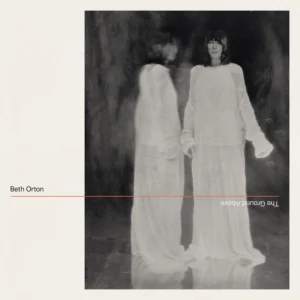
Irish singer-songwriter Rosie Carney has announced her fourth studio album, Doomsday… Don’t Leave Me Here. The follow-up to 2022’s i wanna feel happy arrives February 27, 2026 via cool0nline. It was co-written and co-produced with Ross MacDonald of the 1975 and producer Ed Thomas (FKA twigs, Cat Burns, Amaarae) and mixed by Jonathan Gilmore (The 1975, beabadoobee, Biffy Clyro). The shimmering new single ‘The Evidence’ comes paired with a video directed by Cal McIntyre. Check it out and find the album cover and tracklist below.

Doomsday… Don’t Leave Me Here follows the previously released singles ‘Here’ and ‘Fragile Fantasy’. “It’s funny because I LOVE the production of this song, it’s so exciting to me,” Carney said in a press release. “But the song’s theme is very dystopian. It’s about that state of delirium you experience when you’re burning out but resting or being still is out of the question because it makes you feel too guilty, so you end up overexerting yourself mentally and physically. It becomes an extremely difficult cycle to break free from and everything ends up feeling like a complete fever dream. I think this is probably the boldest sounding song on the album. It set various tones for the rest of the production.”

Speaking about the album, she added:

Before Doomsday came about, I’d always wanted to try and expand my musical world. Making a sonic pivot was something I really wanted to achieve, especially as I find it really limiting to be boxed into one genre. I listen to and am influenced by so much music, so exploring a new sound has only ever been second nature to me. I’d always been anxious about creating something bigger and for some reason I wasn’t really open to doing that through collaboration until Ross, Ed and I sat down and began to weave this tapestry of musical worlds together. I learnt so much from working with both Ed and Ross, each of them brought such a grounding and inspiring energy to the studio which gave me a lot of confidence to explore and be curious. It’s funny because although the songs are essentially bigger and louder, they feel almost more personal than anything I’ve created before. The bigger sound almost worked as a shield while I was writing – It felt safer to dig deep and explore themes of grief, heartache and isolation.This album to me is like a body of armour and the softness lives protected within it.

Revisit our Artist Spotlight interview with Rosie Carney.

Doomsday… Don’t Leave Me Here Cover Artwork:

Doomsday cover

Doomsday… Don’t Leave Me Here Tracklist:

1. Everything Is Wrong
2. Here
3. In My Blue
4. Fragile Fantasy
5. Hope Like Hell
6. The Evidence
7. Down
8. Sixteen
9. Love So Blind
10. Tethered

Steve Madden Just Hopped On The Burnouts Podcast: He’s Still That Guy In Footwear

0

I spent the last 45 minutes listening to a man call his customers “my girls”, need I say more? The Steve Madden sat down with former Stanford roommates Phoebe Gates (yes, Bill Gates’ daughter) and Sophia Kianni, and went full origin story, dupe culture, Mary Janes, Gen Z, and struggles. Even his tanning girl slid in the Burnouts’ Tik Tok comments section just to bless it all, talk about cult following. Here’s everything.

When Your Career Starts Because Rent Is Due

There’s nothing like a harsh wake-up call. Madden drops out of college, University of Miami, the phone rings. Not a venture capitalist, not a business angel, just his dad, telling him to figure out what he’s going to do next because the family funding was over. Brutal, but hey, we all owe him one I guess? He lands a job in a shoe store and learns everything you could learn really, which if you ask him, started with “waiting on hysterical women selling them shoes”.

At the time, he lives in small-town Lawrence, near Queens, while his friends are 21, getting their first NYC job, taking the railroad, pretending to be grownups, making fun of him for staying behind with a shoe horn sticking out of his pocket. I mean, super practical, but really?

Early Fame: Before Hashtags and Dupes, There Were Mary Janes… or Lous

The first shoe that went viral under the Madden name, was a Mary Jane, sorry, a Marylou. Early on, Madden noticed that nobody paid attention to the youth market, so naturally, he did. He tweaked the classic with some fresh little twists and the phone suddenly started ringing. Inspiration to success at its finest. There’s even a reference in “Wolf of Wall Street”. Jake Hoffman, who hung out last with Madden the day before the podcast was filmed, played him in the movie, but that came with the cost of having shoes thrown at him after 1993’s IPO during broker chaos. Glamorous, right?

The conversation went on with duping, and Madden’s hot takes were hotter than platform sandals in 2014. “I’m a f***ing pirate. In fact, I want to get a tattoo of a pirate.” Gold, literally. When it comes to designing new pieces, Madden “just has a feel for it”. He described the label as “a big stew”, stirring around the hottest luxury designs and making them their own (affordable too). Inspiration comes from the streets, back in the day, he’d stroll through the West Village, soaking in what everyone was wearing. If a shoe is walking three NYC blocks three different times, that’s basically it, but besides design, speed to market is everything to the Steve Madden company. Moral of the story is, if there’s a Gucci shoe taking over SoHo, better be sure a similar one is on the way to get the Steve Madden special.

Real CEOs Get Stress Pimples Too: Prison, Ego, Struggles

“Someone asked me yesterday, ‘What did you do? I want to be like you.’ I said I suffered a lot.” And really, that’s part of the Steve Madden story. From the 1993 IPO with Jordan Belfort’s firm, yes, the “bucket shop” scheme his childhood friends cooked up, he indeed was the product. Lesson learned though, sometimes you raise money you didn’t think you could, survive the chaos, and somehow it pays off.

Prison? Survival first, creativity maybe later. Reputation? Already questionable since 15. Ego? Constant battle. I mean, I get it, having your name tied to a multi-billion dollar empire starting from zero, surely has its ups and downs, I could imagine the fight of detaching yourself from it. I could also imagine late-night self-talks, anxiety breakouts and bad hair days, ouf.
He came back to Steve Madden, after being forced to let go, with a bunch of loyal, trusted and trusting people keeping the lights on. My favorite takeaway from this podcast would be, know what you’re not good at. It’s totally fine to suck at numbers or tech as a creative, it’s a crime not to bring in people who don’t. Hire smart, ride-or-die people. Period. Payoff comes later, and it won’t be money or success, it will be spotting a girl in your shoes in a random shared elevator. That’s CEO validation right there. Luck optional, but highly recommended.

Steve Madden, the man unofficially adopted by Gen Z, who one day just decided to go with it, is the perfect example of what happens when goals, instinct and a slightly delusional level of confidence align. Copying or not, he built an empire by watching people on the street, trusting the right ones, and surviving everything from Wall Street schemes to prison cafeterias. In a world obsessed with overnight success, he’s our proof that the real win is longevity. And let’s be honest, the true reward is still spotting a stranger in your shoes on the way to the 12th floor.

Technical Upgrades, New Features, and the Digital Reward Machines Behind Modern Video Games

Video games grow up fast. One year you are jogging through a fantasy forest punching goblins with a tree branch. The next year you are sorting through layered skill trees, seasonal currencies, prestige ranks, and technical upgrades so intricate they might require a lab coat. None of these additions dropped from the sky. They are the product of a long push toward one thing. Reward design that feels as structured and deliberate as any loyalty program, fitness app, or digital badge system.

And in the same way reviewers at casino.org/canada/ break down which online casino options feature the most innovative mechanics, players now judge games on how well their reward systems work. Not on their volume of shiny trinkets but on the quality of the loops, the pacing, the sense of meaning. If a game offers gear unlocks, skill progression, and event bonuses, it is basically building a reward economy inside the walls of a fantasy world.

What Science Says About Why These Systems Work

Here is where things get interesting. The reward structures you see in modern games line up neatly with established gamification research. A systematic mapping study of gamification mechanics found that points, levels, badges, and challenges are the core ingredients that reliably generate engagement. Nothing mystical here. Players want feedback, goals, and a sense that something new waits behind the next swing or shot.

But timing matters just as much as the reward itself. Some games hand you predictable rewards. Others use variable schedules where you never quite know what the next loot chest will give you. That unpredictability has been shown in gamification studies to increase motivation and attention. It taps into the same behavioral learning principles that drive highly engaging systems outside of gaming.

Yet here is a twist. A study comparing random and non random reward systems in video games discovered that players often prefer non random rewards because they feel more control over their progress. Predictability is not boring if it respects the player’s time. It can actually deepen engagement because players feel they earned their upgrades rather than lucked into them.

And then there is the brain itself. A longitudinal fMRI study found that video game training preserved activity in the ventral striatum. This is the part of the brain involved in reward sensitivity. In plain English, regular gameplay kept people more responsive to positive feedback.

So when players say the ding of a level up feels good, they are not exaggerating. Their neurons are literally firing in ways that agree with them.

Gear Unlocks and Skill Progression are Reward Loops Dressed in Armor

Gear unlock systems are one of the cleanest examples of structured digital rewards. You complete missions or challenges. You gain points, XP, or reputation. You hit a threshold. And then finally you unlock the weapon, armor set, or ultra specific pair of gloves that give two percent more crit damage. Gamification research shows that these systems work because they satisfy autonomy and competence. Players decide which path to take and they see visible growth when they reach the destination.

Skill trees add another layer. You invest in abilities. You watch your character become more capable. You can specialize early or spread your points like an indecisive gambler. Psychologically this creates a state known as flow where challenge and ability match up in a satisfying, occasionally addictive way.

Event bonuses change the tempo of the whole system. Limited time modes or seasonal challenges add urgency and novelty. A gamification study of freemium style reward loops found that time sensitive rewards keep people engaged far longer than permanent ones because the player feels like they might miss out.

Why These Features Keep Players Hooked

The real secret behind reward systems is simple. They work because they are built on behavioral mechanics that have been tested across fields. Daily reward systems in mobile games for example have been shown to boost retention by as much as fifty percent. Not because the rewards are large but because the habit loop forms quickly.

Rewards also change how players interact with each other. A study on incentives and social behavior found that structured rewards shape cooperation and competition in group settings. Players compare gear, chase achievements, and talk about who unlocked what. The reward is doing social work as much as mechanical work.

The surprising part is that the most engaging rewards are not always the flashiest. A predictable but meaningful reward often beats a rare but random one. Consistency builds trust. And trust keeps people logging in even after the excitement wears off.

The Complicated Side of Rewards

Reward systems can backfire. The same study that highlighted the appeal of non random rewards showed that randomness can erode the feeling of autonomy. If a player feels they are chasing luck rather than progress, engagement drops. Another review found that predictable fixed rewards can lose value over time and reduce long term engagement.

There is also an ethical line. Some reward systems resemble gambling mechanics too closely. When rewards become financially loaded or probability based, designers need to step carefully.

Why This All Matters for the Future of Games

Technical upgrades, skill systems, and event bonuses are engineered reward machines with roots in cognitive science, psychology, and gamification research. When they work well they create progression that feels personal and earned. When they are lazy or manipulative players feel it instantly.

Games now compete on the sophistication of these systems. The best systems build meaning and the rewards shape the experience. They make you care about why you are earning it.