Though THC produces the euphoric high associated with its counterpart, THCA has gained significant interest due to its potential health benefits. With demand for THCA products growing steadily, the extraction process plays a vital role in assuring quality and purity in final products; we will explore this topic here focusing on Diamond CBD’s extraction methods to guarantee the quality and purity of its THCA products.
Understanding THCA Extraction
THCA extraction involves the isolation and concentration of tetrahydrocannabinolic acid from the cannabis plant. This process is crucial to obtain THCA in its pure form, free from contaminants and unwanted compounds. There are several methods for THCA extraction, each with its advantages and drawbacks.
Solvent-Based Extraction
One popular method of THCA extraction utilizes solvents like ethanol or butane for extraction. The process begins by immersing cannabis plant material in one of these solvents for an extended period of time to dissolve THCA and other cannabinoids into solution before extracting. When complete, the solvent evaporates leaving behind concentrated THCA extract.
Solvent-based extraction can result in high concentrations of THCA but may leave behind residual solvents which could be hazardous if left in the finished product. Diamond CBD recognizes this concern and puts safety and purity as its top priorities during extraction processes.
Diamond CBD’s Approach To Solvent-Based Extraction
Diamond CBD employs stringent quality controls to ensure the solvent-based THCA extraction process produces safe and pure products. Their commitment to excellence starts by carefully selecting high-grade cannabis plants without pesticide residue; only the finest raw materials are utilized in order to produce their extracts of THCA.
Diamond CBD relies on cutting-edge equipment and technology to carefully oversee and control its extraction process, using solvent evaporation methods that remove any trace of solvents from their product and only leave behind pure THCA – this commitment to safety and purity forms part of their mission of offering premium THCA products.
Supercritical Co2 Extraction
Supercritical CO2 extraction is another popular method for obtaining pure THCA extracts. In this process, carbon dioxide is manipulated under specific temperature and pressure conditions to become a supercritical fluid. This supercritical CO2 is then used to selectively extract THCA from the cannabis plant material.
Supercritical CO2 extraction offers numerous advantages, including its precision-driven extraction process and zero harmful residues in its final product. Furthermore, CO2 is a safe solvent with no residual effects to worry about in its final state.
Diamond CBD’s Commitment To Supercritical CO2 Extraction
Diamond CBD recognizes the advantages of supercritical CO2 extraction for THCA products. They have invested in cutting-edge equipment and trained experts to implement this method effectively. By using supercritical CO2, Diamond CBD ensures that its THCA extracts are free from contaminants and impurities, meeting the highest quality and purity standards.
Decarboxylation And THCA Products
Noteworthy is the fact that THC in its raw form doesn’t readily transform into the psychoactive cannabinoid THC. To unleash its full benefits and activate them through decarboxylation, an exact temperature must be heated up causing it to lose its carboxylic acid group and form THC.
Diamond CBD recognizes the importance of decarboxylation in producing effective THCA products. Their careful control of the decarboxylation process ensures their products are both potency and safe for consumers, setting their THCA products apart both in terms of quality and effectiveness.
Quality Assurance And Third-Party Testing
Ensuring quality and purity in THCA products is not only about the extraction method but also about comprehensive quality assurance measures. Diamond CBD takes quality control seriously and conducts thorough third-party testing on all its THCA products. These tests ensure potency, purity, and the absence of contaminants such as pesticides, heavy metals, or residual solvents.
Diamond CBD products undergo independent third-party testing to provide transparency and accountability, giving their consumers peace of mind that they are receiving safe, high-quality products.
Conclusion
As consumer awareness for THCA products continues to expand, so too needs reliable extraction methods that ensure quality and purity. Diamond CBD’s commitment to excellence in THCA extraction sets them apart in the industry. Whether using solvent-based extraction or supercritical CO2 extraction, they prioritize the safety and satisfaction of their customers.
By choosing Diamond CBD’s THCA products, consumers can confidently incorporate the potential benefits of THCA into their wellness routines. With strict quality control, attention to purity, and a commitment to transparency, Diamond CBD is a trusted source for high-quality THCA products that deliver on their promises of health and wellness.
In an industry where quality and purity are paramount, Diamond CBD’s dedication to excellence in THCA extraction methods ensures that consumers can access the full potential of this promising cannabinoid with confidence.
Anxiety and stress-related disorders have become more widespread, prompting more people to look for natural methods of alleviating anxiety without resorting to pharmaceutical medication. One intriguing option that has emerged in recent years is THCA flower. In this article, we will delve into the world of THCA and explore whether it can indeed help alleviate stress and anxiety.
The Endocannabinoid System And Anxiety
To understand how THCA may assist in managing anxiety, it’s crucial to familiarise ourselves with the Endocannabinoid System (ECS). This complex network comprises receptors and molecules found throughout our bodies which play an integral part in controlling various physiological processes related to mood, stress, and anxiety regulation.
CB1 and CB2 receptors make up two primary receptors within the ECS. CB1 receptors tend to reside more commonly within the brain, central nervous system, immune tissue or peripheral tissues while CB2 receptors tend to reside mainly within immune tissue or peripheral tissues. Both interact with cannabinoids such as THCA which may help lower anxiety and stress levels.
THCA And The ECS
Research on THCA is still in its infancy, but initial studies indicate it may interact with the ECS to help alleviate anxiety. Though not directly binding with CB1 or CB2 receptors, THCA may still affect it indirectly through other means.
One possible method involves the decarboxylation of THCA to THC through heat. Once decarboxylated, THC will bind with CB1 receptors in the brain and have an immediate impact on mood and anxiety levels.
Another mechanism of action involves THCA’s ability to reduce inflammation. Chronic inflammation has been linked with elevated stress and anxiety levels; anti-inflammatory properties of THCA could help alleviate such symptoms.
THCA Flower And Anxiety Management
Consuming THCA flower is one way to harness the potential benefits of this cannabinoid for anxiety relief. THCA flower is typically consumed by juicing, blending, or incorporating it into smoothies, salads, or other raw recipes. This consumption method allows individuals to access THCA without the psychoactive effects associated with THC.
When using THCA flower for anxiety management, it’s essential to consider the following factors:
Dosage: Determining the appropriate dosage of THCA flower can be challenging, as individual responses may vary. Starting with a low dose and gradually increasing it while monitoring the effects is advisable.
Strain Selection: Each strain of cannabis contains different concentrations of THC-A and other cannabinoids/terpenes which may alter your experience.
Consultation: It is always wise to consult a healthcare professional prior to adding cannabis products like THCA flower into your anxiety management regimen, especially if you have preexisting health conditions or take other medications.
Lifestyle Factors: Integrating THCA flower use with healthy lifestyle choices such as regular exercise, balanced nutrition and stress reduction techniques can enhance its potential effectiveness in relieving anxiety.
Conclusion
Research on THCA and its ability to alleviate stress and anxiety remains in its infancy; however, preliminary findings indicate it could hold great promise as an all-natural treatment solution. Furthermore, its non-intoxicating nature makes THCA an attractive option for individuals seeking relief without experiencing psychoactive side effects of THC.
However, it’s crucial to approach THCA use with caution and consult with healthcare professionals when needed. Individual responses to THCA can vary, and more research is needed to fully understand its mechanisms of action and optimal dosing for anxiety management.
In conclusion, THCA flower presents an exciting area of exploration for those looking to manage anxiety naturally, offering potential benefits that may contribute to improved overall well-being. As research in this field continues to develop, we may gain a clearer understanding of THCA’s role in anxiety relief and its place in the broader spectrum of natural remedies.
Some of this year’s highlights come from veteran filmmakers returning after long respites (e.g, Catherine Breillat (ten years) or Victor Erice (thirty-one years)). Others are from directors early in their filmography (e.g., Helena Wittmann and Lois Patiño), establishing bold new artistic practices. The ten films on this list are somewhat eclectic. But each provides a clear dismissal to the increasingly prevalent myth that cinema is a dying art with dwindling talent. As always, it’s a question of where we search for great art.
While I’ve restricted myself to feature films, any highlight of the best and most exciting films this year should acknowledge Pedro Costa’s Daughters of Fire: a three-panel split-screen musical short film told with expressionistic digital chiaroscuro. Costa’s one of the titans of modern cinema. If Daughters of Fire is any indication of where he’s headed (and apparently the movie’s a test for his next feature), a major work lies ahead.
Last Summer (Catherine Breillat)
When I learned Catherine Breillat—the rabble-rouser extraordinaire of French cinema—was returning after a decade-long hiatus, I jumped for joy. Breillat is an unparalleled provocateur. Her best films (e.g., Fat Girl, Anatomy of Hell) shamelessly broadcast the thorniest trenches of desire, towards a feminist critique with no illusions of purity or pandering. She thrives in the mess. Last Summer remakes May el-Toukhy’s Queen of Hearts: a film about a middle-aged lawyer’s secret affair with her stepson. As the affair starts to threaten her stability (career, family, etc.), she stoops to increasingly petty depths to maintain her image. In Breillat’s hands, portraiture laden sex scenes become viciously unsexy. Instead, Last Summer launches an indictment against bourgeois entitlement, where a midlife psychosexual crisis unleashes base impulses. Desire undoes her cloak of respectability. Without stooping to didacticism, Last Summer pulls no punches assassinating its central character’s image and spotlighting hypocrisies at the heart of a liberal ruling class. Breillat finds humour in the humiliation, sparking one of the most unexpectedly uproarious films of the year.
Last Thing (Deborah Stratman)
Experimental documentarian Deborah Stratman’s Last Things frames history as a posthuman legacy of geologic evolution, where humanity’s own development exists in a broader, thirteen-billion-year-old narrative of the mineral kingdom. Inspired by Robert Hazen’s hypothesis of mineral evolution, Stratman positions rocks as inanimate archives, existing for eons without memory. They will endure without consciousness until the Earth’s end. Last Things’ style—essayistic yet ambiguous—combines a breadth of research, marrying literary prose (e.g. Clarice Lispector) and biological theory (e.g. Lynn Margulis). Though contained within a fifty-minute runtime, Last Things is perhaps the most expansive film of the year, its scope jumping from celestial to microscopic, from the planet’s beginning to its end. Stratman represents humanity as just another organism adrift through time. In an era of climate doom, I can’t think of better solace than a reminder of our cosmic insignificance.
La Chimera (Alice Rohrwacher)
La Chimera is a few things: a sun-drenched romp, a tomb-raiding adventure, and a hauntological drama. Set in 1980s Tuscany, the film follows Arthur, a perpetually dishevelled Englishman as he’s released from prison. He reunites with his motley crew of fun-loving grave-robbers raiding Etruscan tombs, leading the pack as he searches for a legendary gateway to the underworld to find his lost lover. Rohrwacher traces the illicit pathways of the artifact market, where plundered treasures become respectable property on exhibit at the world’s most prestigious galleries. Arthur cannot imagine a future, cannot build new relationships. He’s stuck in a timeloop, in love with a missing woman. In La Chimera, all systems (financial, aesthetic, emotional) are dictated by ghosts of the past, whose hauntings persist even in times of ostensible progress.
The film’s nucleus is Rohrwacher and O’Connor’s pairing as filmmaker and actor. Rohrwacher’s conception of Arthur is so vivid, the perfect cocktail of suaveness and assholery. O’Connor’s rendition is lived-in, larger-than-life at times, yet also infused with the pathos of lovesick longing. At points, he moves like a reincarnated Jean-Paul Belmondo: similar faces, erratic physicalities, charismatic gruffness. The accumulated dirt on his ivory suit delivers a better performance than most human actors will this year. It’s a gradual performance, hinging on the revelation that he’s a man prepared to plunge into the deepest depths of the earth to uncover a lost love.
Close Your Eyes (Victor Erice)
Victor Erice’s Close Your Eyes is the latest of late-style, the oldest of old man movies. The legendary Spanish filmmaker spins his first feature in thirty years: an intimate epic about a retired filmmaker haunted by the memory of his best friend and ex-leading man who, twenty years prior, vanished into thin air. Once a storyteller of children’s’ subjectives, Erice’s filmmaking now grapples with old age and mortality. He excises the magic realism of his earlier narrative works and strips down to an economy of mostly shot-reverse-shot close-ups. It’s a welcome restraint, exquisitely lit and patiently still. The movie’s first half is a painful personal archeology, rummaging through lost artefacts, paying visit to ghosts of the past. Every character interaction exhumes a deep memory twinged with sorrow. Everyone speaks in subdued hushes, withered by time. In the gooier second half, Erice shakes the ambient melancholy for a more concrete emotional palette and central conflict. The last moments are shamelessly sentimental, sculpted from a whole lifespan of nostalgia.
Like almost all Erice films, Close Your Eyes is a movie about movies. Yet in Erice’s past films (e.g., Spirit of the Beehive, El Sud, La Morte Rouge), the dynamic of cinema-history-memory is a gateway into a socio-historic consciousness. In his earlier works, cinema becomes deflection, imbued with Franco-era traumas that cannot be spoken. In Close Your Eyes, cinema is a force supplementary to the human being, something that remembers what we can’t and fills the gaps of our own consciousness: an imperfect archive adopted as appendage. Erice’s love (for his characters, his medium, his world) is infectious and feels earned because it’s accompanied by such palpable heartache.
Youth (Spring) (Wang Bing)
Assembled over five years, Chinese documentarian Wang Bing’s latest film Youth (Spring) charts the lives (work lives, personal lives) of several teenage or twenty-something textile labourers in Zhili, China. Their worlds consist of long hours toiling with fabric and collective bargaining with employers over unlivable payrates, all the while navigating the joys and hardships of youth. As a documentarian, Wang’s access into his subjects’ worlds is startlingly thorough. He films in domestic quarters, cramped workshops, and the streets of Zhili. Youth unfolds against industrial backdrops overrun with garbage. Wang cultivates an aesthetics of refuse: the waste which floods the streets, accumulates in the subjects’ dormitories, or remains on the workshop floor after a day of textile labour.
An invaluable documentation of Chinese labour politics, Youth centers the workers themselves as more than mere tools in the chain of production. Much of the movie unfolds as durational shots of workers working: hands operating sewing machines with aggressive familiarity. Wang is a silent observer (though he’s occasionally acknowledged by subjects). He organizes the movie around the rhythms and repetitions of his subjects’ lives, rather than narrative practicality or any didactic thesis. The film’s length and slowness paint an immersive portrait of a working-class day-to-day: a film form aligned with its subjects’ reality.
Human Flowers of Flesh (Helena Wittmann)
Great art (whatever that means) doesn’t spawn abruptly in a lightning storm. It’s melded together through time: an interplay with past art and history, a byproduct of everything that’s cobbled together to constitute the present moment. This isn’t a radical idea, but it’s worth remembering when so much art folds to the allure of past forms, indulging nostalgia, and creating pale imitations of a once groundbreaking work. The recognition that we cannot create art in a vacuum motivates the worst artistic impulse to assimilate into the past. Helena Wittmann’s sophomore feature Human Flowers of Flesh, follows the footsteps of Claire Denis’ Beau Travail, sharing its ghostly draw to the image of the French legionnaire, returning to the film’s locations, and even resurrecting its laconic protagonist. Despite their dialogue, the two films are incongruous, built from the distinct rhythms and obsessions of their respective imagemakers. Human Flowers of Flesh’s intertextuality isn’t a surrender to a specter, but a trampoline towards something novel.
Between this and Drift, Wittmann’s a burgeoning water auteur. Human Flowers follows Ida, a ship captain, alongside her all-male crew. Unfolding as a travelogue, the duration is largely plotless and primarily sensual. 16mm images conduct an oceanography, archeology, and ethnography of marine and maritime landscapes and cultures. It’s a film lost in details: ripples, flora, glimmering surfaces, a snail’s glacial glide, all-encompassing blues. Yet it’s also full of colossal moments, like an extended shot where the camera slowly drifts deep-sea, down towards the wreckage of an algae-coated, long-lost vessel.
Samsara (Lois Patiño)
Lois Patiño, the experimental New Galician Cinema filmmaker, returns with an ambitious work examining cinema’s place in the representation of non-material movement, particularly the journey of a soul through reincarnation. Samsara is a triptych: a film that travels from Laos through the Buddhist Bardo and ends in Zanzibar. It’s a narrative of death, transition, and rebirth. Whereas Patiño’s last feature Red Moon Tide was avant-garde cosmic horror full of scarlet-tinted images, Samsara is a tranquil work. The first section (lensed by Mauro Herce) includes an extended escape to a gentle riverside afternoon, where young monks listen to hip-hop on an iPhone speaker against an ambient choir of chirping cicadas. Patiño cultivates a space of slowness and reverie. The middle stretch is a showstopper: a prolonged flicker film with text addressing us to close our eyes. The sequence simulates a representation of a reincarnated experience through soundscape and pulses of light which register through our closed eyelids. The film ends in Zanzibar (the camera now lensed by Jessica Sarah Rinland), where the soul’s reincarnated as a goat. Patiño crafts an anti-anthropomorphic animal cinema, where all life (human, livestock, otherwise) exists on a single plain.
Perhaps this is a failed experiment. Cinema, a medium bound by sound and image, cannot replicate an unknowable experience of spiritual transference which transcends the boundaries of a material existence. Yet Patiño opens a space to imagine the furthest dimensions the camera’s apparatus can reach beyond strict representation.
May December (Todd Haynes)
Todd Haynes’ latest is a cocktail of grotesque diva-psychosis, uproarious irony, pathos, and, amidst the feverish perversity, genuine compassion. It’s a virtuoso juggling act orchestrated by a filmmaker in peak form. Inspired by the case of Mary Kay Letourneau, the movie follows a middle-aged suburbanite (Julianne Moore in a late-period Bette Davis-style performance) and her two-decades-younger, Korean-American husband. Their relationship, which began when he was thirteen, is founded on statutory rape and grooming: something 90s tabloids sensationalized. Now, with two high school children on the verge of graduation, the predatory origin of their marriage remains an unspoken subject in their white-picket fantasy. However, a method actress (Natalie Portman) enters their domestic circle, researching for a role she’s playing in a cinematic adaptation of their life story. Sprouting from tension between the two women’s exploitative egos, the film unravels as Portman’s character snakes her way through the family’s repression, revealing a festering wound at the core of an American family.
With glossy images and off-kilter framing, May December plays like a divinely executed Lifetime movie (that’s praise). If this story sounds harrowing, it is. Immense credit to both Moore and Portman who deliver shamelessly unflattering portrayals of two shark-toothed egos and the collateral damage they wreak. May December fosters a looming sadness as Moore’s husband wrestles with a life lived in subservience to his groomer wife. At one point, he smokes weed with his teenage son: a first try for the thirty-six-year-old man. The scene is quietly tragic. Forced into premature fatherhood by a much older wife, he was robbed of adolescent self-discovery. These moments of gravitas go hand-in-hand with Haynes’ biting irony. The film announces its camp sensibilities in the opening scene, which ends with a sinister piano sting and tight zoom into Moore’s face as she agonizingly declares “I don’t think we’ll have enough hot dogs!” For Haynes, humour isn’t a reduction of anyone’s pain. Rather, it’s the only means of understanding a world this foul.
Knock at the Cabin (M. Night Shyamalan)
Is there a stronger Hollywood studio filmmaker today than M. Night Shyamalan? Shyamalan is the Platonic ideal of a B-movie auteur: prolific, marketable, visually ingenious, and full of rich contradiction. Watching Knock at the Cabin—a tearjerker-thriller about the modern American Family and Armageddon—it becomes clear that no other filmmaker in Shyamalan’s field matches his control and creative precision with the camera. Shyamalan’s grasp of spatial relations goes beyond the cultivation of coherent interiors and becomes the basic ingredient of his storytelling. His camera movements—meticulous! dynamic!—represent action without the trendy, fetishistic long-take showmanship of today. In one scene, a character’s escape in a basement is simulated by a parallel dolly on an upper floor, the action capturing an adjacent dialogue while the camera maps the unseen character’s movement. There’s an old interview from the 90s where Brian De Palma very frankly (and not erroneously) proclaims himself the best working visual storyteller in Hollywood. Today, De Palma’s eighty-three and his career’s been stalled by studio bureaucracy. With Knock, it’s clear his self-ordained accolade is inherited by Shyamalan.
But Shyamalan’s work isn’t all about form. The film’s sense of tragedy is so bleak, so moving. He’s among the greatest humanist filmmakers since Ozu, but Knock introduces a splash of hopelessness into a career sentimentalist’s work. Like with Spielberg’s 9/11 depression-induced War of the Worlds, an American romantic creates a work of uncharacteristically grim doomsday imagery and reckons with the impossibilities of a parenting generation. Though composed with love, Knock is a movie so attuned to the weight of failures. The failure of assimilation, the failure of the family unit, the impossibility of raising children in an era of inevitable destruction. Because Shyamalan’s melodrama is so tender and compassionate, his violence is even tougher to swallow.
De Humani Corporis Fabrica (Lucien Castaing-Taylor and Véréna Paravel)
Anthropologist filmmakers Lucien Castaing-Taylor and Véréna Paravel’s overarching project centers on visual proximity. They reimagine optical apparatuses to facilitate intimate confrontations with disavowed subjects (e.g., the GoPro-gaze of Leviathan’s commercial fishing seascapes or the dizzying extreme-close-ups of cannibal Issei Sagawa in Caniba). New, unseen (and perhaps unwanted) images. With De Humani Corporis Fabrica, Castaing-Taylor and Paravel use custom-made surgical lipstick cameras to venture into the corporeal depths of several operations across eight Parisian hospitals. It’s a rare movie (excluding Osmosis Jones) set predominantly inside the human body. I’ve written longer about this film and spoken with Castaing-Taylor and Paravel about it. Still, De Humani remains a towering and confrontational work with ambitions to reorient our relationship to our own anatomical coil.
Like a spiritual successor to Stan Brakhage’s The Act of Seeing With One’s Own Eyes, De Humani broadcasts a landscape of fleshy interiority, forcing an identification between ourselves and the indiscernible caverns of tissue sprawled across the operating table. As always, Castaing-Taylor and Paravel’s approach is non-expository, hinging on spectators’ subjectivities. Visceral abjection breeds self-confrontation. Questions arise: how do we identify with flesh? How do we reckon with the human paradox of existing day-in-day-out as a body, obsessing over own our own corporeal form, and manipulating it towards an elusive ideal of aesthetic perfection, yet still feel nauseous at a glimpse of its interiority?
When I first saw De Humani, it was accompanied by a rowdy audience’s gasps and cries of repulsion. I’m still awed by the cognitive dissonance of a slow cinema screening evoking the uproarious exclamations you’d expect from a circus-freakshow spectacle. Of course, what can you expect from the filmmakers who induced the largest audience walkout I’ve seen with Caniba? De Humani selects particularly taboo surgeries (eyeball, urethral, c-section, etc.), forcing engagement with “the grotesque.” Yet amidst the soundtrack of gags and shielded eyes, De Humani became a site of radical self-interrogation for me. This is a deeply beautiful film, even on a superficial level. When we move beyond bodily tangibility, inner canals and arches of bodies materialize as flowing, abstract colours and textures (reminiscent of other, less embodied Brakhage movies). Yet the crux of the film is tissue. I watched spellbound, forced to face my aversion to on-screen flesh and by extent: fear of my own flesh, fear of myself. When Brakhage titled his movie The Act of Seeing with One’s Own Eyes, it’s a subtle irony; all images are filtered through his camera. Our naked eye sees nothing. With De Humani, Castaing-Taylor and Paravel’s lipstick camera produces a space to see ourselves in the most disavowed corner of human vitality. To see the unseeable, and identify with it.
When winter approaches, many people decide to give skiing a go for the first time. Although it is an exhilarating and glamorous sport, not everyone enjoys the high speeds and the possibility of constant falls. However, the breathtaking landscapes and the luxury amenities are adequate reasons for almost everyone to want to go on another ski holiday trip. In this article, we’ll focus on the top ski resorts for non-skiers worldwide so as to ensure that you will have a plethora of fun activities to do during your winter holidays other than dreading skiing.
Ski Resort 1: Zermatt, Switzerland
You cannot go wrong with a destination in the Alps, Europe’s largest mountain range. There are numerous luxurious ski resorts in many beautiful countries, but Zermatt in Switzerland stands out. Its diverse terrain and dramatic slopes make it a haven for ski lovers, but non-skiers are captivated by its Alpine charm. You should book your accommodation in the ski resort or nearby charming towns at amazing prices through Erna Low in advance because travellers from all around the world visit this iconic ski area. Apart from skiing, you should explore the charming car-free village, indulge in Swiss chocolate tasting, and savour the exquisite local cuisine.
Ski Resort 2: Queenstown, New Zealand
Queenstown, also known as the ‘Adventure Capital of the World,’ is one of the best ski resorts in the Southern Hemisphere loved by thrill-seekers and tranquillity enthusiasts alike. What are some activities for non-skiers to enjoy there? Go on an idyllic cruise on Lake Wakatipu or take a leisurely stroll along the charming streets. Queenstown offers something for everyone, thanks to its vibrant arts scene, exquisite wineries, and outstanding dining options. This is your big chance to visit the nearby Fiordland National Park, which is famous for its stunning fjords.
Ski Resort 3: Aspen, USA
Aspen, Colorado, is synonymous with elite skiing. Don’t let its reputation deter you from enjoying the splendid experiences it offers beyond the slopes. Non-skiers can relish the town’s cultural offerings, including world-class art galleries and theatres. Treat yourself at renowned spas, shop along the chic streets, and unwind in charming cafes. The Maroon Bells, with their snow-draped peaks, offer a serene retreat for non-skiers, providing an opportunity for winter photography and contemplative walks.
Ski Resort 4: Niseko, Japan
Another international destination that offers more than world-class skiing and deserves a spot among the top ski resorts for non-skiers is Niseko. Non-skiers can immerse themselves in Japanese culture by visiting traditional onsens, which are hot springs, or enjoying a delightful stroll through the charming village of Kutchan. Take a day trip to the nearby city of Sapporo to experience the world-famous Sapporo Snow Festival, a spectacular showcase of ice sculptures that transforms the city into a winter dream.
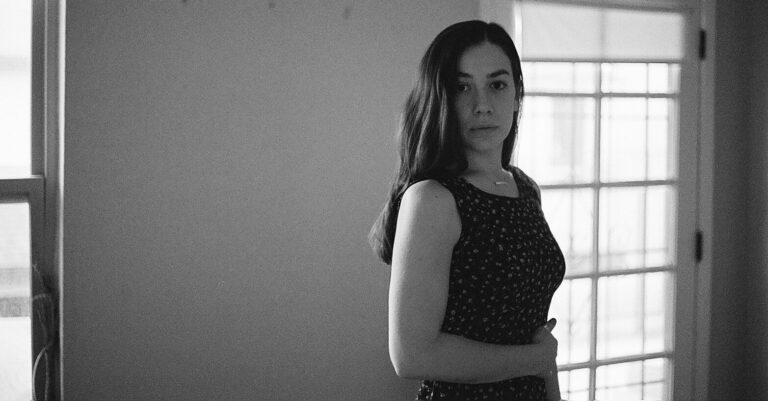
Hovvdy have released a new single, ‘Portrait’. Following recent offerings ‘Jean’ and ‘Bubba’, the duo of Charlie Martin and Will Taylor produced the single alongside Andrew Sarlo and Ben Littlejohn. Check out a lyric video for it below.
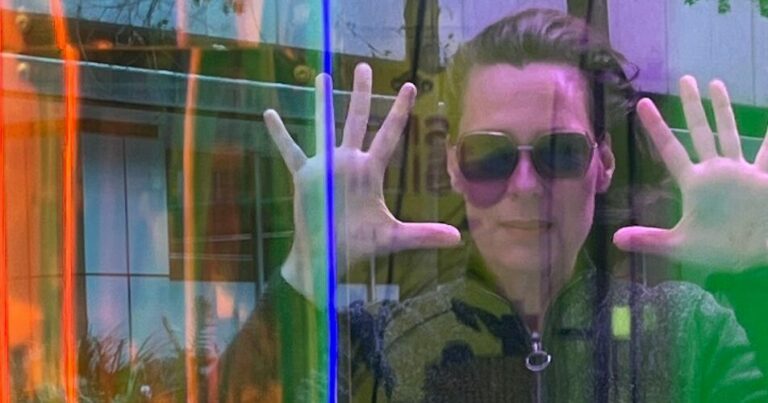
M.I.A. has released a new mixtape called Bells Collection. The 16-track collection includes contributions from Skrillex, Blaqstarr, and Troy Baker. You can stream it via her OHMNI website.
Talking about the new project in a press release, M.I.A. wrote:
BORN ON THIS DAY, A PRESENT, OHMNI PRESENTS – BELLS COLLECTION,
DROPS CHRISTMAS DAY 3PM GMT 25/12/23. TIS THE INDIAN WINTER SEASON.
I PRESENT YOU A GIFT FROM THE EAST, STAR OF WONDER STAR OF NIGHT. BEAUTY. BRIGHT. SACRED. COSMIC. MAGNETISM. A COLLABORATION W/ GOD, LIMITED EDITION HEAR IT ONLY ON OHMNI.COM.
IF YOU WANT TO SHARE THIS GIFT, CLICK SEND, TO YOUR FRIEND! MERRY CHRISTMAS! JESUS SAVES
M.I.A.’s most recent album, Mata, came out in 2022. Ahead of its release, the singer revealed in an interview with Zane Lowe on Apple Music 1 that she is now a born-again Christian.
Another year of reading has ended, and despite being perhaps the longest-running industry of all time, literature continues to evolve with the help of BookTok, influencers, and a steadily growing percentage of young people willing to pick up a novel. As a result, writers improve their craft and offer readers and journalists more to pore over, more to analyze, more to enjoy. In case it’s your upcoming new year’s resolution or you just want to revisit this year in reading, we’ve compiled the top 12 books of the year.
Chain-Gang All-Stars by Nana Kwame Adjei-Brenyah
Nana Kwame Adjei-Brenyah’s highly anticipated debut novel is high concept, but startlingly down to earth. Prisoners in a near-future America have the option to participate in the CAPE program, a three-year circuit around the country that promises freedom if they survive back-to-back death battles. Sounds brutal, but the highly publicized event draws in viewers who root for their favorite teams and prisoners, discussing them as if they’re pieces of reality TV. Part fiction, part exposé, Adjei-Brenyah also includes footnotes about real injustices and horrors the prison industrial system has allowed for a chilling effect. A sharp, thoughtful satire on where America is heading mixed with realizations of where it is now with the comic timing and social commentary of George Saunders, Chain-Gang is a punch to the head, heart, and gut.
Ripe by Sarah Rose Etter
The Book of X’s author Sarah Rose Etter uses her time in Ripe, her second novel, to create a tense, vivid dystopian view of a capitalist America. An employee at a well-paying but soul-sucking job at Silicon Valley company VOYAGER, she indirectly but knowingly takes advantage of people while the city’s problems buzz all around her — the climate crisis, the homeless crisis, the ‘being alive’ crisis. On her shoulder rests a black hole that grows and diminishes in scale to Cassie’s anxiety, a surreal element that could turn over-wrought quickly in the hands of a less powerful writer. Etter follows Cassie through her apprehensiveness towards her job, to the point where it might be too much to handle: her past threatens to come back at any moment and upend her career and livelihood. A searing satire of corporate culture and how we deal with the world around us when it feels like it’s burning, Ripe is a continuation of Etter’s thoughtful and necessary writing.
The Book of Ayn by Lexi Freiman
The ridiculously funny Lexi Freiman starts her newest novel with a cancellation — Anna’s newest novel, a satire on the opioid crisis, was deemed “classist” by the New York Times. On a walk in New York, she stumbles upon an Ayn Rand walking tour, where she finds herself drawn to the philosophy of the provocateur: endless self-centeredness if it means self-actualization. With her new muse, Anna travels to Los Angeles to write a TV show about Rand, but can’t quite get there and instead travels to the island commune of Lesvos in order to kill her ego. Once there Anna realizes that the task of a writer is incongruous with enlightenment: one will always cede to the other. Freiman is a cutting and ruthless satirist when it comes to the dual comedy of New York and Los Angeles: the micro-influencers, the socialist literary gatherings, the relationship malfunctions, it all makes for a beautiful mess recognizable to anyone today that strives to see the humor in living. In thoughtful, razor-sharp turns of phrase that makes you reach for your phone to take photos of every page, Freiman pulls no punches — it’s the funniest book of the year.
Confidence by Rafael Frumkin
Two longtime friends con the world with their ever-expanding reach in this funny and absurd novel that relies on the ridiculous but alluring health trends of now. Orson Ortman and Ezra Green meet at Last Chance Camp, where they sell sneakers in their first business venture as partners, later get into Cryptocurrency and accompany lonely wives of senators, but their magnum opus is a highly believable (if you’re that desperate) wellness trick to relieve suffering that Orson regularly performs. The two may or may not be in love, but to keep up with the act Orson shows the world, he begins to date a movie star, much to Ezra’s refusal. Eventually expanding into the fictional island country of Urmau, Orson and Ezra’s company begins to cause geopolitical tensions and a national uprising as they begin to play in dangerous territory — something that may or may not have always been in the cards from the start.
Nathan Hill’s long-waited second novel Wellness is, like his debut The Nix, a series of clever tricks. Wellness is built on the relationship between Jack and Elizabeth, who are attracted to each other during the arts era of 90’s Chicago, only to be repelled from each other in adulthood while taking care of their son. A ridiculously intelligent meditation and dissection of a relationship that was built on false premises, Hill also analyzes faux wellness trends that constantly promise self-rejuvenation under the guise of capitalism. Elizabeth, an employee at a health science lab, transforms her company from an investigative, science-backed output to a sham that gives people placebos and promises results, with the help of Love Potion Number Nine. Manifestation, delusion, photography, marriage, parenting, Minecraft, gentrification, scamming: there’s hardly a topic Hill’s dazzling and hilarious satire doesn’t handle with a keen eye. This one’s built on backstory, which makes for a lengthy read, but Wellness never overstays its welcome — when you’re in the hands of a writer as talented as Hill, you’ll be fine with him leading you wherever he goes.
The Last Catastrophe by Allegra Hyde
Climate fiction can sour with didacticism all too quickly, but the fifteen stories in Allegra Hyde’s new collection never once veer into territory that even resembles corniness. An impressive feat in and of itself, but Hyde writes about the world’s future with such delicate care and grace that a collection about the planet’s demise is enjoyable. The Last Catastrophe is filled with creativity and unshakeable wit, from its tales of plant extinction, mobile RV caravans, galactic proms, Amazon over-delivery, tech rehab — Hyde brings the same speculation and imagination that made Black Mirror an inventive, culture-shifting moment. Can a catastrophe be funny? Allegra Hyde thinks so, and as we march towards climate collapse, one of the only solutions is to laugh at what we can.
This insanely original and startlingly funny 500-page journey centers around Slide, a recent migrant to the city of Polis, a city swirling from inspirations in New York and Port of Spain, Trinidad and Tobago’s capital. A hero’s journey from start to finish, he begins a search for the perfect apartment while making a living as a barber, only for a massive flood to disrupt his process. Eventually landing on the top of Polis’ peak where he earns his keep providing cuts to survival-based civilization filled with huge men, he roams with the pack until his feet land on the ground, only to then be swept up in a viral moment where his rant on capitalism and falling behind turns him into an overnight celebrity. There’s no telling where this novel turns next, and Johnson uses every bit of his runtime to craft a warm and thoughtful tale. Fantastic, absurd, and deeply enjoyable, Pay As You Go marks the arrival of a massive literary talent.
Andrew Lipstein’s lucid, stream-of-consciousness second novel opens with hedge fund analyst Herschel Caine planning a disastrous trick — a chatty friend of his wife’s is sucking all the air out of a labored-over dinner party, and he has to make sure she leaves as quick as he can. After serving her a glass of ZzzQuil, the party continues, but the unwelcome guest ends up in a coma, to Herschel and his wife Franny’s dismay. They deal with the trauma in completely different ways: while Franny worries herself sick with medical research, Herschel channels his anxiety into veganism as an attempt to feel better, even throwing a shawarma outside of a cab window after it causes immediate disgust. The Vegan is fluid, a river of dialogue and scenery that goes hand-in-hand with Herschel’s desperate, deluded state, where he has an all-nighter helped with podcasts, then classical music, purchases an entire habitat for some anoles he houses at work, and in the middle of the night, has a spiritual awakening while standing naked in front of the zoo’s red panda. Both a warning of AI’s looming control over a corporate setting and an unraveling of an already delicate mind, The Vegan is another entry from Lipstein, a talented novelist willing to dissect masculinity, American culture, and morality in fascinating ways.
Thoughtful, speculative, and human, Do You Remember Being Born? expounds upon the AI craze (or fear) that dominated 2023, despite being written quite a few years before now. Marian Ffarmer, a poet that gains the prestige of a minor celebrity, perhaps a D-list pop star, travels to San Francisco in order to complete a project billed as the collaboration between human and machine — to produce a poem with artificial intelligence. Marian and Charlotte, the bot, enter a friendly collaborative space with delightful conversations where Charlotte learns about humans, but with only a week to write the poem that the world is waiting for, she starts to second-guess whether or not the project is worth completing or possible. With a technological twist created by Michaels himself, the Scotiabank Giller prize-winner’s third novel is an insightful and optimistic deep-dive into a sector of innovation that’s sure to remain relevant for years to come.
Megan Nolan’s 180-degree turnaround from her feverish, wildly entertaining first novel Acts of Desperation is her second, Ordinary Human Failings, a family story that’s handled with just as much grace. Whereas her first had an unnamed narrator moving through life, Ordinary Human Failings centers around the Greens, an Irish family new to England and already under scrutiny in their small town. After a mishap on the playground turns into a much larger controversy, tabloid journalist Tom Hargreaves jumps at the chance to get the scoop, and make the situation much, much worse. Trapping them in a hotel with false pretenses of safety with unlimited supplies of alcohol, Tom coaxes out each of the Greens’ individual stories, from the father’s depressing past, the son’s previous fall-out with friends, and the daughter’s bitterness when it comes to motherhood. Nolan is a strong, intelligent storyteller, and her second novel is a heartfelt, deeply impressive examination of humans who only desire to be better.
Thoughtful, skilled, and heartbreaking, Gina Rushton’s The Parenthood Dilemma is the best nonfiction book I’ve read this year — not packed with data or statistics but real, human experiences that show the horror, weight, and reckoning with having a child when the world ahead might not have the space to include them. Rushton, a gender violence and reproductive rights reporter, uses her knowledge to collect stories from people apprehensive about the child-rearing process, whether due to past medical racism, the option to choose being taken away from them, or little-discussed topics like genetics, emotional work, and legacy. An uneasy but necessary read, Rushton’s reporting reveals the stark exasperation many feel when considering becoming a parent, a notion that society pushes us towards yet doesn’t provide the necessary tools to help. There’s still a long way to go.
A speculative marvel as well as a work of entertaining fiction, Colin Winnette’s fourth novel features Miles, a father and husband who has been recently receiving death threats due to his work at a virtual reality gameplay company. Overthinkers in the game took offense to his newest development, The Ghost Lover, which has alleged issues with consent, to which players can create more frustrating situations from. As the threats continue and Miles worries more and more about his place at the company (to no reassurance to his wife and children, who start to move farther and farther away), he creates a last-minute add-on called ‘The Egg,’ hoping to blur the lines between fiction and reality even more. After a horrendous visualization inside the machine shakes Miles to his core, he’s unsure if the technology has done what he set out to do, and if it might be too late. Haunting, real, and at times funny, Users is a downwards comedy of errors of disastrous proportions.
Speedy Ortiz leader Sadie Dupuis has released a new track under her Sad13 moniker, ‘Boycott Scream 7’, as the latest addition to her annually updated holiday playlist. The title refers to the upcoming Scream sequel, which fired Melissa Barrera over social media posts showing support for the Palestinian cause. Very soon after, it was reported that Jenna Ortega was no longer set to reprise her role in the film. “People I once loved have taken off their masks/ So I begin this season with a boycott of Scream 7,” Dupuis sings. Listen to it below.
Barely an hour after she posted the track, director Christopher Landon announced on X/Twitter that he “formally exited” the project weeks ago.
Speedy Ortiz released their latest album, Rabbit Rabbit, back in September.
Sondre Lerche has offered his take on Miley Cyrus’ ‘Flowers’, continuing his annual traditional covering a pop song each holiday season. Listen to it below.
Speaking about his choice of song, Lerche shared in a statement:
I’ve felt out of touch with hits this year. The few that caught my ear were perfect songs (Kill Bill, Vampire) that I would feel uncomfortable and unmotivated performing myself. And while Kylie’s grand Padam phenomenon was top of my wish list, it simply wasn’t big enough on a global scale. At least this was the consensus when Matias and I sat down 24 hours ago, to review our options and make a choice. I try to think about how to most constructively add to any conversation or situation I step into. It feels increasingly challenging these days, and sometimes you just fail. As it turns out, the big hit that Matias and I felt we could most constructively assist this year was Flowers by Miley Cyrus. Seeing as this year also marks the tenth anniversary of our ritual, plus the fact that the first big hit Matias and I covered together for Christmas ten years ago, was Wrecking Ball by Miley Cyrus, it all seemed to make sense. Also, with the recent release of my Understudy album, which contains the first decade of these annual covers, this year’s addition to the tradition marks the beginning of the next decade of our joyful ritual. I hope it brings you joy. Thanks for listening, following and keeping in touch, always. I am looking forward to spending time on new songs and music in 2024.
This season it is impossible for me not to reflect on the thousands of civilians, especially children, killed or traumatized by senseless acts of war and terrorism. We must do better. Wishing you love and peace.
With thanks, SL
In recent years, the Norwegian singer-songwriter tackled Doja Cat and SZA’s ‘Kiss Me More’ and Taylor Swift’s ‘Anti-Hero’.
In the dynamic digital landscape of the 21st century, cam sites have emerged as a prominent element of online adult entertainment. These platforms, characterized by live streaming and interactive chat features, have catapulted to mainstream popularity, reshaping societal views on adult content and fostering a new era of digital intimacy. But what lies behind the meteoric rise of cam sites? This exploration delves into the various aspects that contribute to their widespread appeal, shedding light on the factors that have made these platforms a staple online.
1. Anonymity and Privacy
The aspect of anonymity and privacy on adult webcam sites cannot be understated. These platforms typically allow users to interact under pseudonyms, offering a safe space to explore adult content without revealing their identities. This feature particularly appeals to users who value discretion and wish to maintain their privacy in online entertainment.
In addition to user anonymity, these sites also employ stringent security measures to protect their users’ privacy. They use encryption technologies to safeguard personal and payment information, ensuring user data remains confidential and secure. The best adult webcams sites understand the importance of user privacy and prioritize it in their operations. This commitment to privacy and security instills a sense of trust in users, further enhancing the appeal and popularity of adult webcam sites.
2. Ability to Offer a Personalized and Interactive
One of the main draws of adult webcam sites is the ability to provide a personalized experience. Unlike traditional adult content, which is usually pre-recorded and one-dimensional, cam sites allow users to tailor their viewing experience to their specific preferences. This could mean interacting with a performer of a certain appearance or engaging in a chatroom that caters to a particular interest or kink. This customization offers a sense of control and participation largely absent in other forms of adult entertainment.
In addition to personalization, the interactive nature of cam sites significantly contributes to their popularity. Live streaming adds an element of real-time engagement, creating a sense of immediacy and authenticity. Users can communicate directly with performers through chat functionalities, making requests, asking questions, or conversing. This interactive aspect creates a more intimate and dynamic experience that can be entertaining and gratifying for users.
3. Accessibility and Convenience
The growing popularity of adult webcam sites can be attributed to their accessibility and convenience. In today’s digitally connected world, you only need a stable internet connection and a device like a smartphone or laptop to access these platforms. This allows adult content to be consumed from virtually anywhere, at any time, breaking down the barriers of traditional adult entertainment. The 24/7 availability of live streams ensures users can tune in to their favorite performers regardless of their schedule, reinforcing the appeal of these platforms.
Adding to the convenience is these sites’ freedom of anonymous participation. Users can engage with cam sites without revealing their identities, ensuring privacy, especially in the realm of adult entertainment. This anonymous interaction allows users to explore their interests without fear of judgment or social stigma. Easy access, round-the-clock availability, and protected privacy contribute to the popularity of adult webcam sites.
4. Technological Advancements
Technological advancements play a pivotal role in the growth and popularity of adult webcam sites. Innovations in streaming technology have made it possible for high-definition live broadcasts to be delivered seamlessly, enriching the viewer experience. Furthermore, advancements in data security have also contributed to user trust and confidence, as they can be assured of their privacy and protection of personal information.
Emerging technologies, such as Virtual Reality (VR) and Augmented Reality (AR), hold immense potential for the future of cam sites. They could offer unparalleled immersive experiences, blurring the lines between the digital and physical worlds. The continuous evolution and integration of innovative technology ensure that adult webcam sites remain at the forefront of online adult entertainment, continually adapting to meet their audience’s ever-changing needs and desires.
5. Empowerment for Performers
Adult webcam sites also provide a platform for performers to express their sexuality freely and earn a living from their craft. Performers can set their schedules, choose the nature of their performances, and interact with audiences on their own terms. This empowerment is a stark departure from traditional adult entertainment industries, where performers often have less control over their work.
Moreover, this digital platform enables performers to build a global audience, creating opportunities for income and recognition beyond their physical locations. The live and interactive nature of cam sites fosters a direct connection with the audience, forming a supportive community that offers appreciation and financial rewards. This empowerment and control for performers enhance the allure of adult webcam sites.
6. Community and Connection
The sense of community and connection that adult webcam sites offer cannot be overlooked. These platforms allow like-minded individuals to unite and share their interests and desires, creating a sense of belonging. Whether it’s through chat rooms or live performances, cam sites facilitate interactions between users, fostering a sense of camaraderie and intimacy.
Moreover, the performers often cultivate a loyal fan base, building personal connections with their viewers. This adds another layer of connection and community to the platform as users become invested in the personalities and stories behind their favorite performers. The sense of genuine human connection is a significant factor that drives the popularity of adult webcam sites, as it satisfies innate needs for companionship and intimacy.
7. Broad Spectrum of Content
Adult webcam sites are popular due to their wide range of content. These platforms offer diverse categories and genres, including body types, ethnicities, fetishes, and performances. This variety ensures something for everyone, catering to different adult entertainment preferences. Live performances add spontaneity and unpredictability, setting them apart from traditional adult content.
The wide range of content on cam sites highlights their inclusive nature. These platforms foster acceptance and inclusivity by catering to diverse interests and preferences. This, along with the extensive variety of content, contributes to the popularity of adult webcam sites. They offer a personalized and inclusive experience that resonates with a broad audience, cementing their appeal in the digital landscape.
The rise of cam sites can be attributed to various factors. From user anonymity and convenience to technological advancements and performer empowerment, these platforms offer unique features that cater to modern users’ needs. But above all, personalization, connection, and community drive their appeal in the digital landscape. The popularity of adult webcam sites continues to grow, and with constant evolution and innovation, they will remain a dominant force in online adult entertainment.