

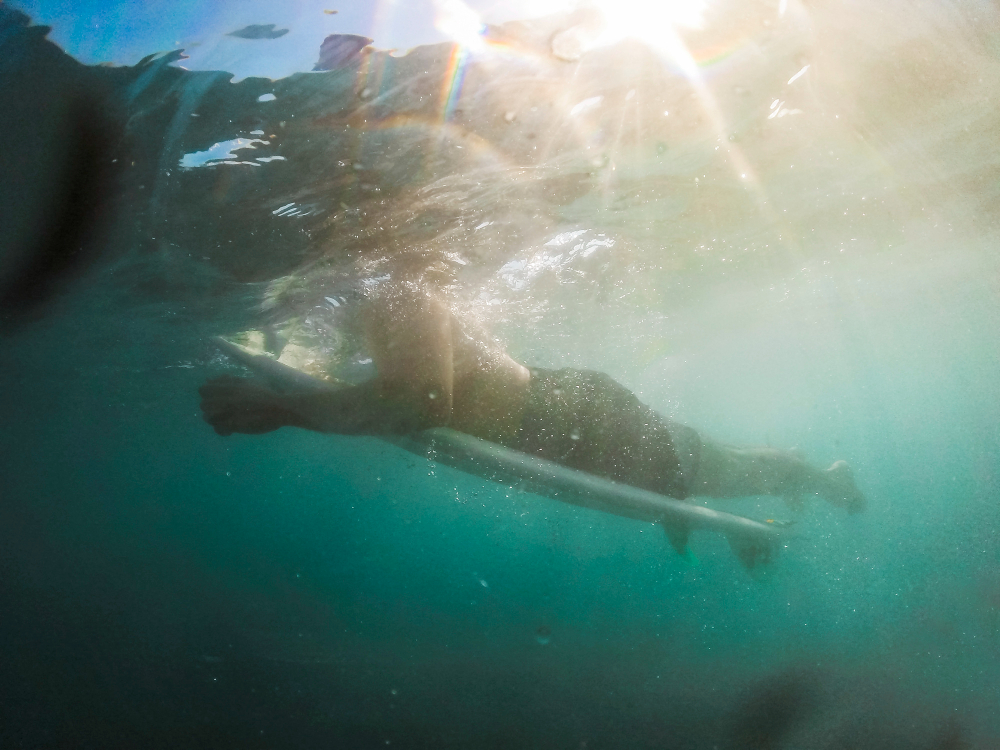
Komodo National Park is one of the most rewarding places in Asia to photograph underwater, and one of the most demanding. Strong tidal currents feed reefs that are thick with fish and soft coral. The same currents can drag a camera rig sideways and empty a frame in seconds. Photographers who come back with good work tend to plan around the water first and the kit second.
This guide covers the practical side of shooting there, from lens choice to reef etiquette.
The land gets the headlines, of course. Komodo’s dragons dominate the island’s reputation, but Neptunescubadiving.com brings Komodo Island scuba diving into focus, drawing attention to an equally fascinating underwater environment of coral reefs, tidal channels and diverse marine life. For a photographer, that environment splits neatly into two quite different places, and knowing which one a dive is in decides almost everything about the shot.
Read the Current Before the Camera
Currents in Komodo follow the tides, and they can change speed and direction within a single dive. Guides time most dives for the slack or the start of a run, but the window can be short. Before any Komodo island scuba diving day, ask the guide which way the water will be moving and where the group will shelter. Photographers usually do best on the down-current side of a pinnacle, where fish gather in the eddies and a diver can hold position without fighting.
Many divers here carry a reef hook. Used properly, clipped to a short line and fixed only to bare rock, it lets a photographer stay still in current and shoot schools passing overhead. But it takes practice, so a first dive with one is better spent learning to use it than chasing frames.
North or South Decides the Lens
The park has two broad characters. The north tends to be warmer and clearer, with pinnacles and big schools. The south, around Nusa Kode and Horseshoe Bay, is cooler and richer in plankton, so visibility drops while small life multiplies. Since a lens can’t be swapped underwater, the choice is made on the boat.
Wide-Angle in the North
Sites such as Batu Bolong and Castle Rock reward a wide or fisheye lens, since reef scenes and schooling fish fill the frame there, and the mantas at central sites like Karang Makassar need the same treatment.
Macro in the South
The colder southern water suits a macro lens. Frogfish and pygmy seahorses are the usual targets, and the reduced visibility matters far less at close range.
- Ask the guide the night before which site is planned.
- Pick one lens per dive and commit to it.
- If conditions change at the last minute, keep the lens you have, because a rushed port swap on a rocking tender is how O-rings fail.
A Rig That Works in Current
Big rigs and strong water don’t mix well. A compact setup stays steadier and creates less drag. Most experienced Komodo shooters travel lighter than they would for calm water.
- Trim the housing so it’s slightly negative.
- Use a lanyard clipped to the BCD.
- Keep arms short enough to fold strobes in quickly.
- Carry a smaller dome where possible, since a large one acts like a sail when the current picks up.
- Spares.
The Dome That Caught the Current
On a Wednesday in September 2025, a wedding photographer from Bristol dropped in at Castle Rock a little after seven with a 230 mm dome port and two strobes on long arms. The current was running harder than the briefing suggested. Within a few minutes, the rig was pulling her off the reef like a kite, and she couldn’t hold position long enough to frame anything. She let go of the rock to protect the dome and drifted away from the group, surfacing several hundred meters down-current. Her guide, who’d been watching her bubbles, sent up a surface marker and the tender picked her up within about ten minutes. The dome had a long scratch across the lower edge, and she lost the rest of the morning’s diving. For the remaining days, she switched to a smaller dome and a reef hook, and came home with her best schooling-fish shots from the last two dives of the trip.
Light, Backscatter and Mantas
Southern Komodo’s plankton is good for mantas and bad for strobes. Pointing strobes straight ahead lights every particle in the water, so most photographers angle them slightly back and outward. Shallow manta encounters often work better with ambient light alone. A custom white balance or a red filter helps in the top 15 meters or so. It’s hard to say which approach produces better manta images overall, and opinions among experienced shooters are divided.
Rules on the Reef
Komodo is a national park, and the reef rules are strict for good reason. Guides will enforce them, and photographers are the most frequent offenders.
- Never touch coral or animals, and hook only onto bare rock, which is why practicing with the hook before a big current dive matters.
- Keep a respectful distance from mantas and let them approach.
Some guides also limit flash on fragile subjects such as seahorses, and it’s worth following that rule without argument.
Logistics From Labuan Bajo
Labuan Bajo, on Flores, is the base for diving in Komodo Island, Indonesia, and short flights connect it with Bali. Carry the camera and its lithium batteries in hand luggage, as airlines require spare lithium batteries in the cabin. Day boats suit the north, while liveaboards reach the southern macro sites more easily. Boat charging space can be limited, so bring a compact multi-port charger. And rinse the rig in fresh water after every dive, because salt crystals work into buttons quickly.
Park and diving fees have changed several times in recent years, so check the current amounts with the operator before traveling. On a non-diving day, see the dragons Komodo Island is famous for on a land excursion with a ranger that needs booking separately. The pink sand at Pink Beach, coloured by fragments of red organisms washed up from the reef, is another popular stop between dives.
For a first scuba diving Komodo trip, book at least one easy check-out dive before the current sites, and keep the camera in its rinse tank for that one

