

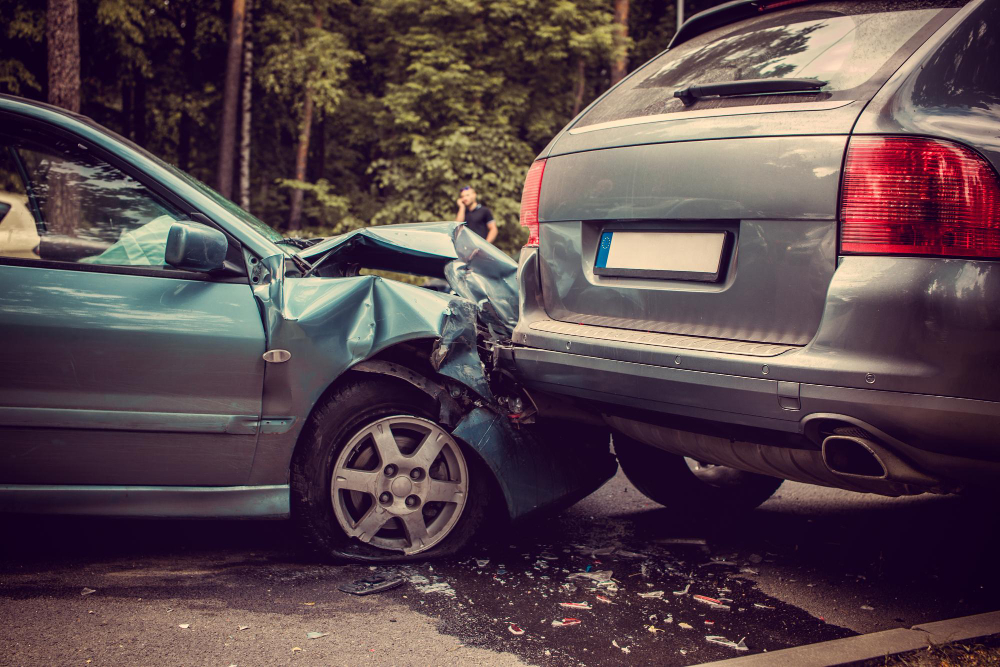
Rhode Island’s busy roadways can turn a routine drive into a complicated legal question when the same collision involves several vehicles. In these crashes, responsibility rarely rests with a single decision or moment. One driver may create the initial danger, while another adds to the impact through speed, following distance, distraction, or a delayed response. That makes the order of events especially important for anyone seeking compensation for injuries or property damage. Police reports, photographs, witness accounts, vehicle damage, and available video can help show how each action affected what happened next.
Insurance companies may reach different conclusions about fault, leaving an injured person with competing explanations and lower settlement offers. A Rhode Island car accident attorney can review the evidence, identify where responsibility may overlap, and explain how shared fault could affect a claim. Understanding those connections can help a claimant respond to disputes with a clearer picture of what actually occurred under Rhode Island law and insurance rules.
How Each Driver’s Conduct Matters
In a collision involving several motorists, a claimant needs a clear account of each vehicle’s movement, not a guess based on the first impact. A car accident attorney can assess how witness accounts, scene evidence, and driver statements fit together. This review can also identify disputed details and explain whether a driver’s conduct contributed to the crash.
The first impact does not automatically settle responsibility in a chain collision. A rear driver can share fault if an unsafe lane change created a hazard or left too little room to stop. The sequence matters, but investigators also consider which actions were avoidable.
Evidence Builds the Collision Timeline
Investigators build a timeline using physical evidence and independent accounts. They compare vehicle positions, damage patterns, skid marks, traffic signals, road conditions, and available camera footage. Each fact should help answer a question: who had the right of way, who changed direction, and whether a driver had time to avoid impact.
Statements also matter, but people may give incomplete accounts after several impacts happen quickly. A timeline can separate what a witness saw from what someone inferred later.
Investigators should record where each witness stood and whether anything blocked the view. Those details affect how much weight an account deserves. A clear diagram can show lanes and directions without claiming more than the witness observed.
Shared Fault Affects Recovery
Responsibility can get divided when more than one driver’s conduct contributed to an injury. One motorist might create a hazard, while another’s speed or distraction worsens the collision. A third driver’s actions can also matter if they cause a later impact in a chain reaction.
The effect on compensation depends on the rules that apply to the claim. State rules differ, so a person should not assume another driver’s fault automatically eliminates or guarantees recovery.
The evidence must connect each act to the crash or resulting harm. Simply being part of the sequence does not establish responsibility. A person who did not cause the first impact can still be responsible for a later collision.
Insurers Test Competing Accounts
Insurers examine each driver’s account and compare it with the available evidence. Their reviews can differ because one carrier may focus on its policyholder’s actions, while another emphasizes other motorists’ conduct.
Check each account against the same timeline. A fault conclusion based on one statement can miss a late lane change, a second impact, or a driver’s chance to avoid the crash.
An injured claimant should keep communications factual and avoid guessing about speed, distance, or sequence. When a detail is unclear, it is better to say so than to fill the gap with an estimate. If accounts differ, each insurer should identify the facts behind its view rather than rely on a bare percentage.
Multiple Impacts Complicate Causation
Multiple impacts raise separate questions about cause and harm. A first collision can push a vehicle into another lane, while a later contact causes additional damage or injury. A medical record noting when symptoms began can help connect an injury to the crash, though it does not decide fault on its own.
Photographs and repair assessments can help distinguish earlier damage from crash-related damage. If that distinction remains unclear, the parties may dispute which driver caused a particular loss.
The location of each vehicle after impact and the timing of each contact matter as much as the final resting positions. Clear records can also help separate treatment for crash injuries from care for unrelated conditions.
Records Clarify Disputed Details
Prompt recordkeeping can preserve details that fade after a stressful crash. A driver or passenger should write down the sequence, note weather and road conditions, and save photographs, witness contact information, and medical paperwork.
Copies of repair estimates, bills, and insurer messages create a record of claimed losses. Notes should distinguish direct observations from assumptions, such as whether a signal changed before a turn.
This distinction lets investigators compare accounts with physical evidence without treating a guess as fact. If accounts conflict, a dated note made soon after the collision can help explain what a person observed. Keep original records where possible, and date any new notes rather than revising earlier entries.
Conclusion
When several drivers contribute to a collision, the central question is how each person’s conduct shaped the crash and the resulting losses. A practical next step is to create a simple timeline while events remain clear, then match each entry to a photo, document, or witness. If responsibility remains disputed, a lawyer familiar with Rhode Island claims can review the evidence and explain how state rules apply to the specific claim.

