

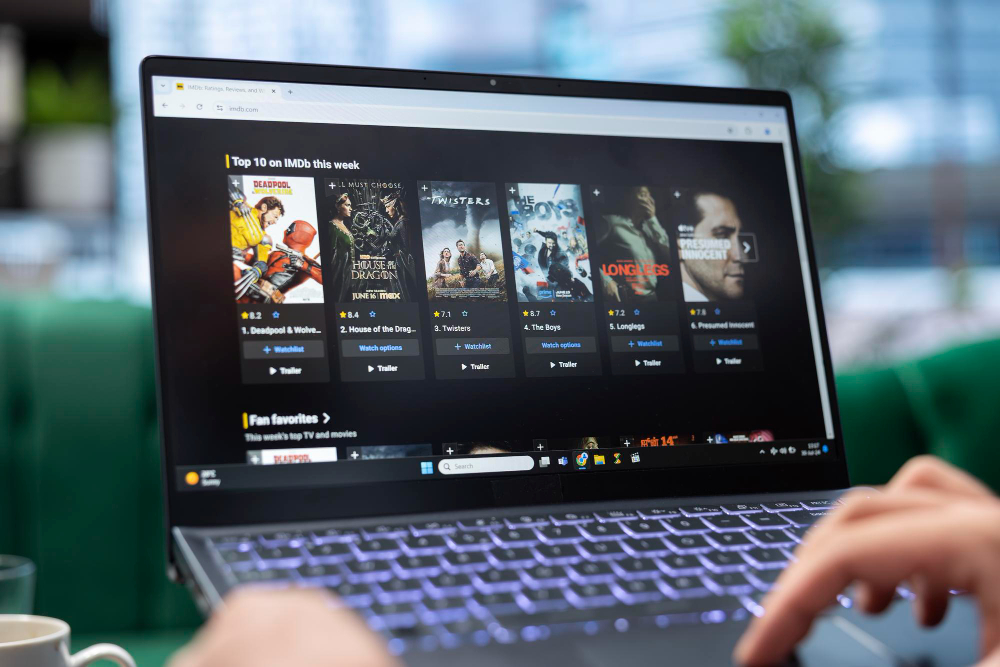
Streaming did not just change how people watch things. It changed how entertainment is built and experienced. What started as a way to watch films online turned into something much bigger. Now it touches almost every corner of entertainment. Music moved there. Sports followed.
Areas that once depended on physical venues now live partly online.
What makes streaming powerful is immediacy. Content appears when it is needed. There is no waiting for schedules or physical releases. Entertainment shifted from planned viewing to instant access, and that changed behaviour across entire industries.
Casino Games And The Rise Of Live Streaming Tables
Casino gaming changed in a big way once live streaming entered the picture. Online casinos already existed, but live dealer games added something different. Real tables. Real dealers. This is all shown through high-quality video feeds.
This changed how people interacted with online casino games. Instead of playing against animations, players could watch a real person dealing cards or spinning wheels in real time. That created a stronger sense of social connection that some people look for in games. Sportaza’s online casino games connect people with real dealers in games including blackjack and roulette.
The pace also feels different. Live streaming introduces natural pauses. Cards are dealt at human speed. Wheels spin naturally. That rhythm feels closer to physical casino environments. Some people prefer layouts and sites like Sportaza provide choices and options for how people play.
Technology made this possible through faster internet and better video compression. High-definition streams now run smoothly across phones and laptops. The result is a hybrid experience where physical casino atmosphere meets digital convenience. Increasing internet speeds have definitely helped this to become more straightforward.
Sports And The Shift To Constant Access
Sports changed dramatically through streaming. Matches are no longer limited to television schedules. Fans watch games on phones or tablets wherever they are. Highlights appear seconds after they happen.
Streaming also changed how sports are produced. Alternative camera angles. Player-focused streams. Commentary options. Fans choose how they experience events.
Even smaller leagues gained visibility. Streaming platforms allow events to reach global audiences without traditional broadcasting barriers. That exposure changes how sports grow.
Movies And TV In The On-Demand Era
Film and television were early drivers of streaming. The industry still feels the impact. Release windows changed. Entire seasons arrive at once. Viewers control pacing.
Streaming platforms also changed what gets made. Niche genres find audiences because distribution is global. Stories that might not fit traditional broadcast schedules now have space to exist.
Production styles change. Shows are written with binge viewing in mind. Story arcs stretch across episodes more smoothly. Cliffhangers feel different when the next episode sits one click away.
Shows like Fallout have proven to be big successes in recent years. Even though the second season has only just dropped, people want to know what the third season has in store.
Gaming Content And The Rise Of Watching Play
Streaming turned gaming into spectator entertainment on a massive scale. Watching someone play a game became entertainment in its own right.
Platforms allow players to broadcast gameplay instantly. Audiences form around personalities, and YouTubers and Twitch streamers are increasingly common (and famous). Many of the top streamers on Twitch are in the gaming niche. Some players and fans watch for commentary and reactions.
This also influences game design. Developers know games will be watched as well as played. Visual clarity and pacing matter more than ever as the games are digested differently.
Esports also grew alongside streaming. Tournaments reach global audiences easily. Commentary and analysis now sit alongside gameplay in real time.
Music And Live Digital Performances
Music streaming is not just about recorded tracks anymore. Live digital concerts and sessions are now normal. Artists perform for global audiences without needing massive venues.
Fans can watch performances from anywhere. Some shows include interactive elements – bands and artists can get creative with it.
This changed how artists connect with audiences. Distance matters less. Reach expands.
Why Streaming Continues To Expand
Streaming works because it removes distance and delay. Entertainment becomes immediate. Global audiences access content at the same time and can quickly chat about the latest season of a show or what is happening in a big esports tournament.
Technology continues to improve. Faster connections. Better video quality. Lower delay between broadcast and viewing. These improvements make streaming feel natural.
Content creators also benefit. Distribution costs drop. Audiences grow faster. Creative freedom expands.
The Future Looks Permanently Streamed
Streaming is no longer a trend. It is infrastructure. Entertainment industries now build around it rather than adapting to it.
Casino games use it to recreate physical experiences digitally. Sports use it to expand audiences. Film and TV use it to change storytelling. Gaming uses it to turn play into performance.
The biggest change is how natural it feels. Streaming no longer feels like technology. It feels like how entertainment simply works.

