

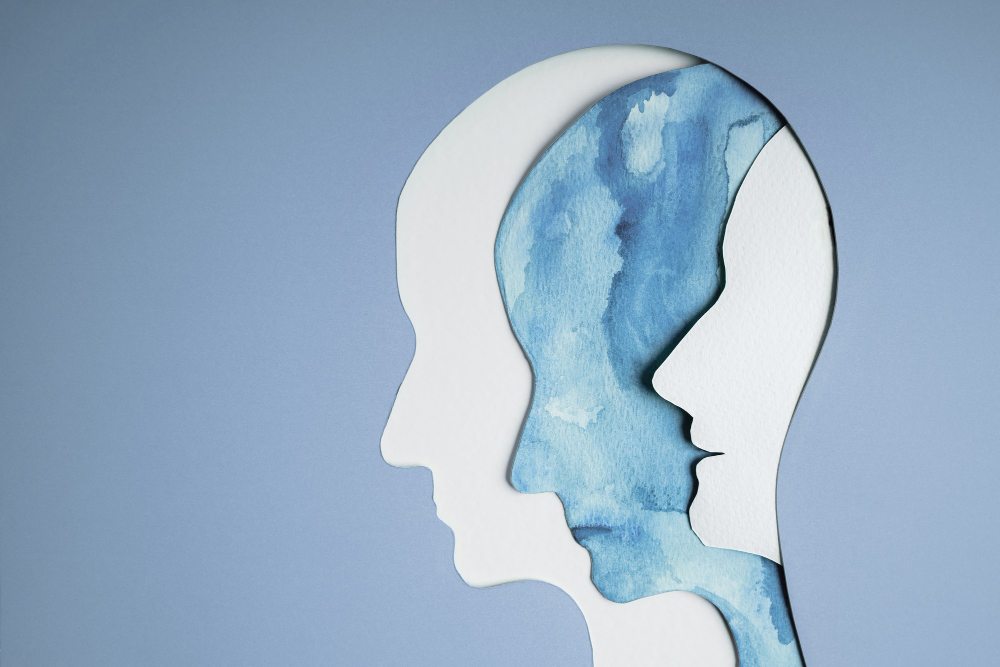
For a long time, we thought of our stomach and intestines as a simple food processor. We believed their only job was to break down what we ate, take the nutrients, and get rid of the rest. However, modern science is showing us that the gut is far more than a digestive tube. It is actually a complex control center for the mind, often called the “second brain.” This is because your gut and your brain are in constant communication, sending signals back and forth every second of the day.
More Than Just Digestion
The big idea shifting in psychology today is that we should stop thinking of the gut and the mind as two separate things. Inside your digestive system lives a massive, invisible world made of trillions of tiny “helpers”—bacteria, viruses, and fungi known as the microbiome. When this “inner garden” is healthy and diverse, it helps you stay calm and focused. When it is out of balance, it can lead to feelings of anxiety, sadness, and brain fog. You can find more practical guides on how to support this internal ecosystem here, where we dive deep into the daily habits that keep both your gut and your mind in peak condition. Understanding this link is the first step toward a more grounded life.
The Information Highway Between Gut and Brain
The connection between your belly and your head isn’t just a metaphor; it is a physical reality. There is a massive “main cable” called the Vagus Nerve that runs directly from your brain stem down into your abdomen. This nerve allows your gut to send instant updates to your brain about how it feels. But the communication isn’t just electrical; it is also chemical.
Surprisingly, about 95% of your body’s serotonin—the “happy chemical” that stabilizes your mood—is produced in your gut, not your brain. Your gut bacteria also help produce dopamine and other chemicals that manage stress. Furthermore, these microbes act like teachers for your immune system. They train your “internal guards” to stay calm. If the gut is healthy, the immune system stays quiet. If the gut is unhappy, the immune system may trigger inflammation that travels up to the brain, affecting how you feel and think.
When the Gut Barrier Breaks
Sometimes, the walls of our gut can become weak or “leaky.” This is often called intestinal permeability. Think of your gut lining like a fine mesh screen that is supposed to let nutrients through but keep toxins out. When this screen gets holes in it, bits of undigested food and bacteria can slip into your bloodstream. This triggers your immune system to go on the attack, creating inflammation that spreads through the body.
This “internal fire” can eventually reach the brain, causing the low mood and lack of energy often seen in depression. There is also a “stress trap” involved here. When you are highly stressed, your body produces cortisol, which can physically damage the gut lining. This creates a painful cycle: stress damages your gut, and a damaged gut sends signals to the brain that make you feel even more stressed.
How Microbes Change Your Emotions
Recent research has shown that certain types of bacteria are specifically linked to a calmer mind. In studies where scientists compared “germ-free” animals to those with healthy gut bacteria, the animals without the good microbes had a much more explosive reaction to stress. They couldn’t “calm down” as easily. Good bacteria help protect the brain by turning fiber from plants into “short-chain fatty acids.” These are like a high-quality fuel that repairs the brain’s protective barrier and lowers inflammation.
This is why there is such a strong link between what we eat and how we feel. People who eat a wide variety of plants, fruits, and fermented foods tend to have a more stable and positive mood. By feeding the “good” bacteria the fiber they love, you are essentially manufacturing your own natural anti-anxiety medicine right inside your body.
Using Bacteria as a New Kind of Medicine
Because the link is so strong, scientists have started a new field of study called “psychobiotics.” These are specific strains of probiotics (live bacteria) that are used specifically to help treat mental health struggles. In some clinical trials, people who took these specific “mood-boosting” bacteria saw a drop in their cortisol levels and reported feeling less overwhelmed by daily life. This is an empowering discovery because it means that choosing what you eat is a powerful form of self-care. You aren’t just eating for your weight or your heart; you are eating to support your mental health and emotional balance. Taking advantage of Next Microbiome akkermansia probiotics can be an excellent way to strengthen the integrity of your gut barrier while exploring these advanced connections. Supporting your digestive tract with targeted, high-quality strains helps create a more resilient environment that positively influences your overall well-being.
Why Everyone Is Different
Even though we know the gut-brain link is real, it isn’t a “one size fits all” solution. Everyone has a unique map of bacteria inside them—as unique as a fingerprint. This explains why a specific diet might make one person feel energetic and happy, while it makes another person feel sluggish. Scientists are also still trying to solve the “chicken or the egg” problem: does a bad gut cause a bad mood, or does a bad mood cause the gut to get sick? Most likely, it works both ways. The future of mental health will likely involve “personalized nutrition,” where a doctor checks your specific microbiome to create a custom plan just for your mind.
Wrapping Up
Your mind and your body are not two separate entities; they are one single, flowing system. Reaffirming this connection is a vital act of self-discovery. By “gardening” your mind through the food you eat and the way you treat your body, you are taking an active role in your own mental health. You are never truly alone in your journey; trillions of tiny microbes are working every day to help you stay balanced. When you look after them, they look after you, helping you grow a life that is grounded, healthy, and full of joy.

