

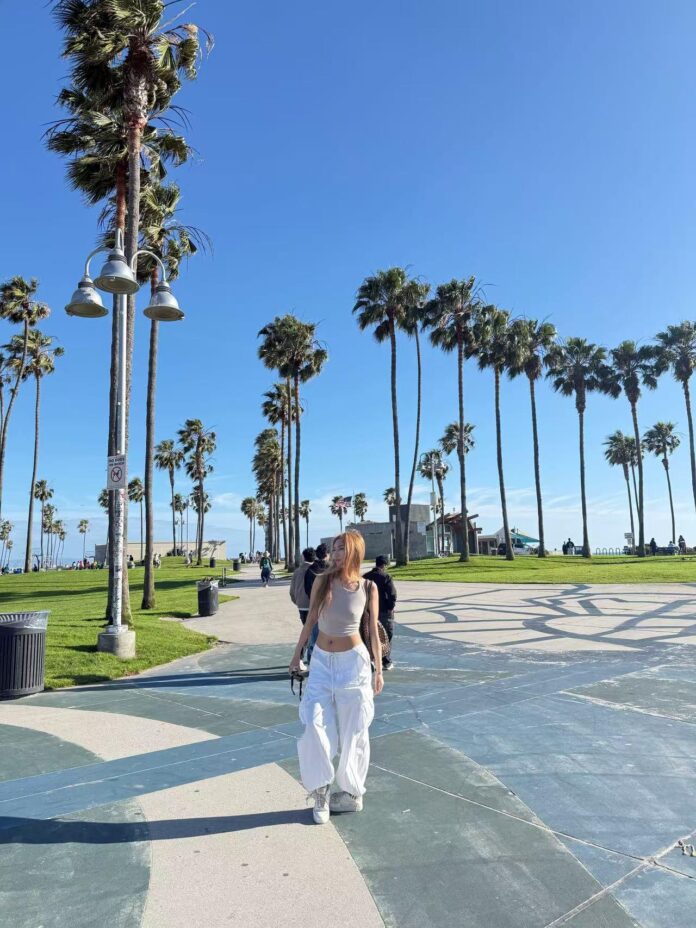
Xinyue Zhang is a multimedia artist. Born in northern China, her practice explores the boundary between figuration and abstraction, capturing the tremors often overlooked in daily life—the path of light through dust, the traces of time on surfaces, and the deconstruction of visual inertia.
Zhang holds a BA in Painting from the Xi’an Academy of Fine Arts. She was a recipient of The Light From 2025 International Designer Club Awards – Winner Art Competition, hosted by the International Visual Communication Design Association. Her work has been showed included in the 2025 London – Chieloka Anadu x Arrival Gallery Exhibition, and the 2026 Milan Show exhibitions.
Working across digital painting, printmaking, and other media, she remains committed to the texture of paper-based painting. Her work is held in private collections internationally.
Xinyue Zhang lives and works in Beijing, China. Now living in Los Angeles, USA.
You work across digital painting, printmaking, and paper-based media. What does each medium give you that the others cannot, and has working digitally ever changed how you see traditional materials?
I don’t see them as opposing. Digital allows me to move fast—to catch a tremor before it disappears. But paper slows me down. The texture of paper, the resistance of a surface, the way ink bleeds or doesn’t—those are things you cannot fake digitally. What digital has given me is a kind of freedom to fail quickly, to layer without consequence. And interestingly, that has made me more patient with paper. I now understand that the “mistakes” on paper—the uneven wash, the unexpected bleed—are not errors. They are the surface recording its own time. So digital didn’t replace the physical; it taught me to see what the physical was already doing.
You work across both digital and traditional printmaking. In an era where an image can be generated or reproduced in seconds, what does the slowness of paper-based painting or printmaking do that a screen cannot?
I think it’s the physical memory. When I draw or print on paper, the surface holds everything—the pressure of my hand, the time I hesitated, even the humidity of the room. A screen shows you an image. Paper lets you feel a trace. There is also the question of attention. When I work slowly on a paper piece, I am forced to look at the same surface for hours, sometimes days. I start seeing things I would have missed—tiny shifts in tone, a texture that only appears under certain light. That kind of looking changes you. You cannot rush it. A screen gives you speed. Paper gives you duration.
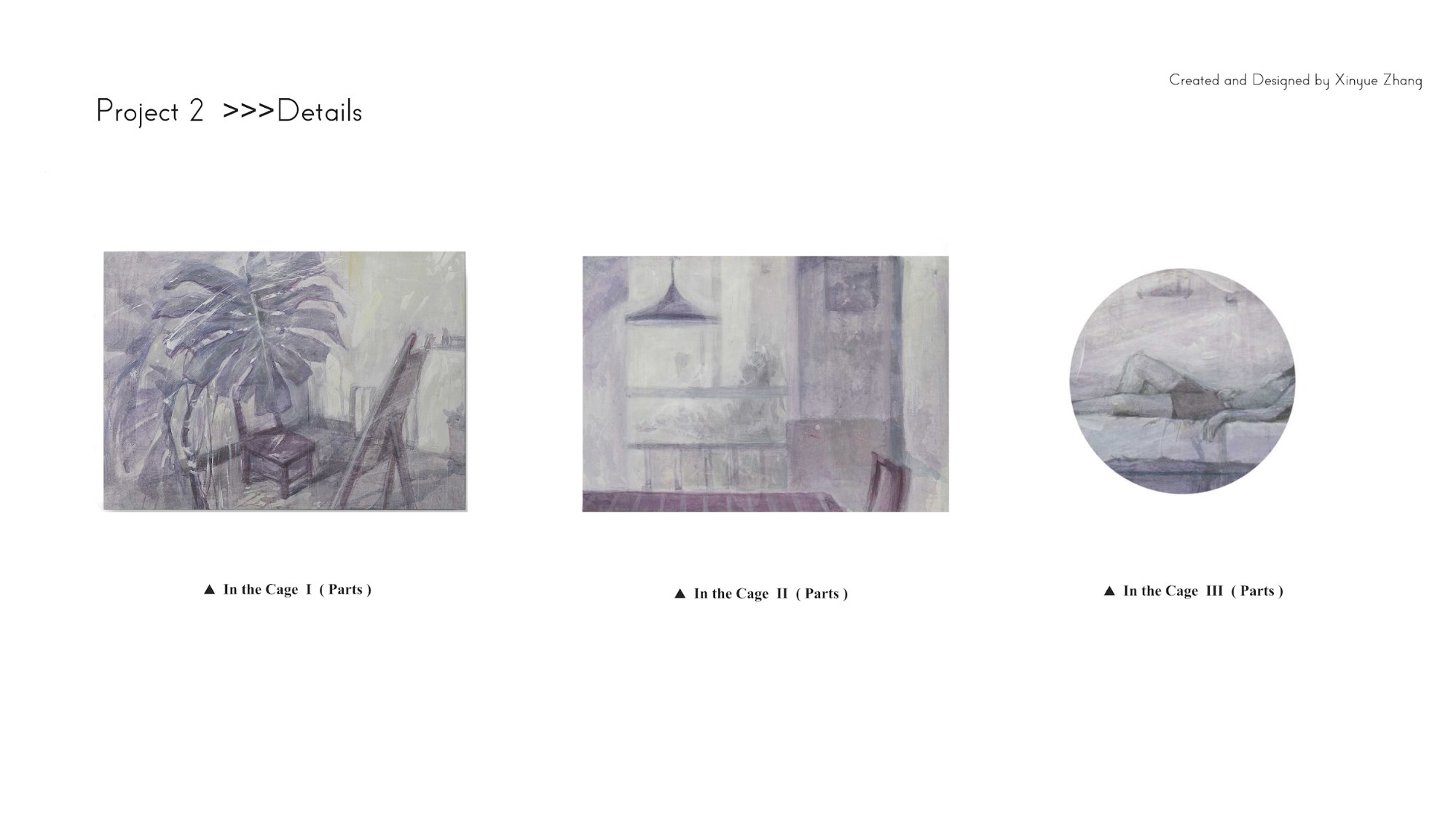
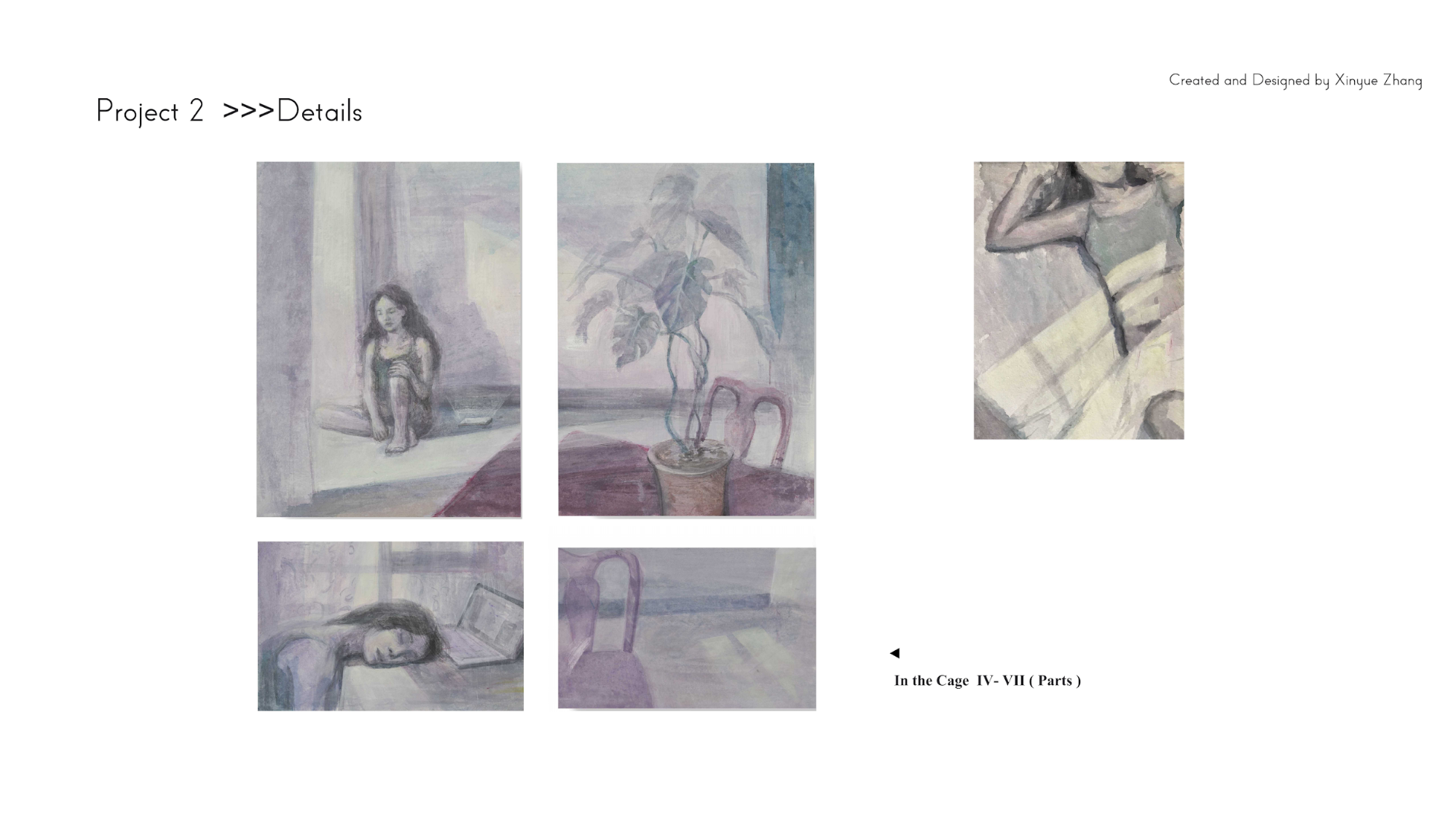
How do you feel about the word “abstract” in relation to your work?
It’s never felt quite right, but I also don’t reject it. I’m not trying to represent nothing. I’m trying to represent something that is hard to name—a tremor, an in-between, a moment of visual inertia breaking. If someone calls it abstract, I understand. But I would rather say it is figurative about things that are not objects. Light, time, decay, dust—those are my subjects. They are real. They just don’t sit still.
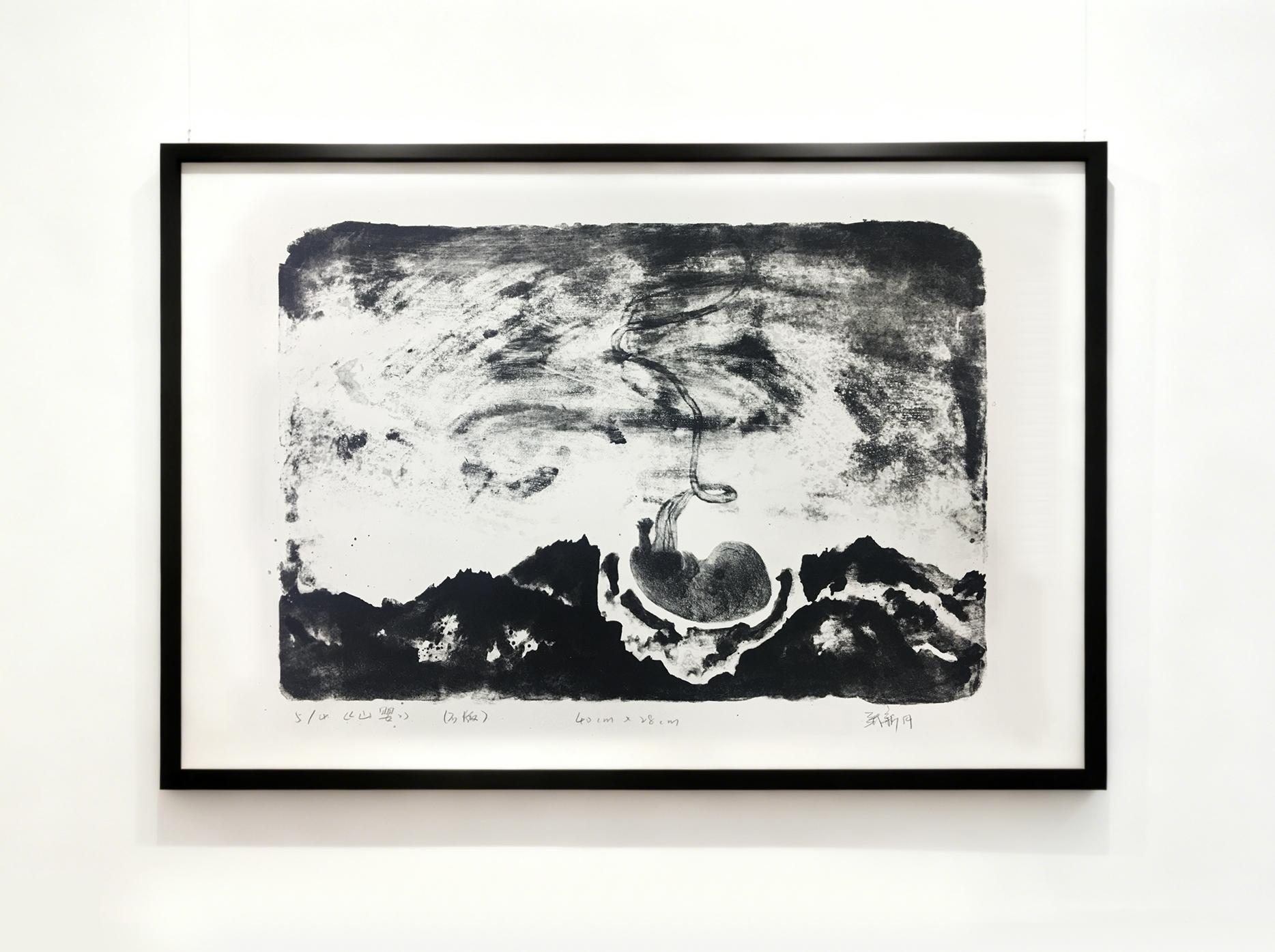
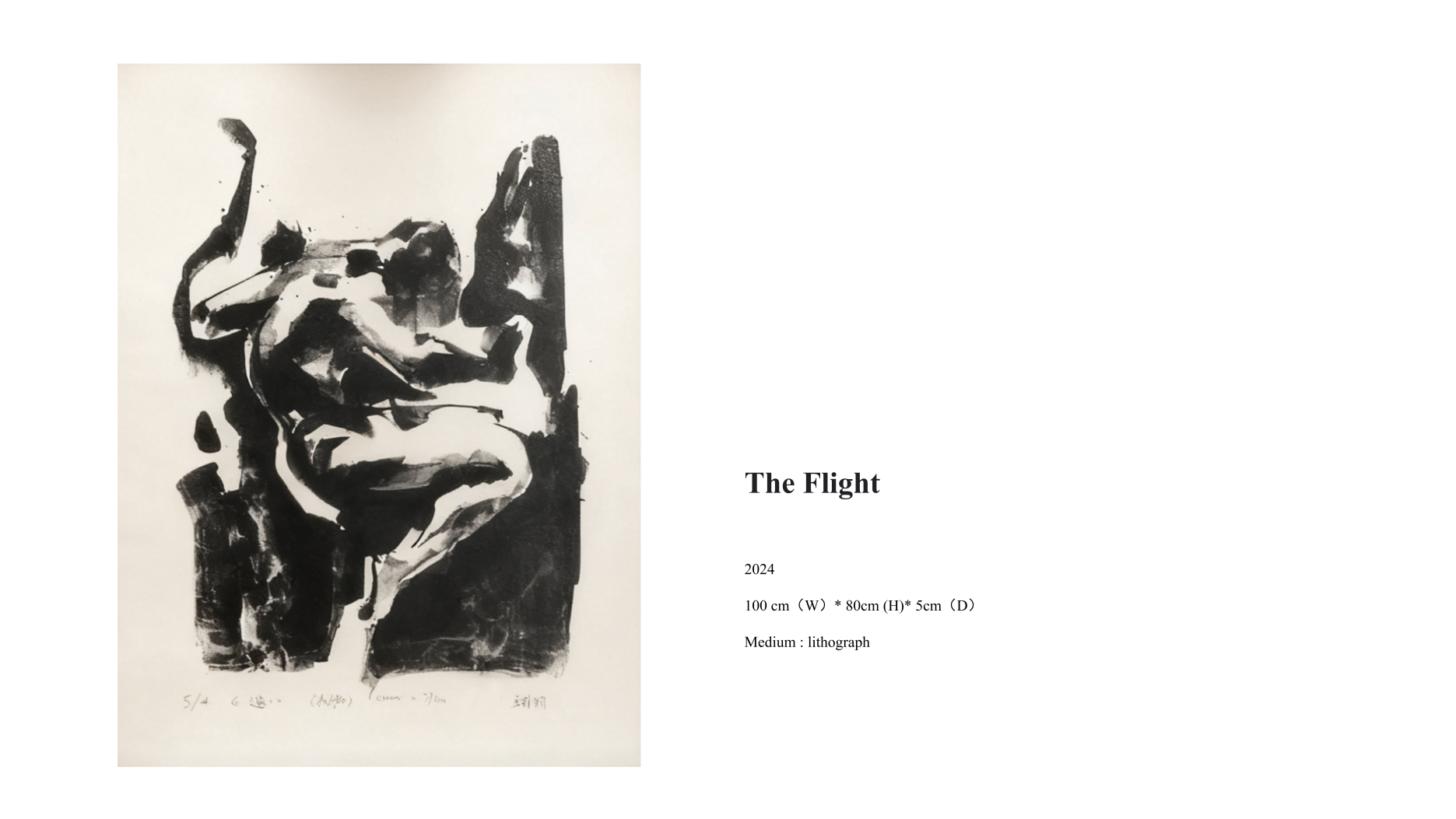
2024
100 cm(W)* 80cm (H)* 5cm(D)
Medium : lithograph
A few months into the new year, is there any artwork or object you have found particularly inspiring lately?
I have been looking at old Chinese literati paintings again—not the famous ones, but the small, quiet ones. The way they use empty space is not absence. It is presence. That has made me rethink how I approach my own compositions. I realised I had been filling too much. Now I am trying to learn how to leave things out, and to trust that what remains is enough.
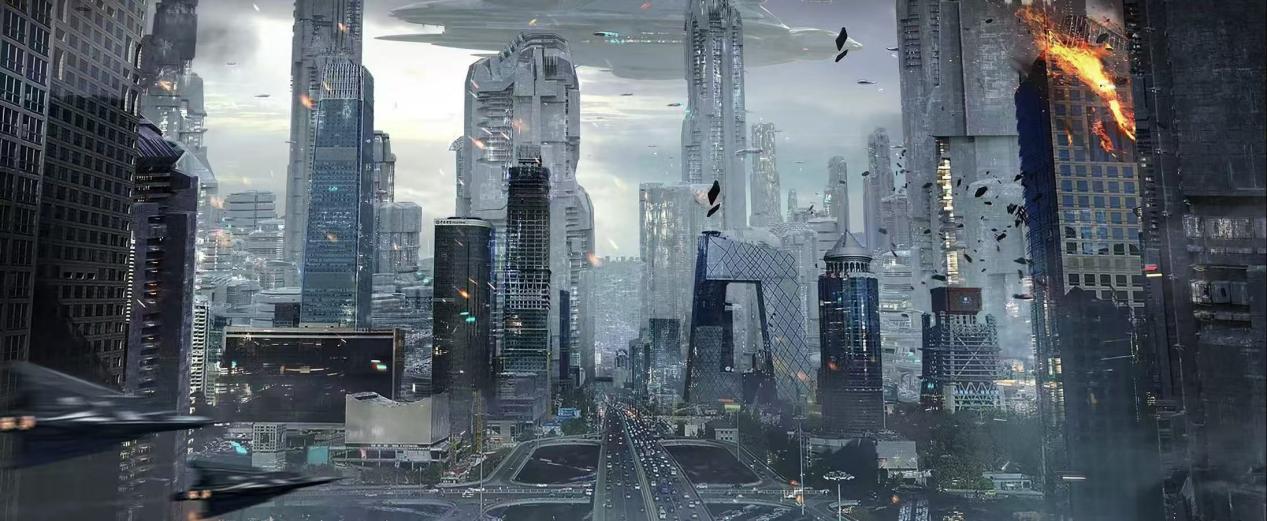
You work across digital painting and traditional fine art. Where do you see the connection, and how do you bring fine art into commercial work like game concept art?
The connection is in the looking, not the tool. Whether I am using a stylus or a brush on rice paper, I am chasing the same thing: light, shadow, decay, the in-between. The跨度 is commitment. Digital lets you undo. Paper and plaster do not. That finality is terrifying and necessary.
When I bring fine art into commercial work, I don’t force gallery thinking into a game brief. Instead, I bring the way I see—attention to texture, to the weight of a line, to emotional shadows. A commercial brief asks for functionality. I add the tremor. Sometimes it fits. Sometimes it doesn’t. But the habit of looking that way makes everything better.
Xinyue Zhang’s work will be included in the 2026 Milan Show exhibitions. Her paper-based works and digital paintings continue to explore the boundary where seeing becomes feeling.

