Some patterns are so distinctive they become inseparable from the artists who made them, transforming from design choice into an entire worldview. Our Culture reflects on three iconic patterns crafted and immortalised by visual artists:
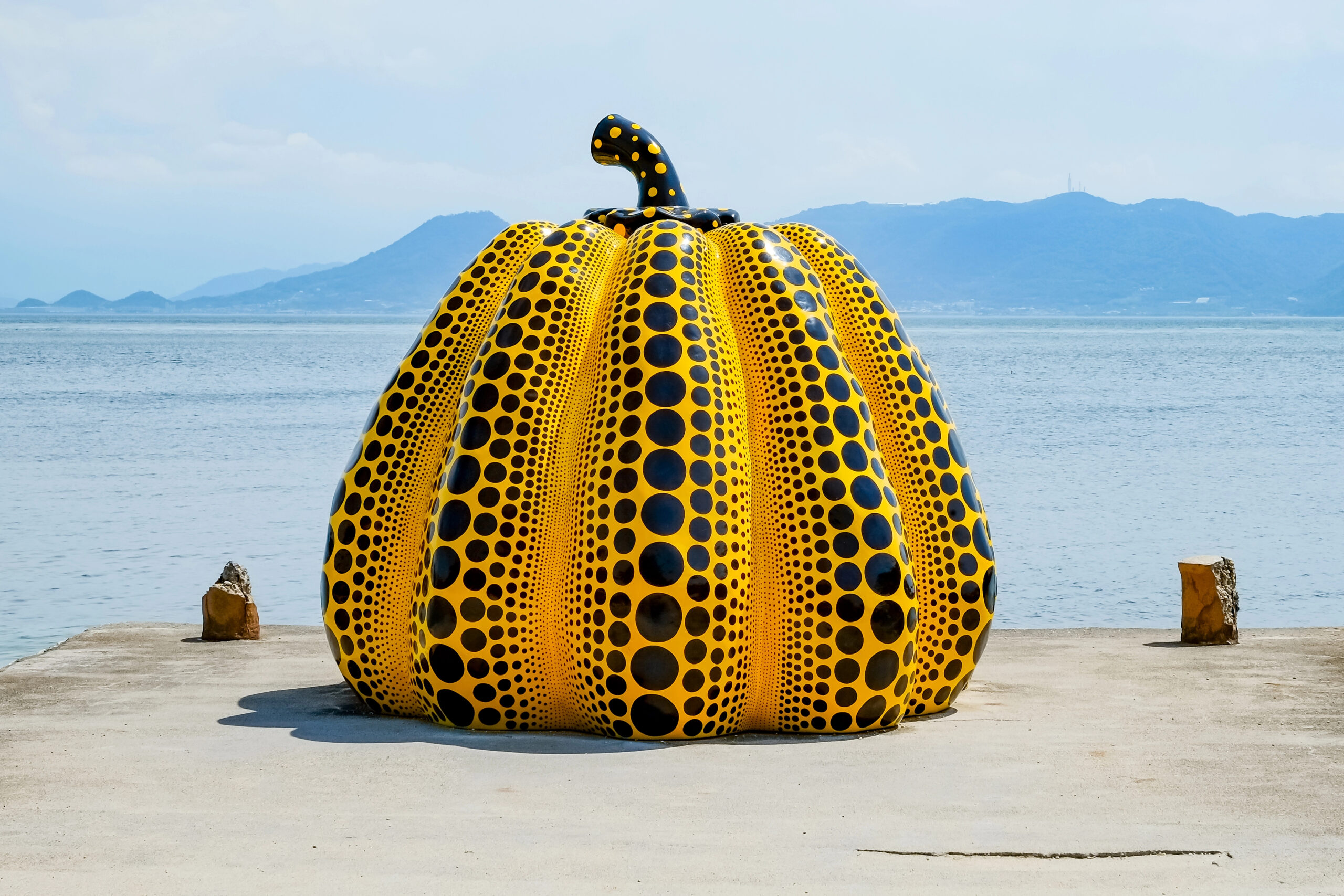
Yayoi Kusama’s polka dots
Kusama’s polka dots might be the most recognisable pattern in contemporary art, covering not just canvases but sculptures, furniture, buildings, and Kusama herself. For Kusama, the dots are deeply personal, rooted in childhood hallucinations in which flowers spoke to her. She leaned into this experience, using repetition as both therapy and philosophy: the dot, she has said, represents the infinity of the universe, and she its single, dissolving point.
William Morris’s botanical repeats
Morris’s botanical pattern defined a whole movement. Working in Victorian England against the grain of industrialisation, Morris hand-designed intricate wallpapers and textiles, including Willow Bough, Strawberry Thief, and Acanthus, built from densely layered leaves, birds and flowers drawn straight from nature and medieval tapestry. His patterns were a statement about craftsmanship and beauty in the everyday life.
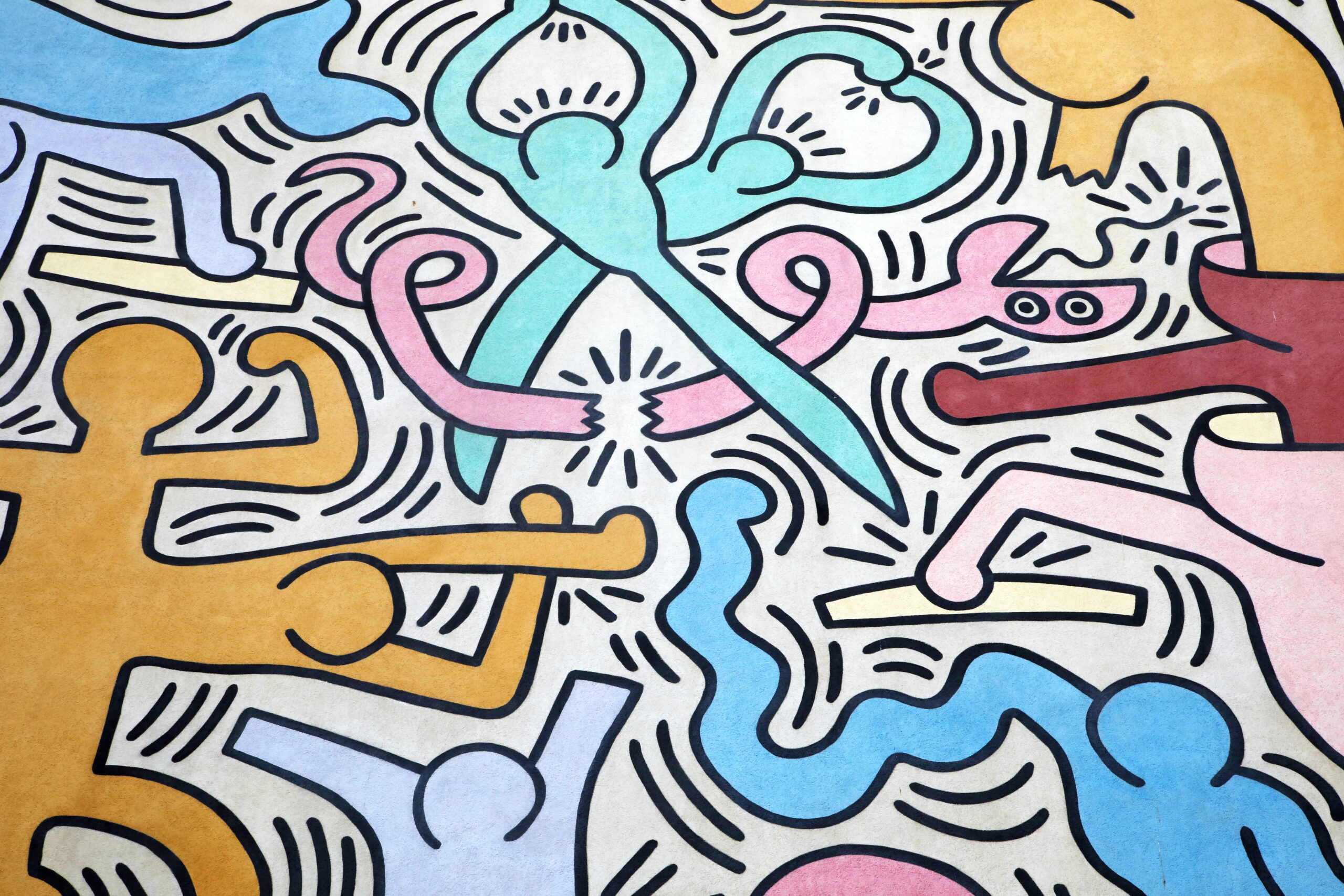
Keith Haring’s interlocking figures
Haring’s figures began their journey on the blank black advertising panels of the New York City subway in the early 1980s, where he would drop everything chalk his bold figures in looping sequences— crawling babies, barking dogs, you name it. The pattern-like repetition was intentional, for Haring wanted art that felt urgent and democratic.