

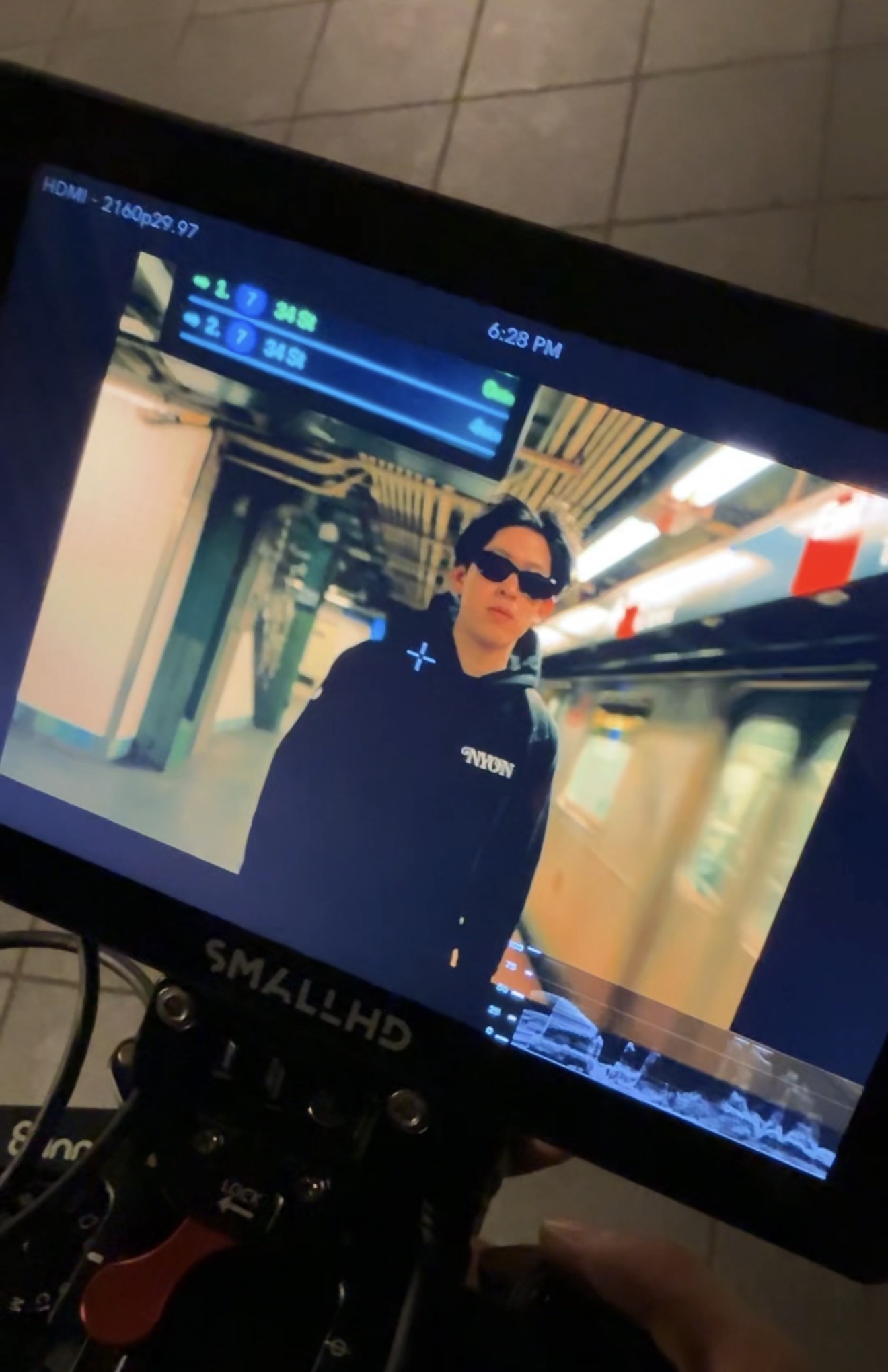
From the streets of New York to the quiet alleys of Taipei — media artist and visual storyteller Chengrang Cho has built a visual language out of the places and moments most people walk right past.
There’s a moment somewhere between landing in a new city and figuring out where to go when most people stop really seeing. The novelty wears off. The streets start to feel familiar before they ever really were. Chengrang Cho is not most people.
Born in Taiwan and now based in New York after graduating from New York University, Cho has spent years moving between cities — Tokyo, Taipei, and across Europe with his camera and a near-obsessive attention to what others overlook. Not landmarks. Not curated destinations. The light on wet pavement at 7am. Architecture that sits quietly, almost strangely, out of place.
His practice spans photography, filmmaking, immersive media, and creative technology. Through collaborations with Higgsfield AI, DJI, Insta360 and PLAUD AI, he has produced campaigns and creator-focused visual content at the frontier of imaging technology. Working closely with these companies gave Cho early access to some of the most advanced creative tools in the industry, and also sharpened a distinction he returns to often: what technology can accelerate, and what only lived experience can create.
Through those projects and a growing international presence across social media, Cho’s atmospheric approach to documenting cities and everyday life has found an audience that recognizes something genuine in the work, even if they can’t always name exactly what it is.
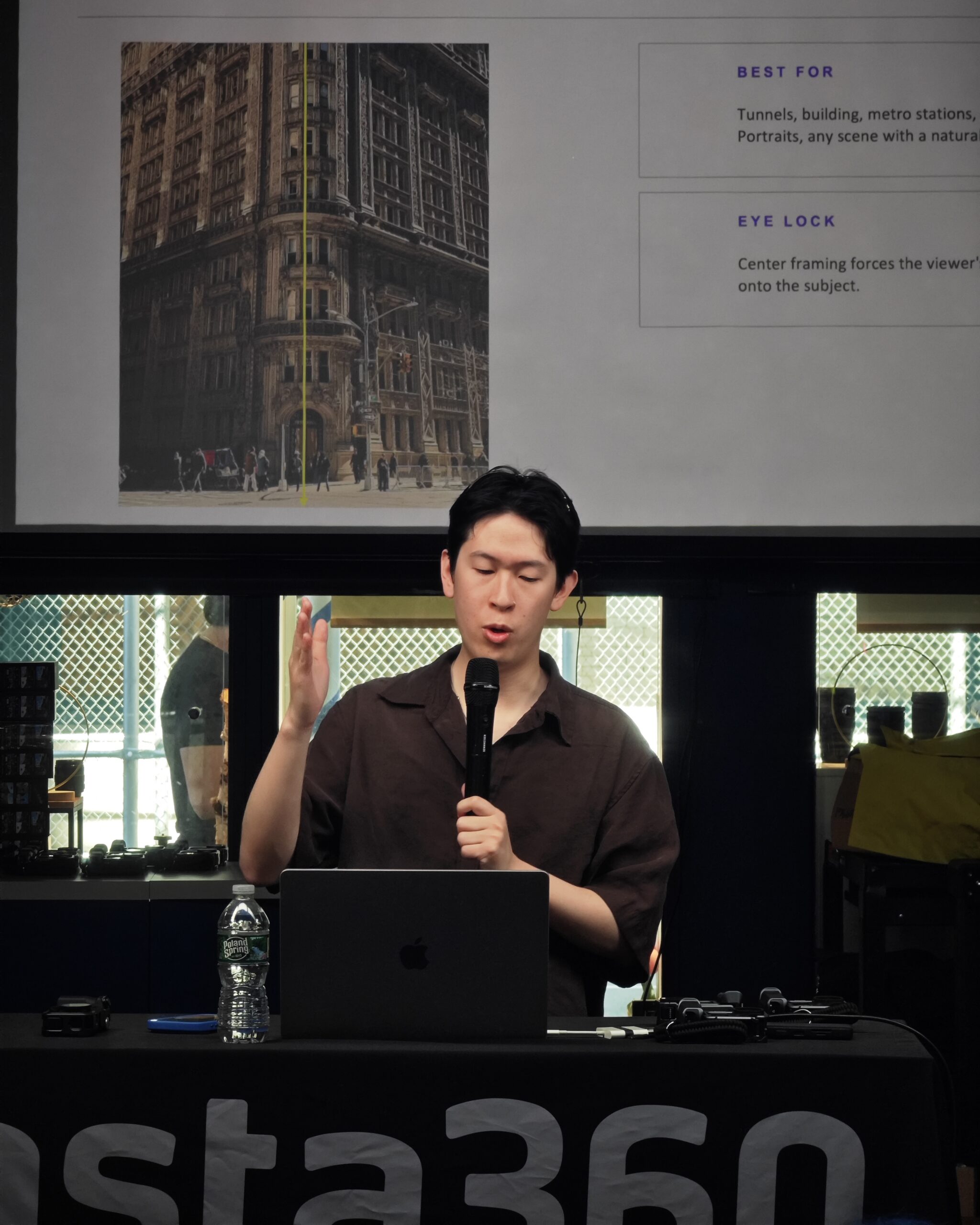
“The technical barrier is disappearing. Anyone can generate visuals now. But your perspective, your instincts, your experiences and taste, that’s the part AI can’t replicate.”
Your photography travels the world but never feels like typical travel work. How do you think about shooting a place?
I’m not interested in collecting the shots everyone already knows. What I want is the emotional identity underneath — the rhythm and texture of a place that doesn’t show up in postcards. Tokyo has this tension between density and silence at 6am. Taipei has a warmth built into its neighborhoods. I try to find that feeling before it disappears.
That sensibility carries directly into his commercial work. Collaborating with companies building the next generation of imaging tools has given Cho a front-row view of where visual production is heading, and reinforced a simple conviction: technology expands what is possible, but it doesn’t replace what is personal.
Working with leading companies like Higgsfield AI, PLAUD AI, Insta360, and DJI — what did that do to your creative process?
It clarified things. I saw exactly what these tools can do — generation, enhancement, speed , and where they genuinely fall short. AI doesn’t have taste, they don’t have intention the way a person does. A lot of my decisions are emotional. I shoot something because it reminds me of a feeling from years ago. That’s not something a model can generate. I use AI to explore ideas faster and refine direction, but the core of the work still comes from my skills and lived experience.
New York shaped him more than he might admit. The city is a constant exercise in attention — a place that forces you to decide, quickly and repeatedly, what actually matters amid relentless visual noise. He built those instincts over years of working as a creative in one of the world’s most demanding visual environments, and they continue to inform both his artistic and commercial practice.
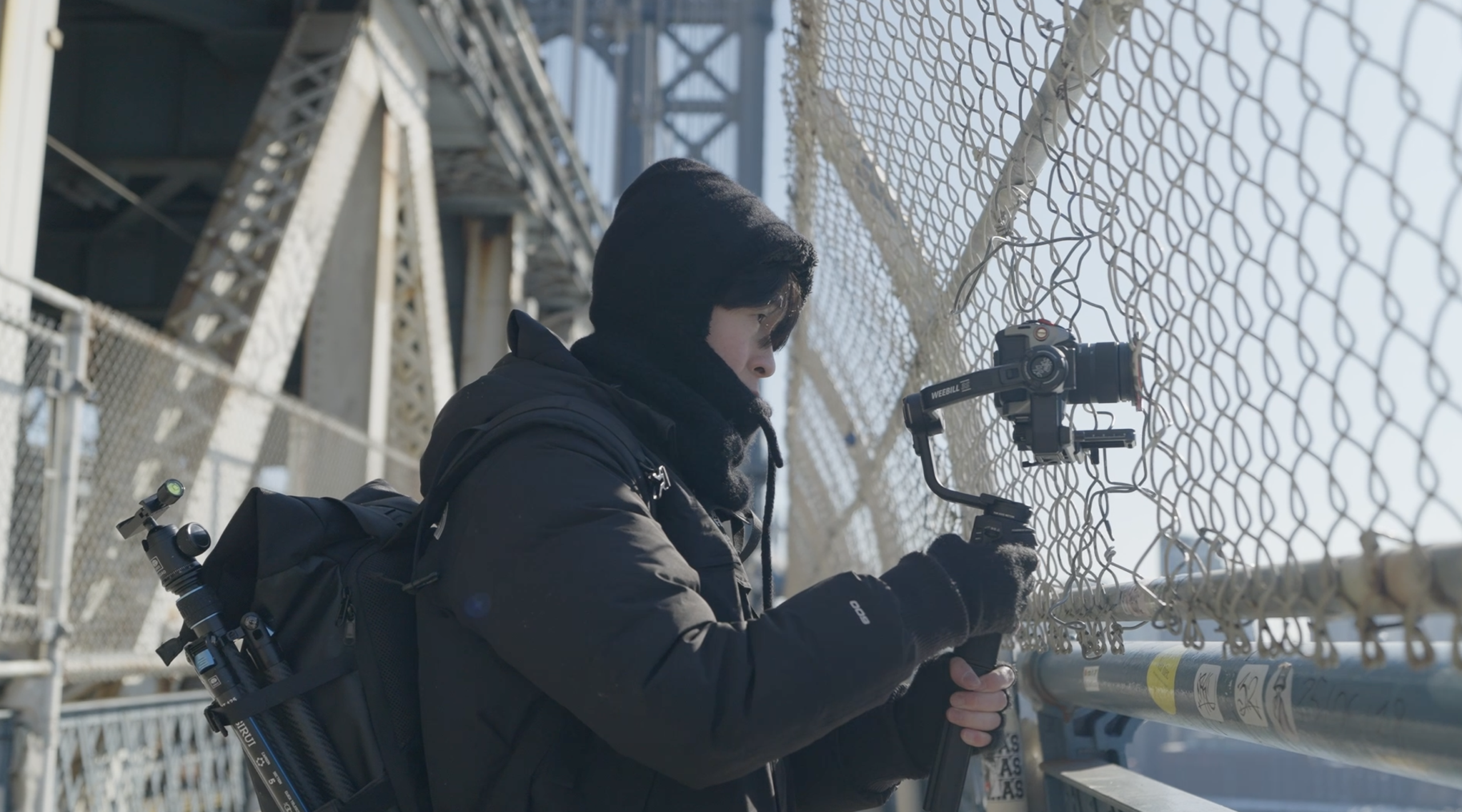
Where does your focus on quiet, overlooked moments actually come from?
From being an outsider everywhere I shoot. When you’re not from somewhere, you don’t have the filter that makes locals stop seeing what’s there. I grew up in Taiwan, moved to New York, kept moving — and every time I arrive somewhere new, there’s this window where everything feels unfamiliar and worth paying attention to. I’ve tried to extend that window for as long as I can.
As artificial intelligence continues reshaping creative industries, Cho represents a generation of visual artists and content creators working directly with the tools transforming the field, not resisting them, but refining their authorship through them. His collaborations with some of the most advanced creative technology companies in the world didn’t replace his process. They clarified it.
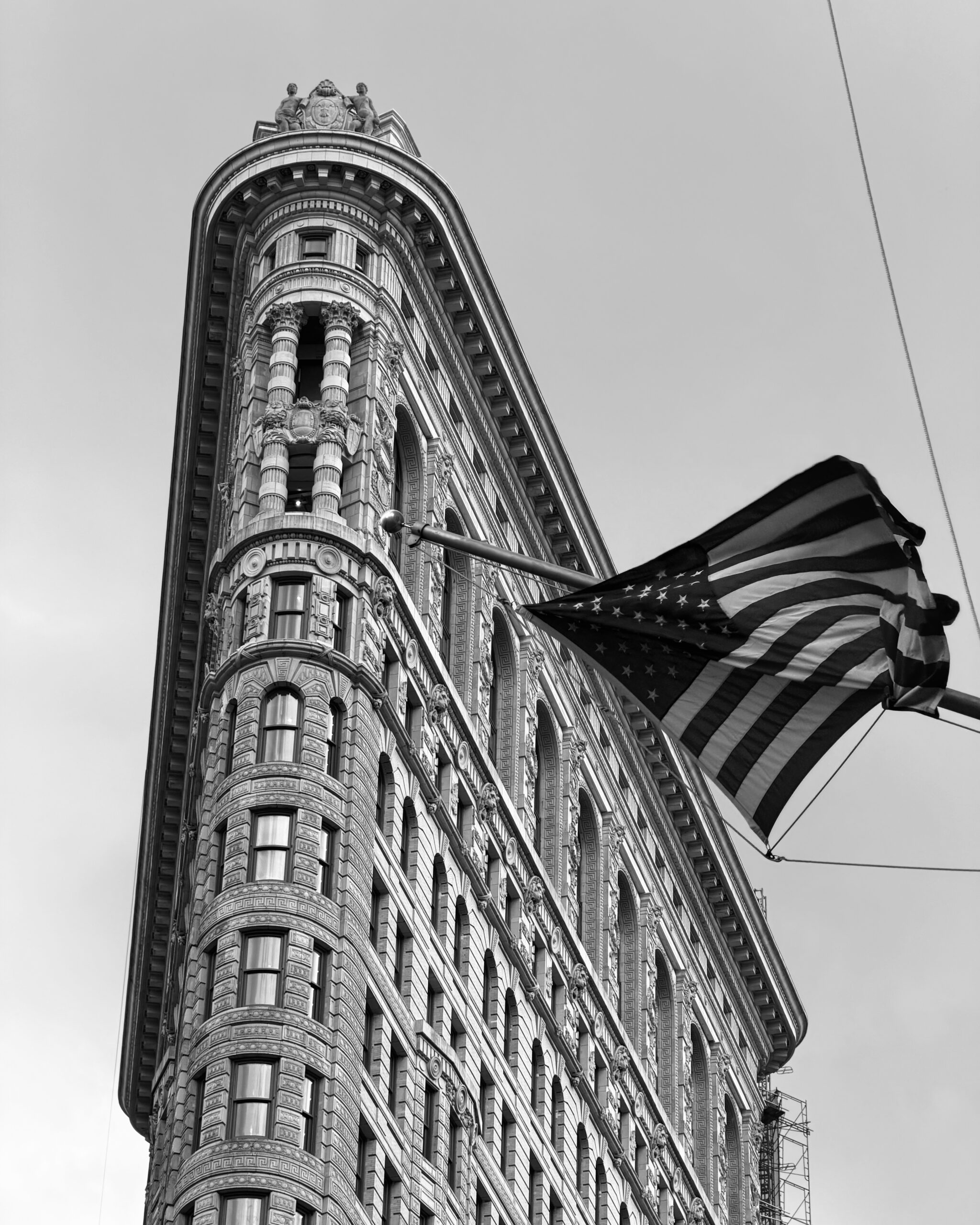
For Cho, AI is a tool for exploration, never origin. The final image still comes from something slower, more personal, and harder to replicate — a memory, a feeling, a moment that no model was trained on.
Watch his work closely and you’ll notice a consistency that has nothing to do with presets or color grading: every image feels inhabited. Like someone was genuinely there, genuinely paying attention. In an increasingly automated visual landscape, that kind of attention still stands apart.

