

Traversing the fields of architecture, performance, and visual art, curator and cultural researcher Ruoru Wang enact dialogues between perception and reality.
The conceptual framework of her practice mandates the gallery space as an organic porous site facilitating the perpetual unfolding of thought, memory and meaning. This fluid field and the artwork it contains impresses upon us of course, but Wang also asks us to think about what we too impress on it. What new meanings arise?
Wang has curated and collaborated on exhibitions from Kyoto to Hangzhou, as well as engaged in such international projects as an artist at the London Festival of Architecture, Ars Electronica Festival in Linz, and KIKK Festival in Belgium.Her approach often centers on cross-disciplinary narratives that unite art, craft, and technology to construct spaces engaging both sensory and intellectual reflection.
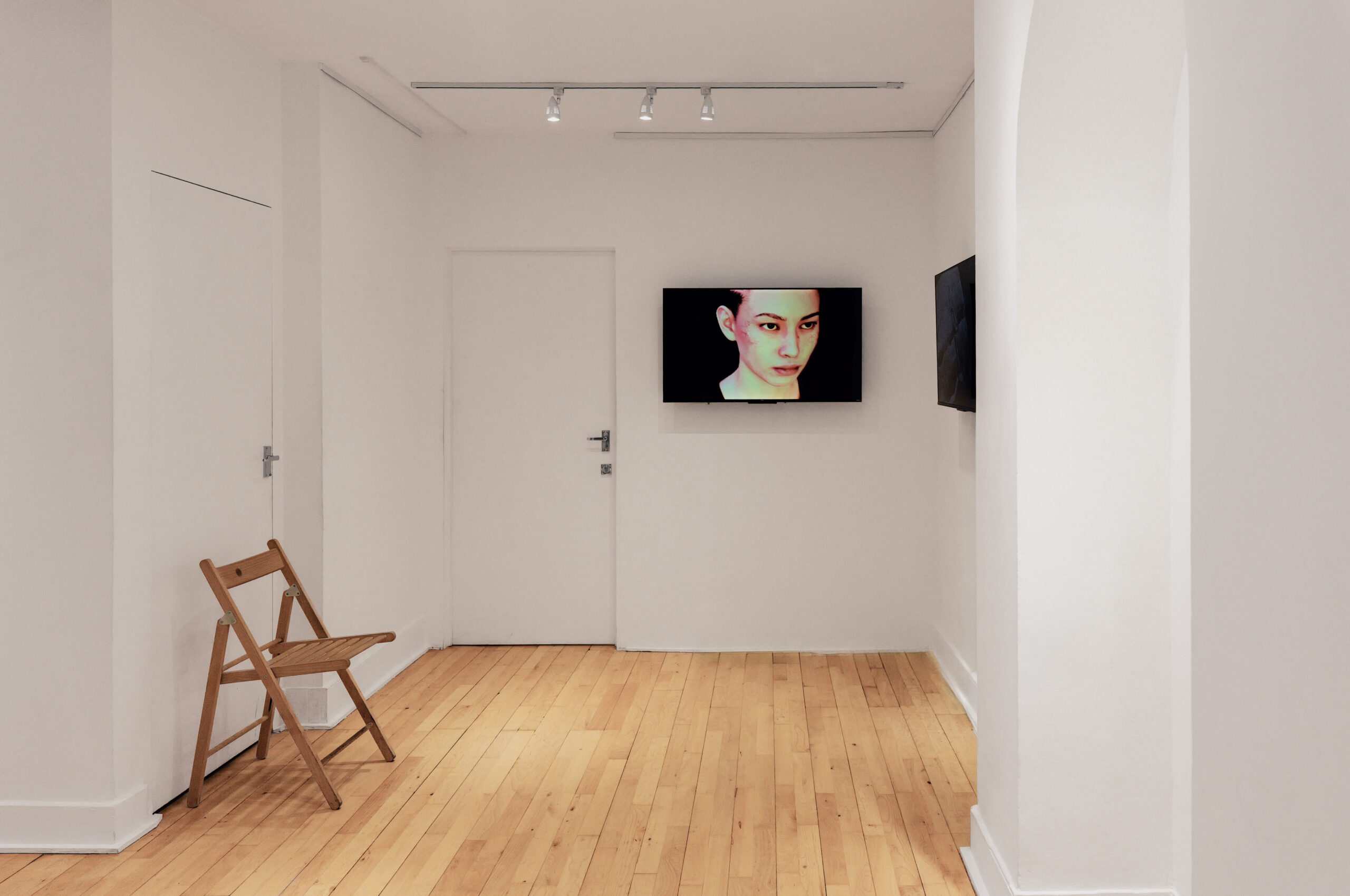
Her curatorial reasoning prioritises a generative structure of experience whereby visitors are invited to rediscover the relationship between self and world within the interplay of vision and thought. Most recently we’ve seen this in When We Were Birds, a solo exhibition of digital works by artist Ke Qin, curated by Wang. Through four moving images, Qin depicts a state of displacement produced in the context of continuous changes in climate policies, and social structures. The titular bird is assumed as a metaphor to examine the physical and psychological migration experienced by refugees and the subsequent pressure and alienation it inspires in contemporary society.
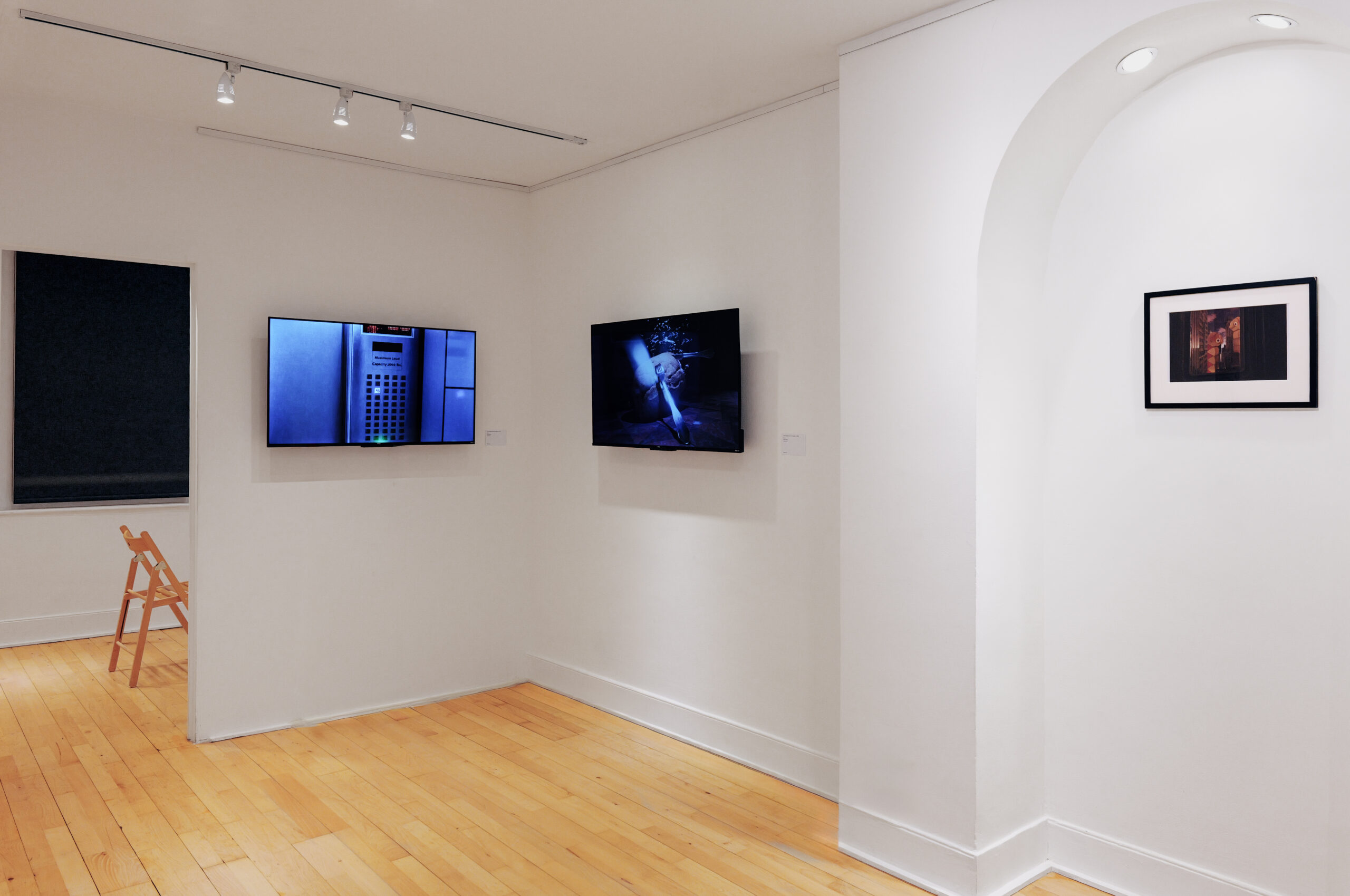
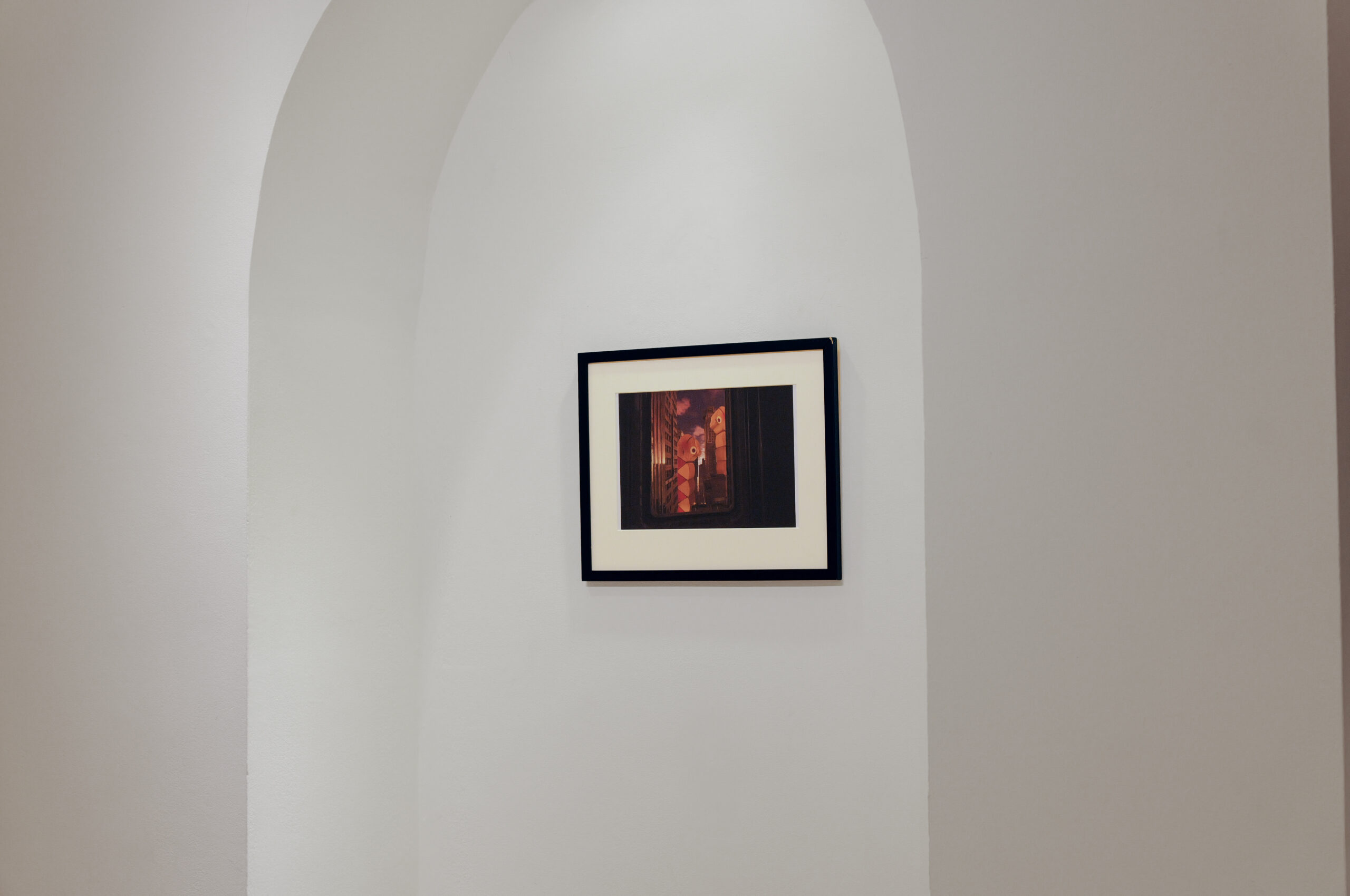
As external architectures are reshaped, individuals can lose touch with their sense of belonging. Qin attempts to capture this feeling in a series of disconcerting scenes where the familiarity of a childhood memory – embodied by a wooden caterpillar – assumes absurd positions; creeping behind elevator doors, scattered across a table or looming large among tower blocks in a claustrophobic cityscape. The cryochromatic palette reinforces the perspective of an intangible imbalance between reality and illusion, a theme central to Wang’s curatorial practice.
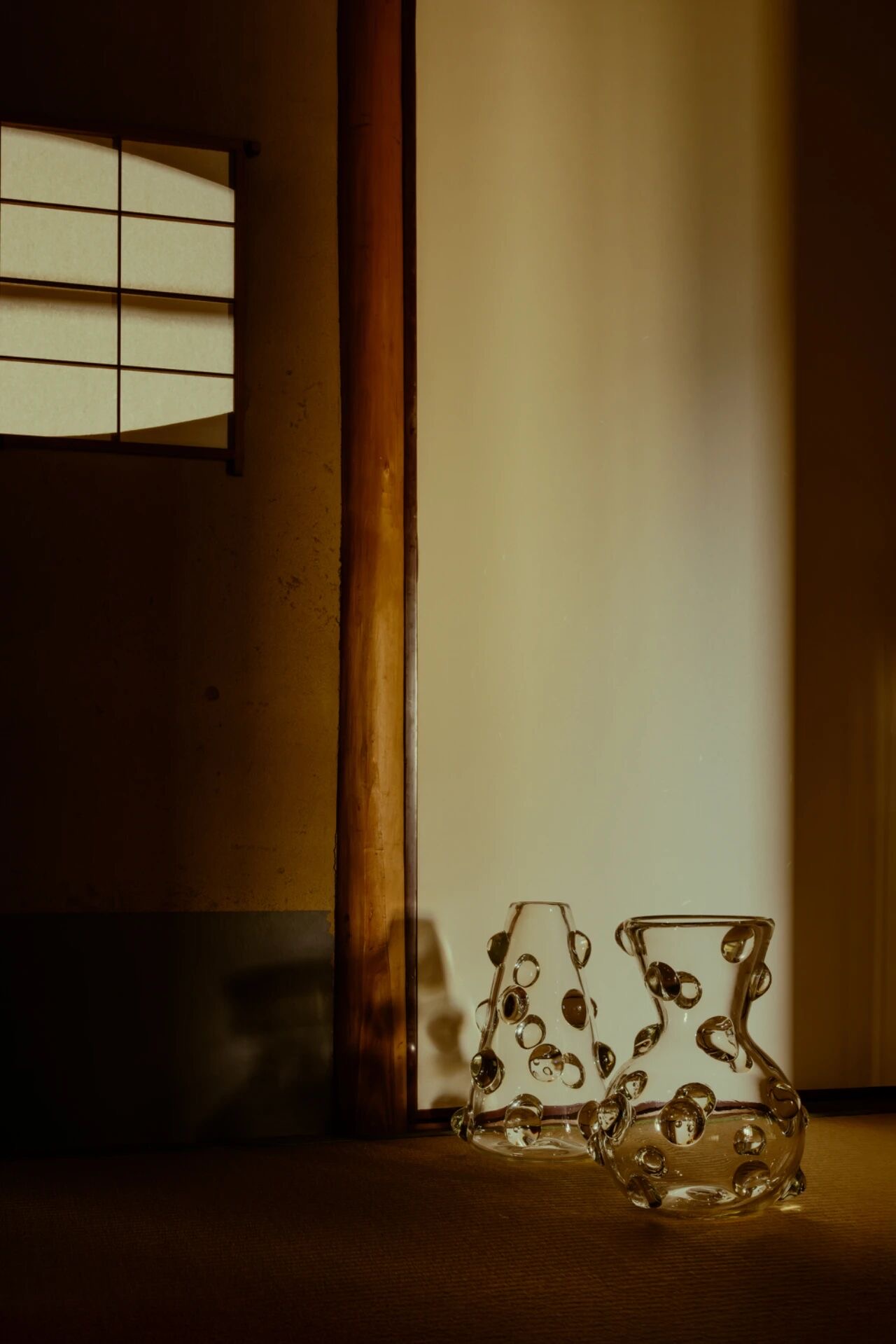
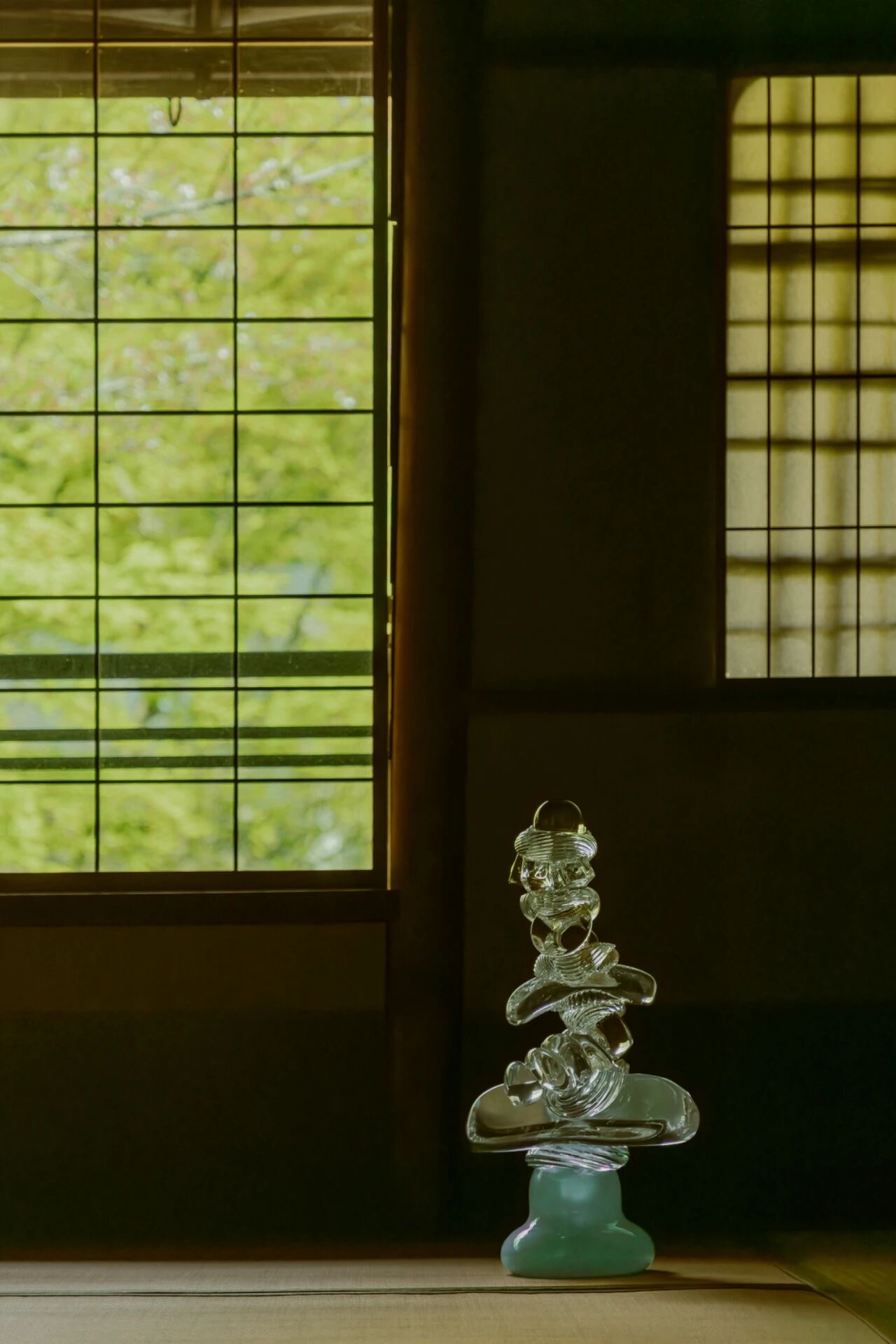
A similar methodology is applied in Wang’s presentation of works by glass artist Yoshihiko Takahashi at Haranokami Gallery in Kyoto. For Takahashi, glass is the material language through which he is able to concurrently express both volume and void. Modeled mostly by the caprices of nature, his sculptures formally adopt the notion of (un)becoming – globules melt into the floorboards, the mouth of blistered reamy vessels threaten disappearance – as mediated conditions of existence. The artworks are more literally architecturally activated here, mounted on timber beams or preceding a trail of stepping stones.
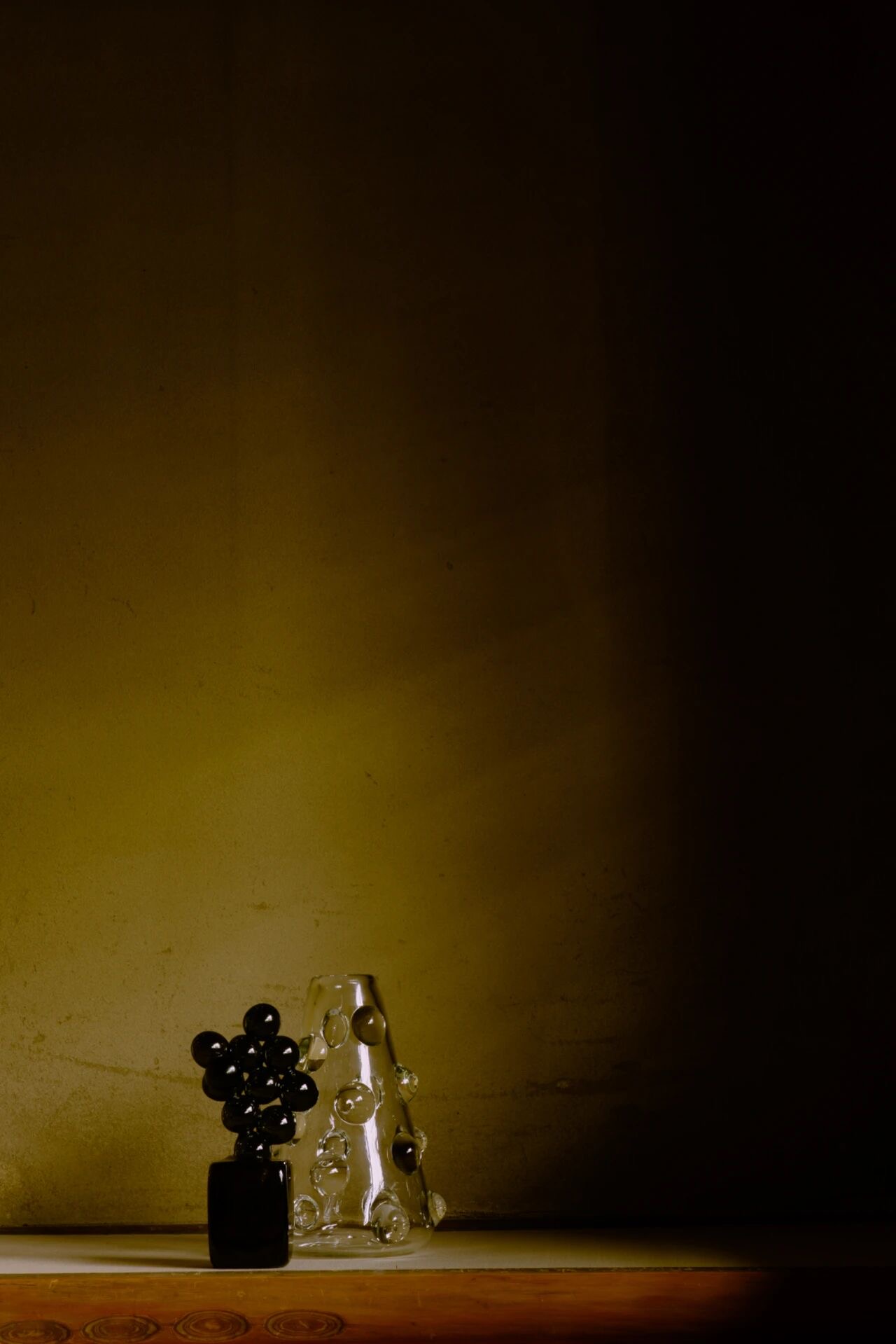
The artist and curator also play with the transparent world to achieve a kind of symbiosis; light passes through and illuminates orbs and where ambigram distortions of one artwork are reflected in another, it is as if to mirror the peripheral development of creative ideation within perceptual states of making.

