

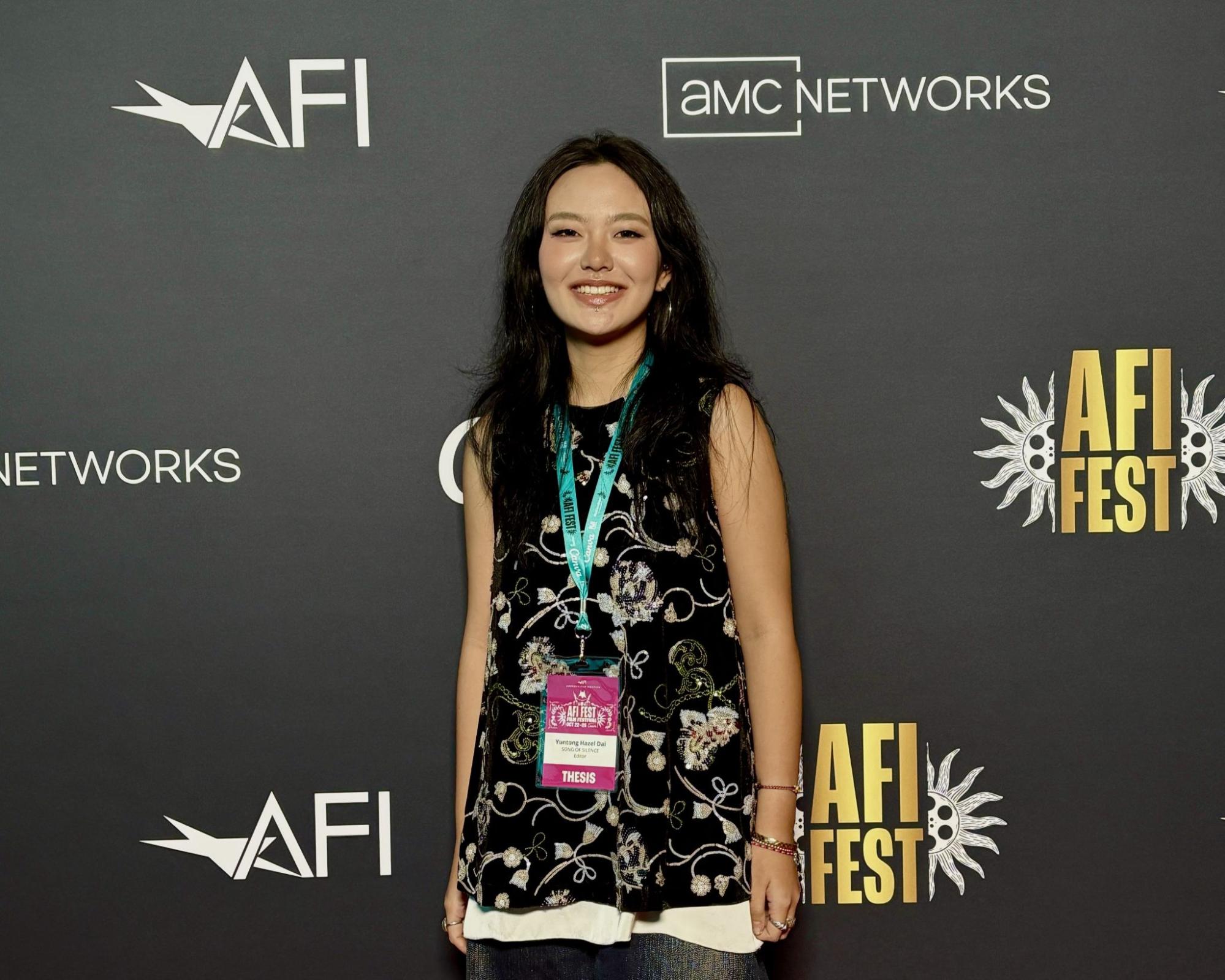
In the seamless world of filmmaking, the film editor acts as both a screen surgeon and a storyteller. While the role lacks the overt glamour of directing or acting, it is where a film’s emotional heartbeat is truly found. For Yuntong “Hazel” Dai, an accomplished editor with an MFA from the American Film Institute, cutting film is less about technical assembly and more about the psychological mapping of human behavior.
With an educational foundation from New York University and AFI, Dai’s approach has been shaped by mentorship under industry veterans like Anne Goursaud, ACE, a highly regarded editor who collaborated closely with Francis Ford Coppola. Today, her work spans international festivals like Riga and Moscow, defined by a singular ability: turning hyper-local, culturally specific stories into narratives that resonate universally.
Discovering the Language of the Edit
Dai realized editing was her calling when she saw it transcended technical software. Her career took a definitive turn when she was selected for the FIRST International Film Festival Talents Training Camp in Xining, China—an intensive 10-day incubator where emerging filmmakers produce short films under the mentorship of world-renowned directors like Lou Ye, a leading figure of China’s Sixth Generation of directors.
“I began to understand that editing was the place where my instincts were most useful—listening to people, reading behavior, and shaping emotional rhythm,” Dai says. “I wanted a career where I could listen closely to human behavior and shape stories with both precision and empathy. Editing gave me that language.”
Her camp project, Taste of Tea, went on to screen at the Moscow International Film Festival. The short paired acclaimed Chinese actor Jian Li with an elderly, non-professional Hui man, using a traditional tea ceremony as a narrative anchor.
“In the film, the tea tradition is not just a cultural symbol; it is a way of holding human relationships,” Dai explains. “The contrast between the actors helped preserve the rawness of Xining and the Hui community. My role was to let those two performance rhythms meet while balancing a documentary-like shooting style. The ceremony became a quiet language for things people cannot easily say.”
Finding History in the Unspoken
Dai’s post-production philosophy is rooted in a fascination with the unspoken. She treats film not merely as a record of events, but as a window into the psyche. “I am drawn to that space where history is not explained from above, but felt through memory, silence, misunderstanding, and desire,” she says.
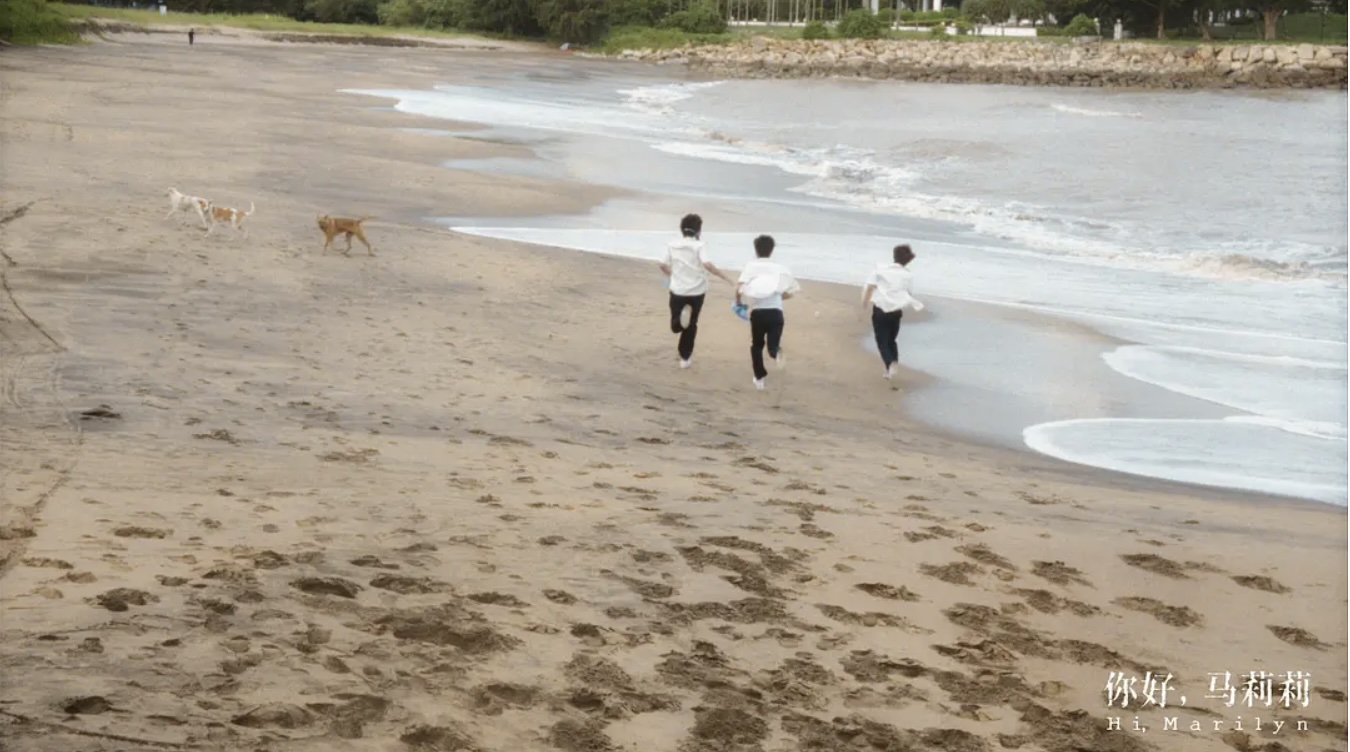
This approach anchors her work on Hi, Marilyn. Set in Macau during the volatile pre-1999 transition period before its return to China, the film filters massive political shifts through the private reality of a young boy whose imagination is stirred by a rumor of a mysterious girlfriend.
“As the editor, my role was to make sure the historical setting never overwhelmed the boy’s emotional journey,” Dai says. “I wanted the audience to first feel his loneliness, fantasy, and desire to be seen. Social and political issues become meaningful in cinema when they are experienced through human behavior. The politics and geography are there, but they live through the character.”
Transcending Labels and Formats
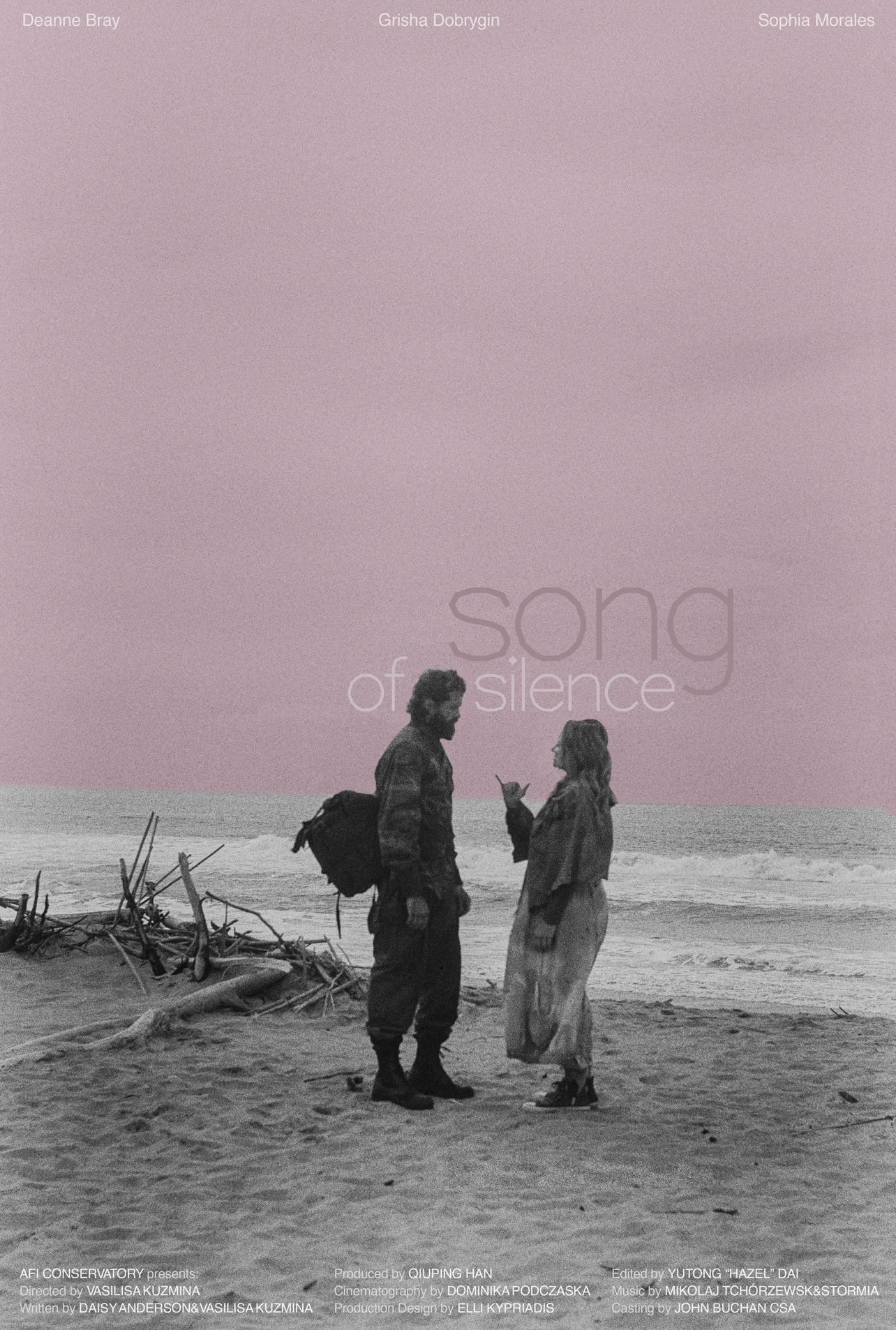
Dai’s filmography moves fluidly across genres and constraints. In Song of Silence, a sci-fi drama set in a post-war future, a mother in a hidden village of women must choose between protecting her son or safeguarding her community. Performed by an all-deaf female cast, the film relied entirely on gesture, gaze, and spatial tension rather than spoken dialogue.
“The emotional question reaches beyond identity alone: what do we owe to the people we love, and what do we owe to the people who depend on us?” Dai notes. “I worked closely with the director to shape the film beyond its labels—not only as a feminist or deaf-led story, but as a deeply human dilemma.”
That ability to protect a director’s vision under intense pressure was tested on Drifting, South, which follows several marginalized lives intersecting in Guangzhou’s Xiaobei area. Shot on 16mm on a micro-budget, the project arrived in post-production facing major practical hurdles, including missing narrative footage and out-of-focus imagery.
Instead of viewing these as flaws, Dai used montage and rhythmic cutting to reconstruct the film’s “emotional logic,” preserving its gritty, authentic texture. The solution paid off: the film won Best International Short Film at the Riga International Film Festival.
“Winning at Riga was meaningful because it showed that a very local, independent Chinese film could resonate internationally,” Dai says. “For me, the work was about helping the film keep its raw texture while finding a structure strong enough for audiences outside its immediate context.”
With a portfolio that includes award-winning films like Between the Moon and the Son and Non-stop Station, alongside a commitment to shaping the next generation of filmmakers as a teaching assistant at AFI, Dai continues to prove that editing is far more than a post-production step. “I knew this was my path when I realized that editing was not simply technical,” she notes. “It is where psychology, rhythm, and structure meet.”

