

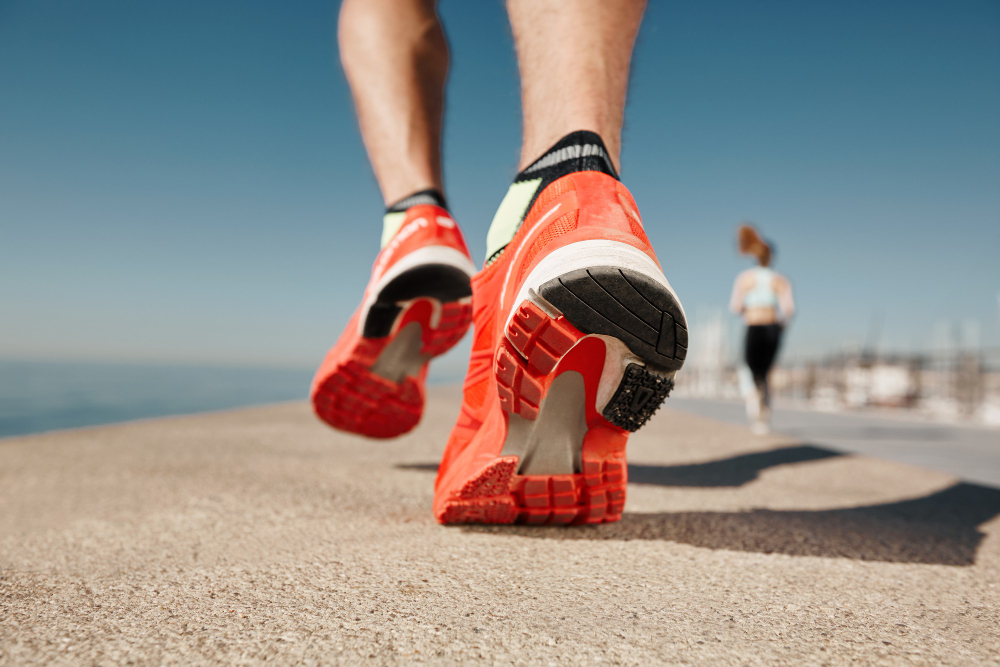
Plantar fascia pain often shows up as a sharp, first-step sting near the heel, then lingers as a deep ache with walking. Shoes will not fix tissue irritation alone, yet smart footwear can lower impact and steady the foot during long days. For 2026, the strongest picks share a secure rearfoot, true arch support, and cushioning that keeps its shape. The list below covers errands, runs, shift work, and indoor wear.
What Matters Most in 2026
Pain often flares after foam packs down, the rearfoot drifts, or arch support collapses under body weight. Any list of best shoes for plantar fasciitis should prioritize mechanics over appearance. Look for a firm heel cup, controlled midfoot stiffness, and forefoot room for natural toe spread. Removable liners also help fit orthotics without crowding.
1) Hoka Bondi 9
High-stack cushioning can soften ground reaction forces on concrete. A rockered sole encourages a smoother roll, limiting abrupt loading under the arch. Broad platform width improves balance during fatigue, which helps later in the day.
2) Brooks Adrenaline GTS 25
Stability elements can limit inward roll that strains the fascia. Guide-style support feels structured without harsh rigidity for many walkers. A firm rearfoot counter helps keep alignment steady during longer outings.
3) ASICS Gel-Kayano 31 (or newer current model)
Controlled motion support suits feet that drift inward under load. Gel cushioning reduces peak impact, while midfoot structure resists torsion. Secure heel shaping can help reduce tugging near the calcaneus during push-off.
4) ASICS Gel-Nimbus 26
A plush underfoot feel can ease tenderness during the early steps after rest. Smooth transitions reduce abrupt pressure changes across the arch. Neutral alignment works well for many people who need shock absorption without extra guidance.
5) New Balance Fresh Foam X 1080 (current version)
Soft foam helps when it stays consistent across weeks of wear. Fit options, including wider builds, can prevent toe gripping that alters gait. A stable rear section also supports a steady walking pace during errands. a steady
6) New Balance 990v6
A structured platform often feels better than overly compressible cushioning for persistent symptoms. This model tends to hold shape, reducing the “bottomed out” feel that can reignite soreness. Daily use fits well for people who want support without a running-only look.
7) Brooks Ghost 16
Balanced cushioning supports neutral mechanics without feeling unstable. Predictable flex can reduce compensatory limping that loads the opposite side. Many choose it for mixed days with light jogs plus plenty of walking.
8) Saucony Triumph (current version)
Cushioning stays protective for longer walks, yet the base remains steady. A supportive rearfoot fit limits side motion that can irritate tender tissue. Comfort tends to work well for people who prefer a softer ride.
9) Saucony Omni (current version)
Extra guidance can help with a pronounced inward roll during standing shifts. Underfoot support reduces strain across the arch during slow, repetitive steps. The heel area stays structured, which often feels better during first steps in the morning.
10) Kuru Quantum
Deep heel containment can reduce focal pressure at the sore spot by stabilizing the calcaneus. Arch support is pronounced, which may help limit excessive foot flattening. Everyday wear is a common use case, especially for routine walks.
11) OOFOS Ooahh (or similar recovery slide)
Hard floors at home can quietly trigger flares between outdoor outings. A recovery slide with real arch contour supports the foot during short household trips. Keeping a pair near the bed can reduce painful first-contact steps.
12) Birkenstock Arizona (or similar cork footbed sandal)
Firm cork contour supports the arch better than flat sandals for many feet. The footbed molds gradually while staying supportive rather than collapsing. Secure fit matters, since loose sandals encourage gripping and altered stride.
Quick Fit Checks Before Buying
A helpful pair twists minimally through the midfoot and bends mainly at the forefoot. Press the back counter; it should feel firm rather than pliable. Check toe room since cramped spacing changes push-off mechanics. Try shoes later in the day to account for swelling. Rotating two pairs can let midsoles rebound between wears.
Conclusion
Better shoes reduce stress on irritated tissue, yet long-term relief usually needs a wider plan. Calf flexibility, intrinsic foot strength, and gradual step volume changes can lower recurrence risk. Indoor support matters, since barefoot walking on hard surfaces loads the fascia repeatedly. If sharp pain persists beyond several weeks, or function drops, a clinician can check gait and rule out other diagnoses. With proper fit and steady habits, comfortable walking is realistic again.

