

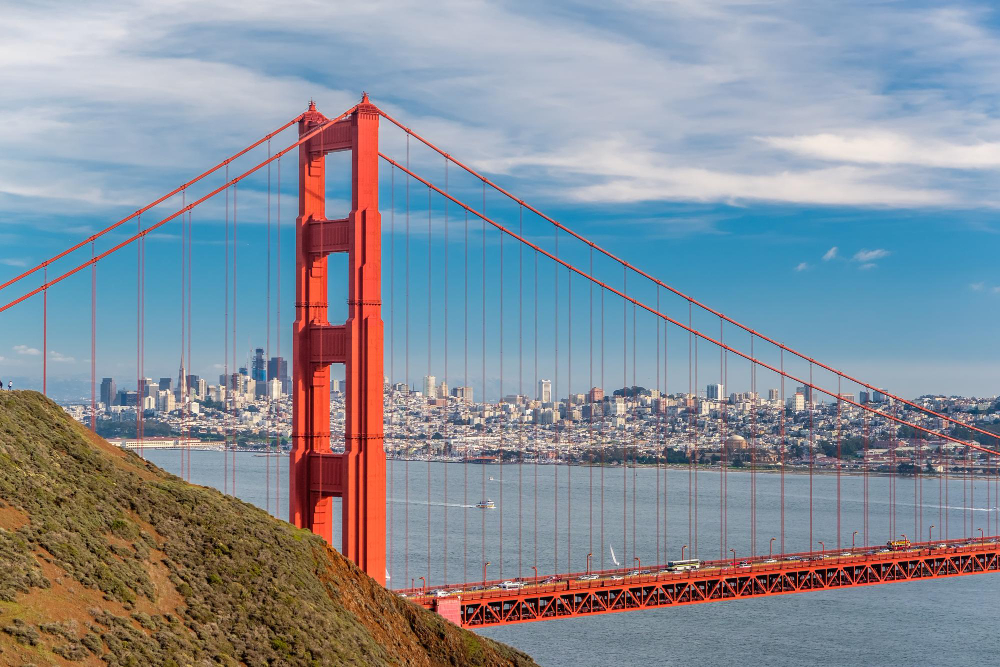
San Francisco is known for its iconic views, tech scene, and diverse communities but also for big-city safety concerns. Crime rates vary block by block, so choosing the right neighborhood can dramatically affect your daily comfort and peace of mind. This guide explains what makes an area feel safe, highlights some of San Francisco’s safest neighborhoods, and offers practical tips for evaluating where to live.
What Makes a Neighborhood Safe?
- Low crime rates: Fewer incidents of violent and property crime are the foundation of a safe area.
- Walkability and lighting: Well-lit streets, active sidewalks, and visible storefronts deter crime and make evening walks more comfortable.
- Family-friendly environment: Playgrounds, schools, and kid-focused amenities are often signs of community stability.
- Access to public services: Nearby police and fire stations, hospitals, and community centers matter in emergencies.
- Community involvement: Active neighborhood associations, local events, and engaged residents create natural oversight.
Safest Neighborhoods in San Francisco
No neighborhood is crime-free, but several consistently rank among the safest in San Francisco:
- Sea Cliff: Known for ocean views, large homes, and quiet, low-traffic streets. Best for higher-income households seeking privacy and calm.
- Presidio Heights: Tree-lined and upscale, bordering the Presidio’s green space. Popular with families and professionals looking for a village-like feel.
- Noe Valley: Sunny, walkable, and filled with small shops. A strong choice for young families and professionals who want a neighborhood vibe.
- West Portal: Charming commercial strip, Muni access, and residential side streets. Suits families and commuters who value quiet and convenience.
- Outer Sunset & Parkside: More laid-back, with proximity to Ocean Beach and parks. Attractive for families and renters seeking relatively lower prices.
Best Safe Neighborhoods for Families
Families often prioritize stability, schools, and outdoor space.
- Noe Valley: Quiet residential streets, playgrounds, and reputable nearby schools make it one of the city’s most family-focused areas.
- West Portal: Strong community ties, local shops, and easy access to parks and schools.
- Outer Sunset & Parkside: Single-family homes, nearby beaches, and many parks offer room to play and breathe.
In these areas, you’ll usually find strong community involvement, walkable business corridors for daily essentials, and a slower pace than downtown.
Best Safe Neighborhoods for Young Professionals
Young professionals typically need safety plus an easy commute and access to dining and nightlife.
- Pacific Heights: Safe, scenic, and walkable, with boutique shops and restaurants along Fillmore Street.
- Russian Hill: Close to downtown and the waterfront, with a mix of apartments and vibrant yet relatively safe nightlife pockets.
- Noe Valley: Offers a calmer alternative to downtown-adjacent neighborhoods while remaining transit-friendly.
These areas combine walkable streets, decent late-night safety, and plenty of apartments or condos, though rents can be high.
Best Safe Neighborhoods for Retirees
Retirees often value peace, access to healthcare, and good transit options.
- West Portal: Muni rail access, low noise, and a compact commercial strip with essentials close by.
- Presidio Heights: Quiet, green, and within reach of high-quality medical facilities and bus routes.
- Inner Richmond: Relatively calm, with easy access to Golden Gate Park, the Presidio, and multiple clinics and hospitals.
Safety Tips for Moving to San Francisco
- Visit shortlisted neighborhoods at different times of day and on weekends.
- Review local crime maps and recent incident reports, not just yearly statistics.
- Talk to residents, building managers, or real estate agents about safety concerns.
- Consider commute routes, parking security, and lighting near your entrance.
Cost of Living in Safer Neighborhoods
Safer, in-demand neighborhoods often come with higher rents or purchase prices. To balance cost and safety:
- Compare nearby, slightly less central areas that may offer better value.
- Prioritize your must-haves (safety, commute, schools) and be flexible on unit size or finishes.
- Look just outside prime zones for example, the edges of Noe Valley or the avenues near Outer Sunset’s main corridors.
Things to Check Before Moving
- Street lighting and visibility from neighboring buildings.
- Distance to bus or rail stops and how busy those routes feel at night.
- Parking availability and garage or gate security if you own a car.
- Noise levels from bars, traffic, or frequent events.
- Recent online reviews, local forums, and up-to-date crime trends.
Common Mistakes to Avoid
- Choosing solely based on rent without weighing safety and commute time.
- Not visiting at night to see how the area feels after businesses close.
- Relying on outdated perceptions instead of current data.
- Skipping a walkthrough of the building’s entry, mail area, and parking.
Final Tips for Choosing the Right Area
Match neighborhood safety with your lifestyle: families may prioritize parks and schools, professionals might focus on transit and nightlife, and retirees may look for quiet streets and medical access. Compare several neighborhoods, start your search early, and plan logistics carefully. When you are ready to relocate, working with a trusted San Francisco moving company can help you focus on settling into your new community rather than worrying about the details of moving day.
Conclusion
San Francisco offers many neighborhoods where safety, walkability, and community come together. By understanding what makes an area feel secure, researching current data, and exploring in person, you can find a neighborhood that fits your budget and lifestyle while offering the peace of mind you need at home.

