

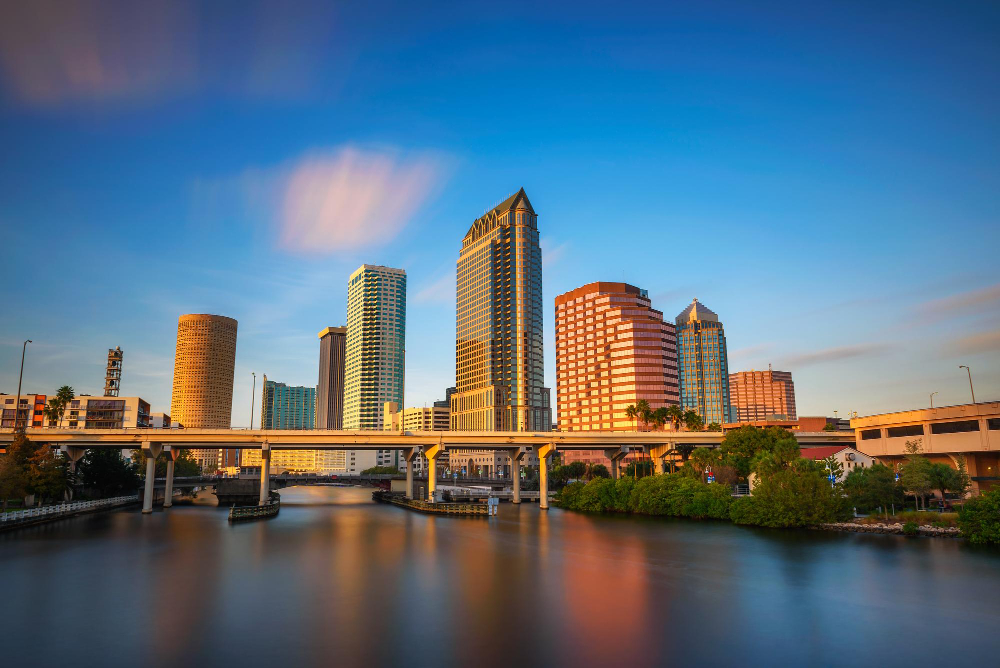
Tampa has been on the national radar for years, and the momentum shows no signs of slowing. Low taxes, warm weather, a booming job market, and a waterfront lifestyle that punches well above the city’s price point — on paper, it’s an easy sell. And for most people who make the move, Tampa delivers on the promise in ways that keep them here long after the moving truck has gone.
But there’s a second list. The one built from real experience rather than relocation brochures. The things you piece together in the first few months and wish someone had mentioned before you signed the lease. Here is that list.
The Humidity Is a Different Category of Experience
Florida gets a reputation for heat, and Tampa delivers on that — but the heat is rarely the part that surprises people. The humidity is. From roughly May through October, Tampa’s air carries a weight and moisture level that is genuinely difficult to describe until you’ve stepped outside at 9 AM and felt like you walked into a warm, wet towel.
The humidity affects everything. It affects how you exercise, how you spend your evenings, how your home feels if the AC goes out for even a few hours, and how quickly mold becomes a concern in poorly ventilated spaces. Most Tampa residents adapt within a year and structure their outdoor lives around early mornings and evenings. But the adjustment period is real, and it catches people from dry or temperate climates entirely off guard.
If you’re planning your move, targeting a late fall or winter arrival gives you time to settle in before your first Tampa summer arrives in full force.
Hurricane Prep Is Not Optional
Living in Tampa means living in hurricane country, and the Gulf Coast location means the city carries meaningful storm risk during Atlantic hurricane season, which runs June through November. Tampa actually went decades without a direct major hurricane strike — a streak that ended in 2024 when Hurricane Milton made landfall nearby and reminded the region that the risk is real.
Hurricane preparedness is not a paranoid hobby here — it is a practical part of homeownership and renting. That means understanding your flood zone designation before you commit to a home, having hurricane shutters or impact-resistant windows, maintaining an emergency supply kit, and knowing your evacuation routes if a serious storm threatens. Flood insurance is worth understanding regardless of whether your lender requires it.
None of this should deter you from moving to Tampa. It should simply be part of how you think about your housing decisions from the start.
Traffic on I-275 and the Howard Frankland Will Test You
Tampa’s road infrastructure has not kept pace with the city’s explosive growth, and the result is a commute environment that surprises people who arrive expecting a more manageable alternative to Miami or Orlando. The Howard Frankland Bridge connecting Tampa and St. Pete is a particular pinch point — a beautiful drive in light traffic, a grinding ordeal during rush hour.
I-275, the Crosstown Expressway, and the major surface routes into downtown all have predictable peak-hour slowdowns that can turn reasonable distances into extended drives on a routine weekday. Timing and neighborhood selection relative to your work location matters more here than most people realize when they’re looking at listings.
The good news is that Tampa is investing in its road infrastructure, and the Selmon Expressway provides a useful alternative for east-west travel. But go in with realistic expectations about commute times rather than assuming Google Maps’ off-peak estimates reflect what your daily drive will actually look like.
The Neighborhoods Are More Different Than They Look on a Map
Tampa is a city of distinct and genuinely varied neighborhoods, and the differences matter more than a map suggests. South Tampa — covering areas like Hyde Park, Palma Ceia, and Bayshore Boulevard — is polished, walkable, and priced accordingly. Seminole Heights is eclectic, arts-forward, and increasingly popular with young professionals. Ybor City carries the city’s historic Cuban heritage and a nightlife energy unlike anywhere else in the metro. New Tampa and Wesley Chapel on the northern edge feel suburban and family-oriented in ways that are completely different from the urban core.
Spending time in neighborhoods at different times of day — not just browsing listings online — is worth doing before you commit. The neighborhood you choose will shape your daily experience of Tampa more than almost any other decision you make.
The Cost of Living Is Rising, But Still Reasonable
Tampa has long marketed itself as an affordable Florida alternative to Miami, and that gap still exists — but it has narrowed. Housing prices and rents have climbed significantly over the past several years, driven by a sustained wave of in-migration from higher-cost states. The no-state-income-tax advantage remains real and meaningful, particularly for higher earners, but Tampa is no longer the bargain it was a decade ago.
Budget honestly using current market data rather than what a friend paid three years ago. Factor in flood insurance, homeowner’s insurance — which has risen sharply in Florida across the board — and the cost of air conditioning through a long, hot summer. The overall value proposition still holds up well compared to coastal metros, but the full picture is more complex than the headline comparison suggests.
Getting Settled Is Worth Doing Right
Tampa is a city that rewards people who put in the effort to find their neighborhood, build their community, and figure out how to live well in the Florida climate. The outdoor access — the Gulf beaches, Tampa Bay, the Riverwalk, the parks — is genuinely exceptional once you learn how to use it on Florida’s terms.
When you’re ready to make the move, working with experienced movers in Tampa Florida who know the city, the neighborhoods, and the specific logistics of relocating in the Florida climate will get you settled efficiently — so you can start building the life you came here for.

