

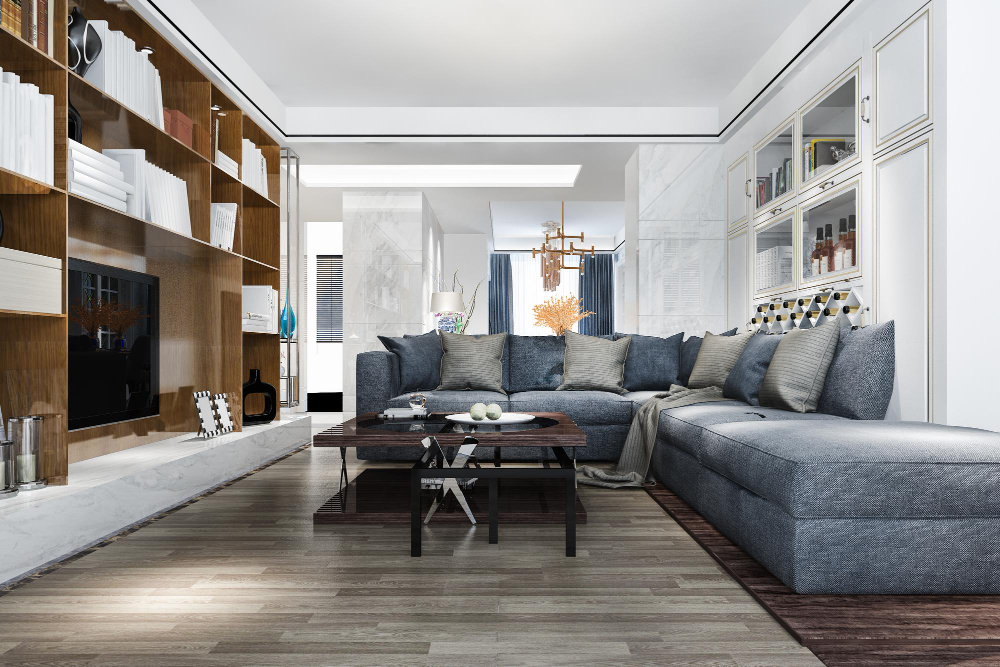
In recent years, interior design has moved beyond aesthetics, and instead balances appearance with comfort, sustainability, and craftsmanship.
Across architecture, interior design and fashion we’re seeing a shift toward aesthetics that feel deeply personal rather than overly polished.
Here are just five design trends subtly transforming the way people experience their homes.
1. Textured Minimalism Is Replacing Cold Simplicity
Minimalism is no longer about stark white walls and empty rooms. The new wave embraces tactile materials, layered fabrics, and natural imperfections, such as can be found in linen upholstery and hand-finished wood pieces. These features allow designers to add warmth to a space without clutter.
This evolution reflects a broader cultural movement toward slower living and sensory comfort. Increasingly, we want our homes to feel lived-in and restorative rather than sterile.
2. Quiet Luxury Continues to Influence Interior Design
While flashy maximalism still has its place, quiet luxury is becoming one of the strongest influences across architecture and interiors. Rather than relying on obvious status symbols, this quiet luxury focuses on high quality materials, subtle details, and skilled craftsmanship.
Soft neutral palettes, custom finishes, and natural stone surfaces define the look, and the emphasis is less about keeping up with trends and more about creating spaces that feel timeless.
Companies such as Pieces embody this understated approach through surfaces and finishes that prioritise texture, longevity, and craftsmanship over excess.
3. Earthy Colour Palettes Are Dominating Interiors
Cool greys are fading in favour of earthy, grounded tones inspired by nature. Clay, olive, rust, sand, mocha, and muted terracotta now appear everywhere from boutique hotels to our homes.
These colours create warmth while complementing the natural materials that are becoming so popular. Plus, they have the added benefit of helping interiors feel calmer and more connected to the outdoors, something that is increasingly important as people spend more time at home.
If you’re planning to repaint your home’s interiors, then experts such as Dulux offer a huge range of earthy tones that can help you create the perfect nature-oriented space.
4. Sustainable Craftsmanship Matters More Than Fast Decor
Consumers are becoming more conscious of how furniture and decor are made. Instead of buying trend-driven pieces designed for short-term use, many are investing in fewer, but better made objects that are crafted from durable materials.
Driven by a greater understanding of the importance of sustainability in our everyday lives, this shift has renewed the appreciation for artisanal production, natural finishes, and timeless construction methods.
Handmade ceramics, solid wood furniture, and ethically sourced materials are becoming central to modern luxury, rather than simply a niche that only attracts a few consumers.
5. Lighting Is Being Treated as Atmosphere
Lighting design has evolved dramatically in recent years, and designers recognise the importance of layered lighting rather than relying on one central fixture.
Table lamps, concealed LED strips, wall sconces, and warm ambient lighting now work together to create depth throughout a room.
And, with companies such as Philips Hue, you can maximise control over the colour and brightness of your lighting.
Have you utilised any of these design trends in your renovation project? Share your experiences in the comments below!

