

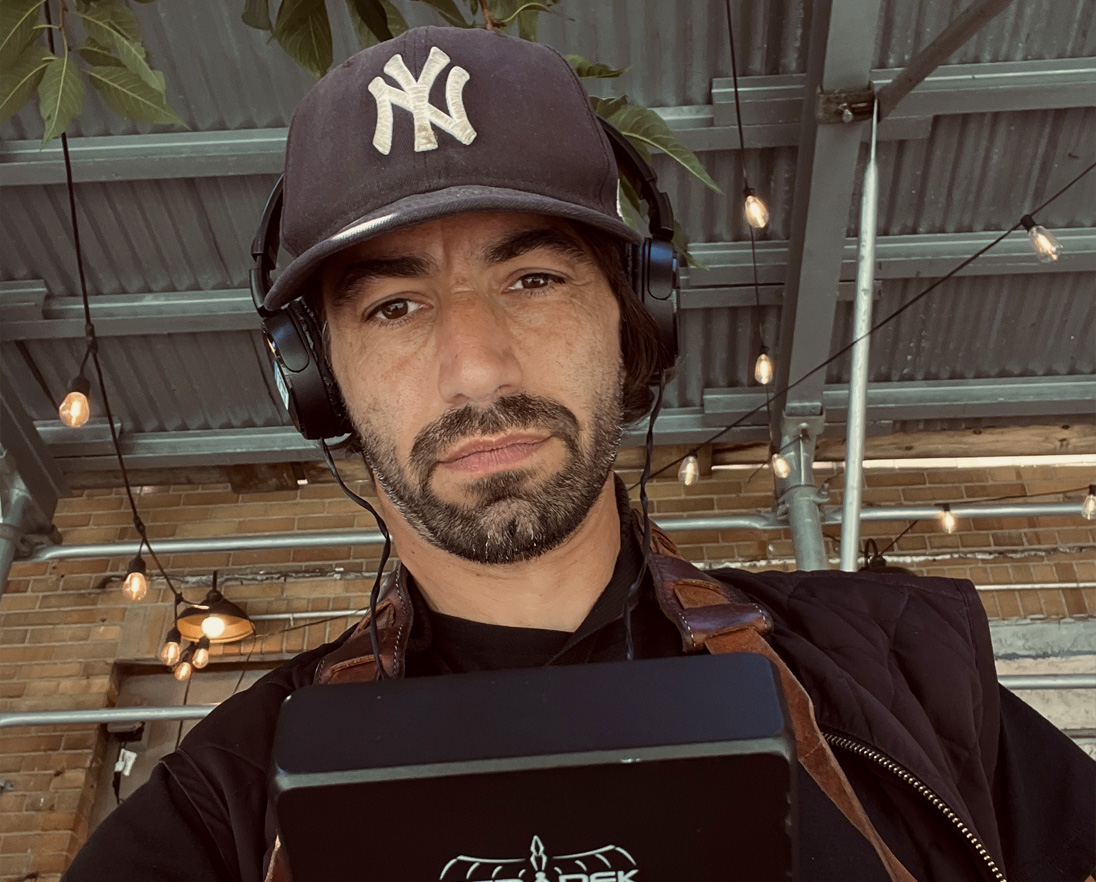
In an industry where the line between advertising and art is increasingly blurred, New York-based director Richie Ellis has found his footing by erasing it entirely. Across a body of work that spans high-profile campaigns for global giants like Amazon, Sony, and Puma, alongside indie festival shorts, Ellis has built a reputation in the film world for treating every subject with a documentarian’s precision and a cinephile’s eye for scale.
At the core of Ellis’ filmmaking is a deep dive into the forces that shape identity; family, community, culture and the internal narratives people construct to navigate the world.
Whether observing delivery drivers threading through Manhattan traffic or inside the life of a child carrying the weight of an unstable household, Ellis consistently zeroes in on the quiet, high-stakes tension between the lives people inherit and the paths they ultimately choose to forge.
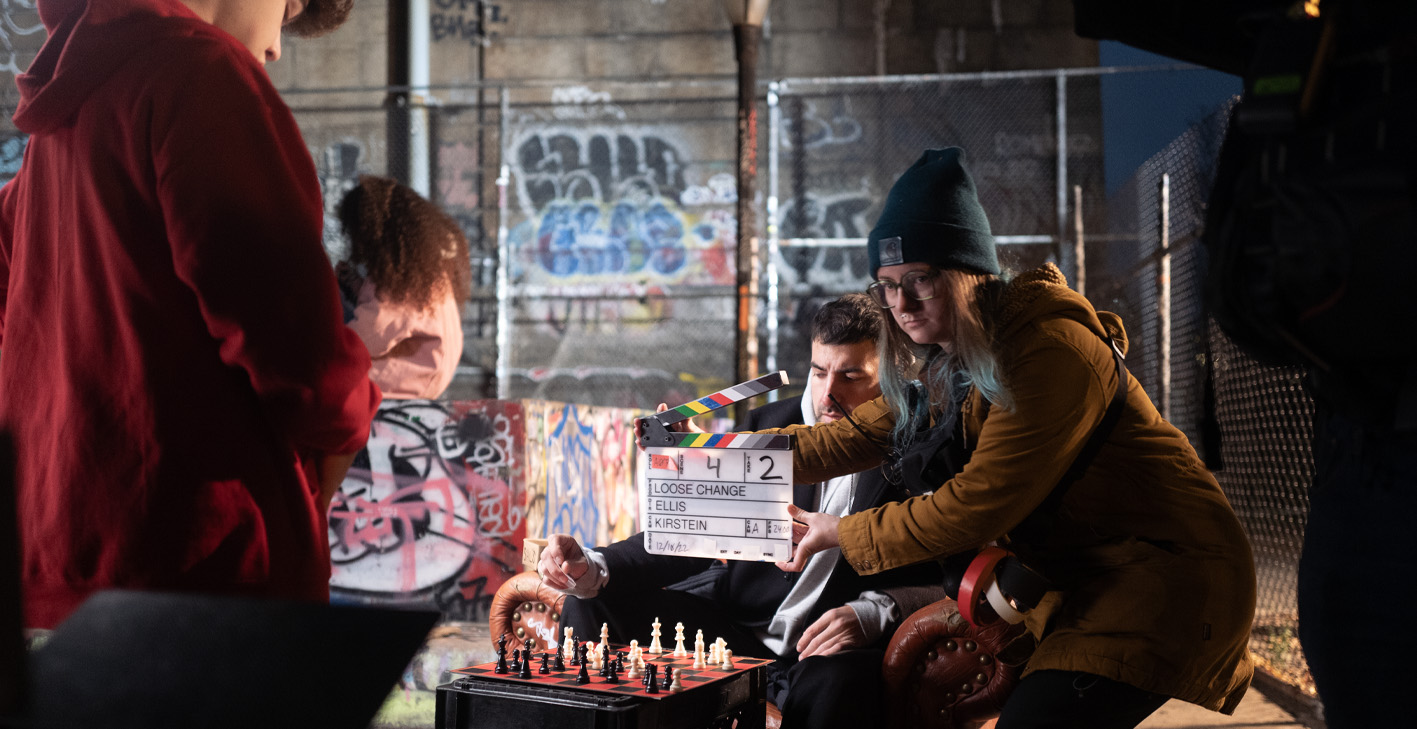
Ellis’s recent narrative short, Loose Change, has served as a major showcase for this thematic focus, pulling in a string of recent international and domestic festival wins. The film took home Best International Film at the Birmingham Film Festival, Best Drama at the Short.Sweet.Film Fest in New York City, Best American Short at the Best Film Awards New York, and the Audience Choice Award at the Festival of Cinema NYC, where it was also nominated for Best Narrative Short.
“As grateful as I am for the awards, what has stayed with me most has been the audience response,” Ellis says. “Loose Change is a small, intimate story, and you never really know how people are going to connect with that when you first put it out into the world. Hearing audience members share their own experiences after screenings and seeing the emotional reaction the film has generated has been incredibly rewarding. For me, the festival run has reinforced something I’ve always believed: you don’t need a huge story to make an impact. Sometimes the most personal stories are the ones that resonate the furthest.”
The short film Loose Change follows a young boy attempting to anchor his mother through hardships that far exceed his years, an emotional reality that Ellis approached with deliberate restraint.
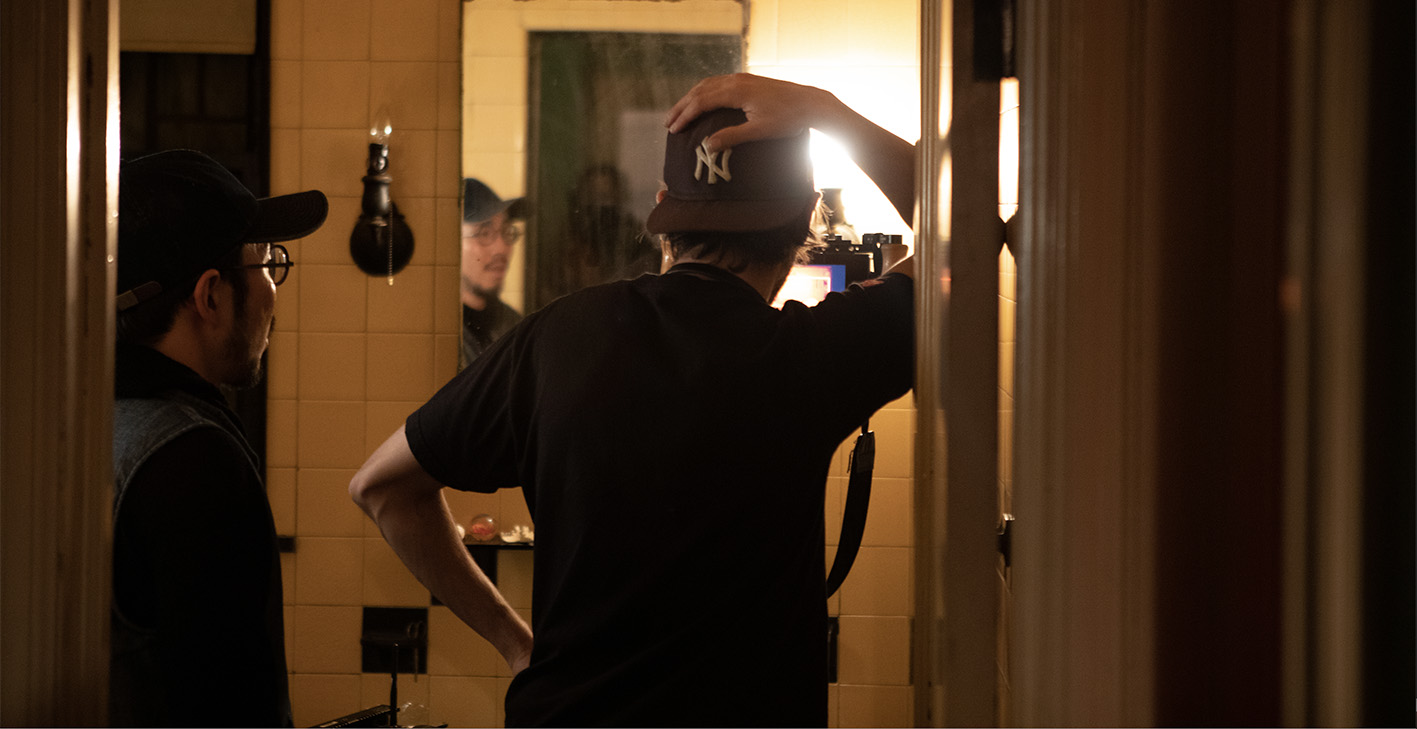
“I think audiences connect with Loose Change because, beneath the specifics of the story, it’s really about love,” Ellis notes. “The film follows a young boy trying to help his mother through circumstances that are far beyond what any child should have to carry, and there’s something deeply human about that. Most people know what it feels like to want to save someone they love, even when there’s very little they can actually do.”
“What interested me was exploring that relationship without judging the characters,” he explains. “I never wanted the film to tell the audience what to think or use the story to make a larger statement. My focus was always on the characters and their emotional reality.”
If there’s anything that Ellis has learned as a filmmaker, it’s that audiences are far more engaged when they’re invited into a story, rather than being lectured by it. “I think the response to the film has come from that place,” he said. “People may walk away with different interpretations, but they’re connecting to the same emotions; love, responsibility, hope, and the sometimes impossible weight of caring for someone who can’t save themselves.”
The film’s trajectory looks to extend beyond the festival circuit. The next screening of Loose Change will be at the 2026 Festival of Cinema NYC, after the film won the Audience Choice Award there last year. “This time, I’ll be returning not only for a Q&A, but also as a juror for the festival itself,” said Ellis. “It’s a rare opportunity to experience the event from both sides and a nice reminder of how quickly things can come full circle in this industry.”
Beyond the festival circuit, Loose Change has recently received a distribution offer. The filmmaker is currently working through the next phase of the distro process. “The response from audiences throughout its festival run has been incredibly encouraging, and I’m excited by the prospect of bringing the film to a much wider audience in the near future,” he said.
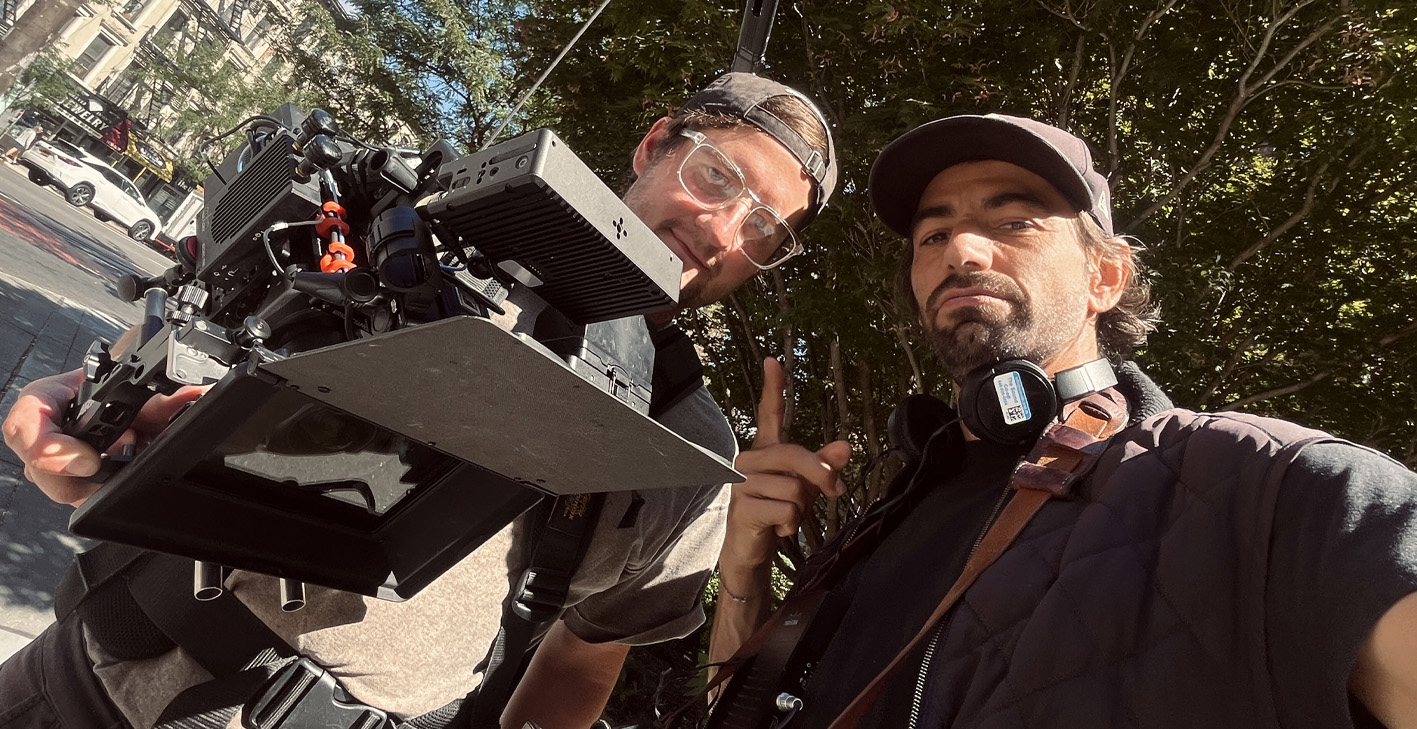
That same non-judgmental, observational style informs Ellis’s commercial work. In a recent campaign for Amazon, he turned his lens on the company’s Delivery Service Partner (DSP) drivers navigating the infrastructure of New York City. Rather than leaning into polished corporate slickness, Ellis treated the project like a street-level documentary.
“What interested me was the opportunity to tell a story about people, rather than a brand,” said Ellis. “The film followed Amazon DSP drivers and delivery crews working across New York City and focused on the human side of the job; the relationships they build with their communities, the challenges they navigate every day, and the role they play in keeping a city like New York moving.”
For context, in New York City, a city with over eight million residents across five boroughs, there are thousands of Amazon DSP delivery drivers and crew buzzing around the city working on tight Prime delivery deadlines. Filming on location, following this high-paced job, required a high degree of adaptability, a skill Ellis attributes to his instincts developed as a documentarian.
“Going into the project, I had a clear vision for the story I wanted to tell, but once you’re filming on the streets of New York with real people doing real jobs, you have to stay fluid,” he says.
“The environment is constantly changing and some of the best moments are the ones you could never have planned for,” adds Ellis. “Rather than forcing scenes to fit a preconceived idea, we adapted to what was happening around us and allowed the story to evolve through observation.”
This spontaneously is what Ellis enjoys most about documentary-style filmmaking. “You start with an intention, but you have to leave room for discovery,” he said. “In many ways, the project became a collaboration between the people we were filming, the city itself, and the story we set out to tell.”
This balance between real-world observation and narrative structure has also made Ellis a natural fit for advocacy media. He recently directed a short film for the DREAM Charter School in Harlem, aimed at supporting the school’s programming, including its specialized institute designed to prepare 7th-grade public school students for the Specialized High Schools Admissions Test (SHSAT).
“It’s about the journey that led him to the school,” Ellis says of the student at the heart of the film. “What drew me to the project was the opportunity to tell a deeply personal story about family, opportunity, and the moments that can alter the course of a young person’s life.”
“Like any documentary project, I began by listening,” he explains. “The more time I spent with the student and those around him, the more I realized the story wasn’t really about education—it was about belief. It was about what happens when someone sees potential in you before you can see it in yourself. My goal wasn’t to make a fundraising film or deliver a message. It was to create something honest that allowed audiences to connect with a real person and his experience. The film will premiere at DREAM’s annual gala before being released online, reaching audiences both in the room and beyond it. Regardless of where it’s seen, I hope people come away feeling connected to the human story at its center.”
With over a decade experience working in the film industry, Ellis’s dual-track expertise has caught the attention of the wider digital industry. For the past two years, he has served as a judge for the International Academy of Digital Arts and Sciences (IADAS) for the Webby Awards, evaluating work in commercials, film, branded video, and digital storytelling alongside a panel of industry peers. The role has offered him a front-row seat to the output of massive entities like Netflix, National Geographic, and NASA, as well as emergent independent creators.
“Serving as a judge for IADAS and the Webby Awards has given me a unique perspective on where storytelling is heading,” Ellis says. “My judging has focused primarily on commercials, film, branded video, and digital storytelling, and one of the things I enjoy most is seeing work before it enters the wider conversation. The range is remarkable. In the same judging cycle, you might move from a campaign created by a global brand like Nike or Apple to a film from an independent creator experimenting with an entirely new way of telling a story.”
“What the experience has reinforced for me is that audiences don’t really care what category a piece of work belongs to,” he notes. “Whether it’s a feature film, a commercial, a music video, or an interactive experience, the work that resonates is usually the work that feels honest. Being part of the judging process has been a constant reminder that great storytelling can come from anywhere, and that the tools may change, but the emotional connection remains the same.”
Looking ahead, Ellis is currently in pre-production on a new narrative short titled Still Lives Through, while simultaneously prepping a summer slate of branded films for clothing label Kangol and developing music videos with local New York musical artists.
“Most of my upcoming work is in the commercial and branded space,” Ellis says. “At this stage of my career, I’m increasingly drawn to projects that align with my sensibilities as a storyteller—work rooted in character, observation, and authentic human experience, regardless of format.”
The upcoming short film, Still Lives Through, is like a breath of fresh air amidst his packed commercial film schedule. “I enjoy moving between narrative, documentary, and commercial filmmaking,” said Ellis. “To me, they’re all part of the same pursuit: telling emotionally resonant stories and collaborating with people who share a commitment to craft.”

