


The modern film set is undergoing a quiet operational overhaul, and it has very little to do with what is appearing on screen.
As physical production timelines contract and the volume of required deliverables multi-platforms, Hollywood’s physical line producers and production managers are facing an execution crunch.
For Los Angeles-based producer Andrii Svistunov, staying ahead of this curve has meant turning away from industry anxiety surrounding artificial intelligence and instead treating the technology as a structural layer for physical organization.
Svistunov has built a reputation across the commercial and narrative landscapes for his ability to bridge heavy business logistics with creative execution. While his short film work has consistently made waves on the competitive festival circuit, earning official selections at the AFI Film Festival, Beverly Hills Film Festival, and twice for the HollyShorts Comedy program, his day-to-day corporate workflow involves managing high-stakes, multi-million-dollar advertising campaigns for multi-billion-dollar enterprise brands.
It’s in this ultra-accelerated commercial space that Svistunov has begun building custom, AI-driven infrastructure to handle the brutal administrative realities of pre-production.
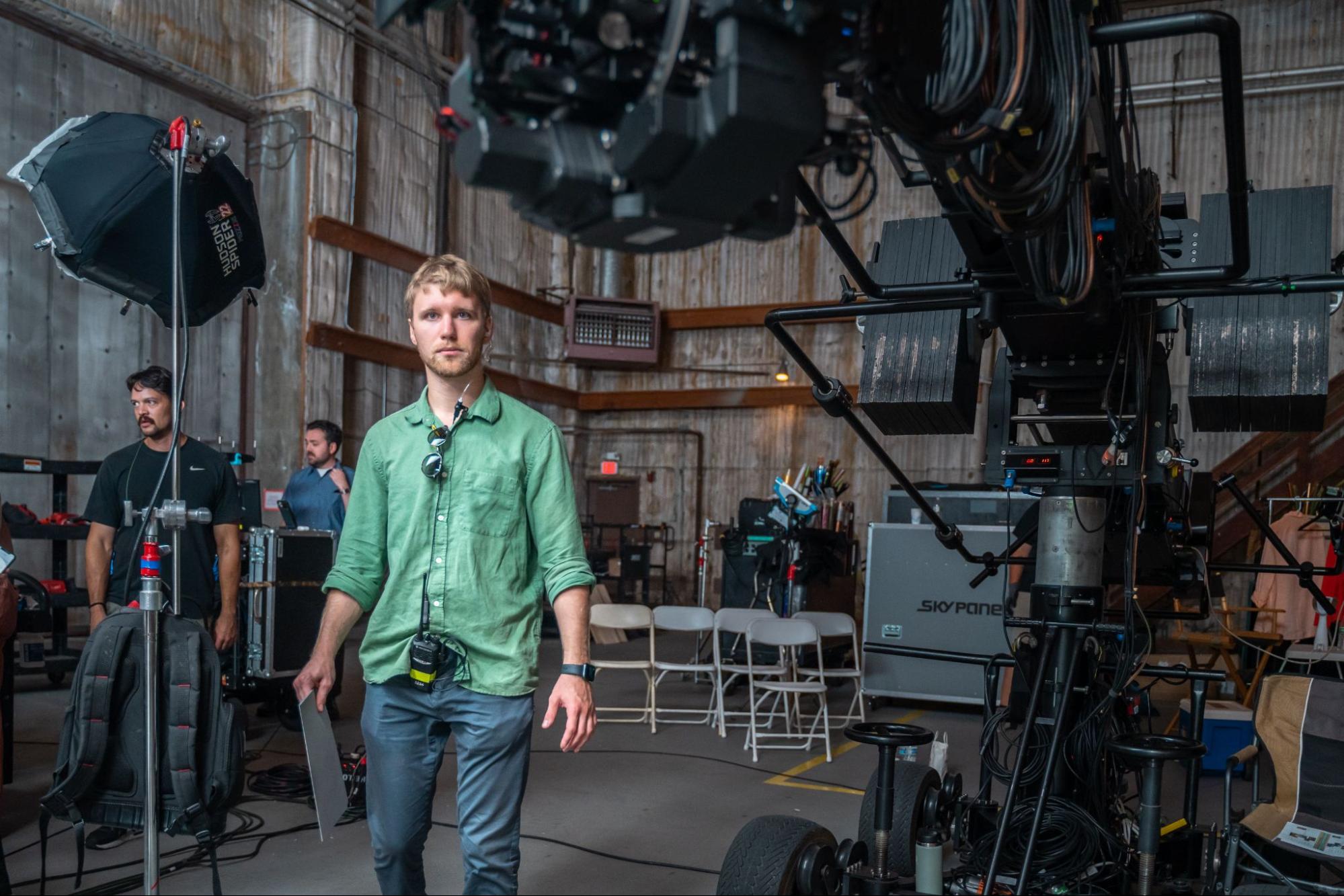
“I use AI as a producing tool rather than a creative substitute,” Svistunov said. “While some believe that AI will replace creativity in film and commercial production, I see it as a tool that strengthens collaboration rather than replaces it. In real-world production environments, every shot carries significant costs, and every department must remain aligned around the same creative vision.”
Svistunov is seeing AI become valuable in the areas where communication and speed matter the most—organizing creative references, streamlining workflows, quickly generating visual materials, and making information instantly accessible across departments.
He’s also aware of the high stakes world of video advertising, where slick presentation is paramount. Agencies and enterprise corporate clients demand real-time transparency across dozens of moving creative elements.
For a single commercial campaign containing sometimes in the hundreds of shots, a producer must track variables spanning location logistics, talent casting, wardrobe design, camera vectors, and practical props. Traditionally, a single late-stage revision from a client could trigger an administrative nightmare, forcing production teams to manually re-build breakdown sheets and alert all the departments overnight.
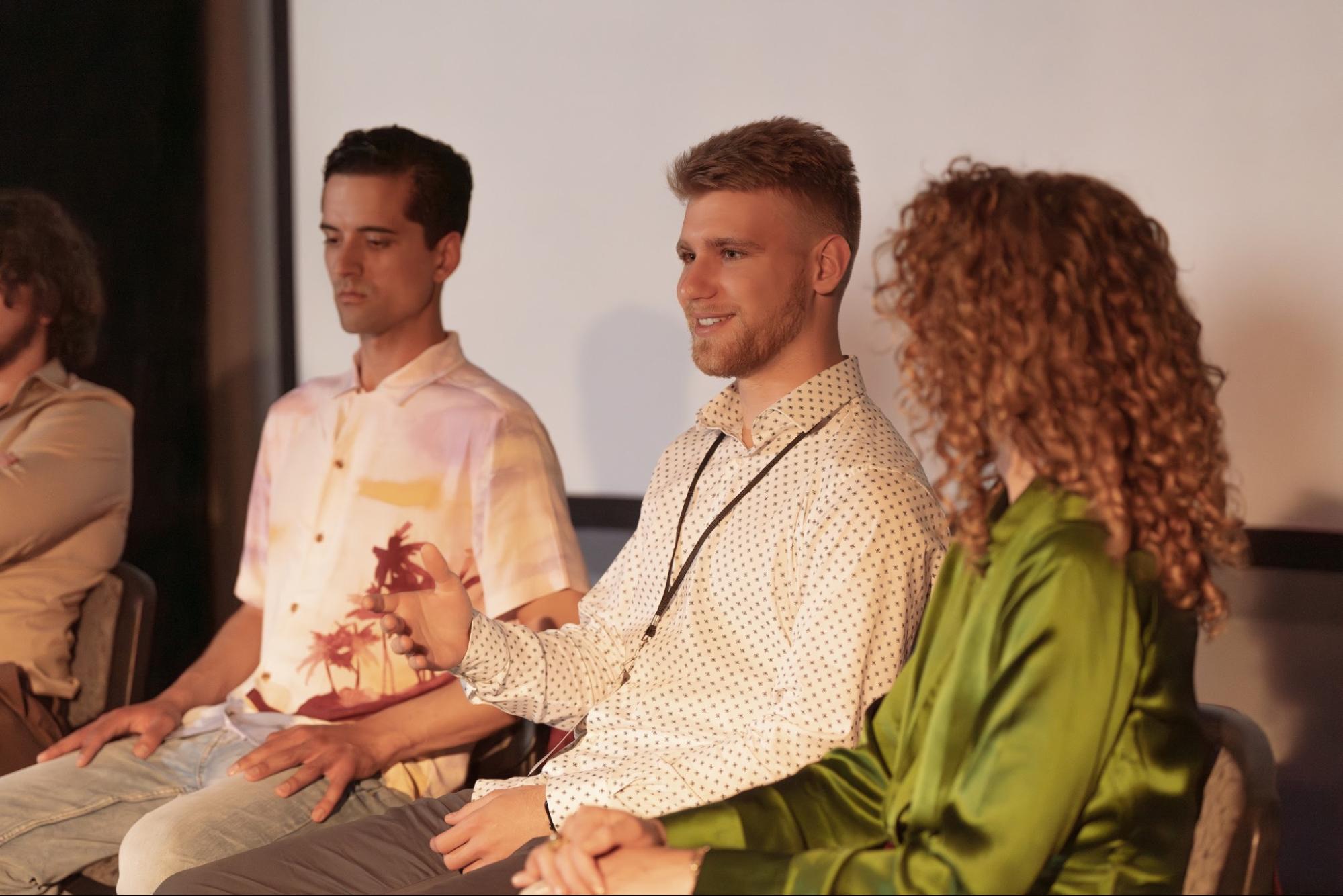
To mitigate this friction, Svistunov began engineering his own custom, AI-assisted workflows tailored directly to his physical production pipelines, which are set on demanding deadlines.
“The AI systems I built help organize and synthesize these moving pieces within minutes, allowing the team to react faster without sacrificing precision,” Svistunov explains. “What interests me is not removing human involvement from the process, but removing repetitive labor that limits creative bandwidth. As a producer, my goal is creating systems that allow teams to spend less time managing information and more time making creative decisions.”
This approach has allowed his teams to absorb hyper-compressed timelines that would otherwise destabilize a traditional set structure. “Commercial schedules would sound impossible to a regular person—it’s often the case that the notes come in at 6 p.m. to be implemented before 7 a.m. the following day,” he notes.
“Instead of manually rebuilding documents, shot breakdowns, or presentation materials overnight, we can update entire production decks, schedules, and departmental breakdowns in a matter of minutes, ensuring that every team—from camera and art to wardrobe and locations; is aligned by the time we step on set.”
Despite his reliance on advanced digital systems, Svistunov is clear about where the boundary lines must be drawn. As a producer who has sat on major industry screening panels and festival juries, including serving as a judge for the North Star Film Festival and working on the selection committees for the San Diego and Santa Fe International Film Festivals, he maintains that human instinct remains the ultimate gatekeeper of quality.
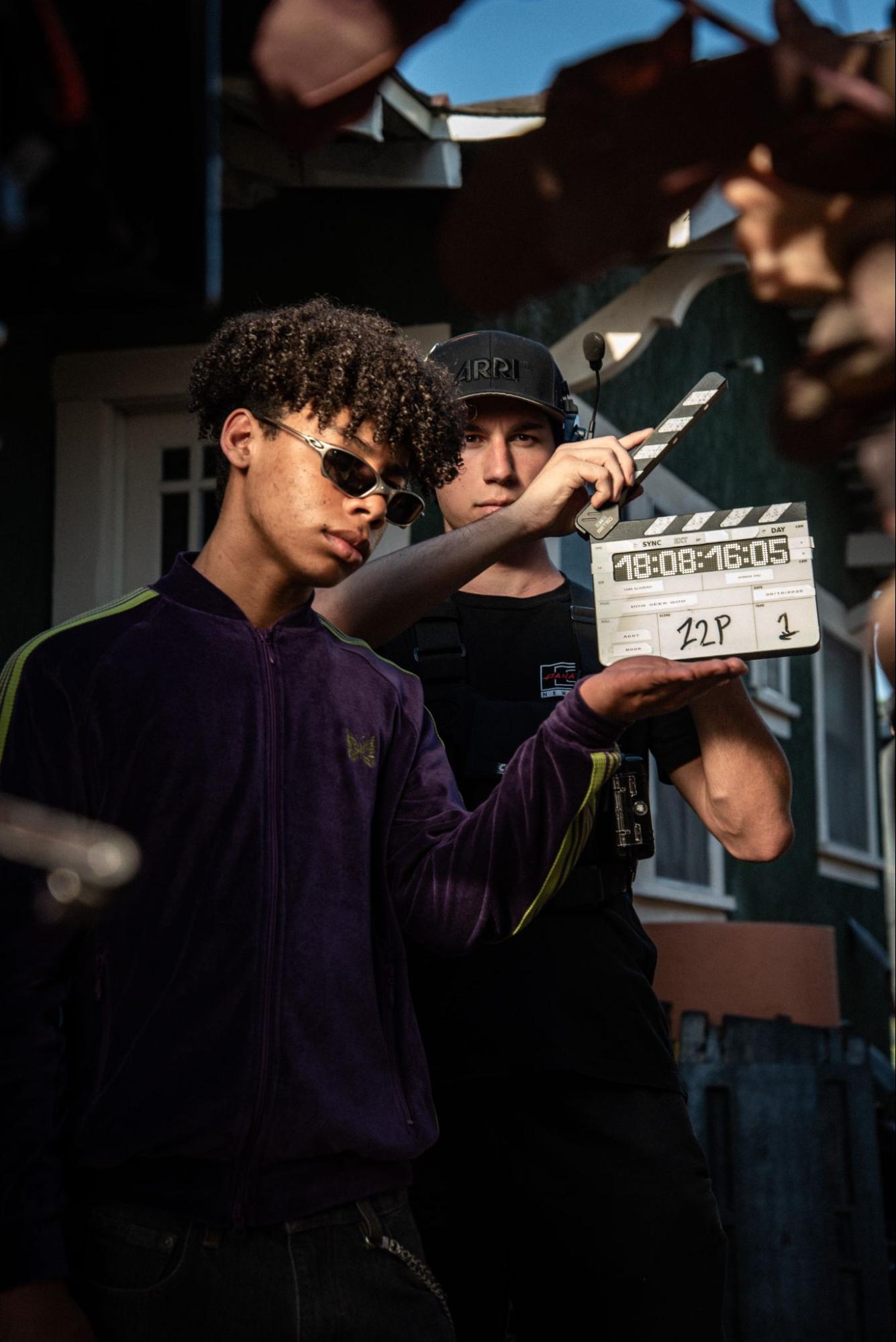
“I am especially careful with tools that try to replace creative decision-making instead of supporting it,” Svistunov said. “Producing is ultimately a people-driven profession built on trust, communication, and instinct. Technology can organize information, accelerate workflows, and solve logistical challenges, but it cannot replace taste or human understanding. I use tools that strengthen collaboration and help teams move faster, and I avoid tools that make the process feel more automated but less connected.”
Ultimately, the goal of integrating AI into the production pipeline isn’t to create a tech-centric set, but rather an invisible infrastructure that allows the crew to focus entirely on physical execution. By centralizing bureaucratic bottlenecks like onboarding, call sheets, and vendor coordination into integrated, automated platforms, the actual art of filmmaking takes center stage.
“For me, the real breakthrough is not in isolated features like text or image generation, but in how AI can sit inside the production pipeline itself,” says Svistunov. “When it can understand the hierarchy of a project—from script to schedule to budget—it becomes genuinely useful on set and in pre-production. That shift is what I’m paying attention to right now: moving from AI as a creative assistant to AI as a production infrastructure layer.”

