Vertical drama is developing a visual language of its own.
Designed to be watched on smartphones and structured around short, fast-moving episodes, the format asks audiences to enter a story almost immediately. Characters have little time to make an impression. Locations need to be understood at a glance. Changes in emotion, atmosphere, and dramatic stakes must register clearly within a narrow vertical frame.
Behind that immediacy is a considerable amount of visual decision-making.
At Crazy Maple Studio, Visual Development Artist Lin Jin has taken on leading creative responsibilities across a growing range of ReelShort productions, helping determine how characters, environments, moods, and narrative concepts are translated into visual worlds built specifically for mobile audiences.
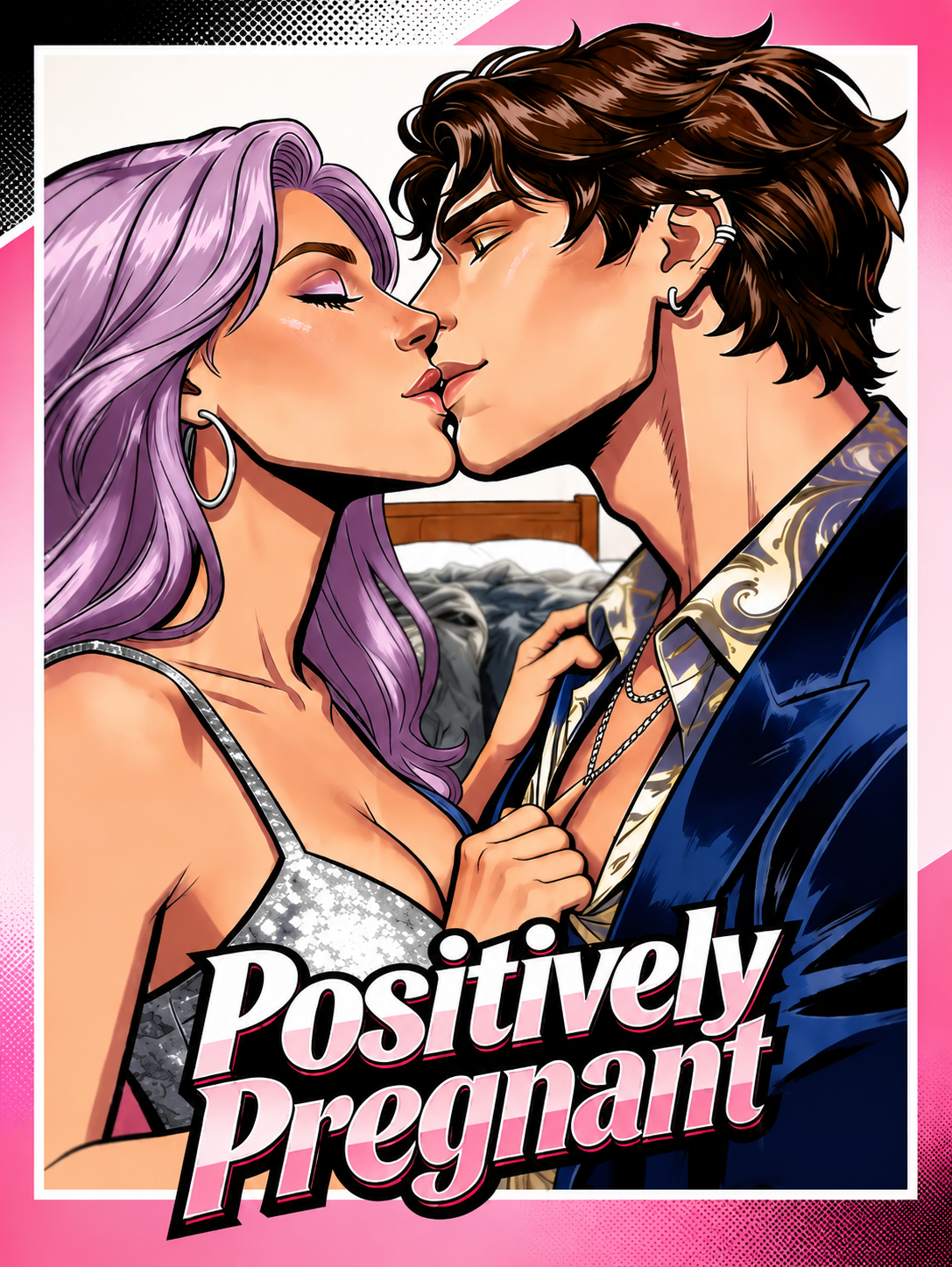
Her work includes Positively Pregnancy, Love Cruise, The Neighbor They Should’ve Left Alone, Reborn to See the Football Stars Ruin Themselves, Sci-fi Show, Veronica, and Prince, Thief to Warrior King—projects that move across romance, contemporary drama, psychological storytelling, sports-related narratives, science fiction, revenge, and fantasy.
On several of these productions, Jin’s responsibilities extend across significant portions of the series. Her visual development work covers Episodes 16–50 of Positively Pregnancy, Episodes 28–50 of Love Cruise, Episodes 31–50 of The Neighbor They Should’ve Left Alone, and Episodes 1–30 of Veronica.
The extent of those responsibilities places her work well beyond the creation of isolated visual assets. Across these episode ranges, Jin helps establish and maintain the characters, environments, atmosphere, and visual direction through which the stories develop.
Her project slate also includes ReelShort productions reaching substantial audiences. Reborn to See the Football Stars Ruin Themselves has reached 38.3 million views, Prince, Thief to Warrior King has reached 5.6 million views, and Positively Pregnancy has reached 963.4 thousand views.
For Jin, those projects are part of a broader creative challenge: defining what effective visual storytelling looks like when drama moves from traditional screens into a vertical, mobile-first environment.
Designing for a Story That Moves Fast
Visual development has always occupied an important place in film and animation, but vertical drama changes the conditions under which those visual decisions are experienced.
A ReelShort viewer encounters a story through a narrow smartphone screen. Episodes are brief. Plot developments arrive quickly. Characters, relationships, and conflicts need to remain legible even as the narrative moves at considerable speed.
That means visual information has to work efficiently.
A character’s appearance needs to communicate personality and remain recognizable from episode to episode. Environments need to establish a place without requiring lengthy explanation. Changes in atmosphere must support the emotional rhythm of a scene. Across a serialized production, all of those elements need enough consistency to feel like parts of the same world.
Jin’s work begins within this set of challenges.
As a Visual Development Artist, she interprets narrative material and develops the characters, settings, moods, and visual concepts through which that material can be translated into production.
It is a role that combines artistic execution with narrative judgment.
Rather than asking only what an image should look like, visual development asks what that image needs to accomplish for the story: what audiences should understand about a character, what an environment should communicate, what emotional tone a scene requires, and how those choices can remain coherent as a series progresses.
For a format built around speed and immediate audience comprehension, those decisions become particularly consequential.
Visual development in vertical drama is not simply a layer of decoration added to a finished story. It is one of the systems through which the story becomes immediately readable on screen.
Taking Responsibility Across ReelShort Series
The scope of Jin’s work becomes clearer through the individual productions she has helped develop.
On Positively Pregnancy, she has been responsible for visual development across Episodes 16–50. The assignment places her creative work across a substantial portion of a series that has reached 963.4 thousand views on ReelShort.
Her responsibilities on Love Cruise span Episodes 28–50, while her work on The Neighbor They Should’ve Left Alone extends across Episodes 31–50.
On Veronica, Jin’s visual development responsibilities cover Episodes 1–30. Working across the opening stretch of a series carries particular visual importance: characters, environments, atmosphere, and the broader identity of the story all need to become recognizable as audiences are first introduced to its world.
Across these projects, the episode ranges also illustrate something important about Jin’s role.
Visual development carried across dozens of episodes requires more than producing a collection of individual images. Characters continue to develop. Locations change. New narrative situations appear. Emotional tone evolves. Yet the production still needs to retain a coherent visual identity.
Jin’s sustained involvement helps support that continuity.
It also requires her to move between markedly different genres.
The visual questions presented by romance are different from those presented by psychological drama. A sports-related narrative brings different expectations from science fiction, while fantasy can require the construction of an entire visual logic beyond familiar contemporary settings.
Jin’s work therefore changes with each production.
What remains consistent is the responsibility to identify the visual characteristics that make a story distinctive and translate them into a direction capable of supporting the larger production.
From Romance to Science Fiction, One Format With Many Worlds
The variety of Jin’s ReelShort projects reveals another challenge facing visual artists working in vertical entertainment: the format may remain consistent, but the worlds inside it cannot.
A platform built around serialized storytelling needs differentiation.
If characters, environments, and atmosphere become visually interchangeable from one series to the next, individual stories lose part of what allows audiences to recognize and remember them.
That makes genre adaptability an important part of Jin’s contribution.
Her work across romance, drama, sports-related storytelling, science fiction, revenge narratives, and fantasy requires different approaches to character development, setting, mood, and visual tone.
A contemporary romantic story may need an environment that feels immediate and emotionally accessible. A darker psychological narrative may rely more heavily on tension and atmosphere. Fantasy and science-fiction concepts may require visual development to establish spaces, objects, or environments that have no straightforward real-world equivalent.
The task is not to impose one visual style across every project.
It is to determine what each story needs and develop a visual identity capable of expressing it within the constraints of vertical production.
For Crazy Maple Studio, that versatility matters because ReelShort is built around a continuing slate of stories rather than a single title.
The studio must repeatedly create new visual worlds while maintaining a production model capable of moving those worlds efficiently from narrative concepts toward the screen.
Jin’s ability to operate across genres helps make that process possible.
When Visual Development Meets a Multimillion-View Audience
The reach of Jin’s ReelShort projects provides another way to understand the scale of the productions in which she works.
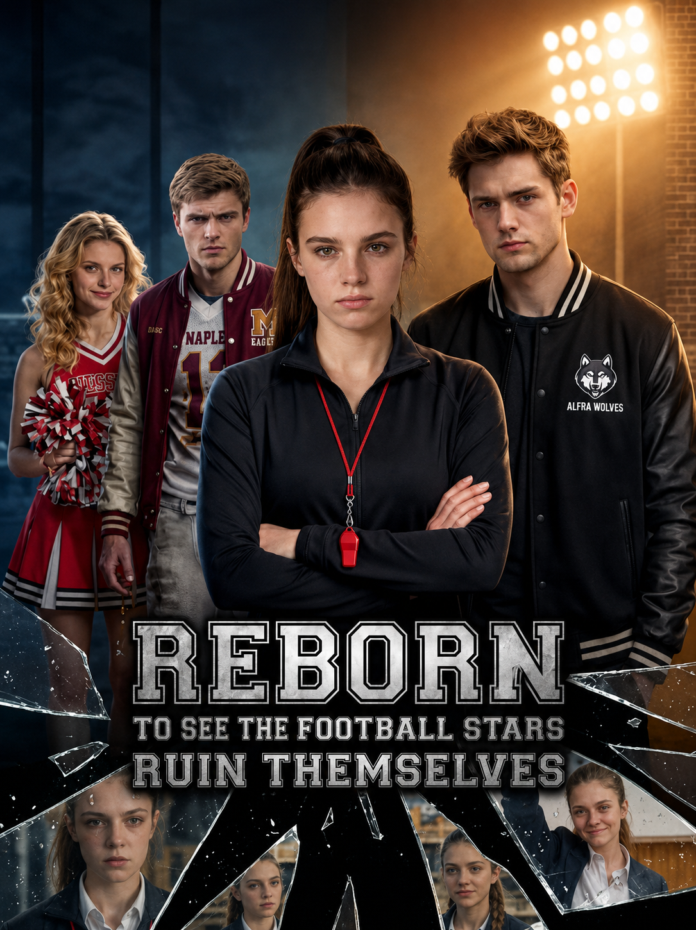
Among them, Reborn to See the Football Stars Ruin Themselves has reached 38.3 million views.
Jin contributed visual development to the production, working on the visual elements through which its story world, characters, environments, and atmosphere could be communicated to viewers.
The 38.3 million-view audience places that creative contribution within the production process of one of the high-viewership ReelShort titles on her project slate.
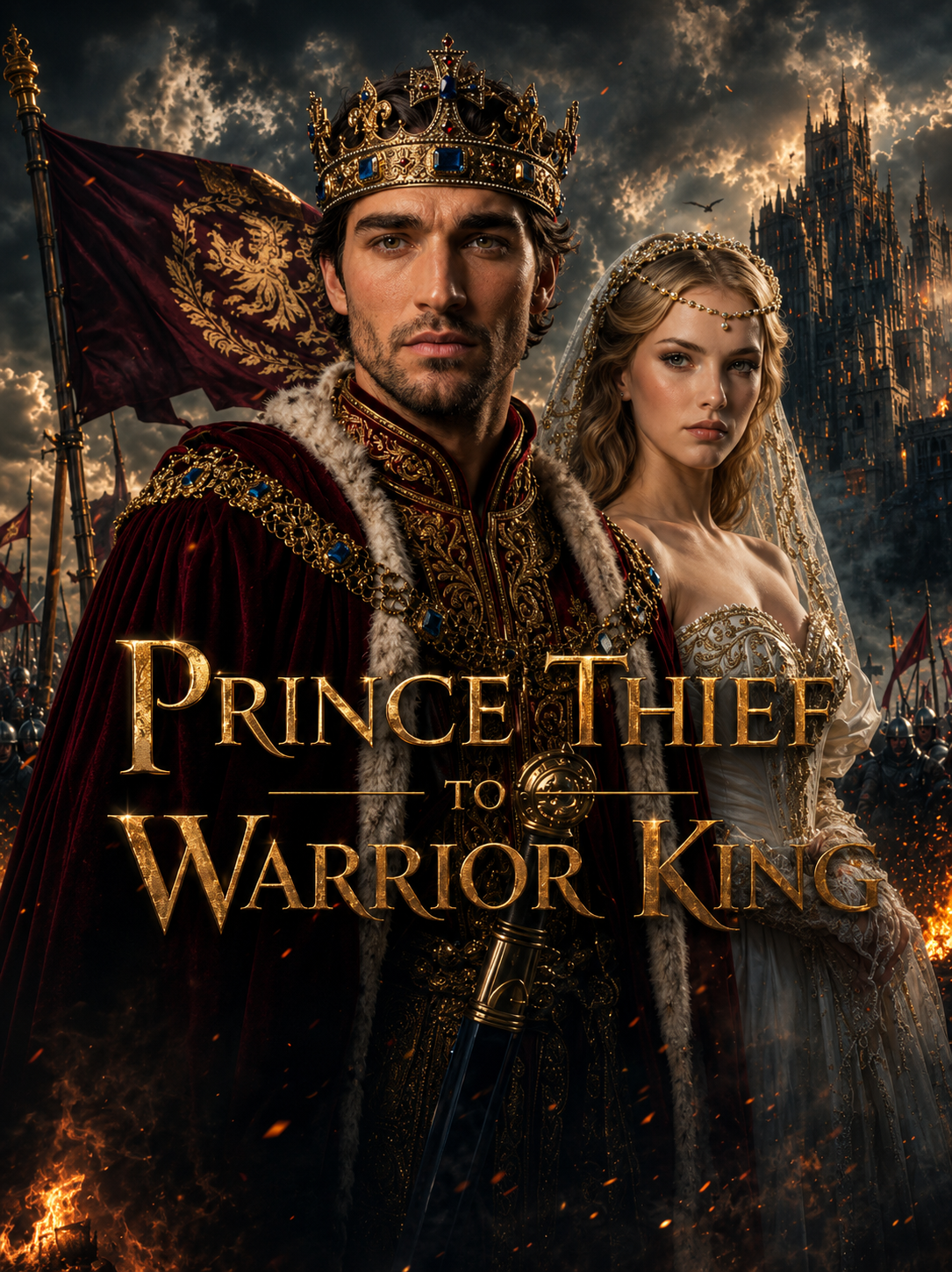
Her work on Prince, Thief to Warrior King connects her to another production with a multimillion-view audience. The series has reached 5.6 million views.
And on Positively Pregnancy, Jin’s connection to the production is particularly sustained: her visual development responsibilities cover Episodes 16–50 of a series that has reached 963.4 thousand views.
Viewership on that scale is never the product of a single discipline. Writers, directors, performers, producers, designers, artists, editors, and many other creative professionals contribute to the success of a series.
Visual development, however, addresses some of the most fundamental questions audiences encounter when they watch: Who are these characters? What kind of world are they inhabiting? What should this moment feel like? And does the visual experience remain coherent as the story continues?
Those questions fall directly within Jin’s area of responsibility.
Her role can therefore be connected to audience success in a specific and grounded way. She is not responsible for viewership alone; rather, she contributes to the visual framework of productions that have demonstrated substantial audience reach, including titles viewed millions—and in one case tens of millions—of times.
That distinction is important. It also makes the scale of her work easier to understand.
Why Jin’s Role Matters to Crazy Maple Studio
For Crazy Maple Studio, the challenge is larger than producing a single successful series.
ReelShort depends on the studio’s ability to repeat the process.
New stories require new characters. New genres require new visual approaches. New environments need to be established quickly. And serialized productions need visual continuity across episodes even as the company continues developing additional titles.
Visual development sits near the beginning of that chain.
It creates a bridge between what exists in narrative form and what can eventually become a coherent visual production.
Jin works at that bridge.
Through her development of characters, environments, moods, and visual concepts, she helps convert narrative ideas into visual frameworks that can support subsequent production.
Because her responsibilities extend across substantial episode ranges and multiple titles, the impact of that work is not confined to a single image or scene.
It supports the larger systems through which individual ReelShort productions establish and maintain their identities.
This gives Jin’s role particular importance within Crazy Maple Studio’s production model.
The company needs visual artists capable not only of producing strong individual concepts, but of understanding story, maintaining continuity, adapting across genres, and developing visual solutions that can function within the pace and framing of vertical entertainment.
Jin’s work addresses each of those needs.
Her value to Crazy Maple Studio lies in the combination of sustained project responsibility and adaptability: she helps establish the visual foundations of individual ReelShort series while also supporting the studio’s broader ability to develop distinctive vertical productions across an expanding range of stories.
Building a Production Model for What Comes Next
The growth of vertical entertainment also raises a question facing creative studios across the industry: how can production expand without losing visual consistency?
Jin has participated in Crazy Maple Studio’s exploration of AI-integrated creative workflows aimed at accelerating concept exploration and visual iteration while maintaining artistic direction, character continuity, and visual coherence.
The distinction between speed and useful speed is important.
Producing more visual material does not necessarily make a production process better. Characters still need to remain consistent. Environments need to serve the narrative. Visual ideas need to belong to the same story world. And ultimately, creative judgment still determines whether an image is actually appropriate for the production.
Jin’s experience in visual development gives her a practical perspective on that process.
She can assess emerging workflows according to the requirements she already encounters across ReelShort productions: whether they preserve character identity, whether they support story and atmosphere, whether visual continuity remains intact, and whether the resulting material can actually function within production.
That work connects her role to another aspect of Crazy Maple Studio’s development.
Her contribution is not limited to helping build the visual worlds of current ReelShort series. It also supports the studio’s exploration of how those worlds might be developed more efficiently as vertical production continues to expand.
The People Behind the Vertical Frame
Vertical drama can appear deceptively simple from the viewer’s side of the screen.
A phone is opened, an episode begins, and within moments the audience is inside a new relationship, conflict, environment, or fictional world.
Making that experience feel immediate requires many creative disciplines working behind the frame.
Visual development is one of them.
Across ReelShort, Jin’s work demonstrates how much responsibility can sit behind the visual choices audiences absorb almost instantly.
Her visual development responsibilities span Episodes 16–50 of Positively Pregnancy, Episodes 28–50 of Love Cruise, Episodes 31–50 of The Neighbor They Should’ve Left Alone, and Episodes 1–30 of Veronica.
Her broader ReelShort slate includes projects ranging from romance and contemporary drama to science fiction, fantasy, sports-related narratives, and revenge stories.
And her work has contributed to productions reaching substantial audiences, including Positively Pregnancy at 963.4 thousand views, Prince, Thief to Warrior King at 5.6 million views, and Reborn to See the Football Stars Ruin Themselves at 38.3 million views.
Together, those projects illustrate why Jin’s role has become important within Crazy Maple Studio.
She works at the point where stories begin acquiring a visual identity, where characters and environments become more than descriptions on a page, and where creative decisions need to remain coherent enough to support dozens of episodes.
For a company building its success around mobile-first serialized entertainment, that is a critical part of the production process.
As ReelShort continues to reach large audiences with vertical stories across increasingly varied genres, Jin’s leading visual development work helps Crazy Maple Studio do something essential to that growth: repeatedly turn new narratives into distinctive, coherent visual worlds built for the vertical screen.
Selected ReelShort Productions
Reborn to See the Football Stars Ruin Themselves
38.3 million views
Prince, Thief to Warrior King
5.6 million views
https://www.reelshort.com/movie/prince-thief-to-warrior-king-69fa0a987e9368c0730c145b
Positively Pregnancy
963.4 thousand views
https://www.reelshort.com/movie/positively-pregnant-69e1d610a8d2b7b6230bea49