

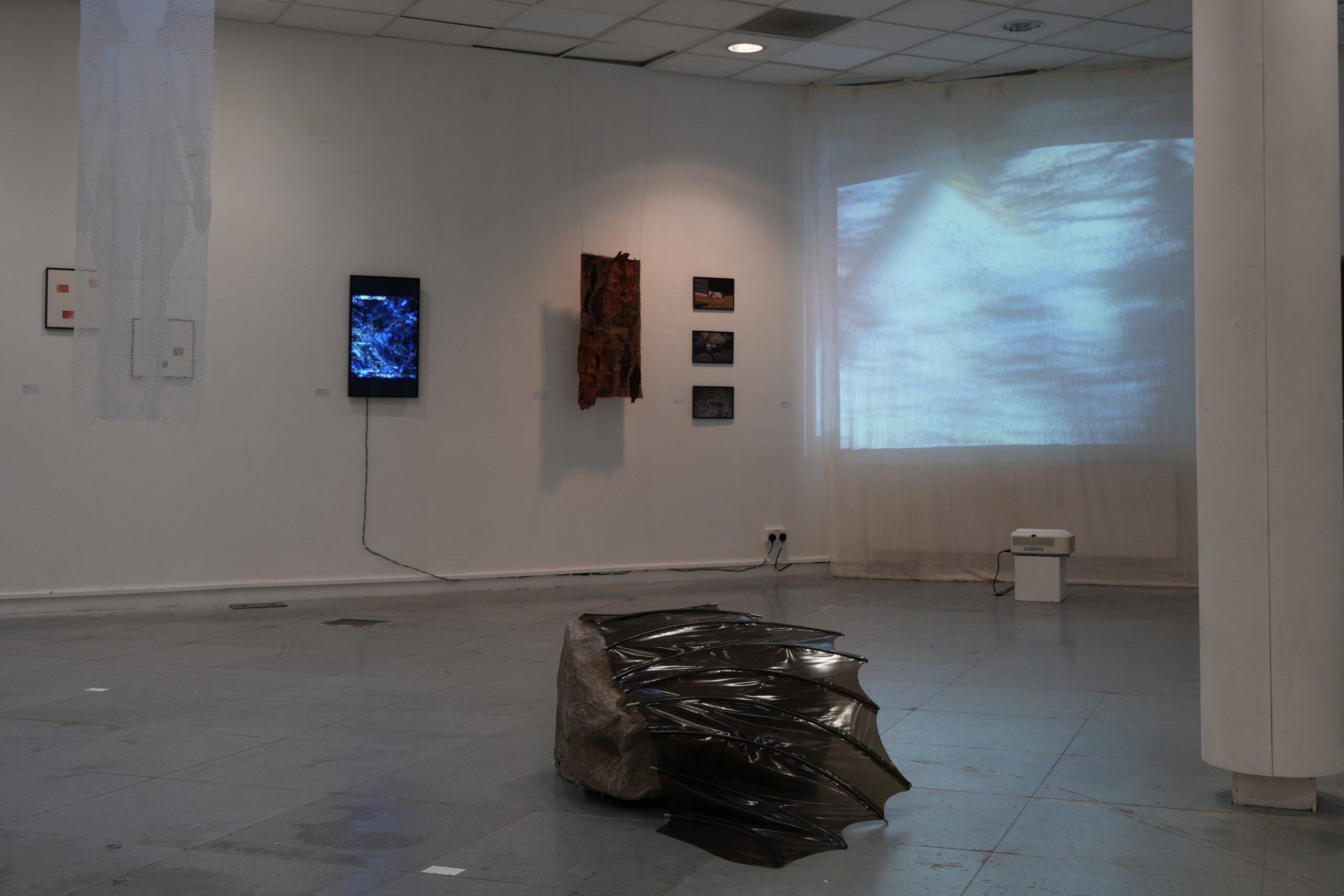
Life, artist Xiuzhuo Zhou ponders, may be no more than a fleeting moment and yet in our limited span meaning accrues in temporarily bestowed states, affected by the way in which we inhabit and observe our surroundings.
Across his photographic practice, Zhou has frequently sought to uncover the after-spirit of liminal ‘non-spaces’. How humans ascribe meaning to the wider world and how time and absence carries that meaning away. In vacant buildings, devoid of life, topophilic associations allow us to see more than what meets the eye. Internal architectures take up posts in hollowed halls, pregnant with sentimental interludes, faces and smells. When the body departs, the space remains, revealing a void that cannot be occupied.
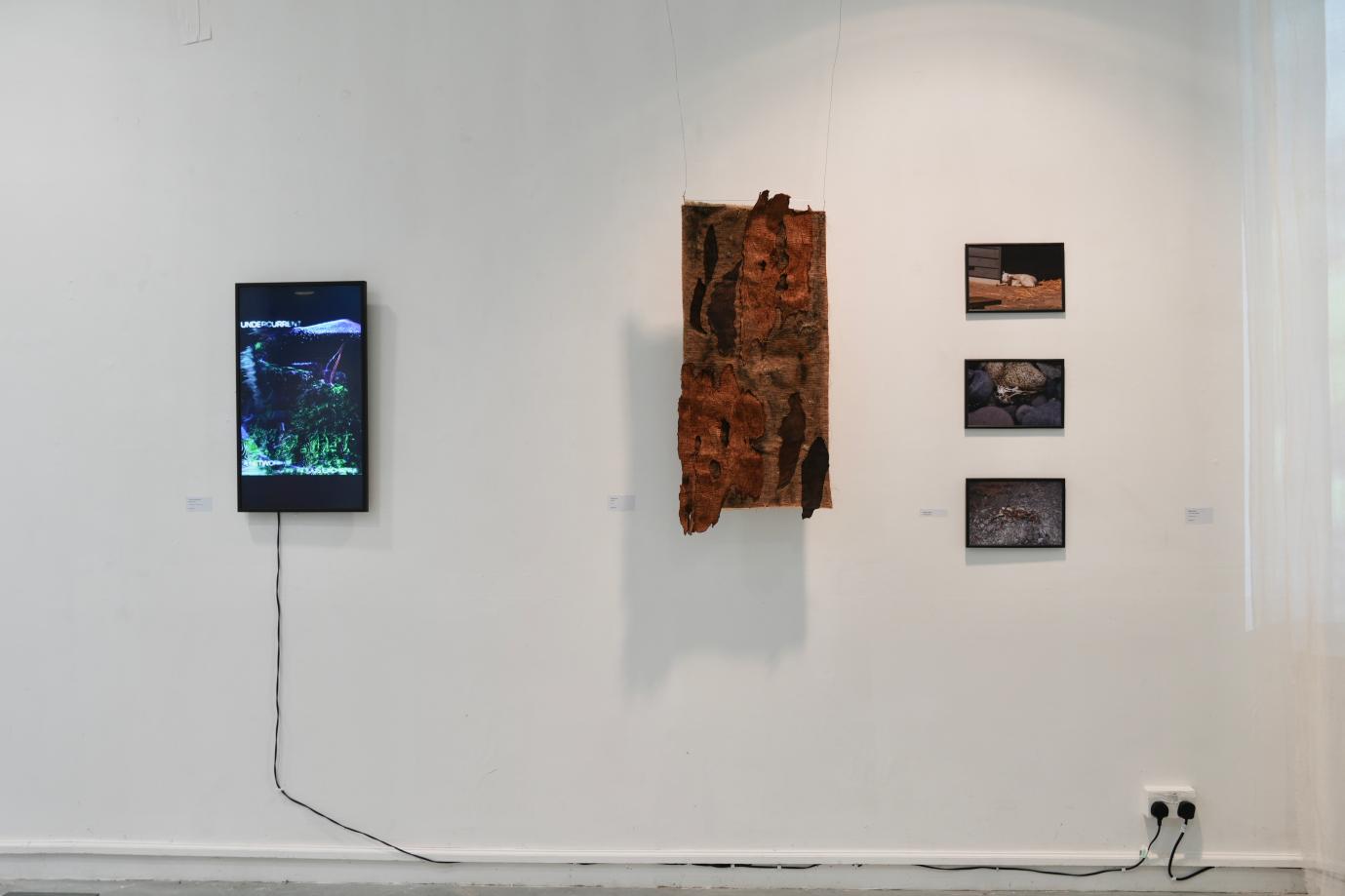
In his latest work, Zhou focuses on the fleeting and imperceptible transition between existence and disappearance. The photographic work, The Same Earth (2025) is a vanitas trilogy of sorts, presenting us with successional images of animal bodies that pass from life into death and decay. The living body of a lamb points to a present moment as it unfolds, the emaciated carcass to a past from which there is no return. Though temporally different, separated into discrete points, Zhou’s work embodies the kind of suspended time that Hiroshi Sugimoto achieves in his long exposure shots of theatres and seascapes. The instantaneous logic of the camera is stretched out, creating images that are silent, absent and brooding, and disclose an intent to preserve unresolved states of ephemerality.
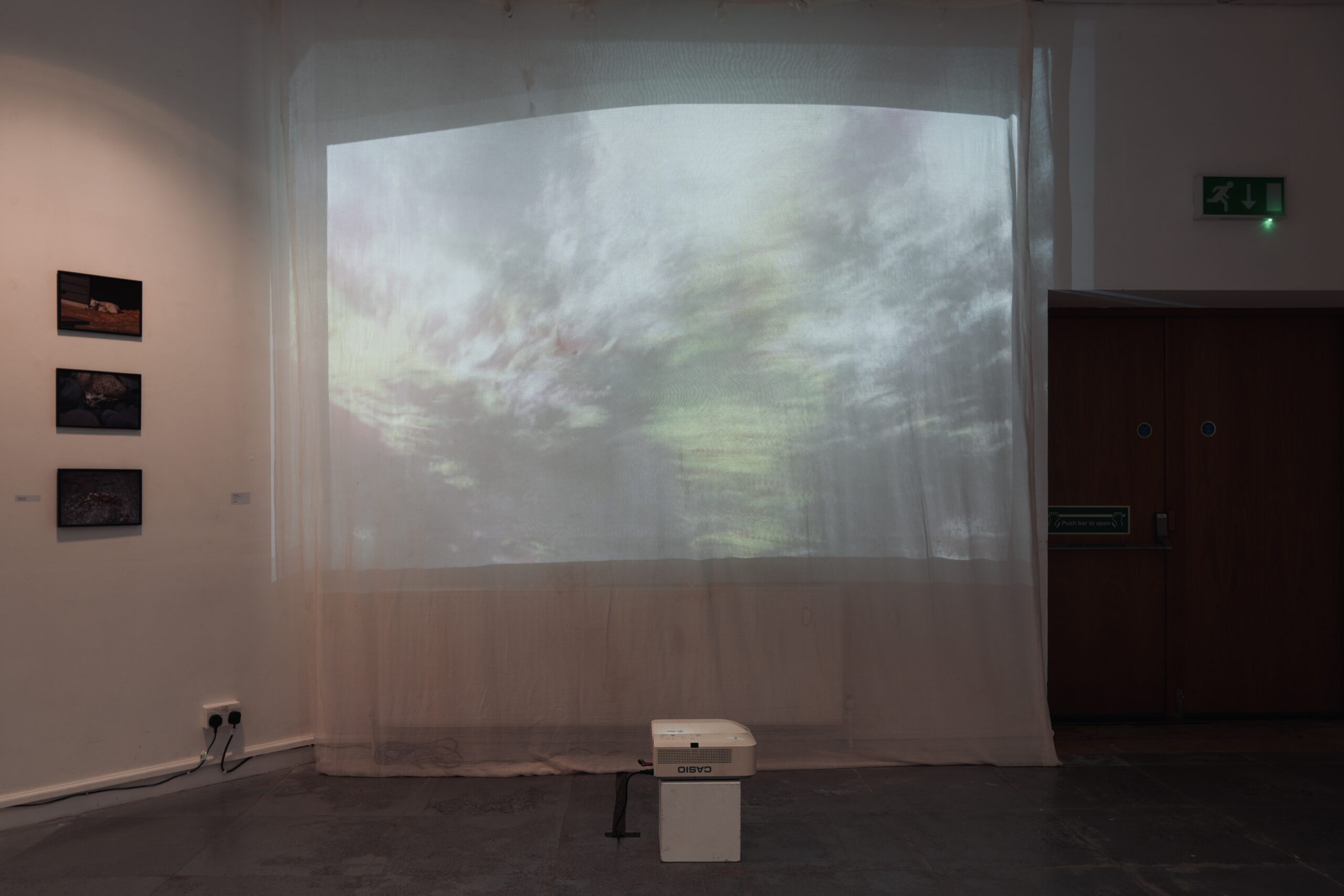
In his final book, Camera Lucida: Reflections on Photography (1980), Roland Barthes identifies the ‘noeme’ or essential nature of photography that sets it apart from painting and spoken word; that it is, ultimately, an emanation of a past reality. The photograph certifies that the thing was actually, physically there in front of the lens at one moment. In placing the planes of and death in close proximity, Zhou rouses the temporal vertigo that Barthes expounds upon, in simultaneously having viewed an image lost to time and one that anticipates a future the viewer can already predict. Perhaps the fate of the lamb, soft and sunned, bearing the fleshy pinks of its ear and tongue, is not, in fact, to expire alone amidst the rubble like its visual counterparts. Perhaps another death awaits. But still, death will come. Absence amplifies presence. The “catastrophe” as Barthes calls it, is already logically contained within the animal and too within the photographic moment.

