

Good content often starts with a small observation. A baker notices a common mistake people make when shaping dough. A traveler finds a quiet street worth sharing. A designer wants to show what happens between the first sketch and the finished work.
None of these ideas requires a large production team. What helps is having a simple way to record the moment and a clear reason to share it. As cameras become easier to carry and use, everyday creators have more chances to show their work as it happens.
First-person footage shows what the creator sees
A phone on a tripod is useful for a planned tutorial. It holds a steady frame and lets the creator think through each step. Some activities, though, are difficult to show from across the room.
First-person video can bring viewers closer to the process. A ceramic artist can show how their hands shape clay. A gardener can point out what they look for when checking a plant’s leaves. Someone restoring furniture can capture the small detail that made them choose a particular tool.
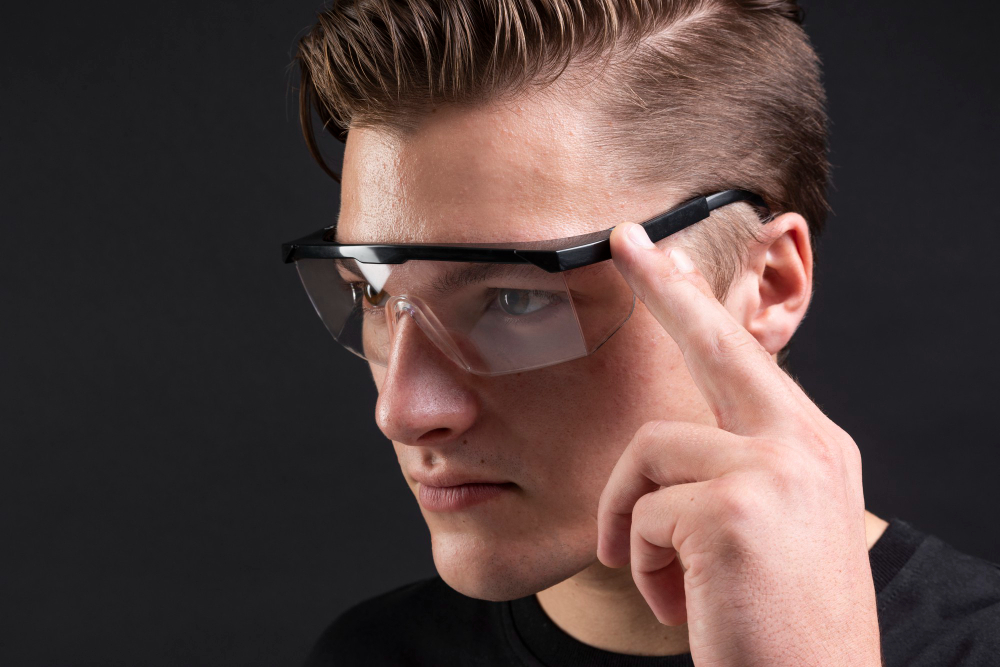
AI glasses offer one way to take photos and short videos from the wearer’s point of view without holding a camera. That can make it easier to collect clips while working. The footage still needs a good idea behind it, but the creator has another angle available when a tripod or phone would be awkward.
A simple story makes a stronger video
Before recording, decide what someone should learn or feel by the end. That question gives even a short video some structure.
A home cook could show three moments: how they prepare an ingredient, what changes as it cooks, and how they know it’s ready. A small business owner might show a product before packing, one careful packing step, and the finished parcel. The sequence gives viewers a beginning, middle, and end without requiring a script.
Specific ideas tend to work better than trying to cover everything at once. “How I protect the corners of a framed print before shipping” promises something clearer than “a day at my business.” The narrower idea also makes it easier to decide which footage belongs in the finished piece.
Capture the process, then add context
A behind-the-scenes clip is more useful when viewers know what to look for. A florist might show how they choose the first stems for an arrangement. A parent sharing a craft project might focus on the step children usually need help with.
A short caption or voiceover can answer the obvious questions: What are we watching? Why do you do it this way? What should someone trying it at home keep in mind?
The explanation doesn’t need to sound rehearsed. Clear, specific language often feels more helpful than a polished introduction that takes half the video to reach the point. If the scene is noisy, captions can make the important information easier to follow.
Easy recording makes editing more valuable
When it’s simple to capture footage, it’s also easy to collect too much. Not every clip needs to become a post. Reviewing material is where much of the creative work happens.
Choose the moments that help tell the story. Cut a long walk down to the turn where the view opens up. In a tutorial, keep the steps people need to see and shorten repetitive parts. If something important happens off-camera, explain it rather than expecting viewers to guess.
The same footage can sometimes support more than one useful piece of content. A longer demonstration might answer a common customer question, while one short clip could illustrate a single tip. Each version should make sense on its own rather than feeling like a random excerpt.
Trust matters as much as creativity
Informal content can feel personal, but it still deserves care. Check the background before publishing. A screen might reveal a customer’s details; a worktable might show information that isn’t yours to share. If another person appears in a clip, ask whether they’re comfortable being included.
Creators should also be honest about the limits of what they’ve filmed. A short demonstration can show how a product worked in one setting. It cannot prove how it will perform for everyone. Explaining that difference makes content more credible.
The idea remains the valuable part
Wearable cameras may help creators catch moments that would otherwise pass. Phones, tripods, and dedicated cameras remain useful for planned shots. Many creators will use different tools depending on what they want to show.
The future of everyday content creation isn’t simply more footage. It’s more opportunities for people to share a skill, a genuine observation, or a perspective others haven’t seen. The tool captures the moment. The creator gives it a reason to matter.

