

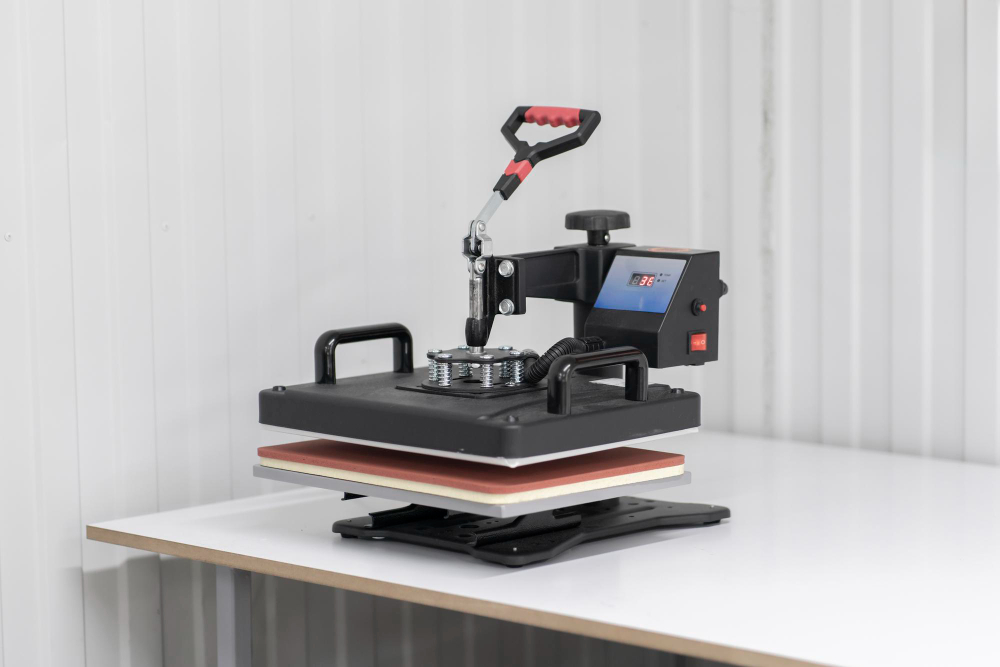
If you are getting started with custom shirts, mugs, or personalized gifts, learning how to use a sublimation heat press correctly is one of the most important skills to develop. The right combination of sublimation paper, heat, pressure, and time can turn an ordinary blank into a bright, professional-looking product. The process may seem complicated at first, but once you understand the basics, it becomes much easier. Whether you are choosing the best sublimation heat press, experimenting with sublimation paper for shirts, or learning about Sublimation HTV, this guide covers the essential settings and techniques you need.
What Is a Sublimation Heat Press?
A sublimation heat press machine uses controlled heat and pressure to transfer sublimation ink into polyester materials or specially coated blanks. Unlike traditional vinyl, sublimation ink becomes a gas under high heat and bonds with the material, creating a lightweight and durable design. This is why a good heat press for sublimation needs accurate temperature control and even pressure across the entire design.
For polyester shirts, a common starting point is around 374–400°F (190–204°C) for about 40 seconds, although the correct setting depends on the machine, blank, paper, and ink. Current HTVRONT guidance, for example, lists 190°C for 40 seconds for sublimation paper on suitable polyester materials.
Before pressing, prepare your material carefully. A quick pre-press can remove moisture and wrinkles, while heat-resistant tape can keep the transfer from moving during the pressing. HTVRONT currently recommends pre-pressing fabric for 3–5 seconds and testing materials before starting a final project.
Choosing Sublimation Paper and HTV
Sublimation paper is specially coated to hold sublimation ink and release it during the heat-transfer process. Ordinary printer paper is not designed for this job, so using proper sublimation paper can make a noticeable difference in image quality and ink transfer. Options such as A-SUB sublimation paper and HTVRONT sublimation paper are commonly considered by crafters, but compatibility with your printer and ink should always be checked before buying large quantities.
For sublimation paper for shirts, polyester or suitable polyester-rich garments are generally the easiest materials to work with. For sublimation paper for mugs, you need a mug or ceramic blank with a suitable sublimation coating and a press designed to heat the curved surface.
What if you want to sublimate onto cotton? This is where sublimation HTV vinyl becomes useful. A compatible clear sublimation HTV can provide a surface that accepts sublimation ink and can then be applied to cotton garments. HTVRONT’s current instructions describe using clear sublimation vinyl for cotton and recommend pressing the HTV first before transferring the sublimation design onto it.
Sublimation Heat Press Settings and Best Practices
Getting the sublimation heat press settings right is essential because too little heat or time can produce faded colors, while excessive heat can create other problems. Always treat manufacturer instructions as your starting point rather than assuming one setting works for every blank.
For many polyester sublimation projects, a useful starting range is:
- Temperature: around 190–200°C (374–392°F)
- Time: around 40 seconds
- Pressure: firm and even
- Transfer: secure with heat-resistant tape
HTVRONT’s updated guidance lists 200°C for 40 seconds for several sublimation applications, while its A100 guide lists 190°C for 40 seconds for sublimation paper.
If you are using HTV for sublimation, do not automatically use the same settings as ordinary sublimation paper. For example, HTVRONT recommends around 160°C for 8–15 seconds for one sublimation HTV application before transferring the sublimation print.
The best approach is to make a small test before producing the final item. Check the color, edges, adhesion, and overall appearance, then adjust the settings if necessary. This simple step can save both time and expensive blanks.
Conclusion
A sublimation heat press becomes much easier to use once you understand how temperature, time, pressure, and materials work together. Start with quality sublimation paper, choose a compatible polyester or coated blank, and follow the recommended sublimation heat press settings for your specific equipment. If you want to work with cotton, Sublimation HTV, including compatible sublimation HTV for cotton and clear sublimation HTV, can expand your creative options. With careful testing and consistent technique, you can produce vibrant, professional-looking sublimation projects with confidence.

