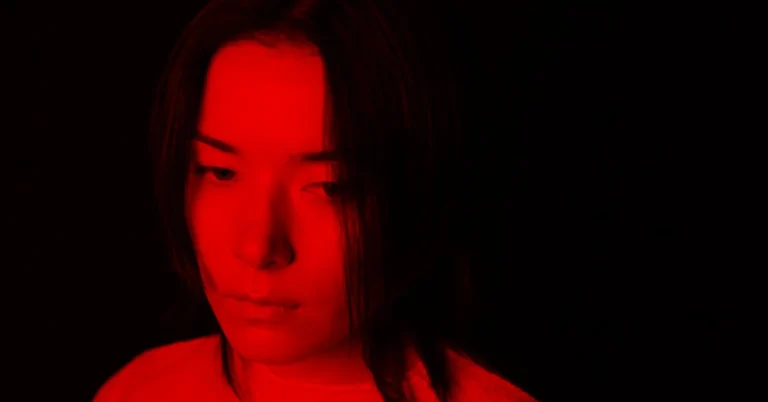
Rosalía is back with news of her next album. The follow-up to 2022’s Motomami is called LUX, and it comes out November 7 via Columbia. The Catalan pop star teased the record in billboards and posters around the world before confirming it in a TikTok livestream. No tracklist has yet been revealed, but you can check out the cover art below.
Last September, Rosalía teamed up with Spanish artist Ralphie Choo for the single ‘Omega’. Around the same time, she gave an update on her next album, telling High Snobiety, “It’s been a process. I’ve changed a lot, but at the same time, I’m still wrapping my head around the same things. It’s like I still have the same questions and the same desire to answer them. I still have the same love for the past and the same curiosity for the future.”
At the beginning of this summer, some friends and I took a beach trip to Charleston, South Carolina, where one night we went to a bar that simultaneously hosted a wedding afterparty and was partially walled off to anyone not invited. We squeezed in between southerners and the man I was sitting next to started flirting with my friend, who promptly asked who he voted for. “Donald J. Trump,” he replied, and my friend immediately started arguing with him. He turned to me, and I said, “I’m sorry, I don’t really want to talk to you.” He went back to arguing.
I said what I said mostly because I wanted my night to go a certain way, and my plan didn’t involve arguing about politics (unless my friends wanted to). I was having a good time, and I wanted to talk to people from Charleston who I’d get along with, like a different man next to me in a Kacey Musgraves shirt who was quizzing me about Bon Iver and Saya Gray. But I didn’t mean I never wanted to talk to the Trump voter — I feared that by shutting him down completely, I played into his stereotypes of an opponent: close-minded, only wanting to stay in my information bubble. Plus, I can admit it was sort of rude to literally turn in my seat so that he couldn’t speak to me. I had severed this line of communication and widened the gap between our politics by refusing to engage in a conversation that had a (minor) possibility of understanding each other. But then again, he and my friend argued for a long time after that, and neither of them, I could tell, changed each other’s minds.
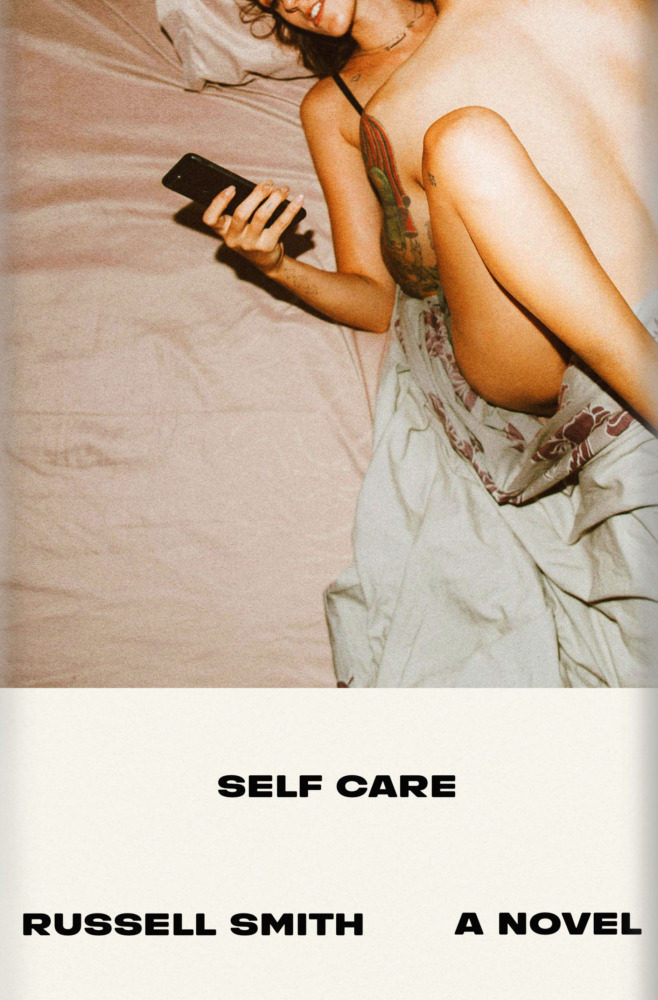
Should you befriend a Nazi? That’s at the question of Russell Smith’s provocative new novel, Self Care, where a digital writer named Gloria chats with a boy she sees at an anti-immigration rally under the guise of an interview for her column. Not to say that the Trump supporter I talked to was a Nazi, but Gloria’s Daryn might be — he’s with his misogynist buddies, wearing a badge that signifies his involvement within the movement. Gloria is convinced: this dude hates women. “That’s not what it means,” Daryn pleads, “That’s not what it’s about. We respect women.”
Despite their conversations, and the fact that they eventually have sex, Gloria is cynical that he isn’t, deep down, a bad person. He’s lurking on the forums and complains that women don’t pay him any attention: “If you have a small dick like me,” he’s written, “you are just never going to be confident enough to be able to approach a girl, which is hilarious, because you know she can’t see it, but you’re always aware of it.” Who knows if this is the product of intense manosphere podcasts or a debilitating self-esteem, but Gloria is curious about where these ideas started. She’s not without her knee-jerk reactions: she calls him a loser when he calls her beautiful. Their conversations are an exercise in excising a deep hurt in the heart of the contemporary man, and often radiate with an intense honesty. After a while, Gloria enjoys spending time with him, abandoning her article. She antagonizes him, teases that if he gets a girlfriend he’ll be kicked out of his misogyny group.
Even more curious is how he submits to Gloria when they’re having sex — he does what he’s told and he likes it that way, but refuses to talk about why that might be the case, lest his masculinity gets called into question. On top of that, it’s a far cry from what he’s posted online: “We are naturally dominant, and so it’s unnatural that women should be artificially given so much power over us and unnatural that we have to feminize our values and the values of the whole society.” What would the misogynists think if they knew one of their own was getting tied up and ordered around?
I’ve often wondered what pushes extremists towards their breaking point, at what time the fracturing of contemporary thought becomes such that we are pushed to hate women, hate men, hate minorities, murder people we don’t agree with. Self Care doesn’t have the answer, but at least it engages in a (yes, fictitious) dialogue with one of these men. Daryn is a person as well as a possible woman-hater. Smith says getting to know both of these separate personalities to see what’s underneath might be worth a shot.
Pokémon GO has just shared the full details for the upcoming Enchanted Hollow event. This latest offering is part of Niantic’s effort to keep the game fun. In particular, the new event will add two new characters. There are also many things to do in the game.
New Pokémon GO Debuts
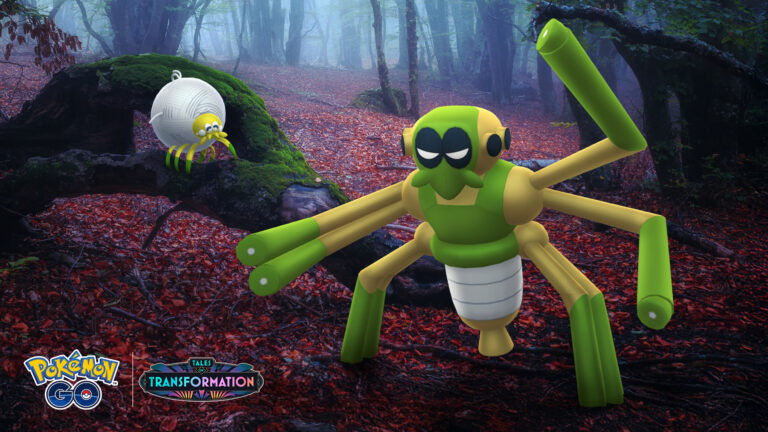
According to Niantic, the event brings in two new Pokémon in the popular title— Tarountula and Spidops. It will be their first appearance in the AR mobile game. The former is a String Ball Pokémon, while the latter is a Trap Pokémon. Players can also use 50 Tarountula Candy to change Tarountula into Spidops. Likewise, the addition of these two gives trainers new entries for their Pokédex.
Wild and Mossy Lure Encounters
Based on the official announcement, all players can get the chance to see event-themed Pokémon in the wild. The possible finds include Nickit, Paras, Stantler, and even Tarountula.
In the same way, the creators improve gameplay by boosting Mossy Lure encounters. Many characters will show up more often in Mossy Lure Modules. Specifically, these are Cottonee, Karrablast, Paras, Petilil, Shelmet, Stantler, and Tarountula.
For both Wild and Mossy Lure encounters, every player has the chance to see a shiny one.
PokéStops and Event Bonuses
Along with the debuts and encounters, PokéStops will be decorated, said the team. Particularly, these locations are going to have event-themed forestry patches.
At the same time, joining the event lets players get bonuses. The rewards are as follows:
Double XP for spinning PokéStops
Longer Lure Module time
Higher chance of finding Shiny Paras and Shiny Stantler
Raids, Field Research, and Collection Challenges
Niantic also said that raids are part of the Enchanted Hollow. In detail, players can face many Pokémon during these battles.
One-Star Raids
Paras
Stantler
Tarountula
Three-Star Raids
Drampa
Leavanny
Scolipede
Similarly, there will be Field Research tasks with encounters waiting in the end.
Cottonee
Drampa
Karrablast
Paras
Petilil
Stantler
Shelmet
On top of that, collection challenges are coming. Anyone who completes them will receive XP and Tarountula encounters.
Paid Time Research
As part of the latest event, trainers can try an exclusive Timed Research for $1.99. This task also has several rewards upon completion.
Availability and Important Reminder
Pokémon GO’s Enchanted Hollow event runs from Tuesday, November 4 (10 AM) until Sunday, November 9 (8 PM) local time. In just a couple of weeks, trainers will experience the week-long celebration to hunt Tarountula or grind for XP.
Meanwhile, all players are reminded to stay safe and follow rules for a smooth gaming experience.
From plant-based feathers to seven-year-olds playing the violin to the most controversial creative debuts, Paris Fashion Week SS26 was yet another reminder that France and fashion will always share the same capital. Not just because of the city’s craftsmanship but also because of its creatives’ approach to the art surrounding it. After merging these two, here are our top 5 highlights.
Do you dare enter, the house of Dior? Written in a giant screen pyramid in the middle of the runway, this was the first thought we absorbed in Jonathan Anderson’s debut for Dior. The creative teamed-up with filmmaker Adam Curtis to open with a video that revisited the house’s highlights, including Christian Dior himself. Anderson celebrated the ones who came before and took the courage to claim his own place in a storied house seconds later.
For his first ready-to-wear collection under the Maison Margiela name, Glenn Martens placed an off-key orchestra of sixty-one children, aged seven to fifteen, on the runway. The raw unrefined sound of Beethoven, surprisingly echoed the house’s character of imperfection and tradition of finding beauty in harshness.
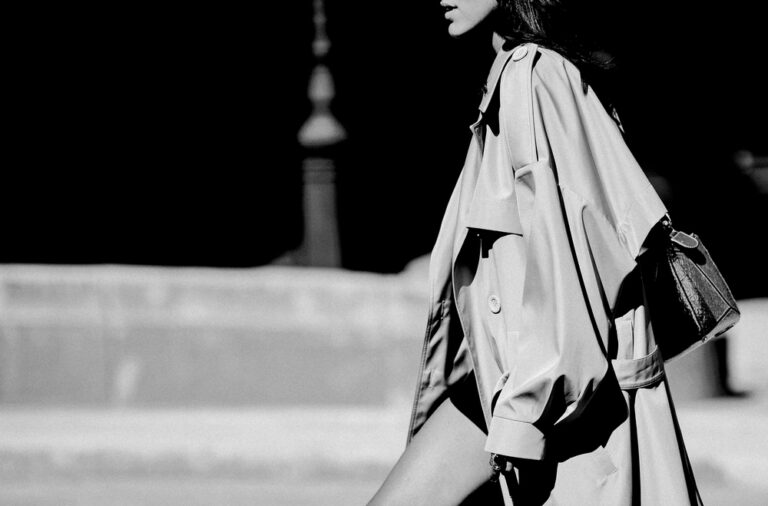
The most surprising appearance of the week was also the most polished. Meghan Markle attended the Balenciaga show, once again wearing a custom Pierpaolo Piccioli piece. The Duchess chose to make an all-white entrance with a bold ground-touching cape layered over a white oversized button-down shirt and wide-leg trousers, which she paired with black pointed heels and a black clutch in hand.
Pierpaolo Piccioli made a walkman and a cassette player his weapon of choice for his debut at Balenciaga. Guests were eagerly unboxing the invitation, searching for clues about the house’s new collection, “The Heartbeat”, only to hear a literal heartbeat. The sounds of the tape merged with the quickened pulse of the guest list, building a rhythm of suspense.
At Maison Margiela’s catwalk, Glenn Martens made sure the show’s beauty wasn’t about makeup. Models walked the runway with surreal mouthpieces, an avant-garde reference to the brand’s four stitch logo, creating the impression of walking puppets. A conversation between past and future, inviting us into Margiela’s story.
Muhseen Abdullahi has an underlying true confidence. It is the confidence of the fact that light is more than light. A designer by profession, he has discovered a design of life which possesses a different relation to things between use and beauty. The consciousness of the essence of light in all its developments is at a high point of fruition; the expression is organic, something more than light, some factor, some revolution of a substance, some feeling manifested by the quality of time and space in the perception of it. It is the awareness of the fact and therefore the method of his expression that makes his exhibition what it is.
To Abdullahi, light is never a mere phase of process technique. It is the substance in which to describe it. It is through light that sympathetic distribution and form are given to air, the substance in which the importance of the meaning is expressed. His work is a manifestation of pity and attitude of sympathy in that the process technique indicates the artistic perception. It does not forcibly impress itself. It patiently awaits. It is worth remembering after its departure because it does not compel remembrance — it commands it.
When a phase of light is presented to him, as has been exhibited in a deep feeling in his first expression of Christmas village lighting in Abuja, designed for the Transcorp Hilton, it gave a commonplace look to a public space a transubstantiation into something sentimentally evanescent. Incandescent light bulbs were hung and the forms gently glowed above the crowd heads and changed the air into something vital. The expression did not only decorate the space there — it was a new expression of it. It taught people to feel the thing. That particular expression made Abdullahi realise that light is not something to be seen at — it is something to be perceived.
In Great Britain this idea grew. Abdullahi, at Castle Park Arts Centre in Cheshire, designed light where the light related to art and did not overshadow it. Exact track lights and linear battens gave texture and tone in subtlety, allowing tranquillity to exist by nature. The result was stillness, but not sterility. This was gaining growing confidence and that maturity which tells one to act with restraint. It was elegant, minimal, and intentional. It was quietness of brilliance.
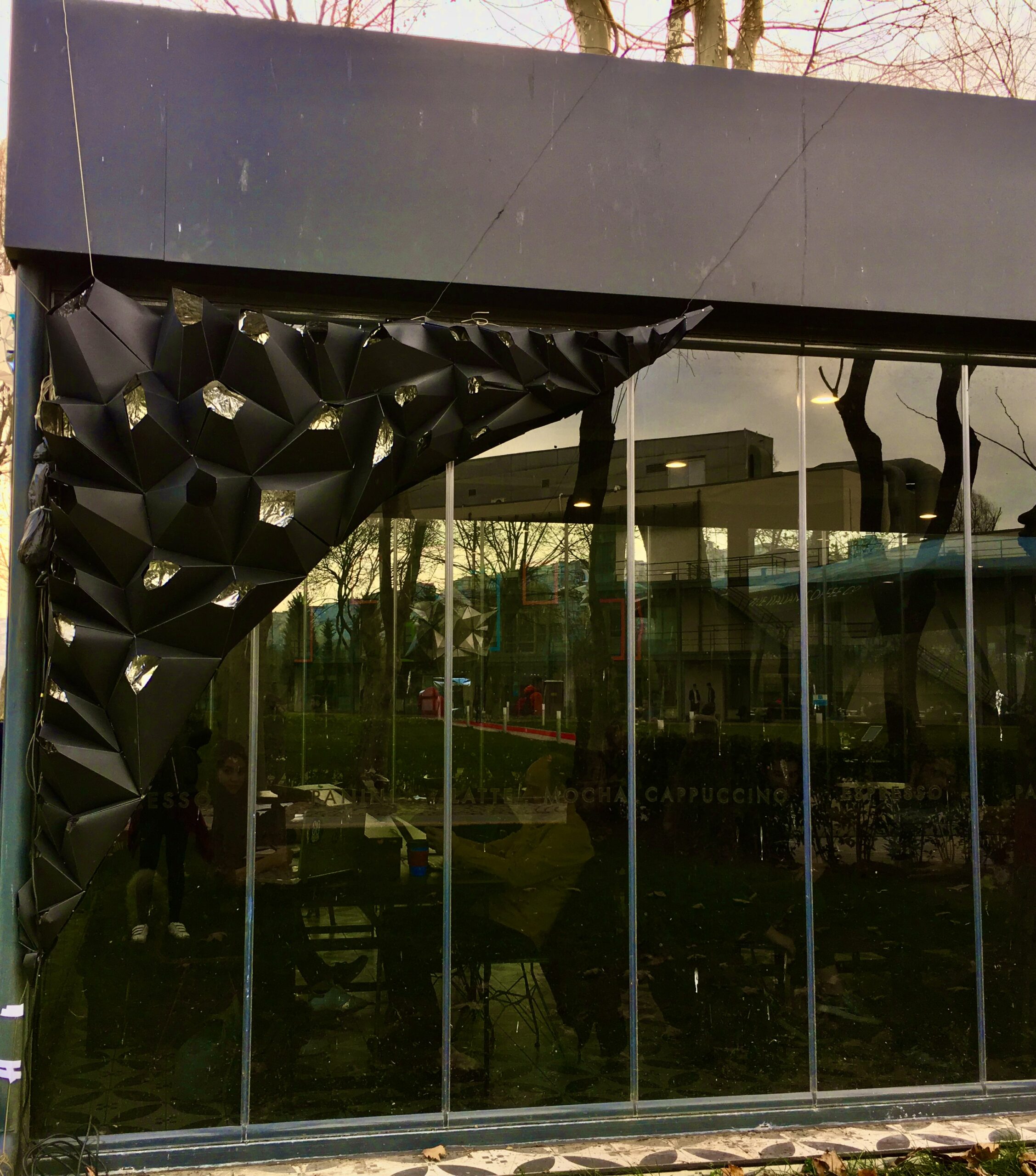
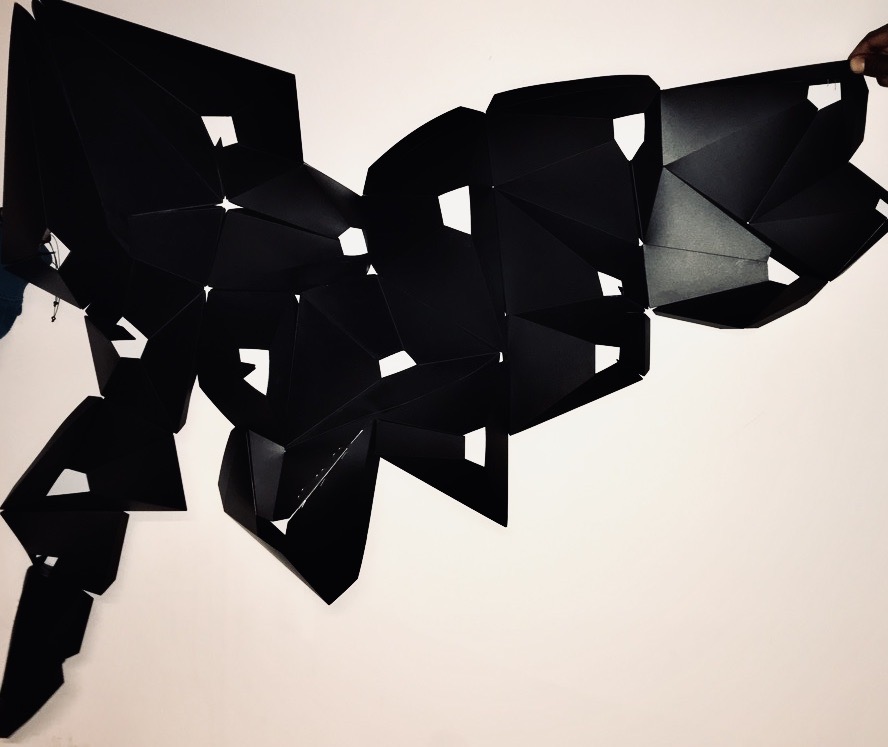
His Sensory Architecture: Light and Sound Interaction installation pursued that ethos. Created during his study at Istanbul Bilgi University, it considered geometric forms, sound, and light as modifiers of perception. It consisted of triangular modules, illuminated by LEDs, which in virtue of their being invited people to conceive space as something breathing, reactive, alive. It was, but not noisy. It was precise yet emotional, analytical and poetical. It demonstrated Abdullahi’s rare sensitivity to produce something naturally technical which was deeply human.
This proves also on a grand scale in the Nasarawa Technology Village Project in Nigeria. Here, as Chief Lighting Designer, Abdullahi has evolved a lighting masterplan on a new estate. This was not pure function, but identity. The feeling and practical were fused in the design, where a harmonious lift of visual rhythm was set forth to interlink street, house, and public fenestration. This was light as infrastructure — yet again, language. The project was national in its congratulations and worth commendation for its balance of sustainability, its emotion, and its vision.
Other creations, like the City Gate EU Day Installation in Abuja and London offices on Ganton Street and Southwark Street, still propound that same search of subtlety. They show consideration of proportion, softness, and human presence. Abdullahi finds tranquillity in purely functional spaces. Unity is produced where most would prefer utility. Abdullahi’s light is sculptured, not placed thus. He designs for human habitation internally, not externally observed.
Abdullahi’s technical mastery of the tools — Dialux Evo, Relux — generates precision, but that is concurrently as fundamental for emotional purposes. It is never cold. Structure in the interest thereof of soul. Light hence becomes an instrument of composition of atmosphere, a little mathematics of comfort. Not relying on extravagance or difference, he finds the appropriate temperature, the relevant tone, tone, and rhythm. His work is regulated, honest, emotionally true. Hence, in the place of novelties, the adequacies are celebrated. That which gives his method its justification is its honesty. Fame and spectacle are not striven for. Limitation, humility, and real concentration.
What he is concerned with is how light in virtue may not be natural but considered sympathetic. All his projects, great or small, are conceived by starting with that premise: how can light connote a link between spaces and people? This is the question which enables the consistency of his work. Hence every experiment bears of itself the physical coherence of being a part of a sounding board of a larger discussion — that between art and architecture, structure and soul. Abdullahi’s conception is simple, but profound. He does not make illumination merely in order to reveal form, but illumination which gives form. His work does not imitate grandeur; it, on the other hand, sustains it.
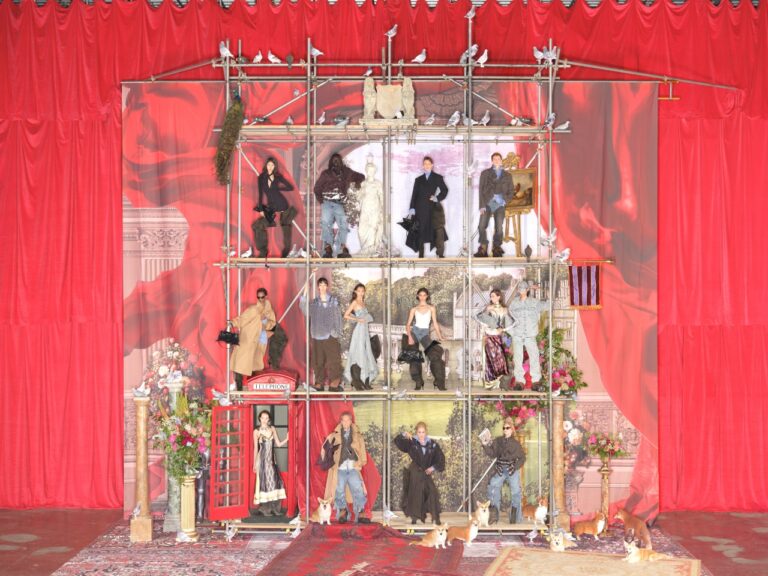
Fast Fashion’s Swedish leader H&M has announced Glenn Martens, former creative director of Diesel and Y/Project and recently of Maison Margiela, as its new guest designer. While this unexpected collection drops on the 30th of the month, we already took a peek and there’s a lot to say.
H&M has shown its dedication to blending high-fashion with accessible style before with countless creative partnerships, but bringing Martens on board means bringing his unique perspectives that challenge fast-fashion alongside. This time the collection goes beyond creating wearable pieces. It’s all about offering a glimpse of innovation that is usually reserved for the runway. We like to look at it as proof that H&M is positioning itself as a label that is willing to offer its audience a taste of bold, elevated streetwear design, at a price point that is inclusive and approachable.
Photo credit: H&MPhoto credit: H&M
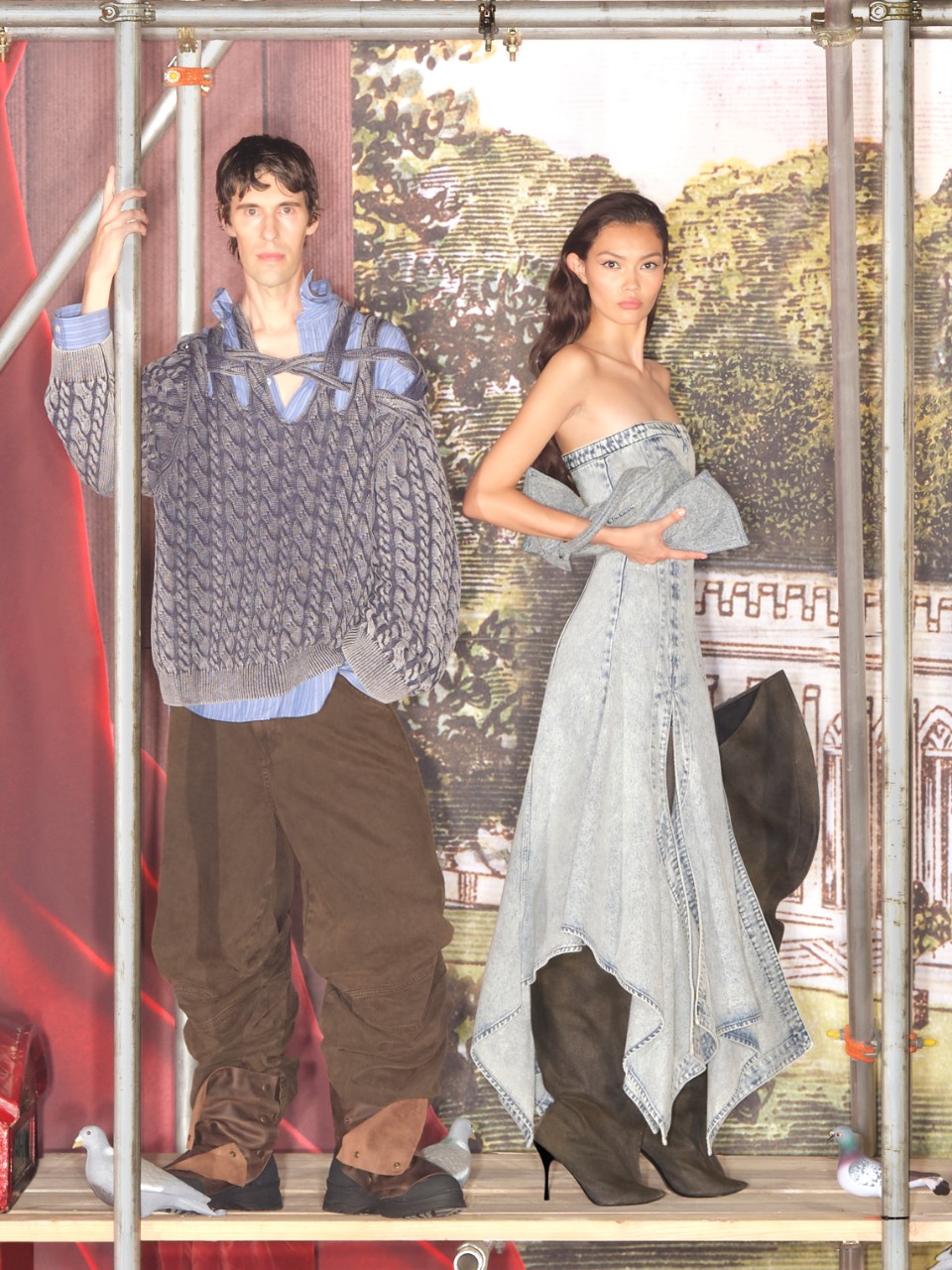
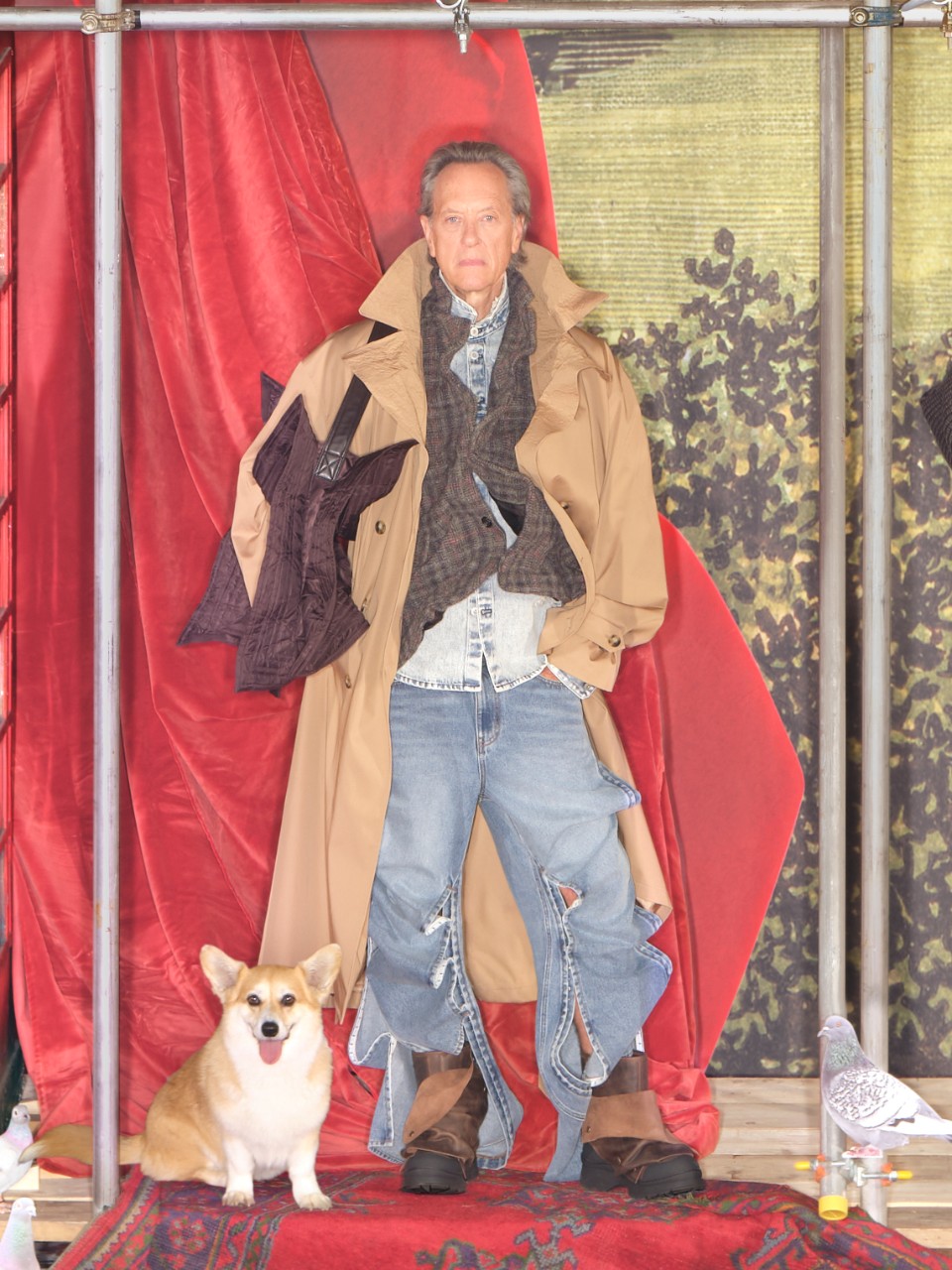
With a nod to his Y/Project heritage, Martens delivers deconstructed silhouettes, Gen Z approved patterns, oversized tailoring, broken down knitwear, giant slouchy boots and an everything-denim philosophy. The collection mixes muted tones with hints of popping color, exploring the contrast between structured suiting and fluid fabrics, layered in unforeseen combinations that feel intentionally refined.
After going through the H&M archive and putting Martens’ signature on it, this collaboration makes us look beyond the hanger. We see it as a statement of the evolving role of fast-fashion and a reminder that this can be exciting again. This is your open call to experiment, engage and rethink what approachable design can look like.
Culture has never been confined by geography, and nowhere is this more evident today than in the world of video games. Once dismissed as a niche hobby, gaming has become one of the most powerful cultural bridges of the 21st century. Online communities, global releases, and cross-cultural storytelling have created a shared space where players from vastly different backgrounds can connect, collaborate, and compete.
Language as a Gateway, Not a Barrier
One of the most striking aspects of modern gaming is how it challenges the idea that language is a barrier to enjoyment. Titles such as Ghost of Tsushima, its sequel Ghost of Yotei, and Silent Hill f demonstrate how players are increasingly embracing games in their original languages. Many choose to experience Ghost of Tsushima with Japanese voice acting and English subtitles, immersing themselves in the rhythms and cadences of the culture it depicts. Similarly, Silent Hill f, set in 1960s Japan, is designed to be played with Japanese dialogue, offering authenticity that resonates across linguistic divides.
This willingness to engage with games in their native languages reflects a broader shift in global entertainment. Just as international cinema and music have found mainstream audiences without needing to conform to English-language norms, games are proving that emotion, atmosphere, and storytelling transcend words. Players are not deterred by subtitles; instead, they see them as a bridge to richer, more authentic experiences.
Shared Worlds, Shared Cultures
Beyond individual titles, online gaming communities have become spaces where language differences are negotiated in real time. Whether collaborating in Fortnite, competing in League of Legends, or exploring vast open worlds in Final Fantasy XIV, players often communicate through a mix of text, voice, and even non-verbal cues. Emotes, pings, and visual signals allow for collaboration that bypasses linguistic boundaries, creating a kind of universal gaming shorthand.
Esports has amplified this phenomenon on a global stage. Tournaments in Seoul, Los Angeles, or Berlin attract audiences of millions, many of whom follow the action regardless of the language of commentary. The spectacle itself becomes the common language, uniting fans in shared excitement.
Global Exchange and Evolving Leisure
The games industry thrives on cultural exchange, with ideas and innovations travelling as freely as the players themselves. Japanese studios have long shaped the design of Western role-playing games, while European indie developers have pioneered mechanics later adopted by American giants. This constant cross-pollination ensures that no single region dominates the creative landscape; instead, gaming evolves as a global dialogue, enriched by diverse perspectives and traditions.
This interconnectedness extends beyond design into the ways societies approach leisure itself. In South Korea, high-tech esports arenas draw crowds comparable to major sporting events, while in Europe and North America, competitive gaming has become a mainstream spectacle. At the same time, conversations about recreation increasingly reflect regional attitudes towards regulation and cultural norms, from the booming esports infrastructure of Seoul to the growing interest in a casino in UAE, which illustrates how globalisation is reshaping not only how we play but also how we frame leisure within society.
Together, these trends highlight how gaming is no longer confined to consoles and PCs but is part of a broader cultural conversation. The blending of design influences and evolving leisure practices demonstrates that play is both a creative and social force, capable of bridging borders and reflecting the shifting values of a connected world.
The Power of Play
Ultimately, the globalisation of gaming is not about erasing differences but celebrating them. A teenager in Manchester might spend an evening immersed in a Japanese horror game, team up with Brazilian players in an online battle, and watch a South Korean esports final, all in the same week. Each of these experiences adds a new layer to the shared cultural fabric, reminding us that creativity and connection are at their most powerful when they travel, transform, and unite.
Far from being a barrier, language in gaming has become a gateway, an invitation to step into another world, to hear its voices, and to understand its stories on their own terms. In doing so, games prove that play is a truly universal language.
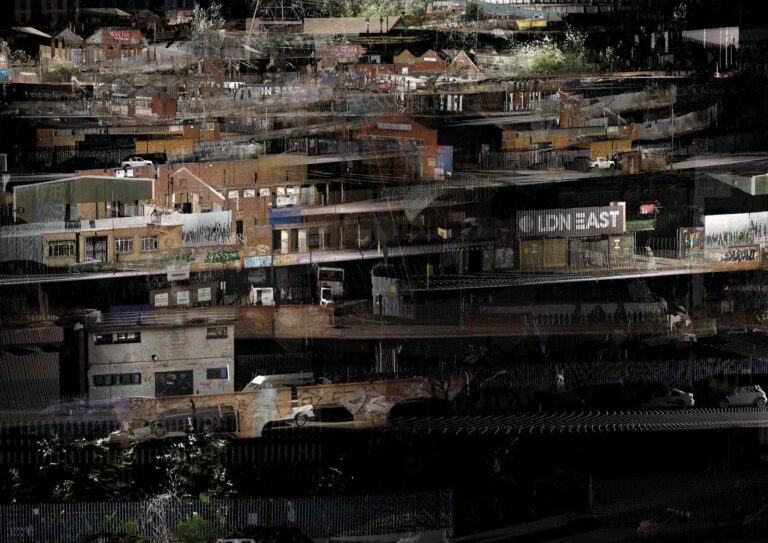
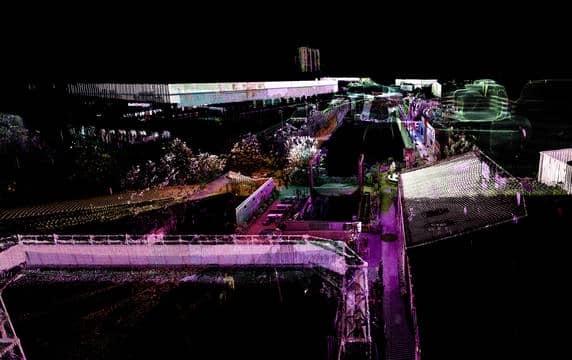
The through-line of Peiyan Zou’s practice is neither material nor a typology but a way of seeing a computational gaze that treats LiDAR not as a survey instrument but as a cultural medium. Across city landscape, architecture, interiors, and time-based art, Zou turns point clouds into arguments about perception: how measurement becomes image, how error becomes form, and how machine vision can widen the moral and imaginative range of creation. A London based artist designer and researcher, he has been recognised with the RIBA Donaldson Medal, the Bartlett Medal, and the Fitzroy Robinson Drawing Prize. He works at the seam between technical exactitude and poetic disturbance.
Zou says: “I try to use LiDAR’s so called ‘errors’ rather than fix them. The variety in my practice from objects, interiors, and architecture comes from one aim: exploring a more universal, future adaptable method of creation, where machine vision is part of the toolkit.”
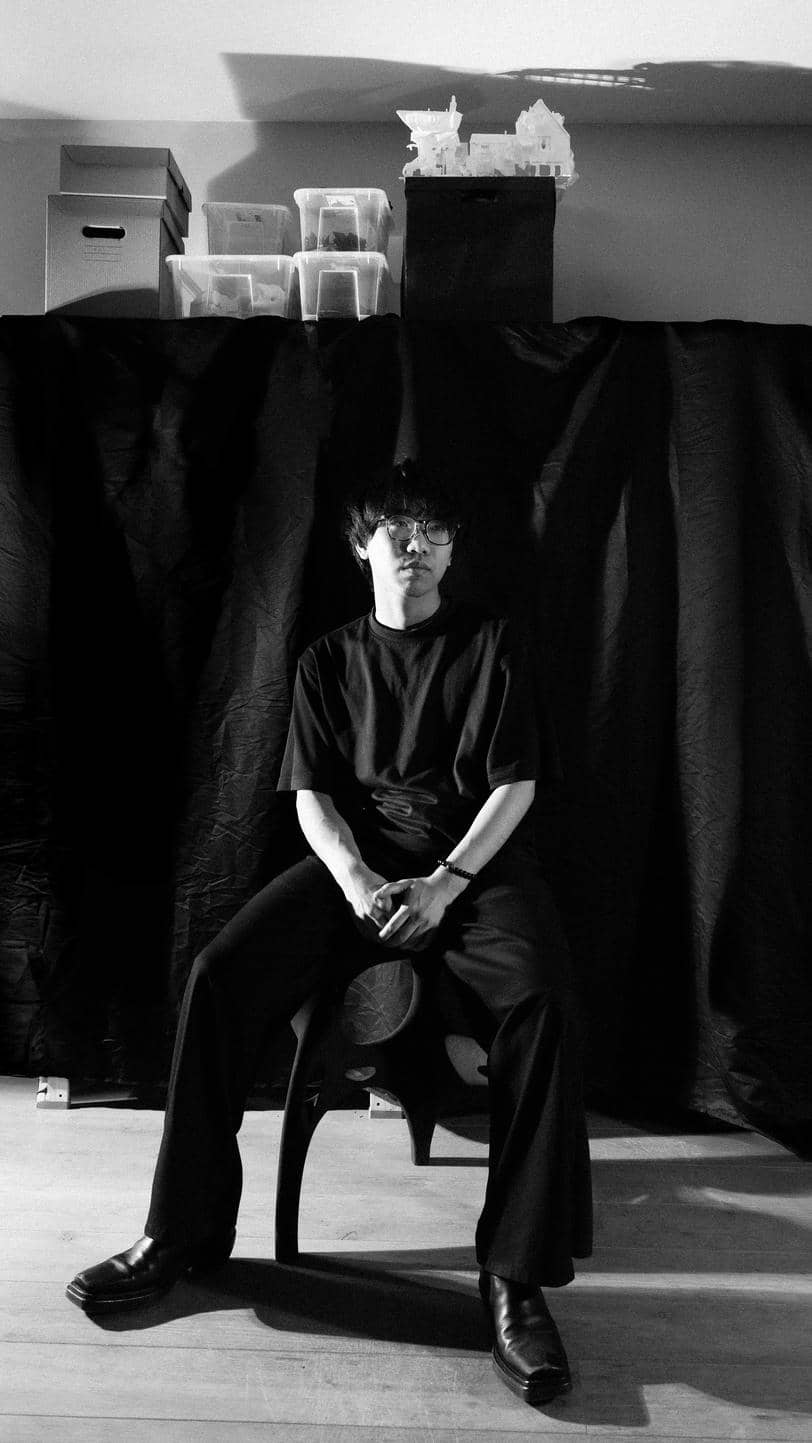
Peiyan Zou in his studio, seated on Coccyx— a piece he designed for Wedge’s Epoch I collection
Architecture: From “As-Sensed” to “As-Built”
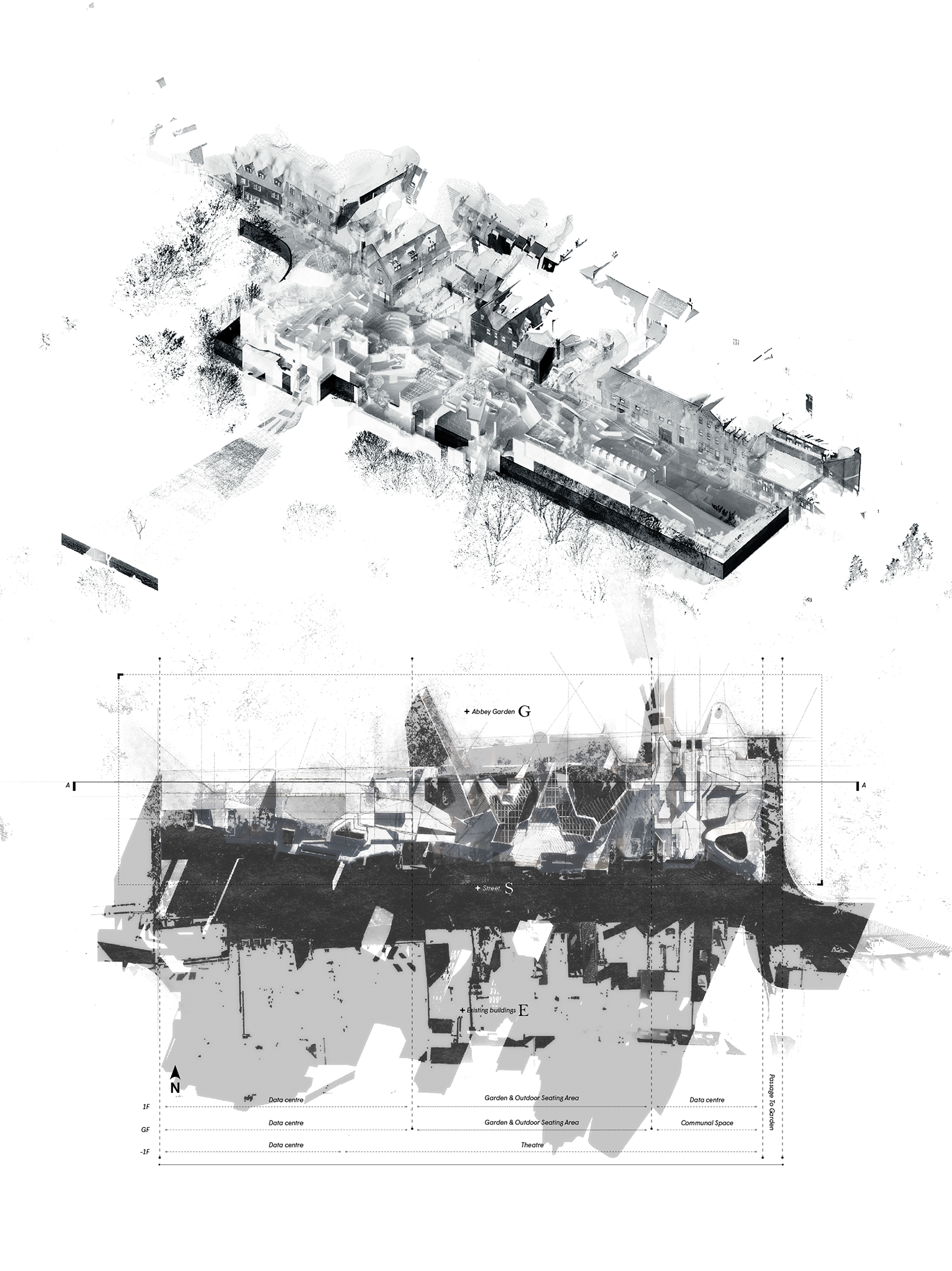
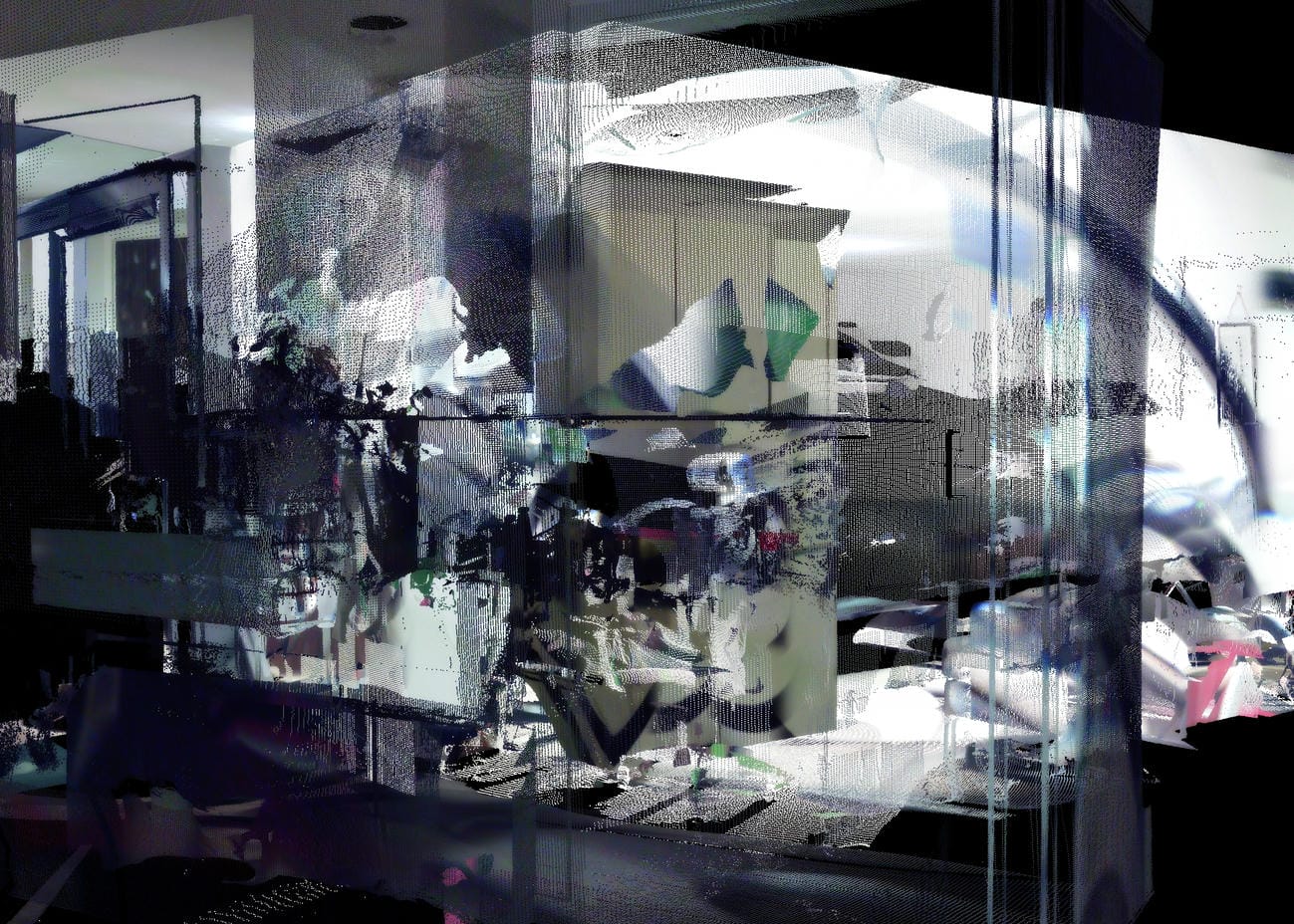
Zou’s LiDAR driven research into architectural and urban perception follows a clear arc. It begins with early student projects, moves through the AIA New York hosted PlanScapeArch Conference 2024 keynoted by Iain Macdonald, and extends into the context of the 2025 Venice Biennale. Here, LiDAR is recast not as a street “capture” device but as a medium for expressing urban uncertainty: occlusion, motion blur, and spectral drift, the very phenomena that conventional pipelines try to erase. Rather than sanitise them, Zou keeps and activates these traits, letting confidence scores and imaging artefacts drive sensing and volumetric reconstruction. The result is an as sensed urbanism that treats noise as civic information, not computational waste.
In Peter Cook’s studio, most visibly on the Serpentine × LEGO 2025 project and under NDA on Saudi commissions, Zou has been the quiet engine behind customised parametric toolsets. As Architectural Designer, he turns concepts into actionable geometry and feeds the results back into the design loop, working at the boundary between workflow and authorship.
Recently he has extended this method to the digital twinning of Sir Peter Cook’s drawings. These are not simple copies but dynamic and interactive counterparts. In collaboration with Norwich University of the Arts on the Peter Cook Wonder Hub, Peiyan contributed to the interior exhibition design and integrated these twins into the spatial narrative. The result preserves the temperament of the originals while opening new modes of interpretation, including animated presentations, VR experiences, and live 3D models generated from 2D drawings. This work lays a clear pathway from pieces on the studio wall to a responsive computational platform.
Interiors: Performance as a Material
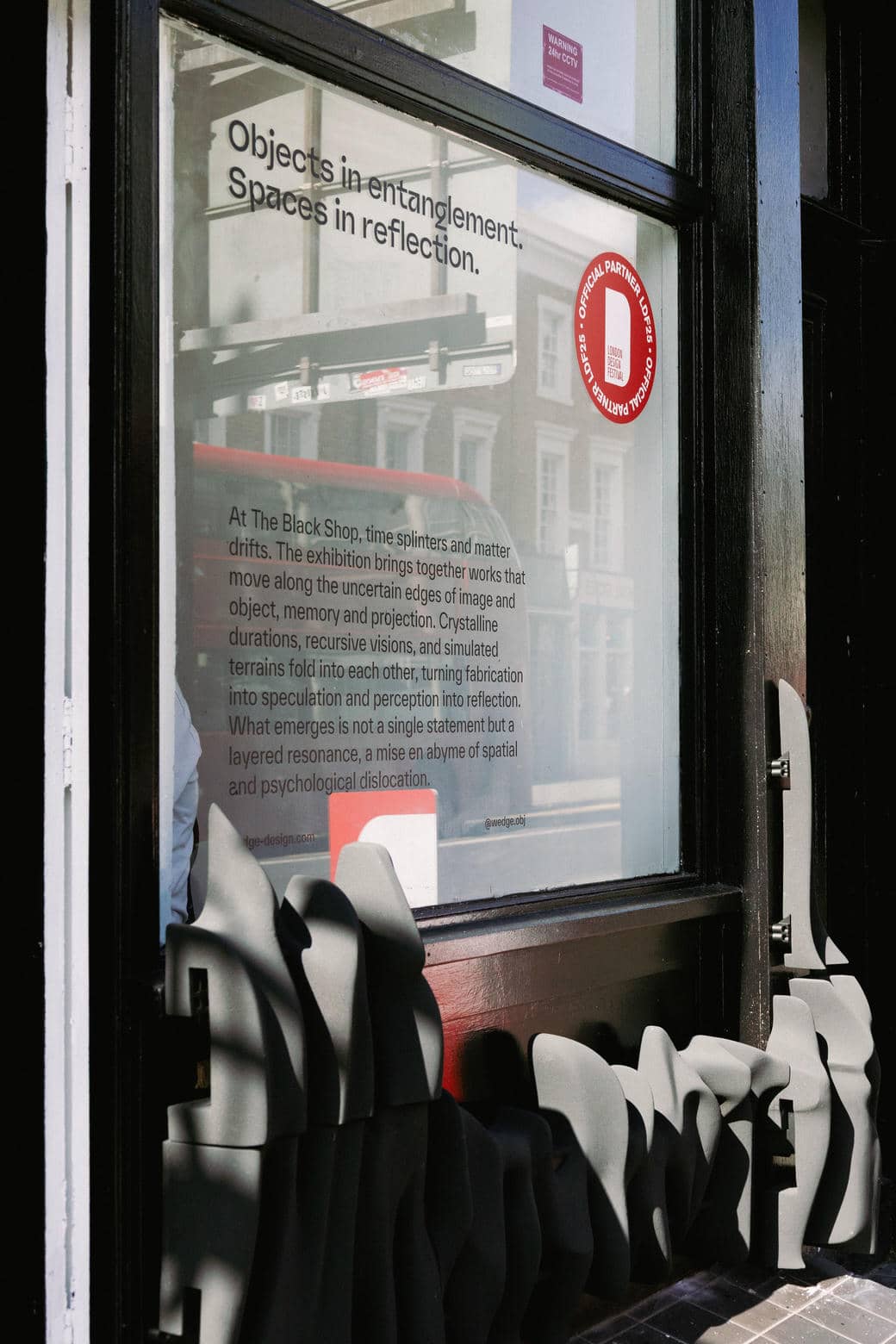
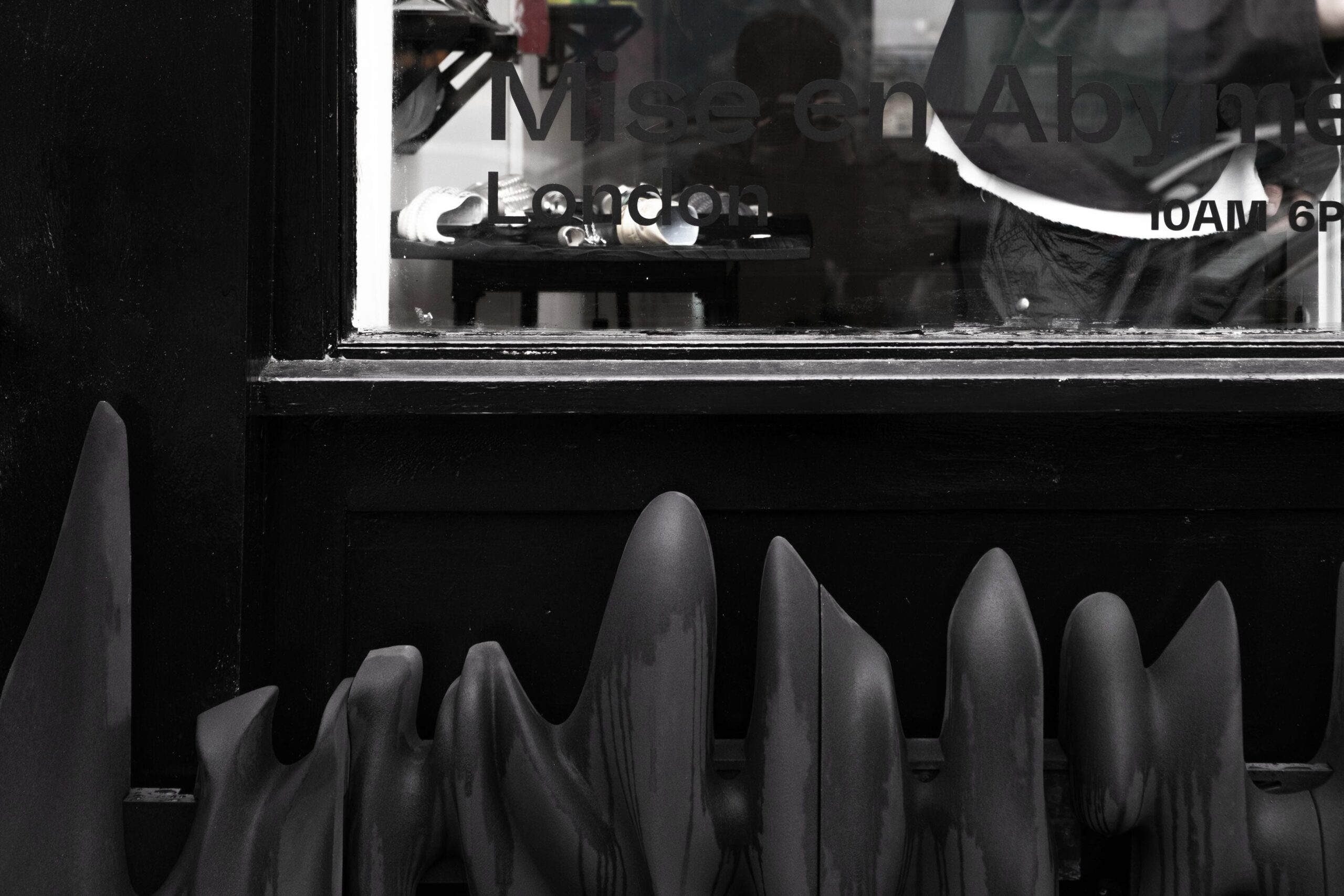
As Director and co-founder of Wedge, Zou translates scanning logics into inhabitable façade details and interior objects. He has built a generative toolkit in which LiDAR-based sampling seeds the form and surface behavior of furniture and cladding—a future-facing spatial experiment developed with Chinese manufacturers and labs rather than a parametric “style.” The medium is silica sand, 3D-printed with a biodegradable resin binder; the material can be disassembled and reused up to eight cycles.
“Imagine a chair at home,” he notes. “Two years later you return it to Wedge. We mill and sieve it, reload the sand, and reprint a table. Furniture stops being a fixed object and becomes geometry that adapts to need.”
This proposition is already in production. Wedge has launched market-ready pieces at 3daysofdesign in Copenhagen, at London Design Festival, and at Material Matters, and has delivered what is billed as the first mass-produced, silica-sand-printed furniture for a Swiss hotel client. ELLE Decoration UK recognised the strength of this approach and selected Wedge for an exclusive feature during London Design Festival, the only exhibitor to receive this distinction and to represent Material Matters. The studio is now scaling into more spatial commissions, including landscape components for a new project in Denmark and an experimental dining environment for a noted restaurant, with Zou treating Wedge as a multi-scalar playground. The stakes are clear: this reframes computation from prototyping myth to supply-chain reality, tying algorithmic authorship to durability, sustainability, and novel materials, while testing a bold commercial pathway for his machine-vision design methodology.
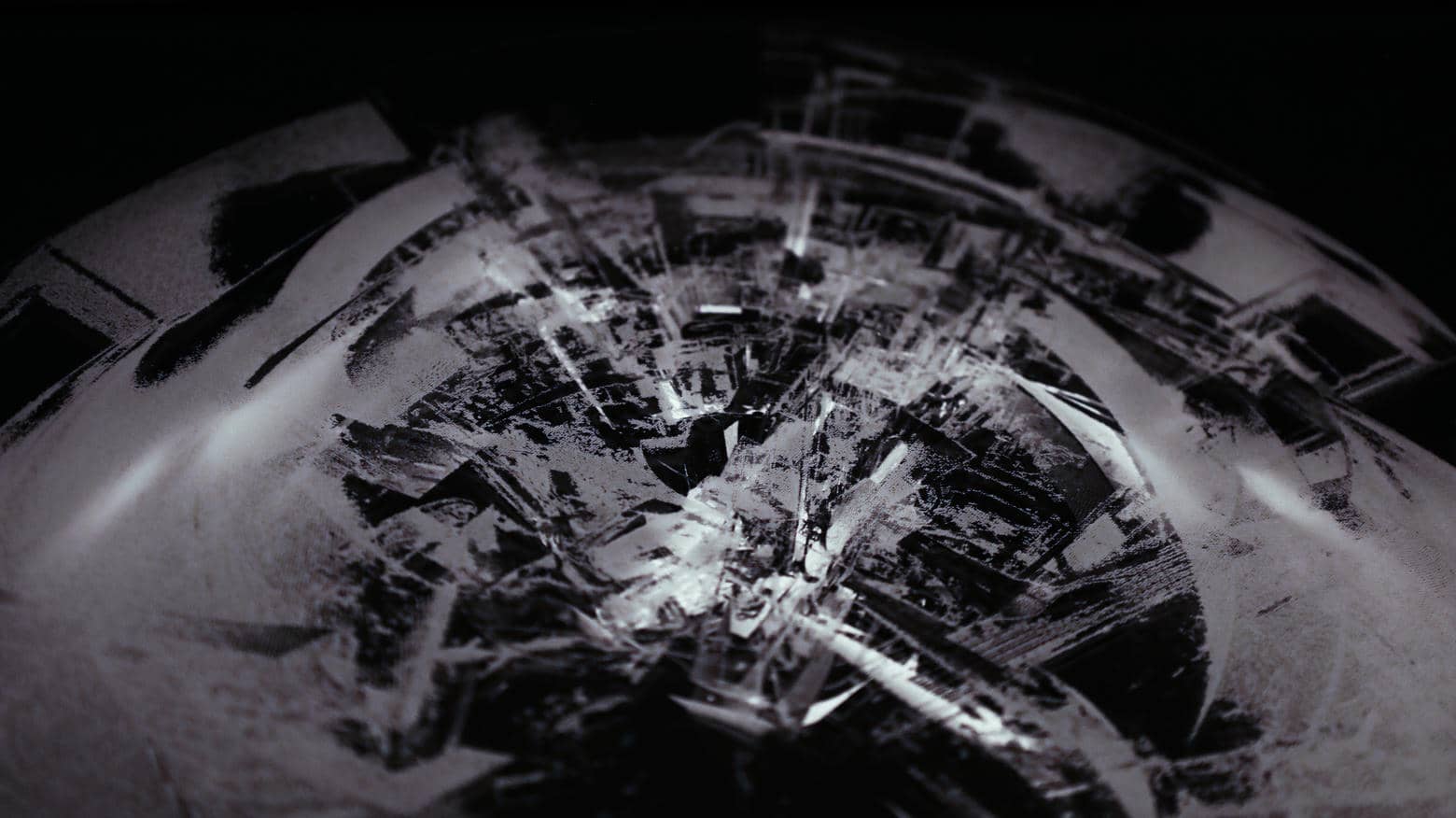
Zou’s artistic practice orbits the ethical dimension of machine vision. From the Peckham Rye Old Waiting Room to galleries in Hackney, he treats LiDAR point clouds as paint, as a photographic medium, and as a sculptural substrate. The data can be layered, abraded, and made to flow. His visual language of fracture, erosion, and apparition grows from a refusal to “correct” the scan. Errors are not edited out; they are inscribed as structure, implicating the viewer. If the machine looks for us, what do we still ask of the image? Moving between design and art contexts, the work declares a hybrid grammar that is both proposition and tool, much as painters once used the camera obscura to pursue realism.
“This isn’t a side project that wandered in from my architectural journey,” Zou notes. “My education at The Bartlett School of Architecture taught me to think about architecture from non-architectural angles. “I value not only the novelty of this method but its rigour. It is a way of working in which drawing, making, research, and experimenting strengthen one another.” Seen across venues, exhibitions, and collaborations, a clear picture comes into focus: an artist designer using advanced technologies to explore how we see and feel space, pointing toward futures that may be more posthuman in how they sense the world.
A Grammar of “Constructive Uncertainty”
What distinguishes Zou’s practice is his refusal to police the boundary between tool and medium. In architecture, LiDAR unsettles the authority of spatial measurement. In interiors, it choreographs encounters between the body and recyclable materials. In art, it stands in for the camera obscura’s pinhole and exposes our appetite for augmented vision. For him, technology is a grammar whose language shifts with context. That portability keeps the work singular without slipping into techno kitsch. His computational instruments—sampling, voxelisation, and error field transforms—stay legible whether scripting a façade, shaping a seat, or composing scan-based photographs.
The risks are real. Without a careful ethics of selection—what to keep and what to erase—the poetics of the artefact can slide into mannerism. Zou’s strongest works confront this directly and bind aesthetics to responsibility. Is a city sensed, and if so, by whom, under what conditions, and to what ends. When these questions are made explicit, the work’s beauty hardens into critique.
Peiyan Zou’s contribution is to reposition frontier technologies as civic instruments: tools that do not simply optimise workflows but reorganise how we attend to the world. He insists that computation carries a responsibility to perception, and his projects model a practice in which architecture, interior design, and art serve as three theatres for the same argument. When treated with care, uncertainty isn’t a flaw in our tools. It is part of the world we share. In this spirit, Zou’s LiDAR aesthetic is less about ever finer scans and more about a truer way of living in and with places.
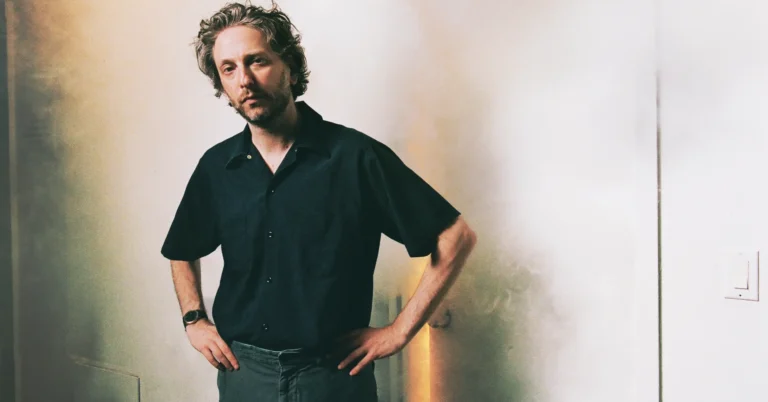
Margaret Sohn has returned with ‘Tourist Mind’, their first Miss Grit release since 2023’s Follow the Cyborg. “It’s about how curiosity for other people’s thoughts can slowly disorient you and make it harder to return to yourself,” they remarked. Listen to the swirling, atmospheric track below.
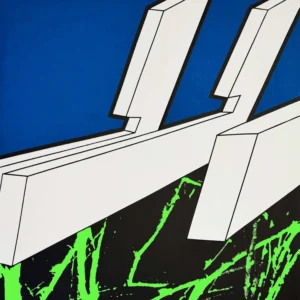
Oneohtrix Point Never has announced a new album titled Tranquilizer. The follow-up to 2023’s Again is set for release on November 17 via Warp. The album was inspired by Daniel Lopatin’s discovery of “a vast archive of ’90s sample CDs had vanished from the Internet Archive,” as well as a routine visit to the dentist. Today, he’s previewed it with three hypnotic instrumentals: ‘For Residue’, ‘Bumpy’, and ‘Lifeworld’. That last one also comes with a video that Lopatin directed himself. Take a listen and find the LP’s cover art and tracklist below.
“It’s a record shaped by commercial audio construction kits from a bygone era — an index of clichés turned inside out,” Lopatin said in a press release. It is a return to a process-oriented form of music making for me that I felt best evoked a certain kind of madness and ennui in the heart of culture today.”
Tranquilizer Cover Artwork:
Tranquilizer Tracklist:
1. For Residue
2. Bumpy
3. Lifeworld
4. Measuring Ruins
5. Modern Lust
6. Fear of Symmetry
7. Vestigel
8. Cherry Blue
9. Bell Scanner
10. D.I.S. 11. Tranquilizer
12. Storm Show
13. Petro
14. Rodl Glide
15. Waterfalls