LONG ISLAND CITY, NY. – Yang Collective presents “Handle with Ease,” a two-person exhibition featuring works by Davina Hsu and Shuyao Huang, on view January 15–February 5, 2026 at Yang Collective (24-20 Jackson Ave, STE 208, Long Island City, NY 11101). Curated by Yang Hsu, the exhibition brings together two distinct practices: Hsu’s rhythmic needle felting and Huang’s painting built through repeated lines, to consider a state of mastery in which repetition no longer reads as labor, but as quiet control. The exhibition’s opening reception drew a strong audience from New York’s contemporary art community, including collectors, curators, critics, and arts professionals, reflecting the great interest surrounding the artists’ practices.
The exhibition takes its cue from the Chinese idiom 游刃有餘 (yóu rèn yǒu yú), often associated with effortless precision: a level of skill so refined that complexity can be navigated with calm assurance. In Handle with Ease, that idea is translated into material terms. Both artists rely on sustained, disciplined gestures that accumulate over time, binding fiber into density, or layering marks into depth, until form appears less “made” than patiently revealed.
As a visual artist whose painting explores perception, color, and spatial construction through disciplined repetition and careful observation, Shuyao Huang’s paintings are built from a disciplined accumulation of gestures. Rather than relying on overt narrative or dramatic imagery, her works develop spatial complexity through repeated lines, measured pacing, and subtle tonal shifts. This approach gives the surface a quietly insistent presence: the longer one looks, the more the painting’s internal logic becomes apparent. Huang’s language is restrained but not static. Its energy comes from consistency and resolution, from decisions made and sustained across the canvas.
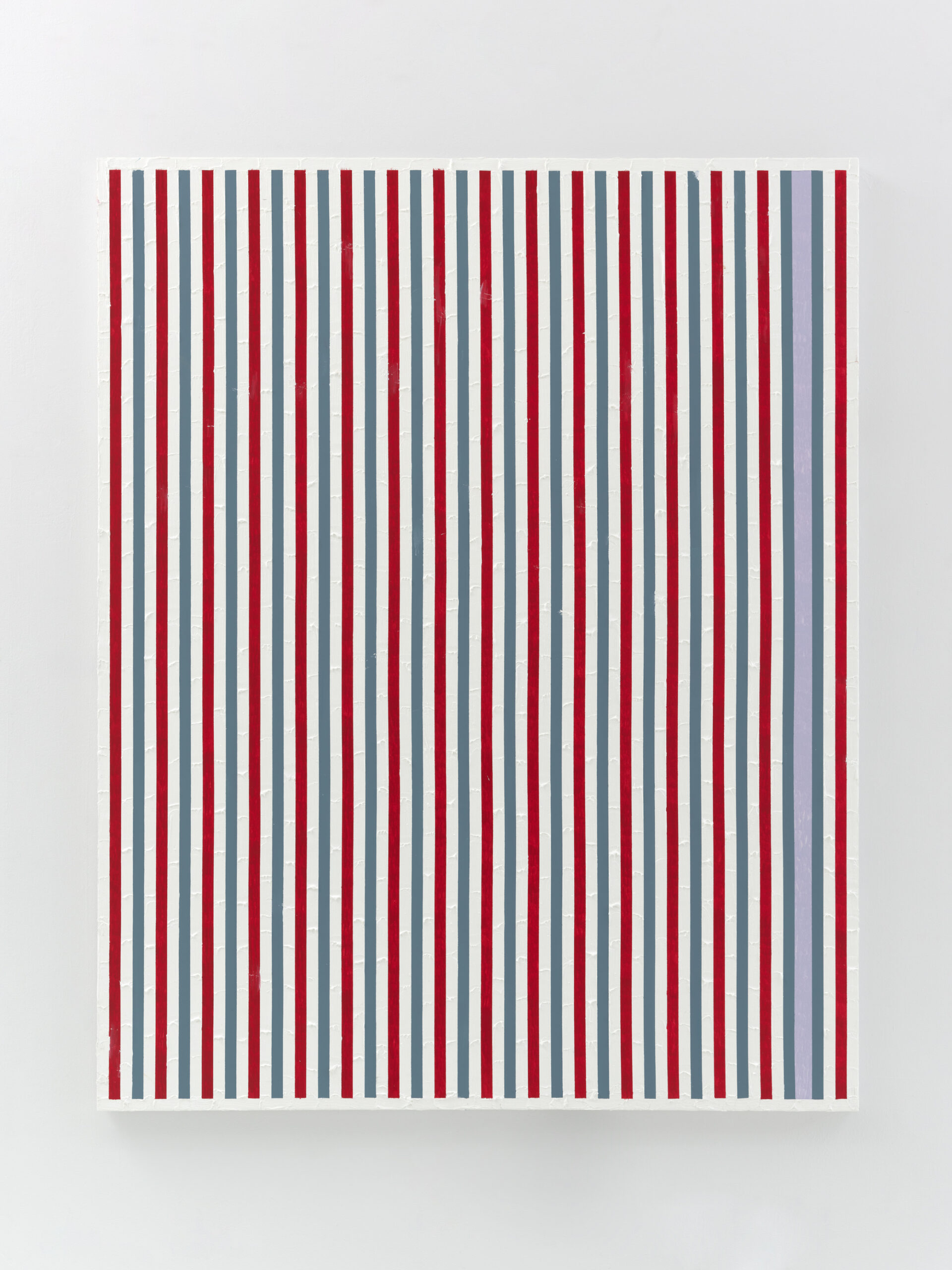
Photo credit: Elisabeth Bernstein
A key work in the exhibition, White Absent; Motion Present (2024), demonstrates Huang’s interest in how perception can be redirected through material hierarchy. In this painting, white is not treated as background; it is deliberately advanced as an active element through thicker, more tactile brushwork. By contrast, red and gray remain thin and translucent, allowing the white passages to hold the foreground and set the rhythm of the composition. The effect is subtle but persuasive: what might initially appear minimal becomes increasingly dimensional, as the viewer registers shifts in weight, texture, and depth created by the paint itself.
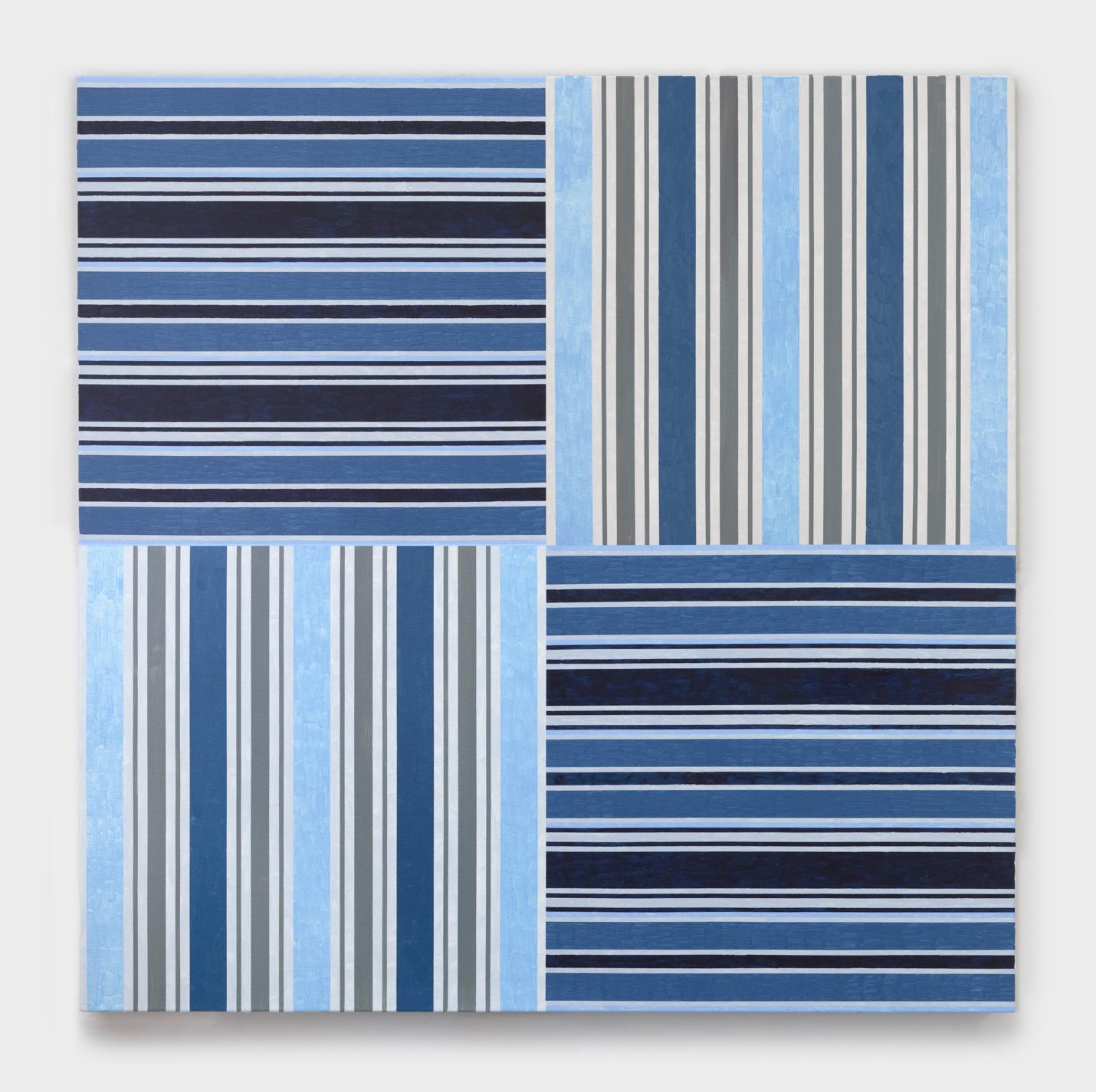
Photo credit: Elisabeth Bernstein
Another featured painting by Shuyao Huang, Temperature (2023), extends this investigation through the relationship between color, layering, and optical depth. Working in oil, Huang balances opacity and transparency to generate a sense of motion across the surface. The painting’s structure encourages sustained looking: forms and tensions appear gradually, as if the work reveals itself at the pace of attention.
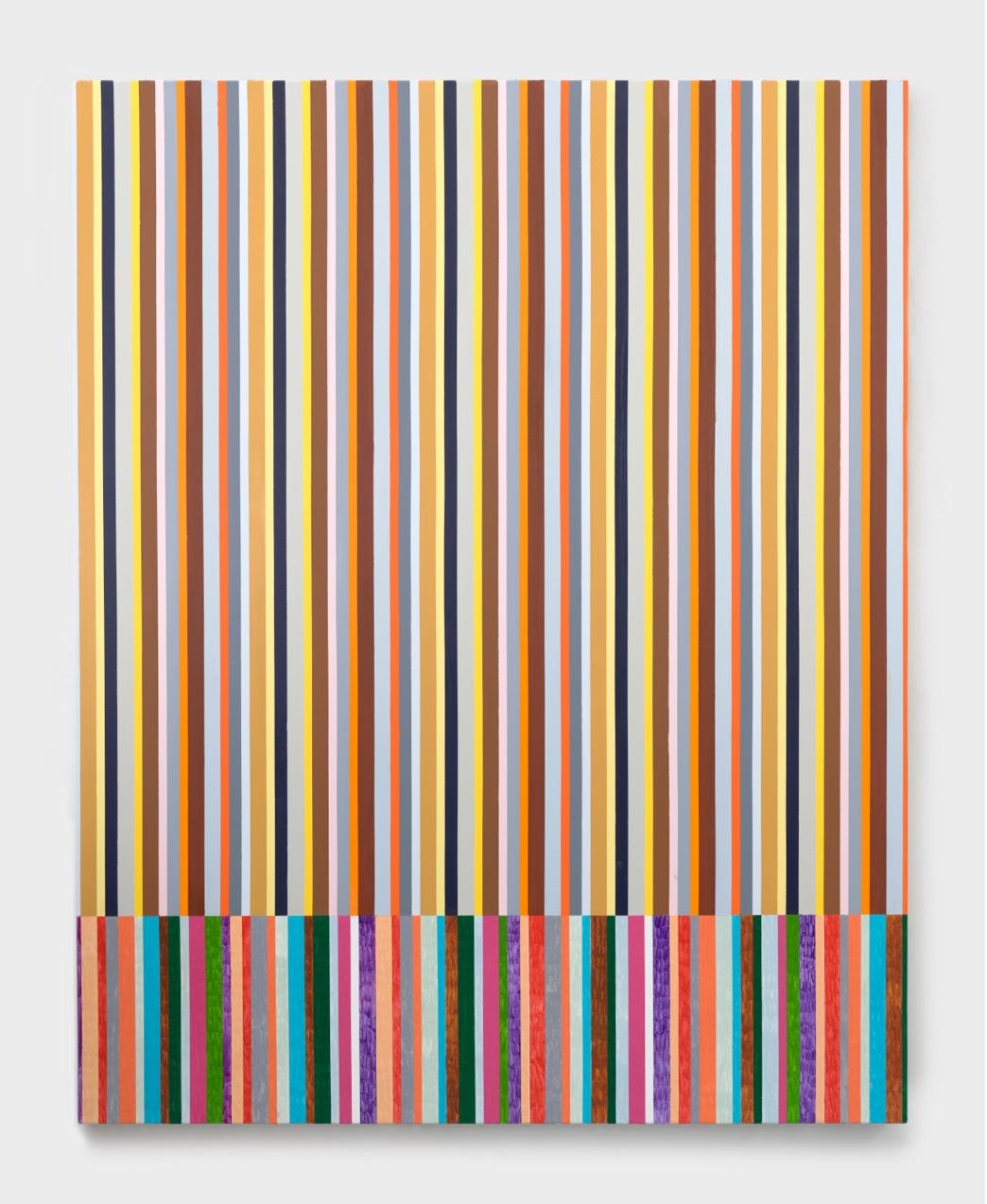
Photo credit: Elisabeth Bernstein
Shuyao Huang’s paintings in “Handle with Ease” articulate a nuanced understanding of space as something constructed, not illustrated. They show a painter attentive to how meaning can be carried by pressure, interval, and restraint—how a limited vocabulary, pushed with precision, can open a surprisingly expansive field. The exhibition’s quiet confidence lies in this exactness: Huang’s works do not overstate their claims, but they hold them steadily, with a clarity that feels earned.
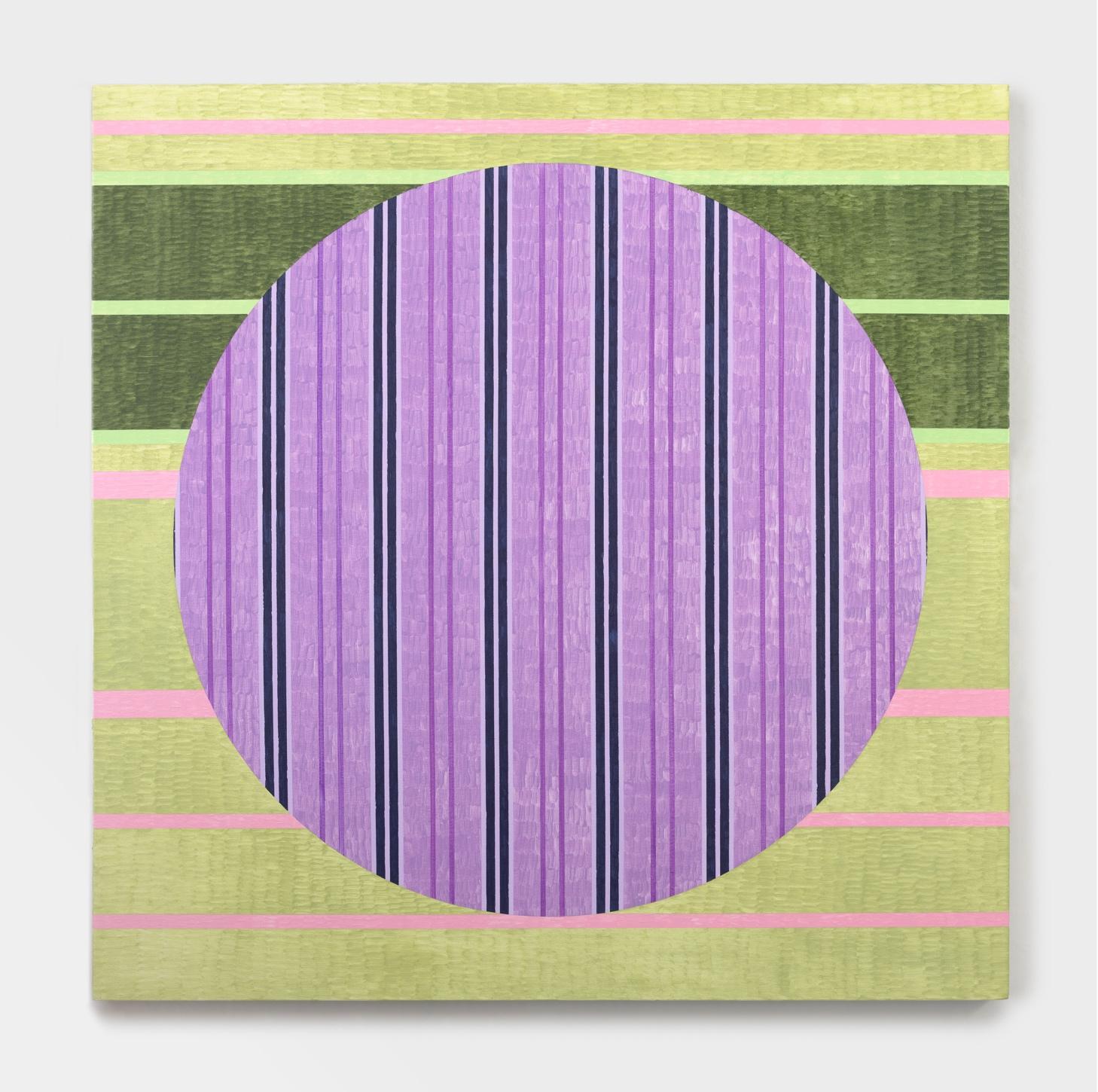
Photo credit: Elisabeth Bernstein
About Yang Collective
Yang Collective is a creative platform cultivating an art-centered community in Long Island City through workshops, exhibitions, and collaborative programs. Located a three-minute walk from MoMA PS1, it also offers consultation services in art collecting. Founder Yang Hsu is a USPAP-compliant art appraiser.