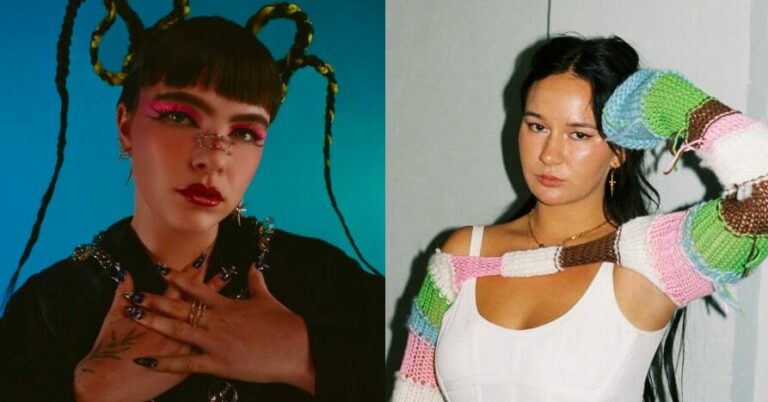
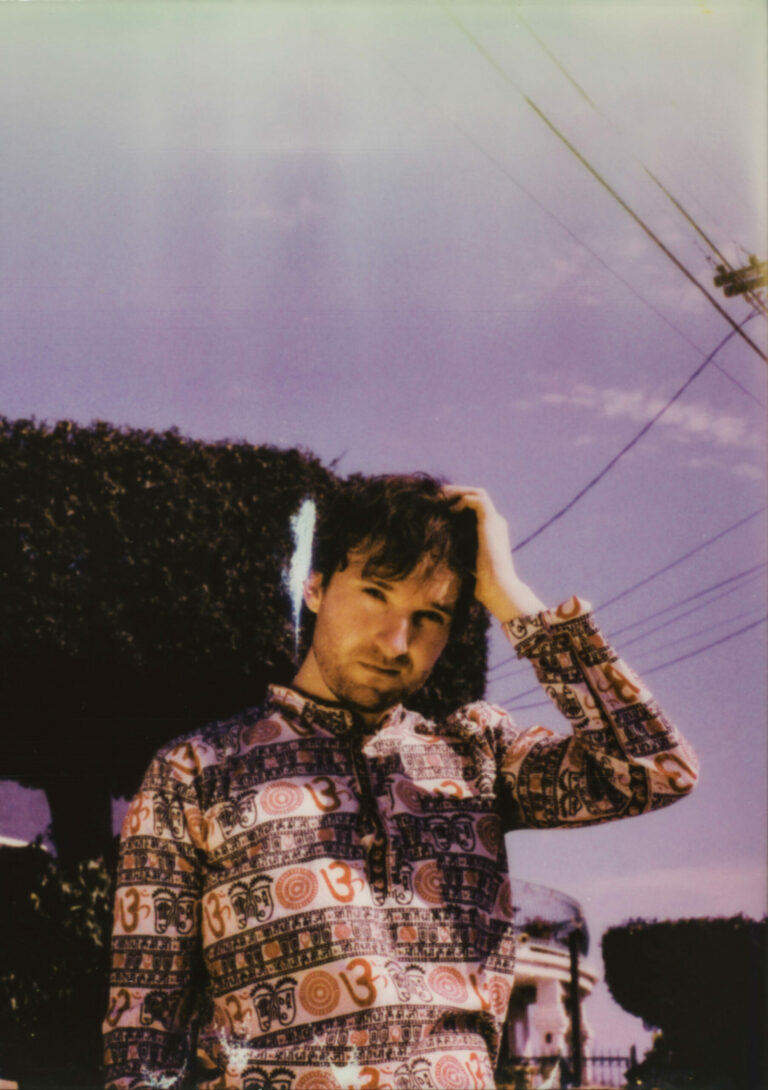
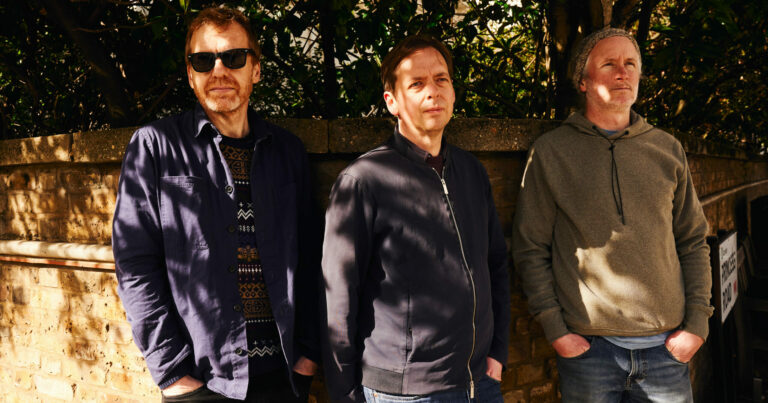
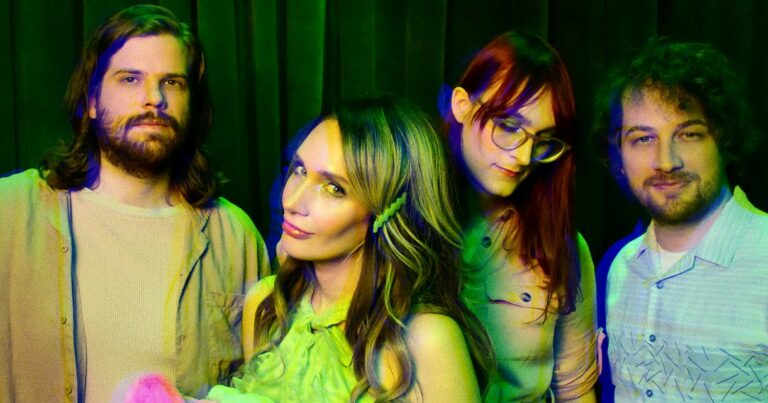
New Zealand’s BENEE and Australia’s Mallrat have shared the official theme song for FIFA Women’s World Cup, which runs from July 20 through August 20. Listen to ‘Do It Again’ below.
“Being a small part of this incredible celebration of women’s sport is an absolute dream come true for me,” BENEE said in a press statement. “As a keen young football player, I just couldn’t have imagined this! I’ve loved the experience of writing a song which I hope reflects my excitement at having the world’s biggest women’s sports event held on my home turf, and I can’t wait to perform Do It Again live with Mallrat at the opening ceremony.”
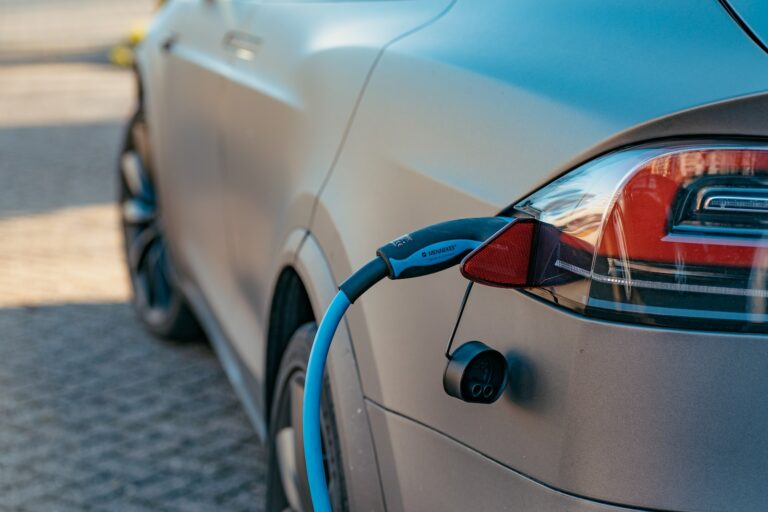
As we stand on the brink of an automotive revolution, many of us are thinking of switching from petrol or diesel cars to electric ones. Electric cars are gaining momentum in the automotive industry, especially in the UK, where government incentives and an increasing focus on sustainability make electric vehicles (EVs) an attractive proposition. This move towards electrification is driven not only by the desire to reduce carbon emissions but also by other equally compelling factors. Meanwhile, innovations in battery technology, advancements in charging infrastructure, and governmental policies encouraging the transition to EVs have all played pivotal roles in making electric cars more accessible and attractive to consumers.
Nevertheless, amidst this wave of enthusiasm, there lies an essential question that every potential car buyer must ask themselves – should I buy an electric car?
We understand that making the switch to EVs is a big decision. It goes beyond simply choosing a new car. It represents a lifestyle change, a commitment to sustainability, and an embrace of cutting-edge technology. Thus, to help you make an informed choice, this guide presents some of the key factors to consider when thinking about buying an electric car. In essence, we will guide you through some of the crucial aspects that could influence your decision, ranging from cost considerations to practical aspects, like charging infrastructure and driving range, to environmental impact and available government grants.
Essential Factors to Consider When Making the Electric Transition
Economic Factors: Initial Cost and Long-term Savings
For most people, the financial aspect is one of the most significant considerations when buying a car. EVs tend to be more expensive upfront compared to their petrol or diesel counterparts. This is primarily due to the cost of the batteries, which is gradually decreasing as technology advances.
However, when considering the long-term running costs, EVs can prove to be more economical. The cost of electricity per mile is considerably lower than the cost of petrol or diesel. Maintenance costs are also lower as electric cars have fewer moving parts than conventional vehicles. Furthermore, there are potential savings from various government grants and exemptions, such as the Plug-in Car Grant or savings on road tax.
One must also consider the resale value. As the EV market expands and consumer demand rises, the depreciation rate of electric cars is expected to be slower than that of internal combustion engine cars.
Access to Charging Infrastructure with Bonnet App
Transitioning to an electric car may seem daunting, particularly due to concerns about charging. This is where the Bonnet app shines. This electric app offers access to over 200,000 chargers across Europe, with more than 17,500 located in the UK alone. The breadth of this network ensures that drivers can easily find convenient EV charging points, no matter their location. Bonnet prides itself on a simple and transparent pricing structure, displayed clearly within the app, so there are no surprises when drivers reach a charging point. The app even offers a simple monthly fee for its services, ensuring no hidden or unfair costs.
Driving Range and Battery Longevity
Electric car range anxiety is a common concern, but advancements in battery technology are rapidly increasing the range of electric cars. Many new models offer ranges comparable to petrol or diesel cars, making them a practical option for both city driving and longer journeys.
The longevity of the batteries is another important factor. Most electric car manufacturers offer extensive warranties on their batteries, often up to 8 years. This should provide peace of mind for potential electric car buyers worried about the lifespan of their batteries.
Environmental Impact
Electric vehicles generate zero exhaust emissions. That is right, absolutely none. This makes them incredibly clean to run, particularly when compared to diesel or petrol cars. This lack of tailpipe emissions leads to cleaner air, contributing to a healthier environment for everyone.
However, it is not just about what comes out of the tailpipe. The overall carbon footprint of an EV, which includes its manufacture, operation, and disposal, can be significantly lower than a traditional vehicle. Even when the electricity used to charge them comes from a mix of renewable and non-renewable sources, EVs still generally produce fewer emissions per mile than conventional cars. As the grid continues to become greener, this advantage will only grow.
Finally, electric vehicles are remarkably efficient. They convert a higher percentage of the electrical energy from the grid to power at the wheels. This efficiency means less wasted energy and, ultimately, less environmental impact.
Government Incentives
Governments worldwide acknowledge electric vehicles’ crucial role in meeting environmental goals. In response, they are introducing a variety of incentives to encourage consumers to make the switch to EVs. In the UK, for example, the government offers a grant towards the cost of new low-emission vehicles, including fully electric and plug-in hybrid cars. This can significantly decrease the upfront cost of purchasing an electric vehicle. Furthermore, some local authorities offer additional incentives, such as free parking for EVs and access to clean air zones.
Beyond these purchasing incentives, the UK government also offers a grant towards the installation of home charging stations. This helps offset the cost of setting up a convenient charging solution at home, further enhancing the practicality of owning an electric car. Additionally, electric vehicles are exempt from vehicle excise duty, commonly known as road tax. This is because the rate of tax is based on the vehicle’s carbon dioxide emissions, and electric cars, of course, produce zero tailpipe emissions. Lastly, company car drivers also stand to benefit significantly. The Benefit-In-Kind (BIK) tax rate for electric vehicles is significantly lower than for traditional cars. This can result in substantial savings over the course of ownership.
These various incentives make owning an electric car more affordable and demonstrate the government’s commitment to encouraging the transition to cleaner, more sustainable transportation solutions.
The Bottom Line
The transition to electric vehicles signifies a step towards a cleaner, more sustainable future. As technology continues to evolve and make EVs more accessible and convenient, it is clear that electric cars are more than a passing trend. They represent a significant shift in how we perceive and experience mobility.
That said, deciding to buy an electric car is a decision that should be based on your specific circumstances and needs. Consider your driving habits, commuting distance, budget, and commitment to sustainability. Remember, purchasing an EV is not just about the car; it’s also about joining the growing community of drivers who are reshaping the future of transportation. As you contemplate this decision, consider not only the practical aspects but also the broader impact of your choice. With an electric vehicle, you are not just driving but contributing to a global movement towards sustainability.
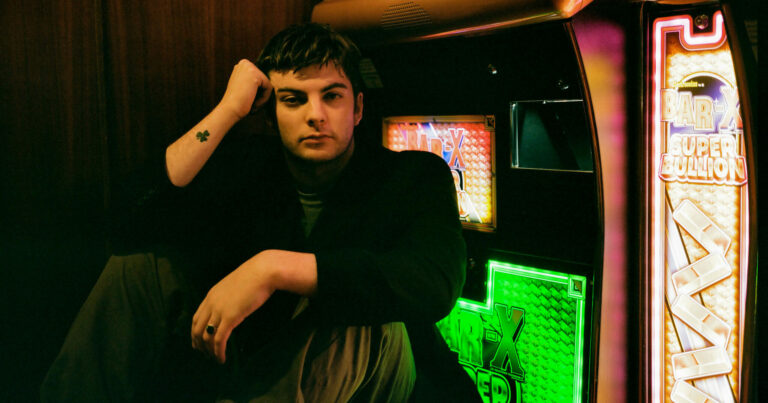
Fontaines D.C’s Grian Chatten has released a new track, ‘All of the People’, taken from his debut solo album Chaos for the Fly – due out this Friday, June 30. Following earlier cuts ‘Last Time Every Time Forever’, ‘The Score’, and ‘Fairlies’, the track arrives with a video directed by Sam Taylor, who previously helmed the videos for Fontaines D.C.’s ‘I Love You’ and ‘Roman Holiday’. Watch and listen below.
“’All Of The People’ is the stiff collar tight-fisted hand to the grindstone written where all is blue and everyone is a liar,” Chatten explained in a statement. “It is a line of chalk scratched around the world.”
Taylor added of the video: “Taking inspiration from Lars Von Trier, George Orwell, Billy Wilder, our film analyses loneliness, self-doubt then acceptance, appreciation and human connection. We hope it makes you cry happy/sad tears x.”
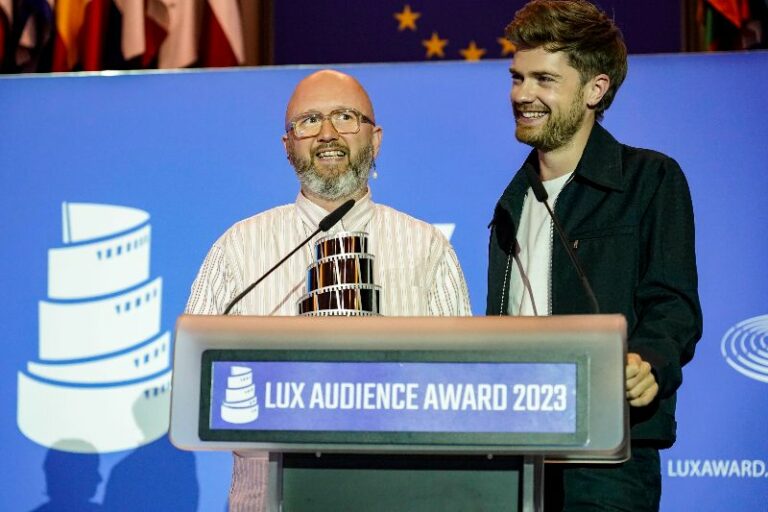
The European public and members of the European Parliament have voted “Close” by Belgian director Lukas Dhont the winner of the LUX European Audience Film Award in a ceremony at the hemicycle of the European Parliament in Brussels. In the film, co-produced by Belgium, France and the Netherlands, two thirteen-year-old boys, Leo and Remi, form a close bond. When their friendship is suddenly disrupted, Leo approaches Sophie, Remi’s mother, struggling to understand what has happened.
Lukas Dhont, receiving the award with his co-author Angelo Tijssens, stated: “We stand by you as you. Discover who you are as you are. We think of you, we are hopeful and proud of you.”
Four other films were shortlisted for the award: “Alcarràs”, a Spanish film by Carla Simón, “Burning Days”, a Turkish film by Emin Alper, a Portuguese film called “Will-o’-the-Wisp” and a Swedish film called “Triangle of Sadness”. Over 500 screenings of the nominated films have been held across the European Union, subtitled in all 24 official languages.
The LUX Audience Award combines and unites the votes of the European public and those of the European Parliament Members. It is presented by the European Film Academy and the European Parliament, and in partnership with the European Commission and Europa Cinemas.
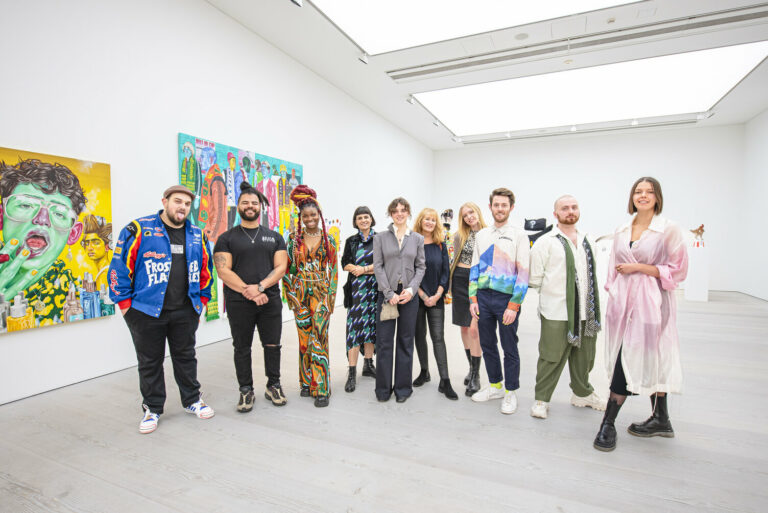
Having received 1,400+ entries last year, this year’s call for entries opens on Thursday, 29 June 2023, under the brief: ‘The Journey of Self-Actualization: Exploring the Illusion of Greener Grass and the Pursuit of the Dream’ – and the judges expect it to draw a large number of entries.
This exhibition explores aspirations and dreams, playing into the idea that everyone is seeking the career path that fulfils us and brings us self-actualization. However, the journey may not always be easy.
Among the judges will be Robert Walters – an art enthusiast, collector, and founder of Robert Walters Group; Paul Foster – Director of Saatchi Gallery; Michelle Bowen – Director of UK New Artists; Alex Zawadzki – Director of The Second Act Gallery; Harold Offeh – Artist & Educator; Inger Margrethe Stoveland – Director of Fluks – Centre for Young Art at the University of Agder, Norway; Habib Hajallie – Artist and winner of the Robert Walters Group UK New Artist Award.
Angelo De Augustine is a singer-songwriter living in Thousand Oaks, California, the Los Angeles suburb where he grew up. His parents were both musicians, and as a teenager he dreamed of being a professional soccer player before an injury left him unable to play. He took to songwriting after receiving a guitar from a family friend, learning to record at home using an analog reel-to-reel machine he set up in his bathroom. He self-released his debut record, Spirals of Silence, in 2014, and its hushed, emotionally raw songwriting caught the attention of Sufjan Stevens, who signed De Augustine to his Asthmatic Kitty label. Another home-recorded album, Swim Inside the Moon, followed in 2017, while 2019’sTombsaw him recording in a proper studio for the first time, working with producer Thomas Bartlett (aka Doveman) at New York City’s Reservoir Studios. In 2021, De Augustine and Stevens collaborated on A Beginner’s Mind, a gorgeously affecting collection of songs loosely based on different movies.
This Friday, De Augustine will release his fourth album, Toil and Trouble, which he wrote, recorded, and mixed entirely by himself. Even as he returns to this solitary approach, the music is delicately detailed and carefully arranged, featuring 27 different instruments, many of which he’d never previously worked with. The homespun intimacy of his earlier material feels, as a result, both elevated and otherworldly, especially as his lyrics interweave deep introspection and a vast, cosmic yearning, mythical characters with tragic real-world events. “If I created my own world/ Minds would be open and unfurled/ The galaxy would be a guide for love,” he sings on ‘Another Universe’. The way De Augustine paints it, though, so tightly are those worlds strung together that if hope can be found in that reality, it must be possible for it to crawl out of this one.
We caught up with Angelo De Augustine for the latest edition of our Artist Spotlight series to talk about the making of Toil and Trouble, the intentionality of his process, the album’s cover art, and more.
A Beginner’s Mind came out in September 2021. Where were you with the making of Toil and Trouble at the time?
I’d been working on it while we were making that record. When I would take time off of Toil and Trouble, we would be making that, so I’d fly up there to the East Coast. I pretty much started this record right after Tomb came out in 2019, and then it took me a long time to find the right songs. I don’t really know how to explain that to you, when it’s right, but it’s an instinctual feeling, when songs feel like these are the ones I want to put out and these are the ones that go together. I tried to make sure every single song was the best I could do at that time, so that took a long time. I wrote a lot of songs, and I scrapped a lot of them. There’s probably albums of other songs that I don’t know if they’ll ever be released.
And then it took a really long time to figure out how to record them, because I didn’t have much experience in recording. But I didn’t have much experience playing other instruments either, so I started buying instruments and I started buying all the equipment. I figured, I’m just gonna buy everything that these other recording studios have and I’ll just build my own recording studio, and then I’d I have as much time as I need to be able to make the album I want to make. That’s what I did. I would say that that took me much longer than it would have taken me with somebody else, because I’m a total beginner at it. I think I played like 27 instruments on this record, many of which I’ve never played before. Even though I’m not that proficient on the instrument, I kind of worked out my own little way of doing things, and as a result, I don’t think that I could have made this record with somebody else. Then I mixed it, and that was really hard. This record, to be honest with you – I don’t like listening to it. I worked so hard on it that it started to feel like it was going to kill me. I definitely took on more than I thought that I could handle, but I was able to finish it somehow.
Playing all these different instruments, did that come from a pure need to experiment with sound, or was it more to do with fixating on a song until you reach that indescribable feeling that it’s right?
I think it’s more the latter. You can arrange a song a bunch of different ways and it’ll feel different. But I do think that if the song isn’t there, if it isn’t completely realized in the song form, it’s never gonna feel right. I feel that has to come first. If that’s there, you can kind of put anything on it, really, and it’s going to work. But I wanted to take that a step further and make something that hopefully enhanced the song instead of just supporting it, gave it just that little bit more of a lift.
You explained why you wanted to work on this project by yourself, but were there aspects of the solitary nature of the process that surprised you?
The only thing that surprised me was that I could actually do it, because I really wasn’t sure if I could do it. I didn’t have much confidence in the beginning that I’d be able to do it, so the fact that I finished it was a big surprise to me.
When did that realization come, that it could done?
It kind of happened in the mixing process. That was the thing that really was stumping me, because it’s this whole other thing that’s kind of creative and it’s also kind of technical. And I don’t really have that naturally, I don’t really have that technical mind. So when I was able to see the way through that and really trust my ears – basically when I just said to myself, “Just do what you want to do, Angelo. You don’t have to do anything other than what you want to do.” And if it sounds weird or whatever, that’s fine. It’s all really subjective, all this stuff, so it doesn’t really matter. When I said that to myself, I was able to just take off some of the pressure of making it sound “good,” the mix. You hear a lot of, “This is the way you have to do things.” It’s kind of all not true.
In terms of songwriting, especially since you worked on this collaborative project that drew from different movies, did your approach to inspiration shift at all?
To be honest with you, I don’t know where inspiration comes from. It’s less of this thing that you think about and more of a thing that just happens to you. It hits you when you least expect it, I guess. There were obviously things going on in my mind that I’m sure informed a lot of this stuff, but the actual inspiration it feels like it’s hard to pin down, because when you want it, you can’t get it. Like when you want to pet a cat or something, it’s not going to come to you. You have to let it come to you. And that’s what it feels like with real inspiration, when you’re actually inspired. You kind of lose your – sometimes you forget what even happened, and then you have a song or whatever you’re making.
But I was certainly thinking about things. I was really overwhelmed by everything going on just around me and in the world. I sort of used a counter-world in the writing, a place to write from, but also to live inside, because it’s just too overwhelming. I think it was at times a reflection of real life with the album, but it’s also an escape. You have these two juxtaposed things that are clashing, but they’re also kind of making this new world that hopefully, I don’t know, ends in some kind of understanding or solace about things. I do think that if you look through history, we can notice periods of enlightenment and times of darkness, and it seems to be all cyclical. So there’s some hope in that, and the the album draws upon that, too. There’s a lot of darkness, there’s also moments of levity on the album, and it does feel cyclical to me in a way.
You mentioned escape –it was interesting to discover that a big breakthrough in terms of completing the record was receiving the cover art by Ghanaian artist Daniel Anum Jasper. You said you “knew the way out” when you saw it. First off, can you describe what you saw in it?
I think at that point I maybe was just so stuck that I thought, I’ll just put out one of these songs, so I think I was gonna put out ‘Toil and Trouble’. I asked him to do a cover for it and I gave them all the things I wanted on the cover, and he made it. When I got it, it just really felt like an album cover to me. When I saw it, and I don’t know how to put this into word for you so well, but I was able to connect the dots of which song should be on it. It was just based on a feeling of seeing the cover and having an emotional response to the cover, and then being able to say, “Okay, this is actually the album. All this stuff you’re you’re fretting on, all this other stuff is just noise. But this is the record right here.” It helped point me in the right direction. But I don’t think that was necessarily Daniel’s intention. It was just to make a cover for me that I asked for, but unknowingly he actually was helpful in me figuring out what songs should be on the record, and that it should be a record, because at first I didn’t really know if it could be a record.
This search for escape feels like a key difference compared to your previous albums, which maybe come from a similar place emotionally but seem to be looking more for a way into the feelings. Is that a distinction that resonates with you?
Yeah, I think so. There’s a lot of songs on this record that touch on certain moments in history or certain characters from literature, but you’re right, there is that element of wanting to get away. I experienced a couple of really strange things while making this record. When you experience something so awful like that, you do want to get away and escape. Sometimes life is too much, you know. People go through a lot in life. Lots of people go through so much. And I think there is a time and place for that, too. There comes a time where a person can only take so much, and they protect themselves by escaping. It’s a defense mechanism that sometimes actually can be probably helpful when things are too much.
It can take a long time to know when or for whom it becomes helpful. Sometimes you just have to find ways to protect yourself and keep some record of it, even if you’re not sure why it’s important in the moment.
Yeah, because sometimes it’s not helpful to talk about certain things. It’s interesting, there’s some things that are helpful to talk about, and then there’s certain things that just make it worse, so it’s difficult to know where that line is. It may be that down the line it is helpful, or it’s helpful to somebody, or it’s helpful but in the moment sometimes it doesn’t feel that way.
It’s that noise that you have to filter out, right? Is it easier to see now what was necessary or helpful about it?
I just felt like I had to make it. I had to make this. And I’m really glad that that I was able to finish it and be here to see it come out, because I really didn’t know if I was going to be here. I think down the line I’ll be able to see it more, but it’s hard to see right now. I can’t really listen to it. It brings back things that are hard to live in. Obviously, being able to put it out is a great accomplishment, just the fact that I get to put it out. And if it’s helpful to somebody else, that’s really wonderful.
We were talking about the musical arrangements, but I feel like you bring the same amount of intentionality to the lyrics. One thing that struck me is the contrast you draw on the opener, ‘Home Town’, between a desire that’s heartless and a burning heart. It seems like something that carries a lot of weight, because you also play with that language around desire on tracks like ‘Song of the Siren’ and ‘Blood Red Thorn’. Is that something you can get into?
With all these songs, there is a lot of intentionality on every aspect, whether it’s the lyrics, the melody, the chords, the instruments. I hadn’t really noticed the through line between those songs of that, but in terms of the actual writing of each song, I really do care about every word, every syllable – I care a little too much, probably, about these things that are really small. But I will say that when that care and attention is tended to those things – not always, it’s really weird because sometimes the song comes to you really, really quick – but it’s important to me to care about all these little tiny details, because ultimately, I think it usually results in something that’s stronger just on a structural, bare-bones level in terms of the actual song, like what we were talking about before. I feel like that’s really what I go for, more than anything, more than the production, is really just the song.
There are certain songs I really labored on over in terms of the lyrics. I can’t really recall which ones on this record, but I can tell you which ones came to me really fast. A song called ‘The Painter’ – I probably wrote that in like 10 minutes. That song was just a gift, and I think that’s probably one of my best songs I’ve ever written. I don’t know how you say best, but it’s just maybe it’s one of the songs I feel I was the most connected to that creative force, whatever that is. Because it came so effortlessly, but it also wasn’t lacking in any sort of way. For me, I feel like that’s a completely realized song, just reflecting on what it feels like to be an artist, or taking a character that is an artist and reflecting on what that feels like. So yes, all these things are very intentional, but sometimes you get the good grace of being handed something that feels more special than what you normally get, and that’s always a real thrill.
There’s a line in that song that me think about the symbolism of water and fire that’s prevalent on the album in a new way. You write about about the ocean finding its home, but it’s hard to think of a similar metaphor for fire, which we think as way more destructive and sort of placeless, even though it’s also an elemental and life-giving force.
I haven’t thought much about that, it’s interesting that you bring that up. This is the amazing thing about music, is that everybody can find these things within it and expand it. But I think what you said is pretty interesting, that it’s a life-giving force, but it’s also destructive. That makes a lot of sense with this record. There’s a lot of destruction on this record, and then there’s a lot of life-giving and hope on the record, too. And they’re kind of one and the same, right?
Even the structure of the record – you sing “There’s no hope” on the first track, but then you start to untangle that.
It does seem, to me anyway, the more I learn, the more questions I have about everything – especially about hope and about these things that we’re talking about. It does seem like the more you know, the less you know. But it’s a starting place to finding something.
This interview has been edited and condensed for clarity and length.
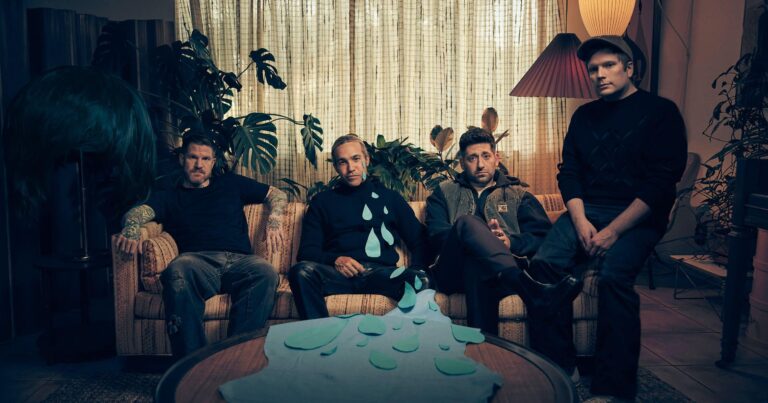
Fall Out Boy have offered an updated take on Billy Joel’s ‘We Didn’t Start the Fire’, which famously covers historic events from 1949 to 1989. Fall Out Boy’s cover references moments from 1989 to the present, although unlike the original, the lyrics are not exactly chronological. For example: “Oklahoma City bomb/ Kurt Cobain/ Pokémon.” Check out a lyric video for the track below.
“I thought about this song a lot when I was younger,” Pete Wentz wrote on Twitter. “All these important people and events – some that disappeared into the sands of time – others that changed the world forever. So much has happened in the span of the last 34 years – we felt like a little system update might be fun. Hope you like our take on it.”
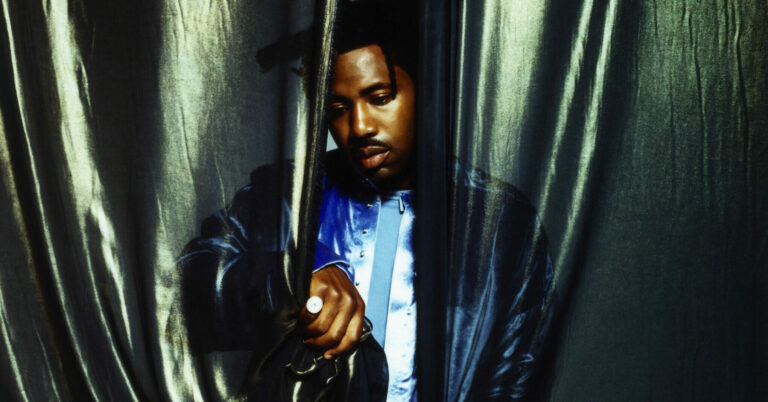
London singer-songwriter Sampha has returned with his first new solo single in over six years. ‘Spirit 2.0’ features musical contributions from Yussef Dayes, El Guincho, and Owen Pallet, as well as vocals from Yaeji and Lisa-Kaindé Diaz of Ibeyi. Listen to it below.
“It’s about the importance of connection to both myself and others, and the beauty and harsh realities of just existing,” Sampha said of the track in a press release. “It’s about acknowledging those moments when you need help – that requires real strength. I hope people can enjoy that feeling of someone being there for you, even if that person doesn’t have the answers. Just calling someone up without overthinking… letting go and just dancing.. wanting to see past the mundanity of things and appreciating the magic of it all, from birds nests to spaceships.”
Sampha’s debut album, Process, arrived in 2017. ‘Spirit 2.0’ follows his appearances on Kendrick Lamar’s Mr. Morale & The Big Steppers (‘Father Time’), SBTRKT’s The Rat Road (‘L.F.O.’), and Stormzy’s This Is What I Mean (‘Sampha’s Plea’).
The Clientele have released ‘Claire’s Not Real’, the latest single from their forthcoming LP I Am Not There Anymore. It follows previous cuts ‘Dying in May’ and ‘Blue Over Blue’. Listen below.
Reflecting on the new track, vocalist/guitarist Alasdair MacLean said in a statement: “I was in Cercedilla in Spain in summer 2020. There was suddenly a rain of ash and an orange glow on the horizon, and I read on my phone that nearby Ávila was burning with forest fires. This moment found its way into several songs on the album.”
I Am Not There Anymore comes out July 28 on Merge.
Speedy Ortiz have unveiled a new track, ‘Plus One’, which will appear on their forthcoming record Rabbit Rabbit. The band previously shared the singles ‘Scabs’ and ‘You S02’. ‘Plus One’ comes paired with a music video from diretor Dylan Mars Greenberg, which you can check out below.
Talking about the new song, Sadie Dupuis said in a statement:
I love touring, but the workaholism it encourages has been a convenient way to repress my feelings. In the pandemic, I found myself ruminating on my estrangement from an abusive family member. I’ve used my songwriting to process other experiences of violence, but had not broached these memories until Rabbit Rabbit. Being able to work on old trauma in therapy and in my writing has helped my boundaries elsewhere, and taught me to move on from exploitative relationships.
That’s what “Plus One” is about, and it came out pretty quickly as a sad acoustic waltz. I was sitting on the floor of an empty living room, mid-move, and the bare surroundings added a liminal starkness, though some of the imagery is inspired by scenes from West Philly that summer. When I went back to do pre-production, Texan post-hardcore was in my head, so I tried to channel At the Drive-In and Trail of Dead, bands that inspired me as a teen.
We made the video with director Dylan Mars Greenberg, whose campiness and B-movie expertise was a perfect fit for the band’s also very campy videography. We’ve done a ton of horror homages but had never paid tribute to an old school monster movie. Dylan’s pet bunny Voodoo was a perfect Godzilla-sized star—a cuddly rabbit who’s mad as hell and not going to take it anymore.
Rabbit Rabbit is due to arrive September 1 via Wax Nine.