As autumn settles across city streets and golden leaves begin to fall, fashion turns its focus toward refinement, texture, and individuality. Neiman Marcus welcomes Fall 2025 with a collection that celebrates the evolution of modern femininity. This season’s new arrivals embrace artistry, craftsmanship, and versatility, offering garments that are as expressive as they are timeless.
From bold prints to sculptural silhouettes, these six designs, by Johnny Was, L’Agence, Rebecca Vallance, Rails, ALEMAIS, and Cinq à Sept, capture the confidence, creativity, and elegance that define the contemporary woman. Each piece is a statement, a story, and an invitation to rediscover what it means to dress with meaning.
Johnny Was – Natalie Kaleidoscope-Print Mesh Tee ($148)
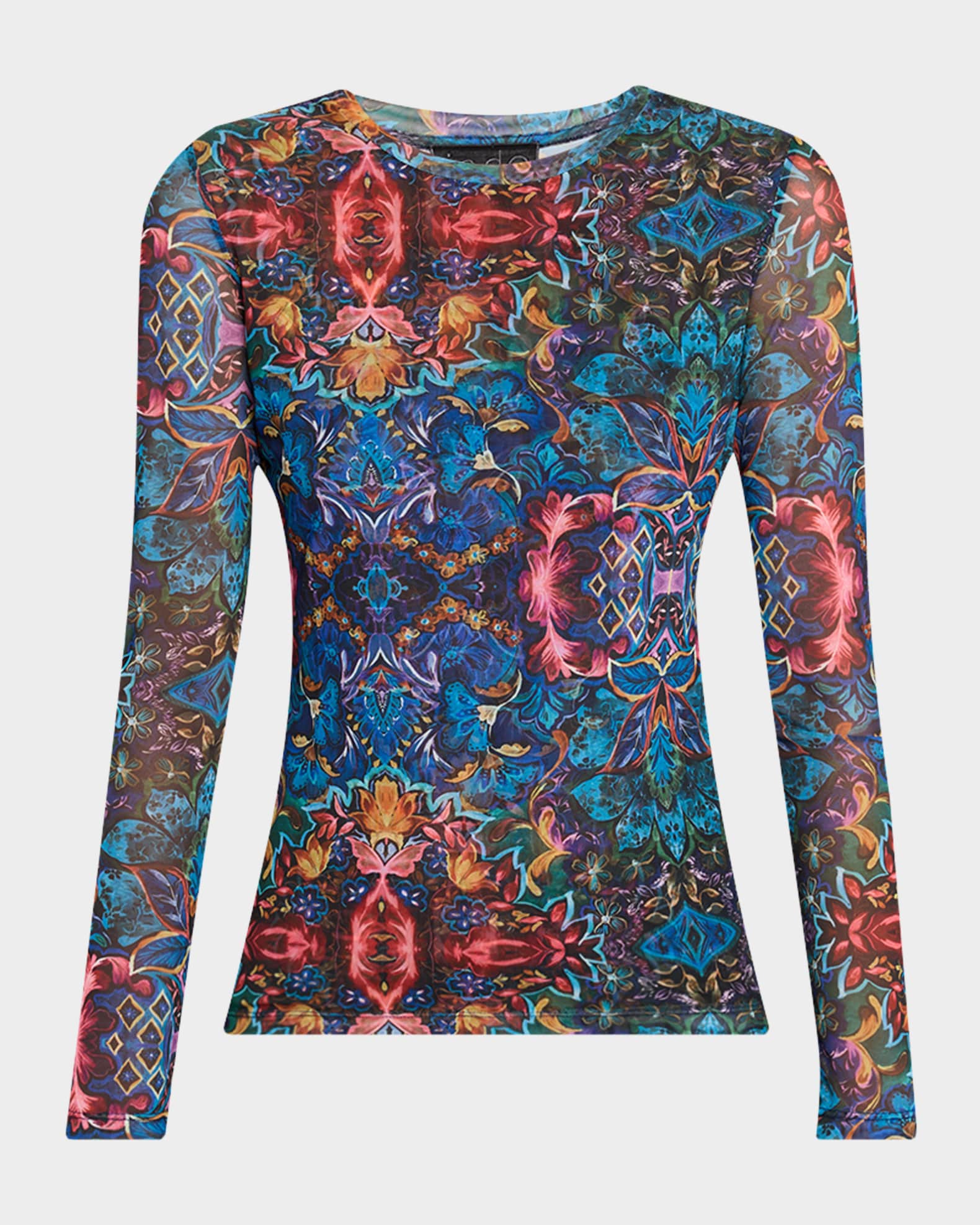
Vibrant, free-spirited, and endlessly versatile, the Natalie Kaleidoscope-Print Mesh Tee by Johnny Was embodies the artistic soul of the brand. Priced at $148, this long-sleeve top is crafted from lightweight mesh, offering a breathable, body-skimming fit that feels effortless against the skin.
The print is a masterpiece of color and geometry, featuring radiant shades of red, sapphire blue, violet, and gold woven together in a kaleidoscopic pattern that celebrates individuality. The crew neckline and pullover style make it practical, while the vibrant design transforms it into a statement piece.
Perfect for layering, the Natalie Tee pairs beautifully with tailored blazers, denim jackets, or structured skirts, adapting easily from daywear to evening. Its sheer texture adds depth and sophistication, lending an element of artful edge to any ensemble. The piece is ideal for women who embrace color as an extension of personality, creative, bold, and unapologetically expressive.
L’Agence – Una Knit Cardigan ($550)
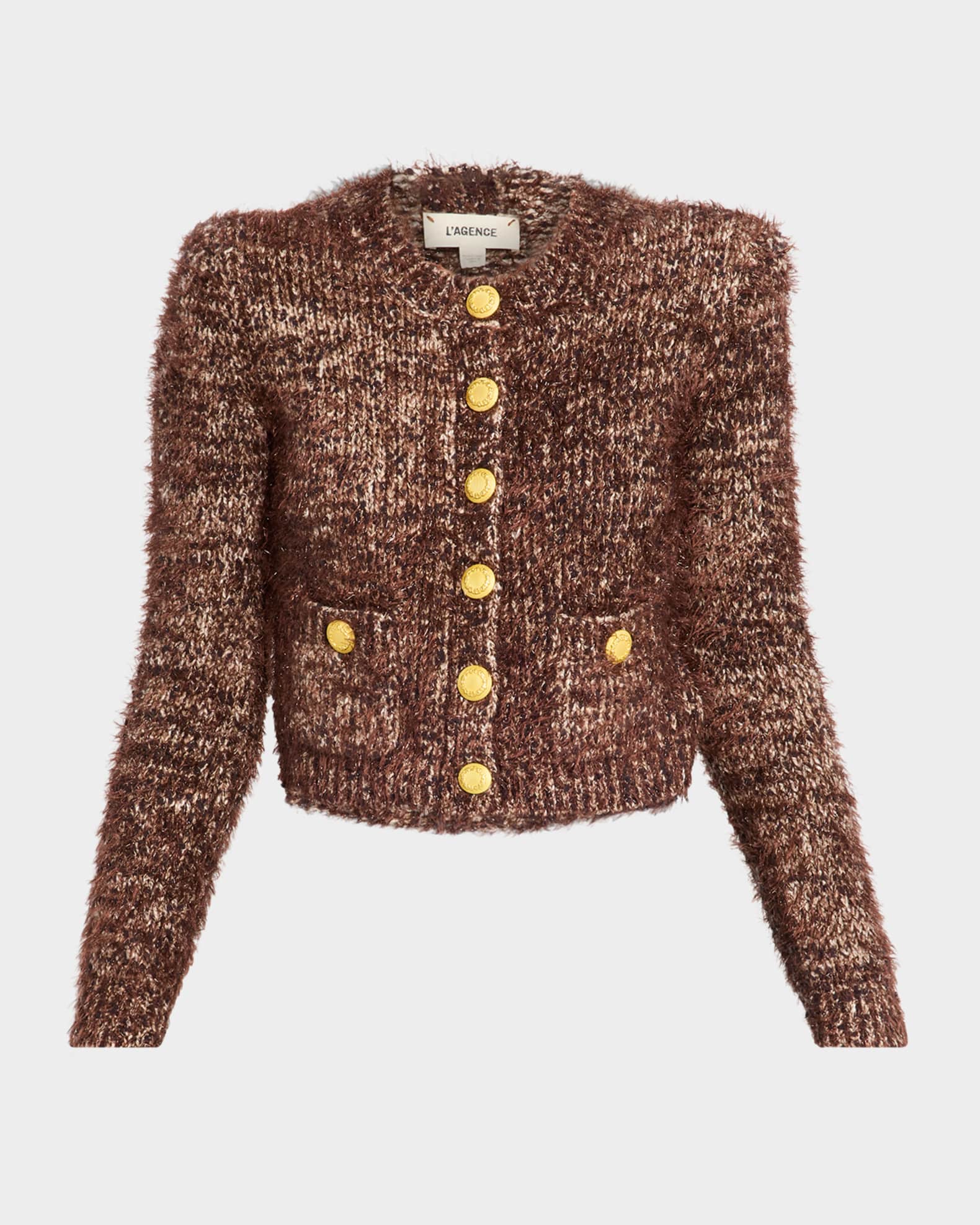
The Una Knit Cardigan from L’Agence, priced at $550, is an ode to understated luxury. It captures the brand’s signature blend of Parisian polish and California ease, creating a piece that feels both chic and inviting.
Made from a soft boucle-style knit, this cardigan offers texture and warmth without heaviness. The rich chocolate-brown tone gives it a sense of depth, while structured shoulders and a cropped silhouette add a modern touch. The fit is tailored to flatter, sitting neatly at the waist for a feminine shape.
Its most striking feature is the row of gold embossed dome buttons that gleam subtly against the knit fabric, exuding quiet sophistication. The cardigan transitions seamlessly from workday elegance to evening refinement. It can be styled with high-waisted trousers, silk skirts, or classic denim, making it an adaptable essential.
L’Agence continues to master the art of refined simplicity. The Una cardigan is not merely a layering piece; it is a wardrobe foundation, timeless, versatile, and undeniably elegant.
Rebecca Vallance – Mischa Cutout Jersey Column Gown ($795)
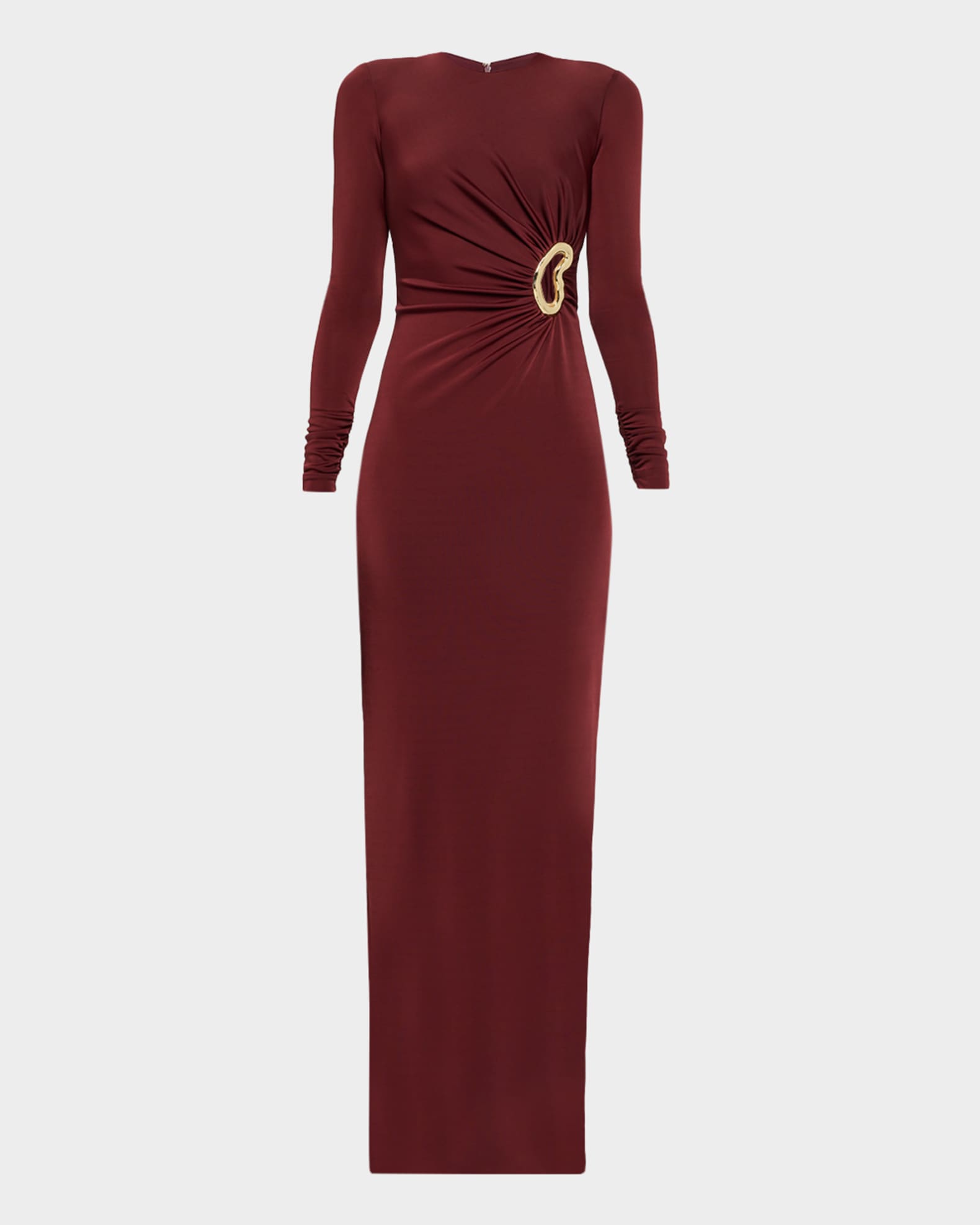
For moments that call for poise and drama, the Mischa Cutout Jersey Column Gown by Rebecca Vallance offers effortless glamour. Priced at $795, this gown redefines eveningwear through minimalist architecture and fluid form.
The gown is crafted from a premium stretch jersey, designed to sculpt and flatter while maintaining comfort. Its deep wine hue evokes sophistication and complements the season’s palette of rich, earthy tones. The long sleeves and high jewel neckline create a sleek profile, while the gathered waist and metallic cutout detail add dimension and intrigue.
At approximately 58 inches in length, the gown falls gracefully to the floor, with a subtle back slit allowing for movement. Every seam and curve is precisely placed to enhance natural shape without excess ornamentation.
Rebecca Vallance is renowned for her structured, feminine designs, and the Mischa gown perfectly encapsulates that vision. It is ideal for black-tie events, elegant dinners, and red-carpet occasions, offering the kind of confidence that comes only from impeccable tailoring. With its sculptural silhouette and refined sensuality, the Mischa gown turns simplicity into sophistication.
Rails – Alanna Check Long-Sleeve Blouse ($198)
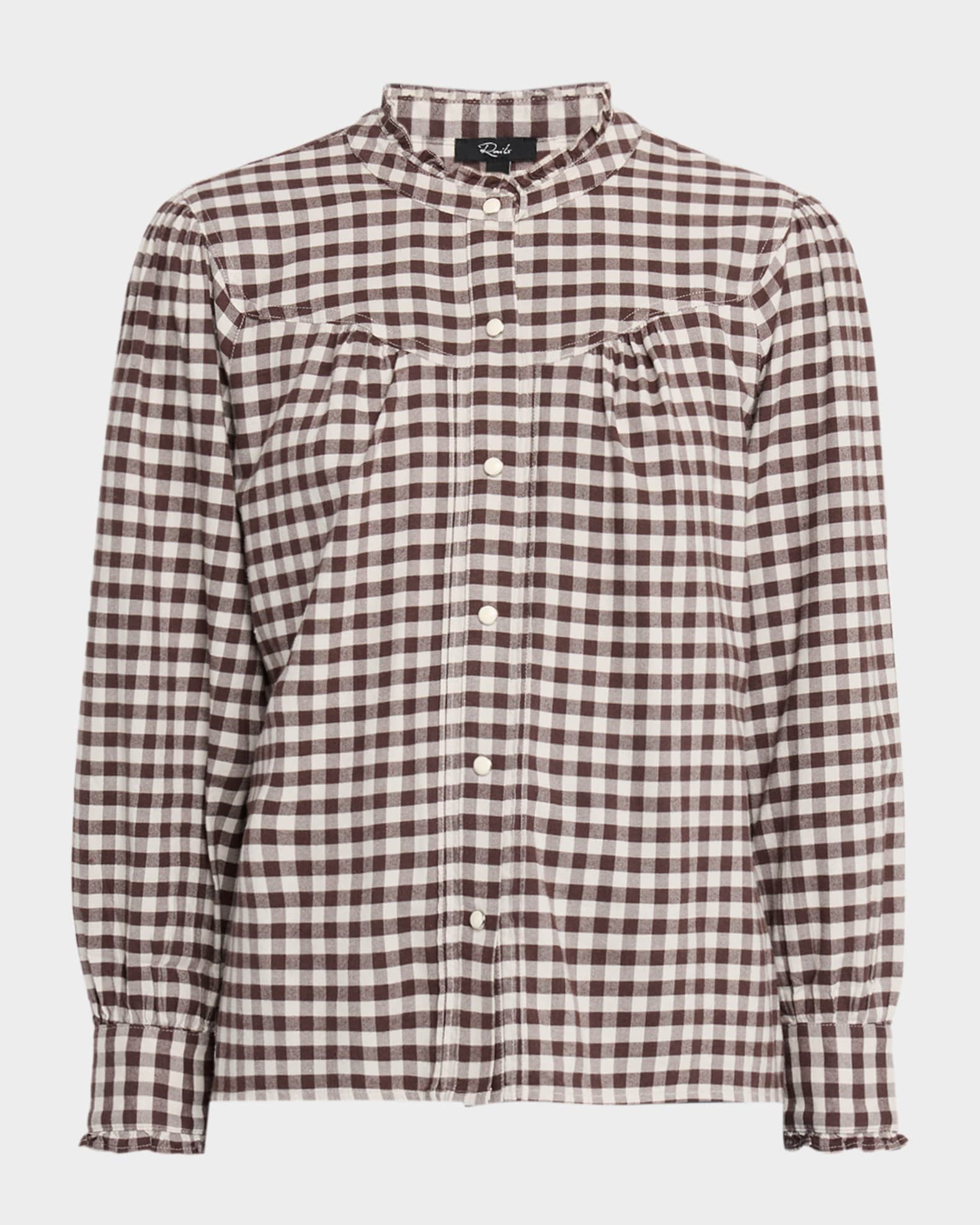
The Alanna Check Long-Sleeve Blouse by Rails, priced at $198, is a modern reinterpretation of the timeless check pattern. It brings together comfort, versatility, and charm, embodying the brand’s relaxed yet elevated aesthetic.
Made from a lightweight cotton blend, the blouse feels soft and breathable while maintaining its structure. The chocolate and cream check pattern evokes the warmth of fall, creating a look that feels familiar yet distinctly refined. Delicate details such as a ruffled stand collar, seamed yoke, and button cuffs add an air of subtle romance.
The blouse drapes beautifully, making it easy to style for different occasions. Pair it with denim for casual weekends, or tuck it into tailored pants or a pencil skirt for a work-ready ensemble. Its versatility lies in its simplicity, an everyday piece that feels luxurious in both design and construction.
Rails has built its reputation on creating wardrobe essentials that bridge comfort and sophistication, and the Alanna blouse is no exception. It captures the effortless charm of the modern woman, natural, poised, and quietly confident.
ALEMAIS – Clemenza Silk Midi Shirtdress ($790)
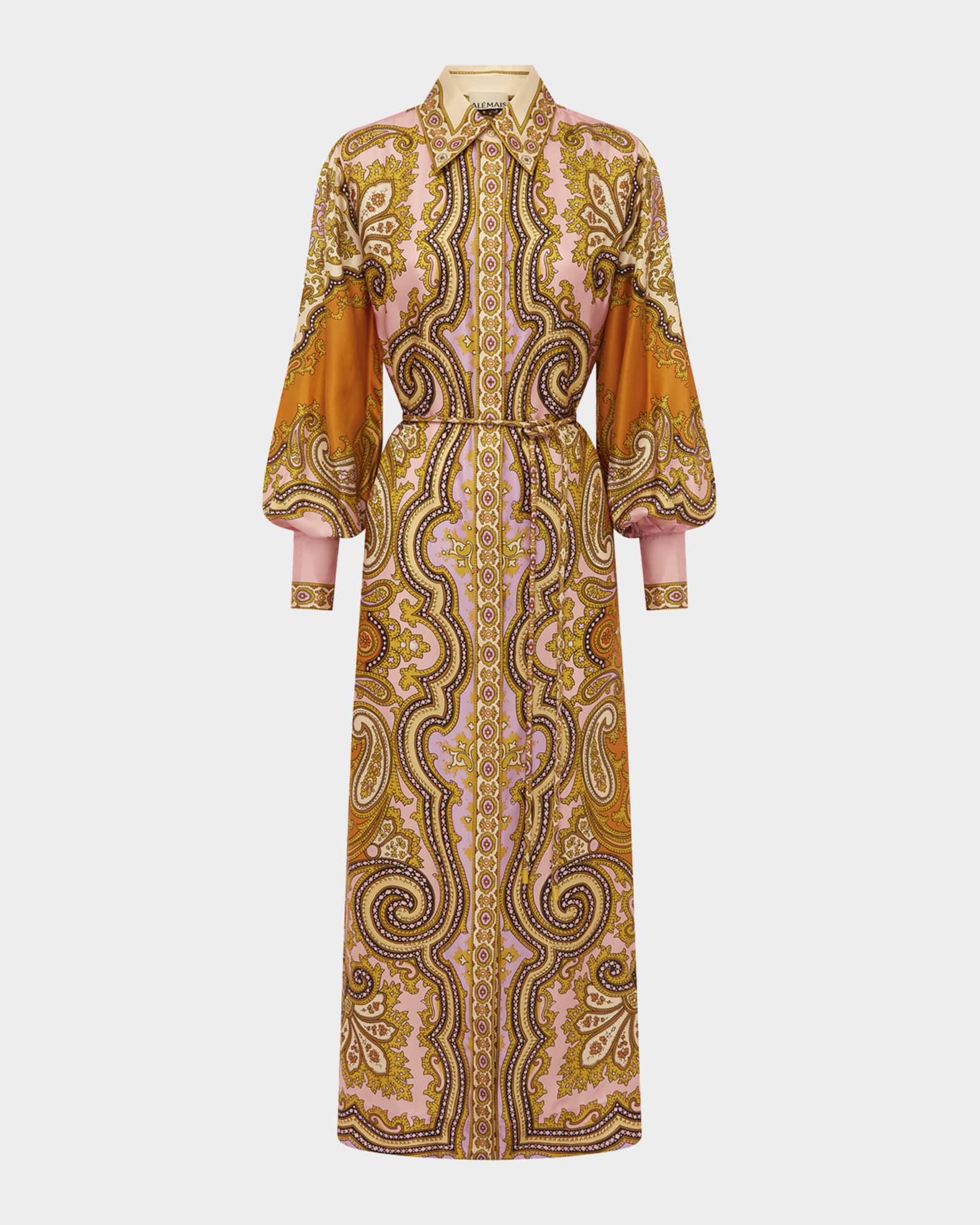
The Clemenza Silk Midi Shirtdress from ALEMAIS, priced at $790, is a true statement of artistry and craftsmanship. Crafted from 100 percent silk, it exudes movement, lightness, and elegance. The design is an homage to vintage bohemian glamour, brought to life through a contemporary lens.
Its paisley print is bold and mesmerizing, featuring golden ochre, rose pink, and olive green hues that create a visual rhythm across the flowing silk. The classic shirtdress silhouette provides structure through a button-down front and shirt collar, while balloon sleeves and a self-tie belt add softness and definition.
The midi length strikes a perfect balance between sophistication and ease. Worn with ankle boots and a crossbody bag, it channels relaxed daytime elegance. Paired with heels and statement jewelry, it transforms into evening-ready refinement.
ALEMAIS is known for infusing storytelling into design, and the Clemenza dress tells a story of artistry and freedom. It appeals to women who see fashion as an extension of creativity, those who seek clothing that expresses identity, history, and beauty in every thread.
Cinq à Sept – Hooded Vegan Leather Combo Blazer ($495)
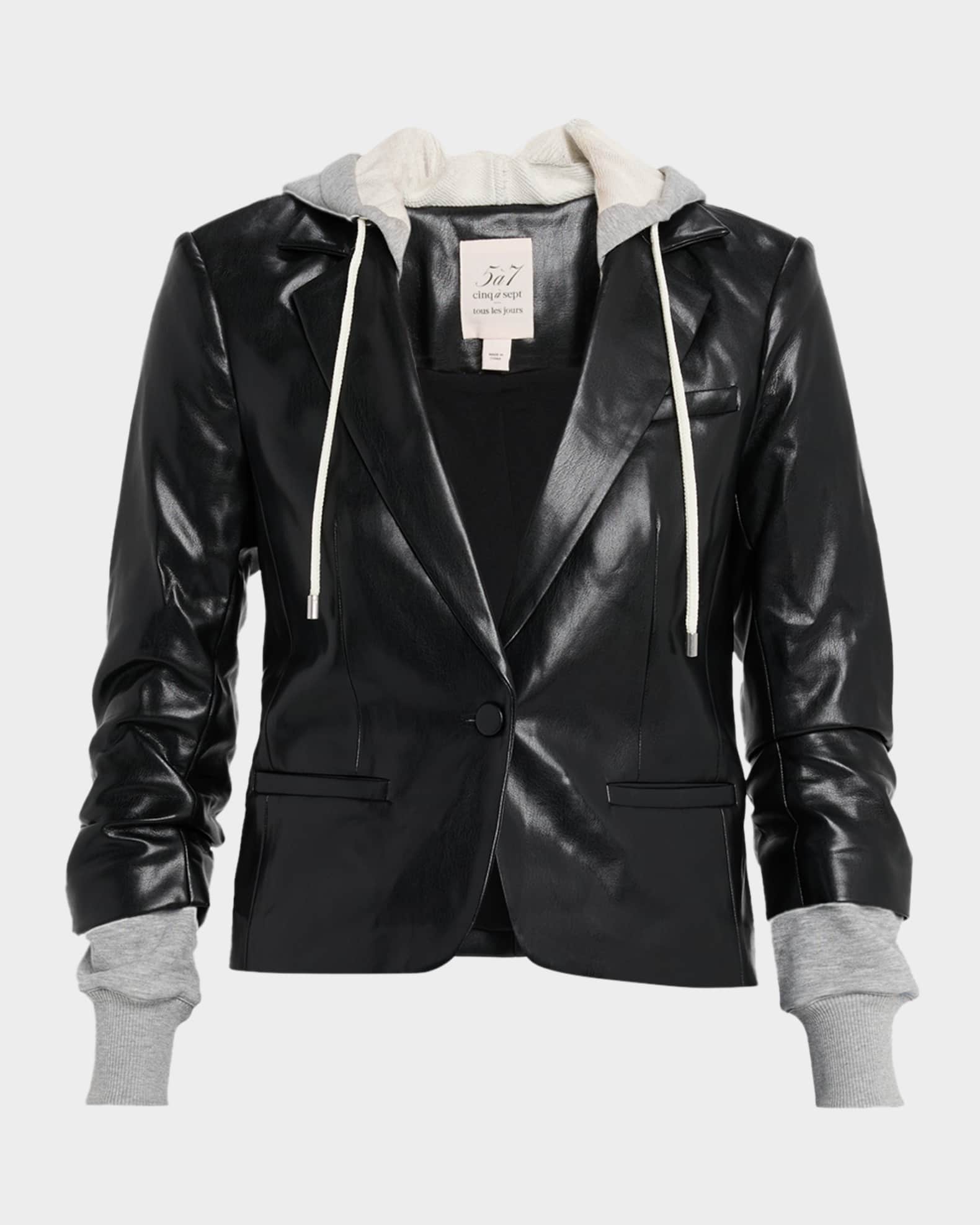
Modern, versatile, and effortlessly cool, the Hooded Vegan Leather Combo Blazer by Cinq à Sept redefines contemporary tailoring. Priced at $495, it merges sleek sophistication with urban sensibility.
The exterior is made from high-quality vegan leather (polyurethane) that mimics the texture and luster of genuine leather while aligning with sustainable, cruelty-free values. What sets this piece apart is its innovative design: a drawstring knit hood and matching cuffs are seamlessly integrated into the blazer’s structure, creating a perfect fusion of streetwear and tailoring.
The design includes a notched collar, single-breasted front, and slim fit that contours the body. The combination of textures, smooth leather and soft knit, adds contrast and versatility. It can be styled with jeans and sneakers for a casual city look or paired with tailored trousers and heels for a bold, modern take on professional dressing.
Cinq à Sept is celebrated for its ability to blend femininity with strength, and this blazer exemplifies that vision. It is designed for the woman who is confident in her individuality, dynamic, adaptable, and effortlessly sophisticated.
The Neiman Marcus Woman: Style Redefined
Each of these pieces captures a facet of who the Neiman Marcus woman is today. She is multifaceted, confident, and deeply attuned to the language of luxury. Her wardrobe is not about trends; it is about authenticity. She dresses to express, not impress.
The Johnny Was Natalie Tee mirrors her creativity and love for color. The L’Agence Una Cardigan speaks to her appreciation for structure and timeless craftsmanship. The Rebecca Vallance Mischa Gown embodies her quiet confidence and poise. The Rails Alanna Blouse reflects her effortless sophistication. The ALEMAIS Clemenza Dress reveals her artistic spirit, while the Cinq à Sept Blazer captures her modern edge and independence.
Together, these designs form a tapestry of style that is elegant, expressive, and enduring. From luxurious fabrics to intricate details, each garment showcases the Neiman Marcus commitment to quality and individuality. Whether priced at $148 or $795, every piece offers a distinct voice within the same symphony of refined design.
This season, Neiman Marcus reminds us that true style is not about extravagance, it is about presence. It is the confidence that comes from wearing something beautifully made, the ease of feeling both powerful and comfortable, and the joy of dressing for oneself.
Fall 2025 is a celebration of the art of dressing well. These new arrivals are more than clothing; they are expressions of identity, craftsmanship, and timeless grace. In every thread, color, and cut lies the promise of elegance, modern, meaningful, and unmistakably Neiman Marcus.
Disclaimer: This article may contain affiliate links, and we may earn a commission if you make a purchase through these links.