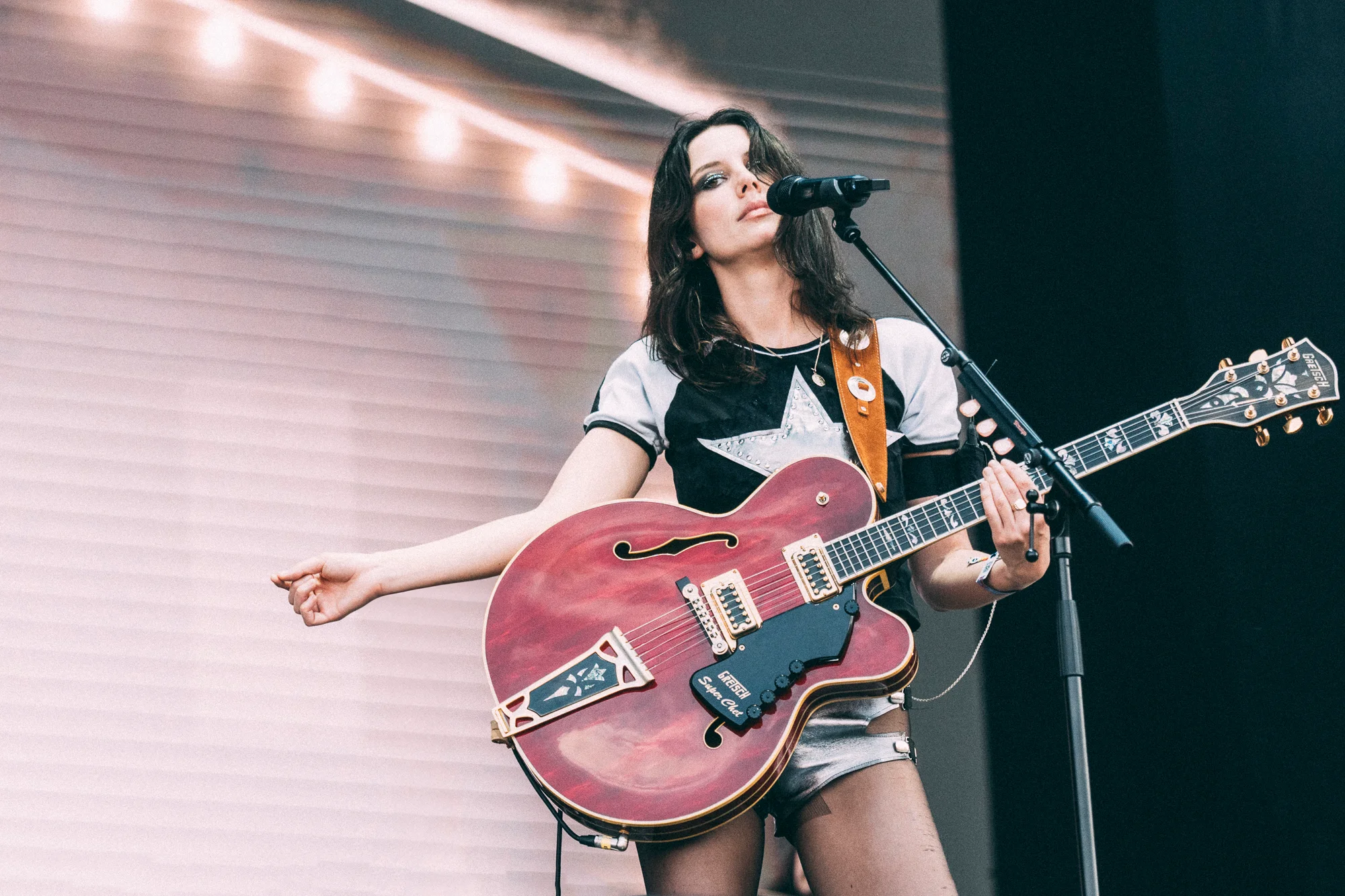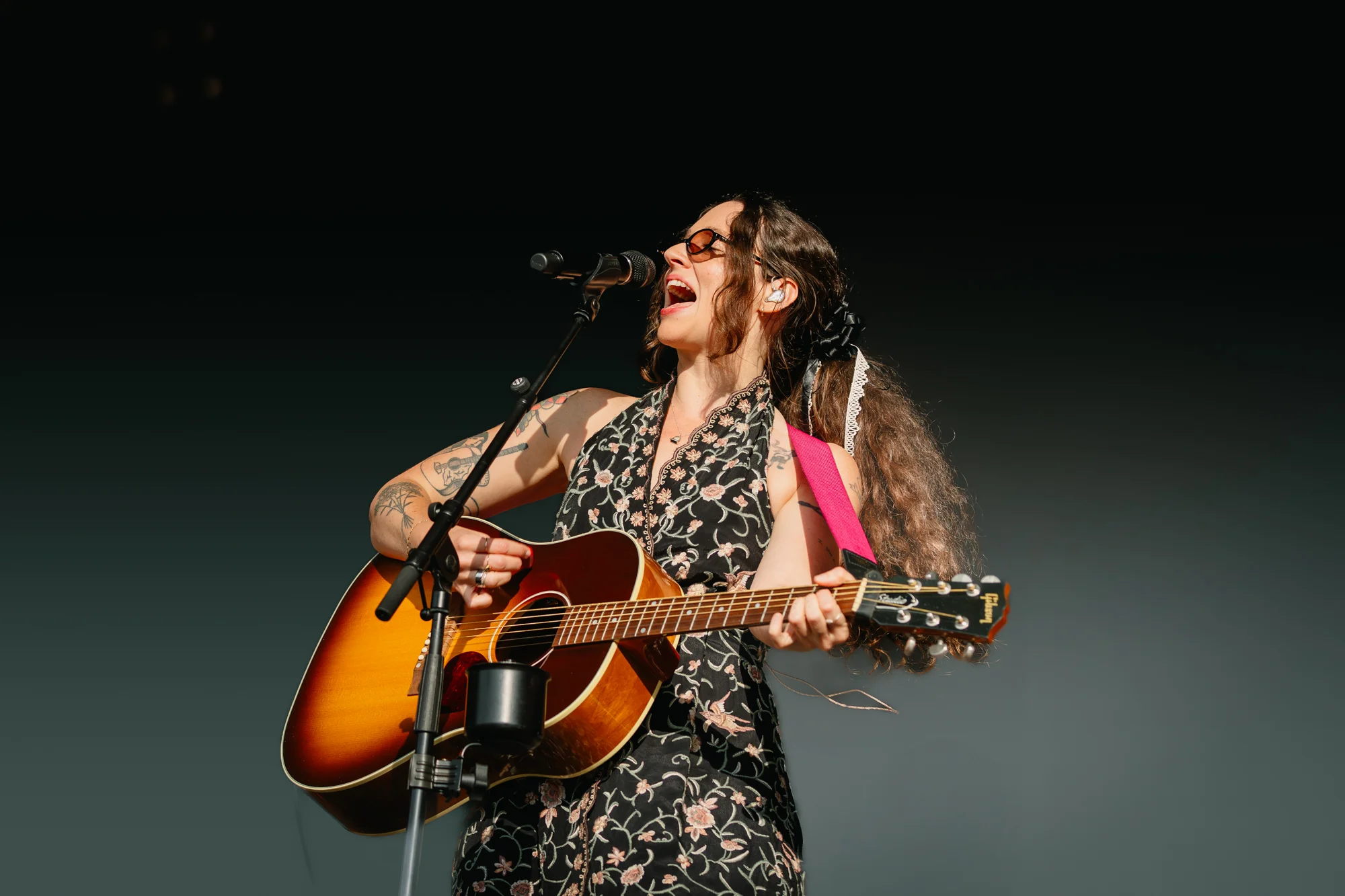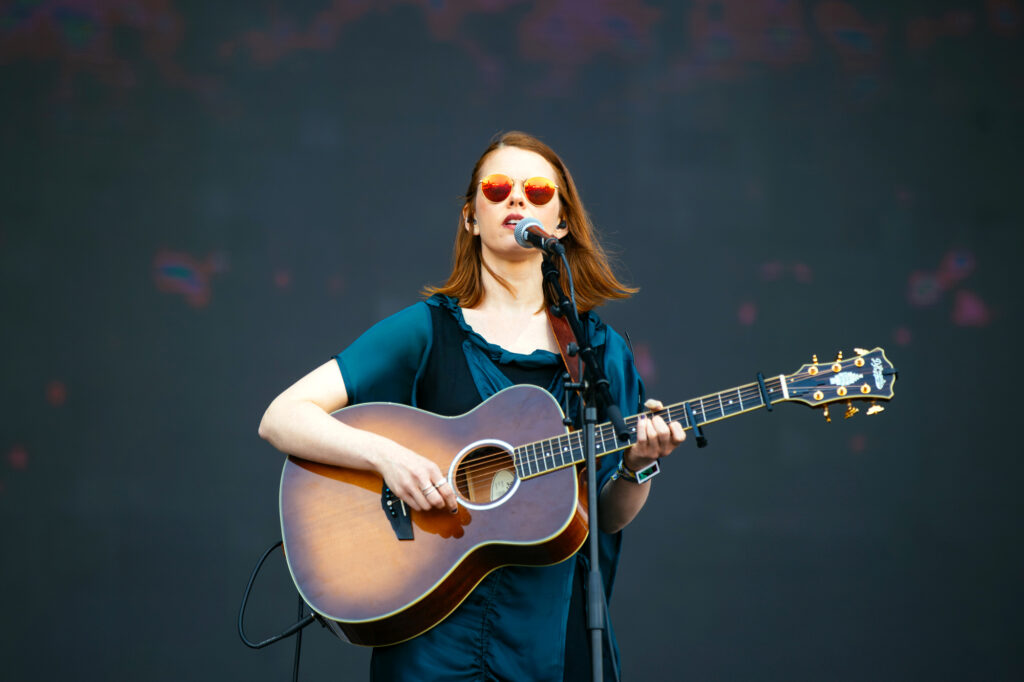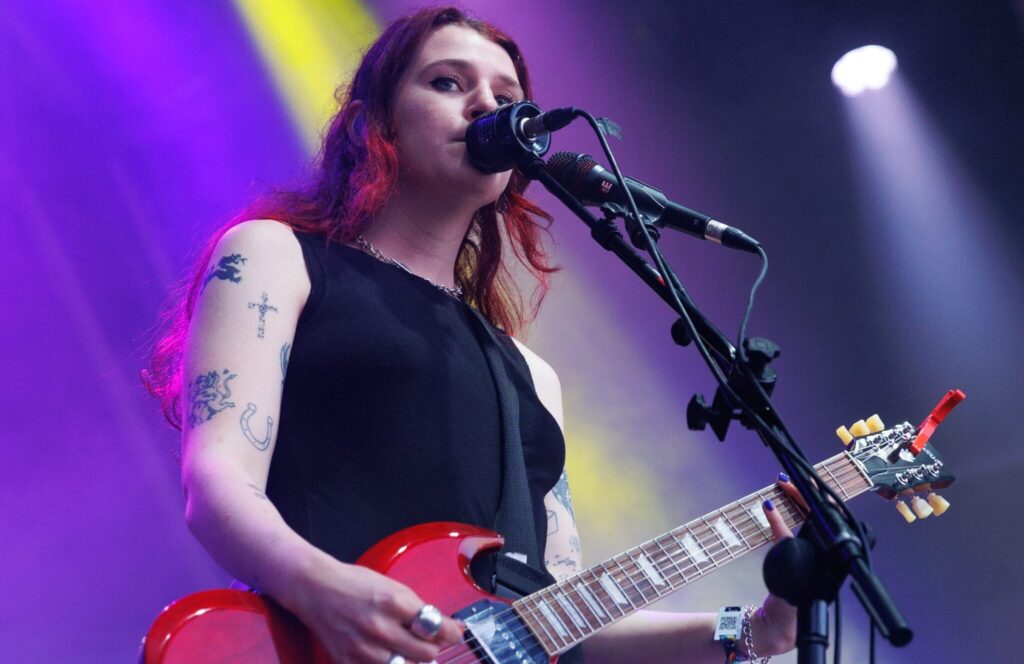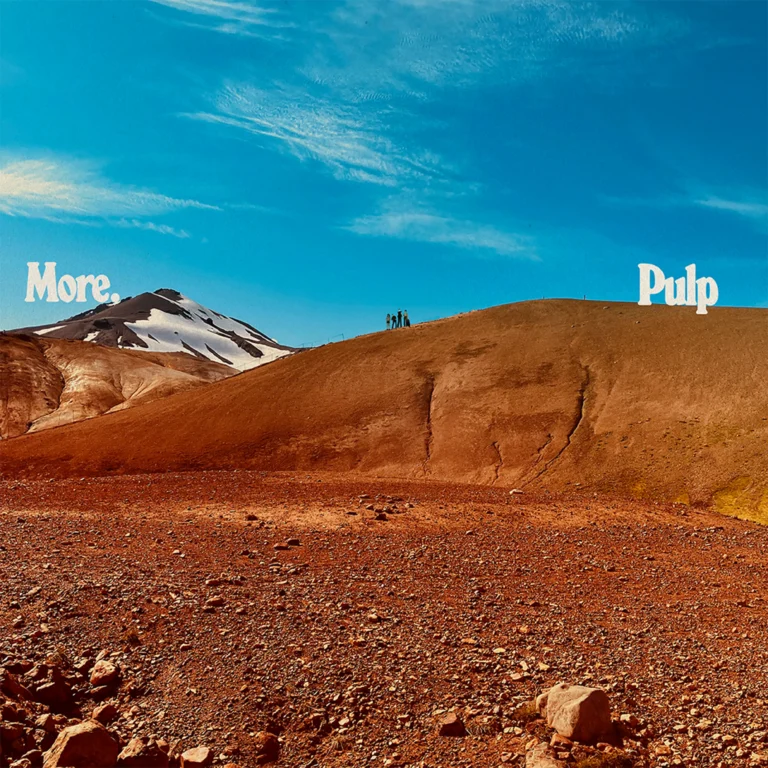
Bonnie “Prince” Billy has unveiled ‘Turned to Dust (Rolling On)’, the fourth and final advance single from his album The Purple Bird ahead of its release on Friday (January 31). It follows previous cuts ‘Our Home’, ‘London May’, and ‘Downstream’. “Right is right, wrong is wrong/ No matter what side your standing on/ Can’t we all just get along/ As life keeps rolling on,” Will Oldham sings on the track. Check it out below.
Clairo Joins SASAMI on New Song ‘In Love With a Memory’
SASAMI has teamed up with Clairo for the pensive new single ‘In Love With a Memory’, which draws inspiration from traditional Japanese pop ballads. It’s the latest single in the lead-up to SASAMI’s forthcoming album, Blood on the Silver Screen, following ‘Honeycrash’, ‘Slugger’, and ‘Just Be Friends’. Check it out via the accompanying Jay Swuen-directed video below.
“‘In Love With A Memory’ was actually the first song I wrote that ended up on Blood On the Silver Screen,” SASAMI explained in a press release. “I grew up going to Japanese or Korean ‘noraebang’ private karaoke rooms with my mom, who was secretly the most incredible singer. Most of her go-to numbers were oooold Japanese and Korean folk songs that low key kind of made me feel like I was in a horror film or David Lynch movie. I can picture my mom in a Julee Cruise-type setting- single, jazz lounge spotlight and cigarette smoke hanging stalely in the air- singing one of those old songs with the most gorgeously haunting vibrato and breathtaking vocal control. That’s the feeling I was tapping into when I started writing ‘In Love With A Memory’, and there is a very timeless but relevant crooning feeling imbued in the song that I think was perfectly reflected by the production that Rostam and I orchestrated together. Claire has been a longtime, long distance friend and dream collaborator for me, so it was such a magnificent gift for her to lend her voice to the narrative. I really imagine this track as a cinematic duet with a ghost.”
Blood on the Silver Screen is due for release on March 7, 2025 via Domino.
How to Layer Fine Jewelry Like A Pro: Tips for Effortless Elegance
In this article, I’ll share tips to help you layer your fine jewelry like a pro. You’ll learn how to achieve that effortless elegance with ease.
Here are some things we’ll cover:
Choosing the right pieces to layer
- Mixing different metals and styles
- Creating balance in your look
Let’s get started!
Why Layer Jewelry?
Layering jewelry has many benefits that enhance your style and make a fashion statement.
First, it allows you to express your personal style by mixing different pieces of varying designs, colors, textures, and materials to reflect your artistic side.
Second, layering gives you versatility. This enables you to easily adapt your look for various occasions, from casual to formal.
Lastly, it allows you to maximize your jewelry collection. Layering encourages you to be creative and try new combinations you might not have considered before. Allowing you to wear your jewelry pieces in more ways than you can imagine.
Steps to Layer Jewelry Like a Pro
Layering jewelry can seem tricky, but you can do it like a pro with simple tips and tricks. Here’s how to create a beautiful layered look that showcases your style.
Steps |
How to Layer It Elegantly? |
| Step 1: Start with a Focal Piece | Begin your layering with a focal piece. This is usually a statement necklace or a bold pendant that will anchor your look. It draws attention and sets the tone for the rest of your jewelry.
For example:
|
| Step 2: Mix Metals | Don’t be afraid to mix metals! Combining gold, silver, and rose gold can add visual interest to your layered look. This technique keeps things fresh and modern.
Here are some ideas:
|
| Step 3: Vary Chain Lengths | Using necklaces of different lengths is key to creating depth. This adds dimension to your look and prevents it from appearing flat.
Consider these length combinations:
|
| Step 4: Layer Bracelets | When it comes to bracelets, aim for an eclectic yet cohesive stack. Mix various styles, widths, and textures to create an interesting look.
Here are some tips:
|
| Step 5: Experiment with Rings | Rings are another great area to experiment. You can stack rings on one or multiple fingers, mixing delicate and bold designs for an eye-catching effect.
Try these combinations:
|
| Step 6: Keep it Balanced | While layering, always aim for balance. Vary sizes and styles while avoiding an overcrowded look. This helps maintain harmony in your jewelry arrangement.
Remember:
|
| Step 7: Incorporate Personalized Jewelry | Finally, remember to incorporate personalized jewelry into your layers. Pieces with special meaning can add a personal touch to your look.
Consider adding:
|
These above steps are easy to follow, and with some creativity, you can layer your jewelry beautifully and confidently like a pro!
Our Styling Tips for Effortless Elegance
Styling your layered jewelry for an effortless and elegant look is easier than you might think.
Here are some tips to help your jewelry shine and make a statement.
- Start with a Neutral Outfit: Wearing a neutral outfit, like black, white, or beige, allows your jewelry to stand out. This way, your layers become the focal point of your look.
- Mix Textures and Shapes: Mix different textures and shapes when layering necklaces. For example, pair a smooth chain with a beaded necklace or a delicate piece with a chunkier one. This adds interest and depth to your style.
- Adjust Layers Throughout the Day: Don’t hesitate to change your layers as the day goes on. If you start with a casual look for the day, you can add more pieces for an evening out. This keeps your style fresh and adaptable.
- Encourage Creativity: Finally, have fun with your jewelry! Experiment with different combinations and styles. Try layering unexpected pieces together or creating new looks with what you already own.
By following these tips, you’ll achieve an effortlessly elegant look that complements your unique style!
Maintenance Tips for Fine Jewelry
Caring for your fine jewelry is important to keep it shining, in excellent condition, and tangle-free, especially when practicing jewelry layering.
First, always clean your jewelry regularly. After wearing it, use a soft cloth to wipe away dirt and oils, which helps maintain its shine.
Second, store your jewelry properly. To prevent tangling and damage, keep each piece in its own compartment or use a jewelry box with separate sections.
Lastly, avoid wearing your jewelry while swimming or exercising, as sweat and chlorine can harm it.
By following these tips, you can keep your fine jewelry looking beautiful and lasting for years to come!
Final Thoughts
Layering fine jewelry is an excellent way to express your personal style and add elegance to any outfit. By following the tips we discussed, like starting with a focal piece and mixing different metals, you can create beautiful looks that are uniquely yours.
Remember to take care of your jewelry by cleaning and storing it properly. This will keep it looking its best for longer years, making your investment worth every gram.
Most importantly, have fun with your jewelry! Don’t be afraid to experiment and try new combinations. With some creativity, you’ll master the art of layering in no time!
An Alchemy of Connection in Luying Dong’s Work
Luying Dong’s shift from the stage to visual art is a trip paved by wonder and invention. Sparked by an obsession with harmonising technology and imagery into live acts, she’s carved out a style that stitches age-old techniques into cutting-edge ideas. Her work wrestles with where we belong and how we relate, refusing tidy labels to drop audiences into vivid, kinetic realms instead. As both a projectionist and a visual artist, she sears haunting visuals into the heart of performances, turning abstraction into something you can almost touch.
From gallery photography in New York to experimental installations for London’s theatres, Luying’s projects map her evolution. A patchwork of influences sharpens her vision—one that merges storytelling’s raw ache with the physicality of live art. This alchemy doesn’t just define her voice; it pulls others into her lifelong hunt for what stitches us together.
Red
Luying’s Red series burns with cultural soul-searching and primal feeling, treating the colour as a weapon and wound. Each frame grapples with suffocation and release, slashing crimson against the skin to stage silent rebellions. Cracked paint and cling-wrap morph into metaphors—trapped breath, stubborn hope—while smeared pigments dissolve reality into something feverish. These images don’t just depict struggle; they make your pulse race.
Anchored in Chinese symbolism yet fiercely modern, the work tangles folklore with private battles. One shot tells a tale of fables; another screams a secret. By keeping details half-hidden, Luying tosses viewers a puzzle—What’s your story here?

Verdant Embrace
Verdant Embrace lays bare the delicacy of interpersonal relations in a reality flooded by screens. Stripped to essentials, the video art lingers on two bodies meshed in a quiet clutch, their forms cradled by emerald leaves. The humming foliage hums with a hunger for real intimacy—the kind that fractures when phones buzz. Their unhurried, fragile, deliberate sway hints at how to trust blooms once we shut out the digital noise.
The imagery heightens this dance through intense shadows and a sealed, greenhouse-like world. This tiny Eden shields them from the frenzy out, echoing our craving for pockets of serenity. As scenes melt from crisp to gauzy, the work nudges us to ask: What do we lose when we never look up? Less elegy than a manifesto, Verdant Embrace insists that connection survives in life’s uncurated moments—the ones we feel, unfiltered.

Beijing Opera
Luying cracks open tradition with Beijing Opera, honouring its history even as she prods its seams. Her monochrome photos crackle with performers mid-roar—their iconic makeup and robes stripped of colour to expose sweat, calluses, and history’s burden on living shoulders. Close-ups strip away grandeur: a trembling lip, a scarred knuckle, the human beneath the myth.
Wider shots freeze figures in barren spaces, their poses hovering between ritual and revolt. Here, heritage isn’t static—it’s a shouting match between what was and what’s next. By seizing these variances, Luying doesn’t just archive an art form; she asks us to hear its heartbeat, alternating with the same fight to stay alive that haunts all fading customs.

What Changes Are Coming to the Esports Industry in 2025?
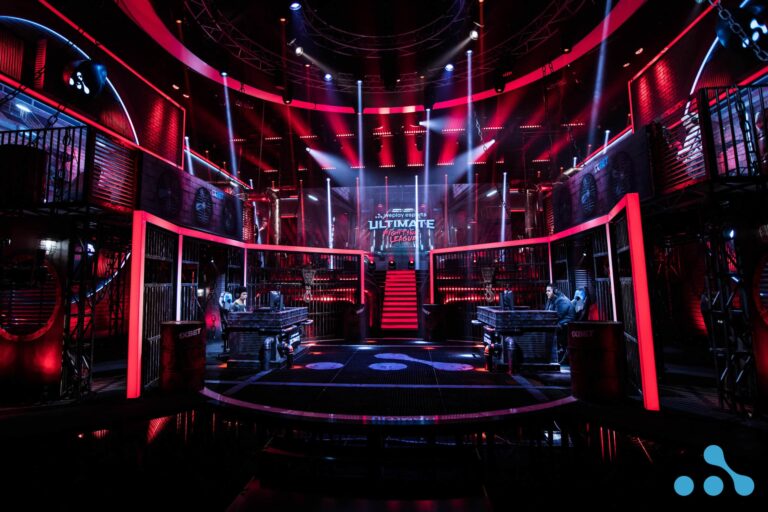
The global ESports industry keeps on growing and it shows no signs of slowing down in 2025. It was worth approximately $2.3 billion in 2024, with that figure expected to rise to as much as $7.03 billion by 2029 . People around the world simply can’t get enough of Esports.
What’s great is that there are many ways to get involved. As well as playing the games themselves, you can watch famous players stream their gaming sessions, follow competitions and tournaments, and even place bets on the biggest sports. A growing number of online sportsbooks accept bets on Esports and GGBet is one of them. This is a sign that Esports are fast growing in popularity.
It’s safe to say that Esports will become even bigger throughout 2025, but what about changes? Will there be anything different this year compared to previous years?
Demographics
One thing that people have noticed about Esports is that it’s a very male-dominated industry. Not just that, it’s also very youth-dominated. While adults create the games, run the events and keep the industry going, it’s well known that most of the players who turn up to the top-level competitions and tournaments are young men.
Throughout 2025 and beyond, there’s a good chance that this key demographic will change. There are already efforts being made to make Esports more welcoming to women and girls , and an increasing number of females have been getting into Esports since the pandemic. There may never be a 50-50 gender balance, but females will no doubt become a lot more noticeable at all levels of Esports in the near future.
Betting Partnerships
Towards the end of 2024, it was announced that Riot Games was going to start allowing betting sponsorships to happen. Riot Games is a key player in the industry as it’s behind the very popular games League of Legends and Valorant. From 2025 onwards, teams for both of these games will be able to form sponsorship deals with betting companies .
This hadn’t been allowed for quite a few years, presumably because Riot Games didn’t want to encourage gambling. The reason the company has relented is money. Its games are among the biggest in the industry and allowing betting companies to sponsor teams that play them could be a very lucrative move. This is part of Riot Games’ ongoing efforts to generate more revenue. The company previously raised the minimum age for tournament competitors from 17 to 18 to enable new advertising streams, i.e. from alcohol companies.
Consolidation
While the Esports industry is huge, some would say it’s not as interconnected as it should be. This is because some games are popular in one part of the world and not another and the biggest games seem to have their own way of doing things when it comes to tournaments.
There’s been a significant effort to consolidate Esports and bring the many different parts of the industry together. This will come to a head with the inaugural Olympic Esports Games, which will take place in Saudi Arabia. Other, similar ones have taken place, though this will be the biggest and most significant in the history of the industry to date.
One of the previous events was the Olympic Esports week which was held in Singapore in 2023. This was a sort of test to see how a full-scale Olympic event could work and whether there would be enough demand for one. The first official Olympic Esports Games will adhere to Olympic values while also promoting gender equality within Esports and engaging the younger generation. It should also give the industry a much larger global platform and attract new people to it.
AI
Though controversial, AI has become widely used and is being adopted in more and more industries. The world of gaming has always been keen to explore new technologies, showcase the latest software and push the boundaries of what computer programming can do. Naturally, embracing AI is the next major step for the industry. While some companies are already using AI, it could become more widespread in 2025, especially when it comes to Esports.
There are many ways AI can benefit Esports . For example, it can improve the games themselves and make them more immersive and responsive to players’ input, analyze large amounts of gameplay data more efficiently and help teams develop strategies that are more likely to succeed.
The key advantage of AI is that it can do in no time at all what it would take multiple people a long time to do. It’s much faster at providing results and its results are often more in-depth and detailed than what people would produce. When it comes to any sort of decision that involves looking at data, there’s every reason to turn to AI. Teams can use it to pick the best new player to add to their roster, betting fans can use it to more accurately predict tournament winners and the players themselves can use it to improve their performance.
Art and Technology: The Intersection of Creativity and Innovation
Art and technology have become increasingly intertwined, creating a fascinating dialogue between human creativity and technological advancement. From ancient inventions like the camera to modern breakthroughs like artificial intelligence and virtual reality, technology has consistently expanded the boundaries of artistic expression.
Today, we find ourselves in an era where art is no longer confined to paint and canvas; instead, it thrives in the digital realm, where algorithms, data, and interactivity shape its form.
The Evolving Relationship Between Art and Technology
Art and technology have shared a symbiotic relationship throughout history, but the scale and depth of their interplay have grown exponentially in recent decades. Early technological innovations, such as the printing press and the invention of photography, democratized art and altered its production and consumption. Fast forward to today, and the landscape has shifted dramatically with the advent of artificial intelligence (AI), virtual reality (VR), and blockchain technologies.
Digital tools now allow artists to transcend traditional mediums, giving rise to interactive and immersive experiences. Technologies like 3D modeling and motion capture have bridged the gap between various forms, enabling collaboration between visual artists, filmmakers, and game designers. The integration of these advancements has pushed the boundaries of art, making it more accessible and multidimensional than ever.
How Technology Enhances Creative Expression
Technology enhances creative expression by offering tools and platforms that revolutionize how art is conceptualized, created, and experienced. Digital innovations like Adobe Photoshop or Procreate allow artists to manipulate textures, lighting, and forms with unprecedented precision, enabling them to execute their visions in ways traditional methods cannot match.
A compelling example lies in interactive digital forms, such as the Divine Fortune demo slot machine, which offers a captivating journey into the world of ancient Greek mythology. Its design integrates artistic storytelling through detailed symbols like Medusa and Pegasus, presenting mythology-inspired visuals on every spin.
This mix of technology and creativity shows how digital tools bring stories to life in exciting new ways. As technology grows, it gives artists more chances to explore their ideas and connect with people everywhere.
The Role of Artificial Intelligence
Artificial intelligence is one of the most groundbreaking tools in contemporary art, challenging traditional notions of authorship and creativity. Programs like OpenAI’s DALL-E and Google’s DeepDream allow artists to create AI-generated art works by inputting descriptive prompts. This capability raises the question: Is the resulting work a product of the machine, the artist, or a combination of both?
Artists like Refik Anadol embrace AI as a collaborator, using machine learning algorithms to analyze massive datasets and translate them into stunning visual installations. These works often bridge the gap between art and data science, offering viewers a unique lens through which to interpret the digital world.
Virtual Reality and Interactive Experiences
Virtual reality and augmented reality have revolutionized how art is experienced. These technologies enable audiences to step inside virtual galleries, explore immersive installations, and interact with digital environments in ways that were once unthinkable. Artists use VR to create spaces where viewers are not just passive observers but active participants in the narrative.
For example, artist Rachel Rossin creates VR installations that blend surreal imagery with interactive storytelling, allowing audiences to explore fantastical digital worlds. Meanwhile, museums and galleries worldwide have embraced AR, overlaying digital content onto real-world exhibits to provide deeper context and engagement.
The Future
The future of art and technology is brimming with possibilities. Emerging fields such as bio-art, which incorporates living organisms into artistic creations, and generative design, which uses algorithms to produce complex patterns and structures, demonstrate how innovation continues to reshape creative expression. These advancements explore the boundaries of culture and technology, as artists use cutting-edge tools to address societal questions, traditions, and the evolving role of creativity in a tech-driven world.
Rather than replacing human creativity, technology is likely to continue acting as an extension of it, offering tools that amplify and diversify artistic expression. As artists adapt to new mediums and technologies, they will continue to reshape the cultural and creative landscapes, ensuring
How To Handle Multiple Locations for Local SEO
Expanding a business to multiple locations is an exciting milestone. But when it comes to local SEO, managing several branches or offices can feel overwhelming. Each location needs to stand out in its local area while maintaining consistency with the overall brand. Whether you’re operating a chain of retail stores, restaurants, or professional services, tailoring your SEO strategy is essential for success, and many growing organizations align their local efforts with broader B2B SEO services to ensure consistency across regions and markets.
If you’re a business owner in a competitive area, like managing SEO in Sarnia, you’ve likely realized the importance of localized strategies for each branch. Let’s dive into the best practices for handling multiple locations in local SEO.
Why Local SEO Matters for Multi-Location Businesses
Local SEO ensures that your business appears in search results when customers look for products or services nearby. For businesses with multiple locations, effective local SEO can mean the difference between thriving in the local community or being overshadowed by competitors.
For instance, potential customers are likely to search for “near me” queries or use location-specific terms. If your branches aren’t optimized, they may not appear in search results, and your competitors could win the traffic you deserve. If your branches aren’t optimized, they may not appear in search results, and your competitors could win the traffic you deserve, especially in the absence of the guidance of the home services online marketing experts.
Challenges of Multi-Location SEO
1. Maintaining Brand Consistency
It’s crucial to ensure that every location aligns with your brand image while catering to local audiences. Inconsistent information across platforms can confuse customers and harm your credibility.
2. Avoiding Content Duplication
Creating content for multiple locations without duplicating can be tricky. Duplicate content can hurt rankings, as search engines may struggle to determine which page to prioritize.
3. Keeping Listings Accurate
From addresses to phone numbers and business hours, keeping your local listings accurate across all platforms is a time-intensive but necessary task.
Best Practices for Managing Multiple Locations in Local SEO
1. Create Dedicated Location Pages
Each location should have its own webpage, known as a location landing page. These pages should include:
- The location’s full address and phone number
- Business hours
- Google Maps integration
- Unique content tailored to the location’s offerings or community
For example, if you’re creating a page for your Sarnia location, mention what sets it apart, such as community events or locally relevant services.
2. Optimize Google Business Profiles (GBP)
Google Business Profiles are vital for local SEO. Here’s how to get it right:
- Create a GBP for Each Location: Each branch should have a separate listing.
- Use Accurate NAP (Name, Address, Phone Number): Ensure uniformity across all profiles and platforms.
- Add Photos: High-quality images of your storefront, interior, and team can build trust.
- Encourage Reviews: Positive customer reviews can enhance visibility and credibility.
3. Use Local Keywords Strategically
Incorporating location-specific keywords helps each branch rank for local searches. However, avoid overusing the same keywords. Instead, use variations and long-tail phrases. For instance:
- Instead of repeating “best coffee shop in Sarnia,” consider phrases like “locally roasted coffee near Sarnia.”
4. Leverage Structured Data Markup
Structured data markup, or schema, helps search engines understand your content better. For local SEO, use LocalBusiness schema to provide search engines with precise details about each location.
This includes:
- Address
- Phone number
- Business hours
- Geo-coordinates
Adding structured data increases the chances of your business appearing in rich snippets, enhancing visibility.
5. Centralize Management with SEO Tools
Handling multiple locations is easier with the right tools. Platforms like Moz Local, BrightLocal, and Yext can help manage listings, monitor reviews, and track rankings across all locations.
Centralized management ensures:
- Consistency across platforms
- Efficient updates for new locations
- Streamlined review monitoring
6. Generate Location-Specific Content
Each branch should feel like part of the local community. Here’s how to create engaging, location-based content:
- Highlight Local Events: Share blog posts or social media updates about events happening near your locations.
- Create Location-Specific FAQs: Address questions that customers in each area might have.
- Feature Local Testimonials: Include reviews or stories from customers in the area.
For example, a bakery in Sarnia could share a blog about sourcing ingredients from local farms or participating in community fairs.
7. Manage Online Reviews Carefully
Online reviews are a cornerstone of local SEO. Positive reviews can boost rankings, while negative ones, if ignored, can deter customers. Here’s how to handle reviews effectively:
- Encourage Feedback: Politely ask satisfied customers to leave reviews.
- Respond Promptly: Thank customers for positive reviews and address negative feedback professionally.
- Use Review Monitoring Tools: Tools like Reputation.com or BirdEye can help you stay on top of reviews for all locations.
8. Monitor Analytics by Location
Tracking performance for each branch helps you refine your strategies. Use tools like Google Analytics and Google Search Console to:
- Measure traffic to each location page
- Identify top-performing keywords
- Analyze customer behavior patterns
For example, if your Sarnia branch’s page receives fewer visits, you might need to revisit your keywords or enhance the content to better engage the audience.
9. Build Local Backlinks
Backlinks remain a powerful SEO tool. Focus on earning backlinks from local sources, such as:
- Local blogs or news outlets
- Chambers of commerce
- Sponsorships of community events
For example, sponsoring a charity run in Sarnia could earn your business a valuable mention on the event’s website.
10. Keep Citations Consistent
Citations—mentions of your business on the web—are a critical component of local SEO. They don’t necessarily need to include a backlink, but they must be consistent. Ensure that your NAP information matches across all:
- Online directories
- Social media platforms
- Review sites
Inconsistent citations can confuse search engines and hurt your rankings.
11. Use Social Media for Local Engagement
Social media offers an excellent platform to connect with local audiences. Here are a few tips:
- Share location-specific updates, promotions, and events.
- Engage with followers by responding to comments and messages.
- Use location-based hashtags to improve discoverability.
For example, a boutique in Sarnia might use hashtags like #SarniaFashion or #ShopLocalSarnia to attract local shoppers.
12. Regularly Audit Your Local SEO
SEO isn’t a one-and-done process. Regular audits help identify areas for improvement. During an audit, check:
- GBP accuracy for all locations
- Citation consistency
- Keyword performance
- Mobile-friendliness of location pages
Routine updates ensure that your SEO strategy stays effective as search engine algorithms evolve.
Wrapping It Up
Handling multiple locations for local SEO can seem daunting, but it’s entirely manageable with the right strategies. By creating tailored content, maintaining consistency, and leveraging tools, you can boost visibility for all your branches while connecting with local audiences.
Whether you’re managing SEO in Sarnia or optimizing for other locations, staying organized and proactive is key. By implementing these best practices, you’ll not only enhance your online presence but also drive more customers to each of your locations.
Start small, measure results, and refine your strategy as needed—your multi-location business will thank you!
Charles Gaines to Present at Hauser & Wirth West Hollywood
This February, conceptual art pioneer Charles Gaines displays his latest series, Numbers and Trees, The Tanzania Baobabs, at Hauser & Wirth West Hollywood. Following a prominent 2023–24 museum survey and celebrated public commissions, Gaines returns to Los Angeles with his most intricate iteration yet of his Numbers and Trees series. This series was originally conceived in 1987.
The exhibition will run from the 19th of February until the 24th of May, 2025.
Inspired by photographs of baobab trees taken during a trip to Tanzania in 2023, nine large-scale triptychs are featured in the exhibition, along with watercolor diptychs. In Gaines’ ongoing exploration of the relationship between perception and meaning, these trees, known as the “tree of life,” serve as a focal point. Using trees as a motif since the 1970s, Gaines has transformed them into geometric forms that challenge traditional notions of artistic subjectivity.
Gaines uses a sophisticated system of rules and procedures to assign colors and numbers to each baobab tree in this new series. As a result, a series of Plexiglas works are layered with intricate visual details. In some pieces, the back panel shows an enlarged detail of the tree crown, breaking down the image into individual cells, inviting viewers to question their perceptions.
Bringing Home a New Puppy? Must-Have Essentials for a Happy Homecoming!
Bringing home a new puppy is an exhilarating experience, filled with love and excitement. However, it also comes with the responsibility of ensuring your home is ready for your new furry family member. From providing the essentials for comfort and training to ensuring their safety, there’s a lot to consider. One crucial tool that should be on your must-have list is a canine GPS tracker. In this article, we will explore the essential items you need for your puppy’s seamless transition into your home, and why investing in a canine GPS tracker is vital for their safety.
-
A Comfortable Space for Your Puppy
Dog Bed: Choose a bed suitable for your puppy’s size, ensuring it’s made from durable materials that can withstand occasional chewing.
Crate: A crate can help with house training and provide a safe space for your puppy. Ensure it’s large enough for your puppy to stand, turn around, and lie down comfortably.
Blankets: Soft, cozy blankets can provide added warmth and comfort in their bed or crate.
-
Proper Feeding Equipment
Your puppy’s diet is crucial to its health and happiness. You’ll need:
Food and Water Bowls: Opt for stainless steel or ceramic bowls, as they’re easier to clean and more durable than plastic.
High-quality Puppy Food: It’s essential to consult your vet for puppy food recommendations, considering their age and breed.
Measuring Cup: To ensure proper portion sizes according to the feeding guidelines.
-
Grooming Essentials
Proper grooming contributes to your puppy’s overall health and well-being. Stock up on:
Brush: Depending on your puppy’s coat type, choose a suitable brush to help reduce shedding and matting.
Shampoo: Use gentle, puppy-specific shampoo that won’t irritate their skin.
Nail Clipper: Regular nail trims are essential for your puppy’s comfort and health.
-
Training Supplies
Training your new puppy lays the foundation for good behavior. Essential training supplies include:
Collar and Leash: Choose a comfortable, adjustable collar that’s appropriate for your puppy’s size and a sturdy leash for walks.
Training Treats: Keep a selection of treats on hand to reward good behavior during training sessions.
Puppy Training Pads: Useful for potty training, especially in the early days.
-
Toys for Fun and Engagement
Toys are vital for keeping your puppy entertained and stimulated. Consider:
Chew Toys: Durable toys that can withstand chewing help satisfy your puppy’s need to gnaw and promote healthy teeth.
Interactive Toys: Toys that challenge your puppy mentally can keep them engaged, providing physical and mental stimulation.
Fetch Toys: Balls or soft toys that are suitable for playing fetch can promote bonding and exercise.
-
Identification and Safety Measures
Alongside physical and emotional needs, focusing on your puppy’s safety is crucial. This is where a canine GPS tracker becomes essential. Here’s why:
Lost Pet Prevention: Puppies are curious and playful; they can slip away before you even realize it. A canine GPS tracker helps ensure you can locate them if they wander off.
Geofencing Alerts: Many trackers offer geofencing capabilities, alerting you if your puppy crosses a predetermined boundary, helping you prevent potential accidents.
Real-time Tracking: The ability to see your puppy’s location in real-time through a mobile application provides peace of mind, allowing you to act quickly if necessary.
-
Health and Vet Essentials
Ensuring your puppy’s health is paramount. Don’t forget to:
Choose a Veterinarian: Establish a relationship with a trusted veterinarian who can guide you in vaccinations and overall health care.
Set Health Insurance: Consider getting pet insurance to help with potential medical expenses.
Pet First Aid Kit: Keep a basic first aid kit for your puppy, including bandages, antiseptics, and any recommended medications.
-
Socialization and Interaction
Puppies require socialization for their emotional development and behavior management:
Puppy Classes: Enroll in puppy training or socialization classes to expose your pet to other dogs and people in a supervised environment.
Playdates: Arrange playdates with well-behaved dogs to help your puppy learn social cues and proper interaction.
Conclusion
Bringing a new puppy into your home is a joyful occasion that requires preparation and planning. From creating a comfortable space and selecting the right food to investing in essential training tools, every step contributes to your puppy’s happiness and well-being. Among these essentials, don’t overlook the importance of a canine GPS tracker. It provides an added layer of safety and security, allowing you to keep tabs on your adventurous puppy and enjoy those special moments together without worry.
Keeping It Fragile: The Essentials of Moving Fine Art in NYC
- Proper preparation, including assessing and documenting artwork, is essential to ensure safe relocation.
- Professional movers with expertise in delicate handling can significantly reduce risks during transit.
- Packing with high-quality materials and clear labeling helps protect artwork from damage.
- Thoughtful unpacking and installation in a clean, stable environment preserve the integrity of your collection.
Moving fine art is no ordinary task. Each piece tells a story, holds value, and deserves to be treated with utmost care. Unfortunately, the process of relocating delicate artwork can feel daunting, especially in a bustling city like New York. From avoiding scratches to ensuring climate control, every detail matters.
In this post, you’ll learn essential tips for protecting your cherished artwork during a move. We’ll cover how to prepare, pack, and transport your pieces with precision. Whether you’re a gallery owner, collector, or artist, these steps will help ensure a seamless transition for your fine art.
The Art of Preparation
The first step to safeguarding your fine art during a move is thorough preparation. Before touching a single piece, assess the condition of each item and take detailed notes. In a city like NYC, where storage spaces and apartments vary greatly, understanding the dimensions and fragility of your artwork is crucial for planning.
Documenting your collection is another vital task. Take clear photographs and make an inventory list. This is especially helpful if you need to file insurance claims. Ensure your insurance policy covers transit, as the dense traffic and unpredictable weather of New York can present unique risks during a move.
Finally, gather the right supplies. Acid-free paper, custom-sized crates, and padding are non-negotiable for protecting artwork. Local art supply shops in NYC often stock high-quality materials, saving you from unnecessary delays. Proper preparation lays the foundation for a smooth, damage-free move.
The Importance of Professional Assistance
Relocating fine art in NYC calls for expertise. With crowded streets and limited parking, moving fragile pieces yourself can be risky. This is why you should hire fine art movers in NYC, as they typically offer tailored solutions for safe and efficient transport.
Professional movers bring more than just muscle—they bring experience. They understand how to handle delicate sculptures, oversized paintings, and multi-panel pieces. Many reputable movers in New York also offer climate-controlled vehicles, ensuring artwork remains unharmed by sudden temperature shifts or high humidity.
When choosing movers, prioritize those who specialize in fine art. Look for testimonials, check their track record, and ensure they have the right certifications and insurance coverage. A skilled mover is not just a convenience—they’re a safeguard for your valuable pieces.
Packing Artwork with Care
Packing fine art requires precision and patience. In NYC, where space is often limited, organizing your packing area is key. Begin by selecting high-quality materials like acid-free paper, bubble wrap, foam, and custom crates. These ensure your artwork is protected from scratches, vibrations, and external impacts during the move.
For paintings, use corner protectors and wrap the piece in acid-free paper to prevent discoloration. Sculptures and three-dimensional art need extra cushioning—custom foam inserts or padded crates are ideal for safeguarding fragile edges and protrusions. Mirrors or glass-covered pieces should be cross-taped to minimize the risk of shattering.
Label each package clearly. Indicate which side should remain upright and specify that the contents are fragile. This is especially important if you’re relying on movers unfamiliar with your items. NYC’s fast-paced environment can lead to hurried handling, so detailed labeling helps minimize risks.
Lastly, pack in a logical sequence. Place lighter items on top and heavier ones at the bottom. Keep a detailed list of what’s in each box, as this will make unpacking in your new space much more manageable.
Ensuring Safe Transit
Navigating NYC’s busy streets while moving fine art is a unique challenge. The right vehicle and transport conditions can make all the difference. Opt for vehicles equipped with climate control to prevent temperature fluctuations, which can harm sensitive materials like canvas and wood.
Vibration-reduction measures are another must. Professional moving companies in NYC often use padded trucks or specialized harness systems to secure fragile items during transit. If you’re moving artwork yourself, ensure that every piece is tightly packed to prevent shifting during the journey.
Traffic and parking regulations in NYC can also complicate your move. Confirm that your movers are familiar with local restrictions and have permits for parking in high-demand areas. This foresight avoids unnecessary delays and risks to your items.
Tracking your shipment adds an extra layer of reassurance. Many NYC fine art movers offer GPS tracking so you can monitor the location and condition of your artwork in real time. Taking these precautions ensures your fine art arrives safely, no matter how chaotic the city streets may be.
After the Move – Unpacking and Placement
The final stage of relocating fine art is unpacking and installing your pieces with care. Once your artwork has arrived at its destination, inspect each piece thoroughly for any signs of damage. Take your time—small scratches or dents can go unnoticed but might require attention later.
When unpacking, work in a clean, open space. In NYC apartments or galleries, where space might be tight, clear an area to ensure nothing obstructs your movements. Begin with the largest or most delicate items, and use proper tools like box cutters to carefully remove packaging without harming the contents.
Placement is equally important. Ensure the walls or surfaces where you display artwork are stable and clean. For heavier pieces, consider wall anchors or professional installation services. Pay attention to lighting and humidity in your new space, as these environmental factors play a significant role in preserving the integrity of your collection.
By handling this final step thoughtfully, you ensure your fine art is not only moved but also displayed beautifully in its new setting.
Conclusion
Relocating fine art requires a combination of meticulous planning, specialized packing, and careful handling. From the initial preparation to the final placement, each step plays a vital role in preserving the value and beauty of your collection.
By taking the time to prepare properly, enlisting professional help, and ensuring safe transit, you can protect your cherished pieces from start to finish. Whether you’re moving across town or to a new borough, these strategies will help you navigate the process with confidence and care.