Home Blog Page 739

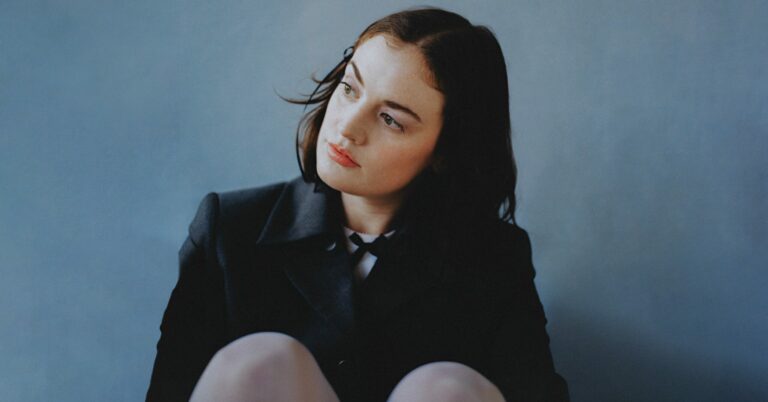
bar italia Share Video for New Single ‘Jelsy’

0

bar italia have dropped a new song, ‘Jelsy’, lifted from their upcoming album The Twits. It follows lead single ‘my little tony’, which made our Best New Songs list. Check out a video for it below.

The Twits, the follow-up to May’s Tracey Denim, is due to arrive on November 3 via Matador.

How the Modern Era Redefines Entertainment for Diverse Audiences

In today’s rapidly evolving world, the way we consume entertainment has undergone a significant transformation. With advancements in technology and changing societal norms, entertainment has become more diverse and inclusive than ever before. The modern era has brought about a redefinition of entertainment, catering to diverse audiences in ways that were previously unimaginable. In this blog post, we will explore how the modern era has reshaped the landscape of entertainment, embracing diversity and inclusivity.

The Rise of Streaming Platforms

One of the key contributors to the redefinition of entertainment is the rise of streaming platforms such as Netflix, Amazon Prime, and Disney+. These platforms have revolutionized the way we consume content, providing a vast library of movies, TV shows, documentaries, and more at our fingertips. Unlike traditional television or movie theaters, these platforms offer a wide range of content that caters to diverse interests and tastes.

Through personalized recommendations based on viewing habits, streaming platforms ensure that viewers are exposed to a variety of content that aligns with their preferences. This personalized approach not only enhances the viewing experience but also promotes diversity by introducing audiences to genres, cultures, and stories they may not have otherwise explored.

Representation and Inclusivity in Media

Another significant aspect of the modern era’s redefinition of entertainment is the increasing emphasis on representation and inclusivity in media. The demand for diverse representation has grown louder in recent years, pushing the entertainment industry to reflect the rich tapestry of our society on screen.

The positive effects of diverse representation can be seen in the increased engagement and identification of audiences with on-screen characters. When people from different backgrounds see themselves represented in media, it fosters a sense of belonging and validation. It provides a platform for underrepresented communities to have their stories told and heard, leading to greater empathy and understanding among diverse audiences.

Movies like “Black Panther” and “Crazy Rich Asians” and TV shows like “Pose” and “Dear White People” have not only resonated with audiences but also shattered long-standing stereotypes, paving the way for more inclusive storytelling in the future.

Social Media and User-generated Content

Social media platforms have become influential forces in shaping entertainment preferences and promoting diverse voices. With platforms like Twitter, Instagram, and TikTok, users have the power to create and share their own content, bypassing traditional gatekeepers of the entertainment industry.

User-generated content has played a pivotal role in diversifying entertainment choices. It has given rise to creators from various backgrounds who tell their stories authentically and connect with audiences on a personal level. Online communities have formed around specific interests, allowing people to discover and promote content that resonates with them, regardless of mainstream popularity.

Furthermore, technology has democratized content creation and distribution. Platforms like YouTube have given aspiring filmmakers, comedians, musicians, and other creative individuals the opportunity to showcase their work and reach global audiences. Using Model Searcher and other similar search and discovery engines has made looking for specific OnlyFans models and creators possible. This has led to the discovery of unique and diverse content that may have otherwise gone unnoticed by traditional media outlets.

The Impact of Technology on Accessibility

Technology has profoundly impacted accessibility, making various forms of content and services more available to individuals with disabilities. The development of assistive technologies, such as screen readers, closed captions, and alternative input devices, has empowered people with visual, hearing, and motor disabilities to access and engage with digital content. Additionally, advancements in web design and development practices, like responsive design and adherence to accessibility standards, have made websites and applications more user-friendly for individuals with diverse abilities. 

Moreover, technology has also facilitated greater inclusivity in education and communication. Online learning platforms and educational tools have made it possible for students with disabilities to participate in remote learning and access resources that were previously inaccessible. Furthermore, the widespread availability of video conferencing platforms and communication apps has enabled individuals with speech and hearing impairments to engage in real-time conversations through features like live captions and video relay services. 

Challenges and Opportunities

While the modern era has made significant strides in redefining entertainment for diverse audiences, challenges remain. Stereotypes and biases persist in media portrayal, perpetuating harmful narratives and limiting opportunities for underrepresented communities. The industry must continue actively addressing these issues and providing platforms for diverse voices to be heard.

However, with challenges come opportunities. The demand for inclusive entertainment is growing, and audiences are increasingly seeking content that reflects their experiences. This presents a unique chance for storytellers and content creators to explore new narratives, challenge existing stereotypes, and pave the way for a more inclusive future.

The modern era has ushered in a new era of entertainment, one that embraces diversity and inclusivity. Streaming platforms, representation in media, social media, and advancements in technology have all played pivotal roles in redefining entertainment for diverse audiences. While there are still challenges to overcome, the opportunities for growth and innovation are immense.

As we move forward, it is essential for the entertainment industry to continue pushing boundaries, breaking down barriers, and amplifying diverse voices. By doing so, we can ensure that entertainment remains a powerful tool for fostering empathy, understanding, and connection among people from all walks of life. The modern era has set the stage for a more inclusive and diverse future of entertainment, and the possibilities are limitless.

8 Ways You Can Have Fun Over Your Computer

In today’s digital age, our computers have become more than just tools for work and productivity. They have transformed into gateways to endless entertainment and fun. Whether you’re looking to unwind after a long day or connect with others, your computer can be a source of joy. In this blog post, we will explore eight exciting ways you can have fun over your computer.

1. Online Gaming

Online gaming has become a popular pastime for people of all ages, offering an immersive and interactive experience that can be enjoyed right from your computer. With a wide range of resources and options for PC games free download, the world of online gaming is accessible to everyone. From action-packed shooters to strategy-based simulations, there is a game genre to suit every preference.

PC games that are available for free download offer a great way to explore the world of online gaming without breaking the bank. These games are often developed by independent studios or offered as free-to-play options by larger game companies. Whether you’re looking for a quick or a long gaming session, PC games provide an extensive library of titles.

One of the advantages of online gaming on your computer is the ability to connect with other players from around the world. Many PC games offer multiplayer modes, allowing you to team up with friends or compete against others in thrilling online battles. The social aspect of online gaming adds an extra layer of excitement and engagement, making it a great way to connect with like-minded individuals who share your passion for gaming.

2. Virtual Reality Experiences

Virtual reality (VR) experiences offer a thrilling and immersive way to have fun over your computer. Through VR headsets and controllers, you can step into virtual worlds and engage with them in incredibly realistic ways. Whether you’re exploring fantastical landscapes, battling enemies in intense games, or participating in virtual simulations, VR experiences provide a level of engagement and excitement that is hard to replicate through other mediums. With advancements in technology, VR experiences continue to evolve, pushing the boundaries of what is possible and offering users an unprecedented level of immersion and enjoyment.

One of the key advantages of VR experiences is the ability to transport yourself to different environments and scenarios without leaving the comfort of your home. Through VR, you can visit historical landmarks, travel to distant planets, or even dive into the depths of the ocean, all from the confines of your computer. The sense of presence and interactivity in VR enhances the enjoyment factor, allowing you to interact with objects, solve puzzles, and engage with characters in ways that feel natural and lifelike. Whether you’re seeking adrenaline-pumping adventures or peaceful, meditative experiences, VR offers a wide range of options to cater to your preferences.

3. Streaming Services

Streaming services have revolutionized the way we consume entertainment, offering a wide array of TV shows, movies, and documentaries that can be enjoyed directly on your computer. Platforms like Netflix, Hulu, Amazon Prime Video, and Disney+ provide a vast library of content that caters to various tastes and preferences. Whether you’re in the mood for gripping dramas, side-splitting comedies, or thought-provoking documentaries, streaming services offer endless hours of entertainment right at your fingertips.

One of the key advantages of streaming services is the convenience they provide. With just a few clicks, you can access a vast selection of content without needing to leave your home or purchase physical copies. This accessibility allows you to indulge in binge-watching sessions, catch up on your favorite series, or discover new shows and movies that pique your interest. Additionally, many streaming platforms offer personalized recommendations based on your viewing habits, making it easier than ever to find content that aligns with your preferences.

Another benefit of streaming services is the ability to watch content on-demand. Unlike traditional television, where you are limited by scheduled programming, streaming services allow you to watch what you want when you want. This flexibility allows you to curate your entertainment experience, helping you tailor your viewing habits to fit your schedule and preferences. Whether you prefer to dive into a new series late at night or enjoy a movie marathon on a lazy Sunday afternoon, streaming services grant you the power to have fun and be entertained on your own terms.

4. Online Music and Podcasts

Gone are the days of buying physical albums or waiting for your favorite songs to play on the radio. With online music streaming platforms like Spotify, Apple Music, and YouTube Music, you can access millions of songs with just a few clicks. Discover new artists, create playlists, and enjoy personalized recommendations tailored to your taste. Furthermore, the rise of podcasts has opened up a world of audio content on various topics, allowing you to expand your knowledge or simply enjoy engaging conversations.

5. Online Learning and Skill Development

If you’re looking to have fun while expanding your horizons, online learning platforms are the way to go. Websites like Coursera, Udemy, and Khan Academy offer a wide range of courses and tutorials on almost any subject imaginable. From photography and graphic design to coding and foreign languages, you can develop new skills and pursue your passions at your own pace. Learning becomes an enjoyable experience as you explore subjects that genuinely interest you.

6. Social Media and Online Communities

Social media platforms like Facebook, Instagram, Twitter, and TikTok have become integral parts of our lives, connecting us with friends, family, and the world at large. Aside from sharing updates and photos, social media offers a wealth of entertainment. Engage with viral videos, memes, and funny posts that are sure to brighten your day. Additionally, online communities and forums allow you to connect with like-minded individuals who share your interests, creating a sense of belonging and fostering meaningful connections.

7. Virtual Events and Webinars

Attending events and conferences no longer requires physically being there. With the rise of virtual events and webinars, you can participate in workshops, seminars, and even concerts from the comfort of your own home. Interact with industry professionals, learn from experts, and broaden your knowledge without the need for travel. Virtual events provide an accessible and engaging way to stay connected and expand your horizons.

8. Online Challenges and Games

Engaging in online challenges and games is another entertaining way to have fun over your computer. From viral challenges on social media platforms to online puzzles and brain teasers, these activities offer a chance to test your skills, compete with others, and have a good laugh. Whether it’s solving riddles, participating in online escape rooms, or trying out virtual treasure hunts, these games and challenges provide a unique form of entertainment that keeps you engaged and entertained.

In today’s digital era, the possibilities for having fun over your computer are virtually limitless. From online gaming to virtual reality experiences, streaming services to online learning, social media to virtual events, and challenges and games, there is something for everyone. As we continue to rely on technology for entertainment, it’s important to find a balance between our online and offline lives. So, dive into the world of fun and entertainment over your computer, but don’t forget to take breaks, connect with loved ones, and enjoy the wonders of the physical world as well.

Madi Diaz Announces New Album ‘Weird Faith’, Shares Video for New Single

Nashville singer-songwriter Madi Diaz has announced her new album, Weird Faith, which arrives on February 9, 2024 via ANTI-. According to Diaz, the follow-up to 2021’s History Of a Feeling “chronicles a new relationship, but also a new relationship to myself.” Lead single ‘Same Risk’ is out today alongside an accompanying video co-directed by Diaz and Elizabeth Olmstead. Check it out and find the album cover and tracklist below.

Madi Diaz co-produced Weird Faith with Sam Cohen and Konrad Syder. The LP features a guest appearance from Kacey Musgraves on the song ‘Don’t Do Me Good’.

Check out our Artist Spotlight interview with Madi Diaz.

Weird Faith Cover Artwork:

Weird Faith Tracklist:

1. Same Risk
2. Everything Almost
3. Girlfriend
4. Hurting You
5. Get To Know Me
6. God Person
7. Kiss The Wall
8. Don’t Do Me Good [feat. Kacey Musgraves]
9. For Months Now
10. KFM
11. Weird Faith
12. Obsessive Thoughts

Bad Bunny Announces New Album ‘Nadie Sabe Lo Que Va a Pasar Mañana’ Out Friday

Bad Bunny has announced a new album, Nadie Sabe Lo Que Va a Pasar Mañana, which is set to arrive on Friday, October 13. The Puerto Rican singer has already previewed the record, which follows last year’s Un Verano Sin Ti, with the singles ‘Where She Goes’ and ‘Un Preview’. Check out a teaser for it below.

The title of the new album translates to “Nobody knows what will happen tomorrow” in English. In an interview with Vanity Fair earlier this year, Bad Bunny said, “It’s impossible that the album that comes after Un Verano Sin Ti will sound like it – never, ever. I am always going to look for a way to do something new.” He added, “I am playing around and enjoying myself, letting go. I’m being inspired a lot by the music of the ’70s, but I’m not sure if this is going to shape my music, generally or just one song.”

On October 21, Bad Bunny is set to pull double duty as both the host and musical performer on Saturday Night Live.


View this post on Instagram


A post shared by @badbunnypr

Nadie Sabe Lo Que Va a Pasar Mañana Cover Artwork:

Tritone Exploration: A Deep Dive into Music Theory

As a medium of expression, music has always been fascinating and mysterious as it’s been outlined through a series of codes, symbols, tones, and rhythms that we call music theory. 

A notable aspect of this intriguing sphere is the tritone, which stands distinct within music theory. To truly grasp music in all its vibrancy, one must embrace the intrigue and beauty of the tritone and explore its endless possibilities in music creation and appreciation. Read on!

Understanding Tritone

Often revered as the “devil’s interval,” the tritone thrives on its inherent dissonance and unstable tonal pairings, creating an intense tension yearning for a resolution. 

Derived from the Latin “tri-” (three) and Greek “-tonos” (tone), it spans over three whole steps, claiming a uniquely disturbing space in the musical world – a space that breeds unsettling vibes yet remains undeniably intriguing.

The Role of the Tritone in Music

Historically, the tritone was perceived as a challenging aspect of the Western musical tradition. Its underlying dissonance and instability caused it to be often avoided. 

Yet, over time, composers and musicians began to appreciate its potential to breed dramatic tension. This shift in understanding was revolutionary, marking a turning point in using tritone.

Role in Chord Progression

The tritone has a significant say in the harmonic landscape of a musical piece and is mainly responsible for a hefty portion of tension and the subsequent release. 

It finds its essence particularly highlighted in the dominant seventh chord that drives resolutions in classical and jazz music scores. 

Creating suspense and providing resolution is critical to the emotional experience music bestows – and the tritone is at the heart of this.

Tritone in Blues and Jazz

One of the main aspects where the tritone found acceptance and a pivotal role is within the realms of blues and jazz. 

The ‘blues scale’ integrates the tritone, providing a distinctly ‘bluesy’ sensation to the music. Learning through a cool jazz tutorial helps understand the nuances of the tritone in this context. Its usage beautifully encapsulates the fascinating mix of tension, melancholy, and peculiar resolve that characterizes the blues genre. 

Consequently, the soundscape of jazz was significantly influenced by this ‘blue’ feeling, borrowed along with its utilization of the tritone.

Tritone in Modern Pop and Rock

The tritone has found substantial usage in newer-age music, particularly in genres like rock and metal. These genres thrive on the tension, suspense, and the potential of a darker mood that the tritone intricately offers. 

From the haunting riffs of Black Sabbath to the thrilling rhythms of progressive metal, the tritone’s unique potential to provoke a sense of disquiet is extensively harnessed.

Tritone Substitution: A Jazz Context

A pivotal jazz concept, tritone substitution, finds its essence highly tuned with the tritone’s distinct characteristics. It works by substituting or replacing a chord within a progression with another that has its root a tritone away. 

This technique lends color, interest, and smooth chromatic movement to a chord progression deemed a crafty tool amongst jazz musicians. It often enhances a tune’s harmony, creating a sense of surprise and intrigue.

The Tritone’s Anatomy

To truly comprehend the tritone, let’s dissect its structure:

  • A tritone spans six semitones or half steps.
  • A tritone can be created on the piano by simultaneously playing a particular note and its tritone counterpart that lands midway on the scale.
  • For instance, from C, the tritone partner would be F# or Gb — even though they’re enharmonic tones, they’re still fundamentally the same note.
  • In terms of frequency, a tritone ratio exists at √2:1 — this unique, distinctly non-resonant ratio explains the dissonant, anxiety-provoking sound that a tritone produces.

The Notorious Reputation of Tritone

The tritone is notoriously known as the ‘The Devil’s Interval,’ which initially had little to do with any satanic association. 

The nickname surfaced due to the interval’s unsettling sonic character within the frame of Gregorian chant. The tritone’s entrance was unnerving for ears acclimatized to pitch-perfect consonances during the medieval ages. 

Hence, it was demonized, earning it the infamous association with the devil.

Final Thoughts

Music’s essence is deeply rooted in the emotions it stirs and evokes – joy, sorrow, excitement, tranquility – and even tension. The tritone, characterized by its dissonance and tension-driven persona, adds brilliant spectra of hues and colors to the musical canvas. 

From influencing harmonies in classical music to inspiring innovative interpretations in jazz and finding modern expressions in rock, pop, and beyond, the tritone stands resilient and prominent as a vital architectural element in music. 

Its historical journey and continued prevalence remind us of a profound lesson – that ‘discord’ too holds its unique allure. The tritone is an enduring testament to the richness, diversity, and profound depth within the study of music theory.

Artist Spotlight: Truth Club

Hailing from North Carolina, Truth Club was formed by vocalist/guitarist Travis Harrington and drummer Elise Jaffe, who recruited Kameron Vann to play bass on their first show in 2017. Harrington and Vann grew up in Wilmington and played in a band called Astro Cowboy in high school before moving to different parts of the state for college. After Truth Club’s first tour, guitarist, bassist, and singer Yvonne Chazal filled in for Vann for a while, contributing to a few songs on the band’s debut LP, 2019’s Not An Exit, and officially joining prior to its release by Tiny Engines. Finding a new home in Double Double Whammy, the now-quartet shared the standalone single ‘It’s Time’ in early 2023 and just returned with their thrilling sophomore album, Running With the Chase, which they recorded with producer Alex Farrar at Asheville’s Drop of Sun Studios (where they were also joined by Indigo De Souza, who contributed vocals on ‘Exit Cycle’). A sense of dark, impenetrable claustrophobia hangs over these songs, which Harrington wrote while struggling with a particularly acute period of bipolar depression, but what elevates them, both musically and emotionally, is his dynamic interplay with the rest of the group, who meld and break them apart in striking ways. “It’s one story, one need/ Still carried, shooting right through me,” he sings on the title track. “I hope I shape it into something sweet/ To nourish one right in front of me.”

We caught up with Truth Club for the latest edition of our Artist Spotlight series to talk about the origins of the group, their collaborative process, crafting Running With the Chase, and more.


Travis and Kameron, you started playing music together in middle school, and you had a band called Astro Cowboy in high school. How do you look back on the early days of your friendship?

Kameron Vann: We definitely reminisce about it at times. Even yesterday at practice, I pulled up a video that one of our very old friends sent us of, I would you say, our third show? We were just laughing about it. It’s wild that we’ve been in it together for a while and have really grown as musicians together.

Travis Harrington: Kameron and I don’t have a lot of formal training or anything, and I think Kameron has kind of been more studious than I have in recent years, trying to sort of learn more about that. Because we learned how to play guitar and how to interface and write songs together from the beginning, it’s a very unique and special thing to have this idiosyncratic common language that we can pull from. It’s cool that through that, we were able to have enough focus and write a bunch of songs and start playing shows as young as we did. I think the wildest thing to reflect on is just thinking about being in all these situations where we were definitely the youngest people by a significant degree, like at least five years. The way that worked in Wilmington, and just the strange music community that existed at the time when we were playing, getting these opportunities to interface with this culture from an early age that I feel like a lot of people don’t necessarily get to experience – I can reflect on a lot of experiences where maybe it doesn’t seem like a good thing to have been around, maybe, but also learned a lot of life lessons, like these are good examples of people uplifting each other and creating community.

After you parted ways, did you have a sense that you would be playing music together in some capacity in the future?

TH: We probably have different answers.

KV: [laughs] Yeah. We split ways just because we were moving away from college in different towns, and it was a natural ending to the high school band. But from my end, I personally didn’t have any forethought into the future on that front. I guess if I really would have thought about it, I mean, me and Travis have always been best friends and will always be best friends, and we also both love playing music, so if you think about it like that, it naturally probably would have happened again somehow. But at the time, no, I wasn’t thinking about it.

TH: I, on the other hand, feel like when we stopped playing, it made sense because of the natural barriers and constraints, and I think in that configuration, it wasn’t quite as inspired anymore. But I just had a feeling that if and when I start a new project or something, I’m definitely going to harass Kameron until he joins. I’m going to convince him to come play music with me again. I mean, it wasn’t that engineered, I don’t think, but I knew that if there was good pitch, Kameron would be down.

KV: It didn’t take much.

Elise Jaffe: Travis and I kind of started Truth Club together, and I remember pretty early on, within the first at least couple of months or so, Travis was already talking about, “We gotta get Kam to play with us sometime.” Like, “I know that you’ve only seen him play drums, but he’s a really good guitarist also, and he has all these cool ideas.” From my perspective, it was pretty quick Travis wanted to get Kam involved in whatever way he could.

TH: I remember you were apprehensive because you’re like, “How is this gonna work? He lives three hours away.” But here we are. We made it work for a while.

Elise and Yvonne, I know you joined at different points in time, but what was your impression of Travis’s songwriting when you first came across it?

EJ: I first started to actually get to know Travis seeing Astro Cowboy play a lot of my freshman year of college. Neither of them lived in Raleigh at the time, but they were just playing events sometimes for the school radio station or shows nearby. Travis and I kind of slowly became friends the end of the next year, and that was the year that I had made a point of: I want to bring my drum set to school, I want to try and start playing music with people. It worked out that Travis and I ran into each other when he was really getting tired of just playing alone in his house by himself, and he was looking for people to play with. The thing that struck me was, playing the songs that he was bringing was really interesting because there was a lot of rhythmic and melodic stuff going on, even just within his guitar playing, which I felt like was different from a lot of other bands. There was a lot of interesting stuff going on for me to directly play with and work off of, especially in a percussive context.

Yvonne Chazal: I had a similar experience, I saw Astro Cowboy when I was also a freshman and sophomore. I was working for the radio station and met them both through that and thought they were a really fun band. Towards the tail end of Astro Cowboy, it felt like it was developing into this new sound that had more intricate, complex stuff happening, and then it ended, which was a bummer. But I was following Truth Club from the very beginning, I was at the first Truth Club show. I always was gripped by it because it wasn’t something that was the same as everything else, both from the standpoint of all of the instrumentation and the lyrics – it wasn’t just the same old stuff. Very grateful to eventually be a part of that.

KM: It’s kind of funny, I do remember going to maybe Truth Club’s second show when you all first started, and I remember being in the crowd and going crazy like, “Damn, this is so sick, I wish I could be in this band right now.”

TH: It was hard to move to a new place and not really know people who were not already in a bunch of bands, but I was trying to find somebody else to play with because I was very determined to start a new project. Just having stopped playing music with Kameron, I was definitely like, I want to see what it’s like to form this kind of connection with another person. And it’s so hard to find one person who even says they play drums, and two who are actually good at that when they say it. It was cool to meet Elise through just the casual common connection of showing up to a lot of the same shows, so clearly we had a similar taste in music. And from the first time that we played, it immediately felt really good. Of course, I’m really glad that Yvonne and Kameron found their way to being in the band, but it was very important to have found the first person that I met in Raleigh that I played music with and felt really connected to in that same way that Kameron and I did when we started learning guitar.

What excited you about Truth Club becoming a four-piece, and were there aspects of it that felt vulnerable in a new way?

KM: For me, when it became four-piece, I do think it was a pretty pivotal moment. Before it was a four-piece, I was just playing bass, just sticking to the rhythm section, and that’s a pretty comfortable spot to be in. But when it became a four-piece, it allowed me and Yvonne to switch, so it allowed this space for us to delve into where me and Yvonne could start writing stuff in this extra space between Travis’s guitars and the bass and the vocals on a second guitar. It is kind of vulnerable, because you’re interacting more on the face, almost, of things, when it comes to the music, which is a little daunting and intimidating. I can’t speak for Yvonne, but it does seem for both of us, writing that second guitar part is really challenging and takes a lot of wrestling with to really get it to where it needs to be. It gets a little bit headier. I think becoming a four-piece really opened up a lot more character for me to throw into the mix.

YC: I was still practicing with Elise and Travis as the three-piece so that they could write their parts, and I would just kind of play the root notes along. Everyone kind of had their lane, and there wasn’t as much negotiation of sonic space. And when it became a four-piece, that change of having to negotiate space was so stark. I think any negotiation that works out and finds compromise requires vulnerability, and I think that all of us have had to operate from that place. It’s been a really cool process to always be growing in that way.

TH: Before Yvonne officially joined the band, she was basically surrogate Kameron because Kameron lived far away, and was obviously a good friend and good at bass, which is why we wanted to play with her. Over time, I remember talking to talking to everyone being like, “Well, I like playing music with everybody here, so we should all do it together, if that’s possible.” And everybody was down. I remember the first time the four of us sat down, Yvonne and Kameron and I kind of had the realization that you both at the time were the exact same shape of confidence – you both felt more confident and comfortable playing bass and had never played guitar in a band before. That was definitely a vulnerability that I witnessed, y’all both being less confident as guitarists.

With my guitar style up until that point, I had never had to conceptualize writing and arranging its parts with another person being there, so there was a lot of difficulty at the beginning. I’d be like, “Hey, check out this song,” and you and Kameron would both be like, “Where are we supposed to fit into that?” I definitely had to learn a lot about how to adapt my style and sense of melody to give them the space to invoke their own creative practice and build confidence on that instrument, too. I didn’t think that I was going to have to do anything different by bringing someone else into a band, but all of a sudden it’s like, “Oh, this changes everything.”

Is it important for you as a band to communicate around the emotional content of a song?

TH: If I’m bringing the genesis of an idea – it could just be one scrap of something or a verse structure or something more built out like that – a lot of the times, I don’t have lyrics already written for that, so it’s pretty unknown what the emotional vibe is going to be in terms of language. I think it’s kind of like a surprise to everyone once we go to record and put everything under the magnifying glass, like, “Oh, okay, that’s what the song is about.”

KV: A lot of times, Travis will come to the table with an idea and it will have a certain emotional quality to it, and then me and Yvonne might make a bass or guitar part, and it changes the emotional quality a bit. No one’s like, “Yo, we gotta keep this vibe.” It just changes the vibe, and then it becomes this new thing. I remember that happening with ‘Suffer Debt’, you having that sweepy, delayed riff going, and I made that bass line and it changed it into something solemn and somber, almost.

Elise, you are credited with “biblically accurate hi-hat” on that song. Could you explain the story behind that?

EJ: Within the verse part of that song, where there are those sets of four-quarter note hits repeated, we had been recording it, and then there got to a point where I was like, “I would really like there to be a different tone beyond just the straight drum set sound that is on everything else.” So Alex, who we recorded with, was like, “Yeah, I feel like you might need to build something.” I think we had been joking about biblically accurate stuff, biblically accurate angels or something. Adam [McDaniel] had this stash of gross old cymbals that he’d been meaning to really fuck up so they had some weird audio qualities to them, so we ran over the symbols with his truck and frisbeed them at a rock wall and grabbed some big hedge clippers and cut them up. I essentially put together this hi-hat where there’s just a bunch of really fucked up cymbals and some weird pins and chains and jangly stuff in there, and it just had this bizarre, extra jangly, crunchy sound to it that was a little bit different of a texture than the normal high hat sound.

Travis, you said the lyrics of a song aren’t always there when you bring it to the band. Is there a moment where the emotional core of it starts to feel more defined?

TH: Obviously to write music and to write lyrics, the lyrics aren’t an afterthought, but when I try to synthesize them with the music, I think the rhythmic aspect of music definitely leads that procedure. I think the way the lyrical content and mood and emotion find root within a specific song or idea just has to do with this weird, sublingual – I sing a lot in gibberish, and I’m trying to find where I want a voice to sit rhythmically before I’m really thinking about the words, and then through that I’ll slowly begin to feel more words there, and maybe those words are conscious or subconscious; just stuff that’s just been on my mind, sort of coincidentally, when I’m working on these songs. I don’t really have a set framework for how I approach it.

EJ: I’ve definitely heard you say at early points in us working on songs, I feel like the phrase you’ll use is, “Oh, I think this song is going to be about blank.” It doesn’t feel like you’re saying that you’re deciding it’s going to be about this or this, it almost feels like it’s kind of coming to you as the song is forming together.

TH: Yeah. I mean, I went to college for English stuff and spent a lot of time writing poetry and verse and stuff, and because I had been writing lyrics for a long time, it was interesting to notice how different my personal process for that was as opposed to writing lyrics. I definitely have ideas or little turns of phrase floating around, but I don’t really ever have a song in mind for those things and sometimes I can’t ever find anywhere to fit them, so I kind of have to break them apart and reconstruct them where it needs to be fit. The lyrics are intentional, but I would say that I will bend them to fit to the rhythmic and melodic nuances of a song before I would bend the song to fit the words.

A lot of the songs revolve around depression, and one of the complicated things about writing in that state is that it can often leave you with a lot of half-finished ideas. When it came to revisiting these ideas, how did you go about determining what was worth preserving, fleshing out, or reframing in some way?

TH: Yeah, it was definitely a really interesting exercise. Depression doesn’t really lend itself to productivity, so it was interesting to revisit these ideas when I wasn’t depressed and was more motivated. And then to try and pick up the threads and still write from this mode, or honour that feeling and lens of that experience in a way that still felt authentic, obviously made for a lot of internal reflection and introspection. It’s funny, because in a lot of ways, depression is super gross too, and finding the nuance and balance of what is worth sharing in a way that can be… Ultimately, I think any sort of art that’s invoking, as somebody put it, the shadow of yourself – stuff that you would feel ashamed of or feels negative when you’re interfacing with the world – if you’re going to explore that and express those feelings in any sort of performance, shared artwork, it should be somewhat uplifting. It should be comforting to people who’ve experienced this. So it’s threading the needle of thoughts and images that’s like, somebody could probably relate to this, but is that really a helpful thing to try and pull from to create a sense of understanding?

There’s a point in ‘Dancing Around My Tongue’ where the song turns in a more hopeful direction and you sing, “All the words we’ll sing, are all the ones we solved/ Arranged in a new shape, dancing around this better place.” That seems like a positive example of that.

TH: I think that song’s really cool, because it kind of exemplifies that the truest form of joy is one that comes out of place of resolution. Not that you necessarily have to earn being content or happy, that’s not what I’m saying – but when you’re able to come out of a place and work out something that really feels debilitating, that relief and the clarity that you experience after that, that is a very distinct form of joy. I feel like a lot of the process of coming back to these half-finished ideas that were kind of messy and representative of a more confused and definitely dour place, reflecting on the progress that is made – that is a joyful thing, it’s a really rewarding thing.

I definitely struggle with projecting those negative feelings onto my friends and other people, and I’ve definitely projected that kind of stuff onto them over the years. Especially being in a band, because at least with the way we do it is a very intimate experience, so I’m sure they can speak to a lot of times of like seeing that sort of cycle of resolution and growth, and also times when they’ve been really helpful in pointing me in the right direction – being guiding lights.

KV: It’s true.

Can you each share one thing that inspires you about being in this band?

YC: I think everyone’s commitment to not settling, and everyone’s commitment to the music, is really cool. Everyone puts effort into what they’re writing, and there’s no filler space.

EJ: Yeah, not being willing to settle, but also, I just feel like everyone is genuinely bringing really good ideas to the table, which is cool. It’s not like someone’s bringing something and we’re having to be nice about it, but I feel like we all genuinely really respect each other as musicians, and that’s a really cool space to be working in.

KV: The fact that we all respect each other so much as musicians for so long in the fashion that we have, I feel like there’s a lot of mutual trust. We’ve experienced a lot together, and I think that allows us to really just be super open within this whole project. At times, it definitely can feel a little bit laborious, but overall I think we’re all here because we genuinely want to be and love to be. It’s for ourselves and for each other, and then also, it’s just so natural at this point with each other. I don’t mean to speak for everyone, but it feels like the right place to be is in this band with each other.

TH: Yeah, I agree with that. The keyword you used there was trust, I was going to say a similar thing. Just trusting everybody, not only in their taste and the ability to serve a song, and for us to write a composition that I feel really proud of when we get to the end, but also trust that they’ll be able to create things from that idea that I could never think of and are probably so much better – not probably, that are so much better than a lot of the shit that I would put in its place. But also fundamentally as people, I know that everybody understands me – the classic thing now, you know, I feel seen when I do this with these people, and that’s very important. I feel like writing songs in general and sharing them with people is validating – I feel seen, and I hope that other people feel seen when they engage with them. At least if you’re listening to music from a standpoint of emotional validation, I think that’s the essence of it, hoping to be seen by this song and vice versa.

It’s funny, because when we weren’t playing together because of quarantining for COVID, I was like, I still love writing songs, I love playing music and I go crazy if I don’t do that, but I was going even more crazy because I couldn’t finish a song. I’d get like 60% of the way, and I’d just be like, “Damn, where’s the band at?” The first time I got to play music with Elise when we all felt more comfortable being more social, we finished the song in like 15 minutes that I’d been trying to work on for like a year. All it took was that collaborative engagement. It’s so crucial, and I’m glad it’s with these people.


This interview has been edited and condensed for clarity and length.

Truth Club’s Running From the Chase is out now via Double Double Whammy.


bdrmm Release New Single ‘Mud’

0

bdrmm have shared a new single called ‘Mud’. It follows the Hull-based shoegaze band’s sophomore LP I Don’t Know, which arrived earlier this year on Mogwai’s Rock Action label. The track was recorded with longtime collaborator Alex Greaves during their album sessions at the Nave Studios in Leeds. Listen to it below.

“’Mud’ is a track about approaching loss,” frontman Ryan Smith explained in a statement. “Trying to cope with the end before it has even happened. The memories created are in fear of being washed away, and by keeping hold of them. You’re doing more harm than good.”

This Week’s Best New Songs: Sufjan Stevens, Empty Country, Torres, and More

Throughout the week, we update our Best New Songs playlist with the new releases that caught our attention the most, be it a single leading up to the release of an album or a newly unveiled deep cut. And each Monday, we round up the best new songs released over the past week (the eligibility period begins on Monday and ends Sunday night) in this best new music segment.

On this week’s list, we have Joanna Sternberg’s ‘Neighbors’, a charming, relatable song about social anxiety; Cory Hanson’s soaring, fantastic ‘Western Cum’, the “absent title track” from the musician’s 2023 album; Empty Country’s latest single, a vividly expansive six-minute epic called ‘Dustine’; SLIFT’s ‘Ilion’, the sprawling 11-minute title track that opens the French psychedelic rock band’s forthcoming LP; Torres’ furious, defiant new single ‘Collect’, which leads Mackenzie Scott’s new album; Babehoven’s radiant, beautiful new single ‘Chariot’; and Sufjan Stevens’ ‘Shit Talk’, a soul-crushing eight-minute journey through the end of a relationship that seeks resolution in the repeated echo of “I will always love you.”

Best New Songs: October 9, 2023

Joanna Sternberg, ‘Neighbors’

Cory Hanson, ‘Western Cum’

Empty Country, ‘Dustine’

SLIFT, ‘Ilion’

Torres, ‘Collect’

Babehoven, ‘Chariot’

Song of the Week: Sufjan Stevens, ‘Shit Talk’

Tenderly Towards the Tipping Point to Open at Watermans Main Gallery

Watermans Main Gallery is set to unveil a new group exhibition titled Tenderly Towards the Tipping Point on 20th of October 2023, showcasing a blend of avant-garde artistic expressions from renowned Indian artists including Kaushal Sapre, Mohit Shelare, Sonam Chaturvedi, Aasma Tulika, and Bazik Thlana. Delving deep into the concept of time and its imposition, the exhibition offers a series of thought-provoking pieces, each challenging the visitor’s understanding of time and memory.

In Brentford near Kew Gardens, Watermans is the premier arts centre in West London, fostering community ties through cultural activities. Watermans, which is an independent charity, believes that the arts enrich lives in a universal way. The centre has a vast outreach throughout Hounslow and beyond, presenting a diverse, year-round program that includes film, fringe theatre, exhibitions, and workshops.

The exhibition will run from the 20th of October, 2023 until the 7th of January, 2023.