

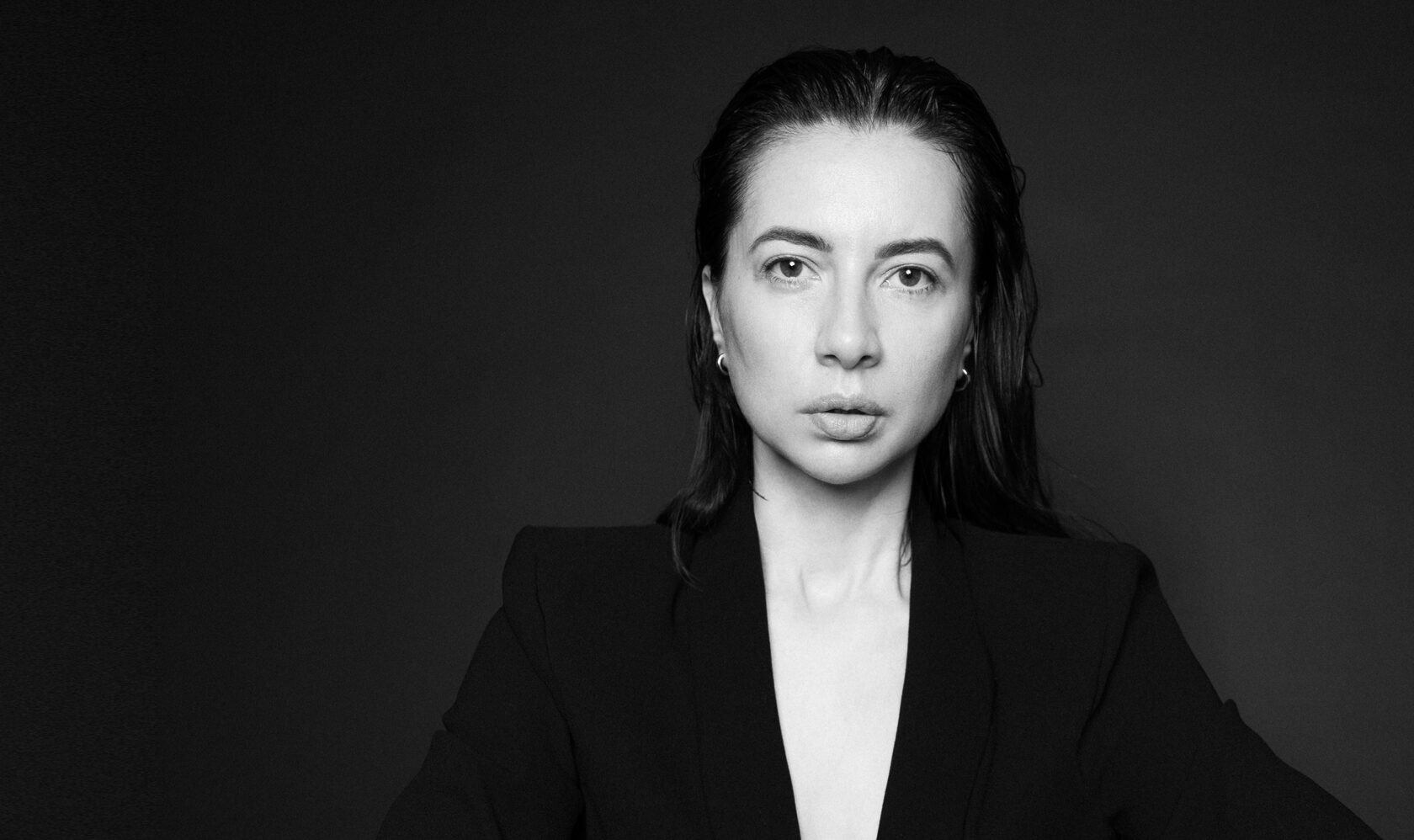
Some careers begin with a structure like a devotion to logic, rules, and certainty, and Elena Kotenko’s did. Trained in international law and holding a PhD, she once lived by precision, shaping arguments meant to define truth.
But in the stillness of courtrooms and research halls, something unspoken kept surfacing. There was a presence she just couldn’t articulate, and a silence logic couldn’t reach.
“I remember watching how facts could close in on themselves,” she recalled. “I needed a way to express what slipped through.”
That quiet awareness marked the beginning of a transformation. Kotenko didn’t abandon reason but followed its edge until it gave way to something less definable: feeling. The result became what she later called digital innerism, an artistic practice rooted in AI, but driven by emotion.
Her journey has been an evolution. Where once she sought truth through language, she came to seek resonance through image. The artist who emerged from that transition remained shaped by discipline, but now used it in the service of intuition.
The Birth of Digital Innerism
Kotenko first explored AI out of curiosity, experimenting with generative tools in her spare time. But the more she leaned into unpredictability, the more the results resembled memory: not memory as fact, but memory as sensation.
“Digital innerism was painting with emotion instead of form,” she said.
It wasn’t about perfecting representations but revealing the emotional terrain beneath them.
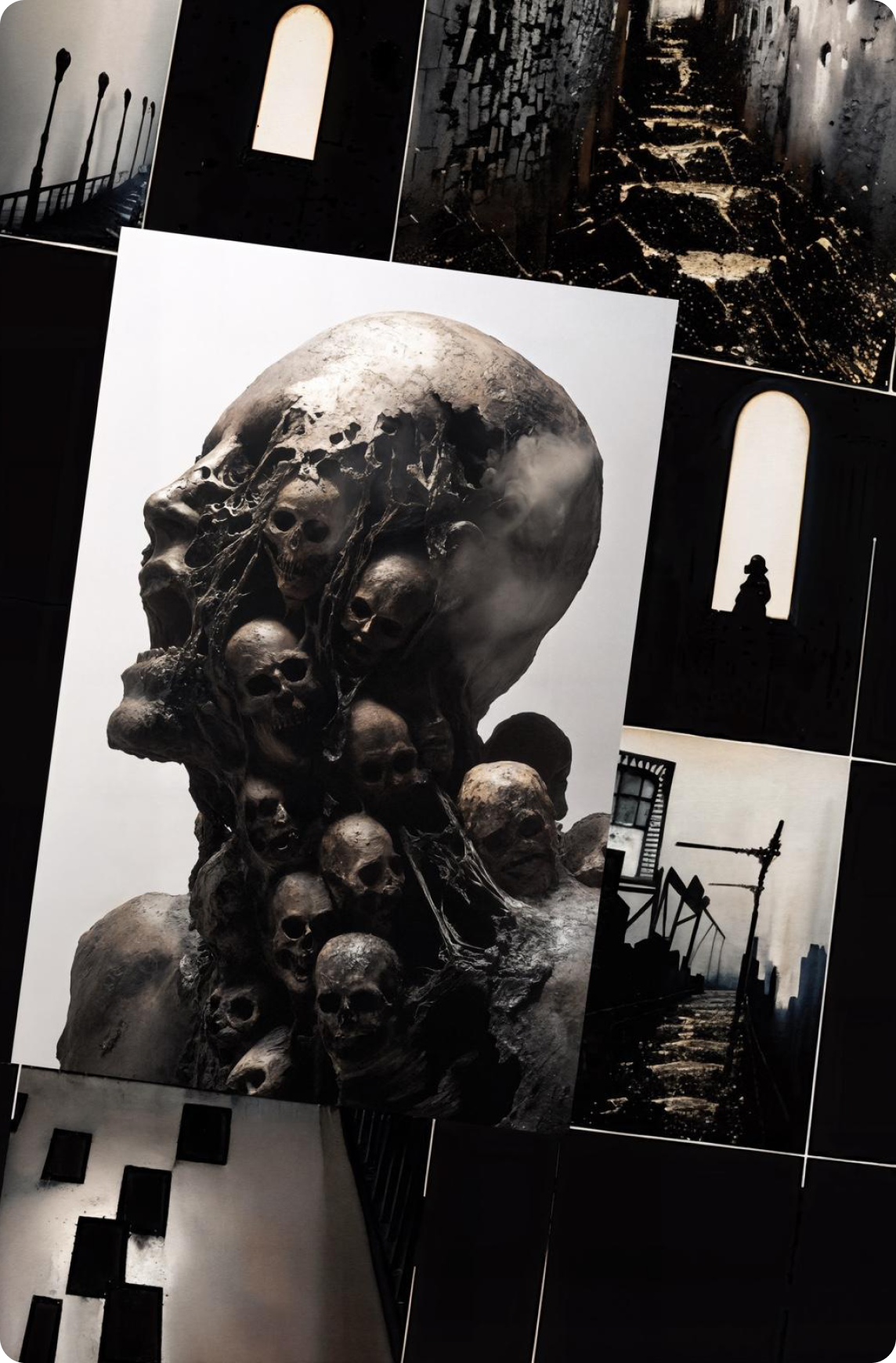
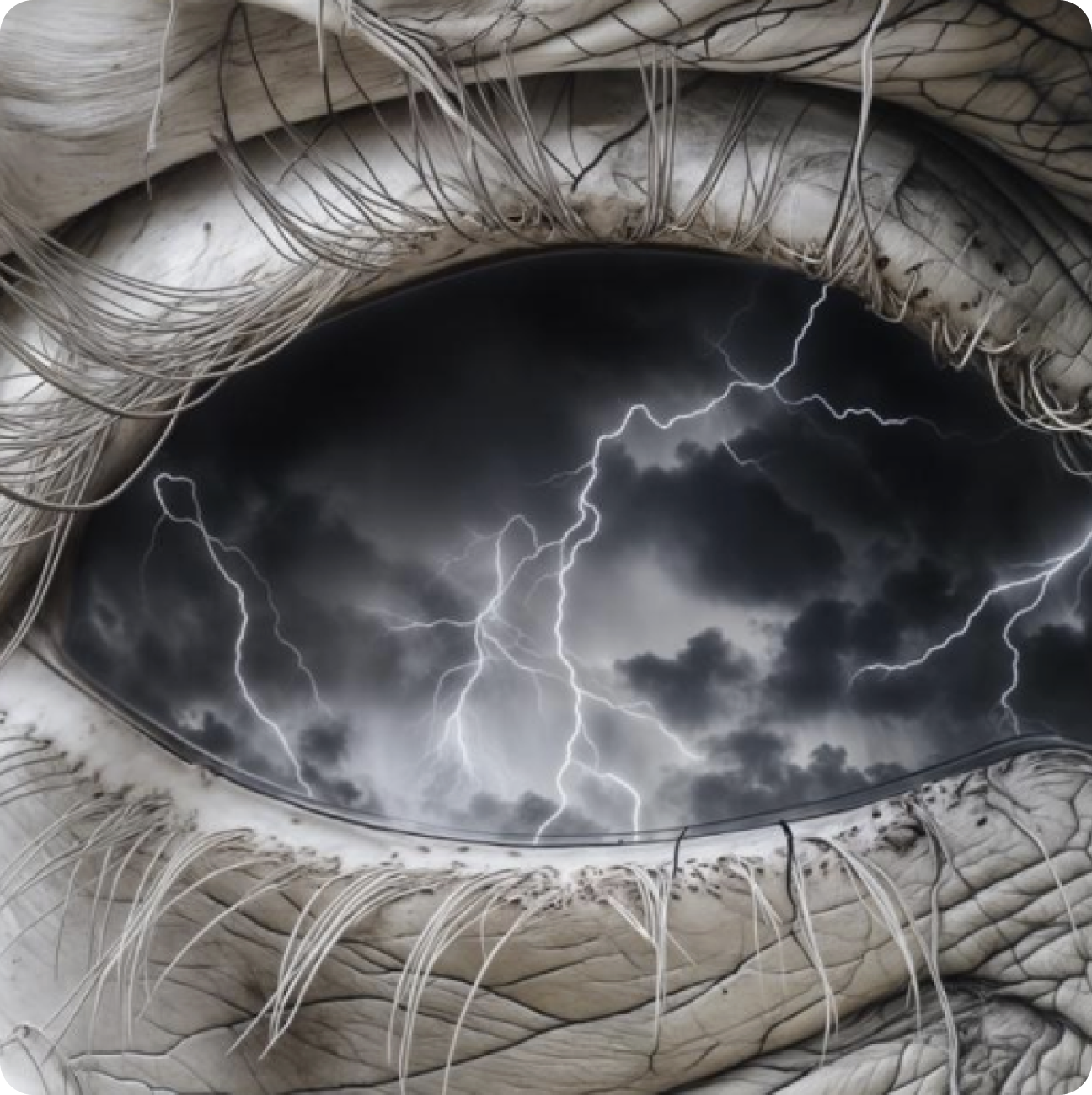
In her work, algorithms didn’t replicate life but reflected internal states. Faces surfaced and vanished. Light folded in ways that evoked intimacy or absence. Each piece became a mirror of what lived just beneath perception.
Her legal training reappeared in unexpected ways. Compositions often began with structured prompts and conceptual rigor. But the process ended in surrender. “Law taught me how to hold control,” she said. “Art taught me how to let go.”
From Law to Light
Kotenko’s background in systems and ethics guided her in navigating artistic complexity. Her approach to AI wasn’t mechanical, but contemplative. She treated it less as a tool and more as a partner in dialogue, one capable of responding to what she couldn’t yet say.
Her works didn’t aim to explain, but they invited.
“I realized that machines could reflect the inner world if we let them,” she said. “They didn’t have to speak our language to understand our silence.”
This philosophy shaped every layer of her process. Her visual language emerged from attentiveness to emotion, to rhythm, to what resisted articulation. Each project began in feeling and unfolded into digital form.
Kotenko didn’t seek technological spectacle. She sought recognition, the moment a viewer paused, not because of what they saw, but because of what stirred inside them.
Emotion as Intelligence
At the heart of Kotenko’s philosophy was a quiet provocation: what if emotion was a kind of intelligence?
Although the world is racing to optimize and explain, Kotenko proposed something slower and deeper: “AI is often treated as a threat to creativity,” she once said. “But maybe it was a new form of intuition.”
Her images were more extensions of feelings than interpretations of them. They explored the space between fragility and code, between human uncertainty and digital clarity.
Her perspective resonated with findings from neuroscience, though she never leaned on data. She let the work speak. Her art didn’t argue. It remembered that sometimes grief, wonder, and often something more challenging to name were present.
“What good is a machine that knows everything,” she once asked, “if it can’t help us feel anything?”
Recognition and Resonance
In early 2025, Kotenko’s works began circulating online not for their technical novelty but for their emotional resonance. Quietly, they found their way into galleries and cultural conversations about human-machine creativity.
That response led to a wave of invitations. Her debut exhibition, Contemporary Exhibition at Boomer Gallery in London (April 2025), drew praise not for innovation but for intimacy.
Critics like Anthony Fawcett and Tabish Khan wrote about the restraint in her images: their softness, their refusal to explain.
More shows followed: Identity Exhibition at MUSA International Gallery in Seoul (September), Art on Loop in Tokyo (September), and exhibitions scheduled for New York and Miami that November.
Her name appeared in WOW WORLD Magazine, The AI Journal, NY Weekly, and The Insider Weekly.
But for Kotenko, success wasn’t measured by visibility. “At one show, people just stood still,” she recalled. “No one said much. That silence was the connection.”
The Studio That Listened
Kotenko worked independently under her creative studio lenko.art, collaborating with musicians, designers, and researchers to explore how emotion could guide technology.
That response, she said, was the intention. Her projects didn’t chase virality. They waited. And when they found their viewer, they did so quietly, without demand.
Each collaboration began with the same question: ‘What do we want someone to feel?’
Toward a Language of Feeling
Besides producing images, Kotenko’s art created openings for memory, for breath, and for reflection. She treated emotion as its own kind of syntax, one that machines might not speak, but could hold.
She resisted the language of futurism by avoiding manifestos and technological promises. She just used quieter questions: ‘What if machines could help us remember how to feel? What if data could carry a heartbeat, even briefly?’
In a time fluent in information but hesitant with empathy, her art offered a kind of translation between inner states.
The Light That Remembered
For Kotenko, digital innerism was more than a style. It became a way of witnessing, a practice of slowing down until the internal became visible, not clearly, but sincerely.
She aims for clarity more than she does for resonance.
And if, somewhere in the midst of light and silence, a viewer paused long enough to feel something unnamed, that was the bridge she had quietly built all along.
About the Author
Mira Halston is a culture writer focused on how technology, memory, and emotion intersect in contemporary art. Her work explores the quiet spaces where human feeling meets digital form.

