

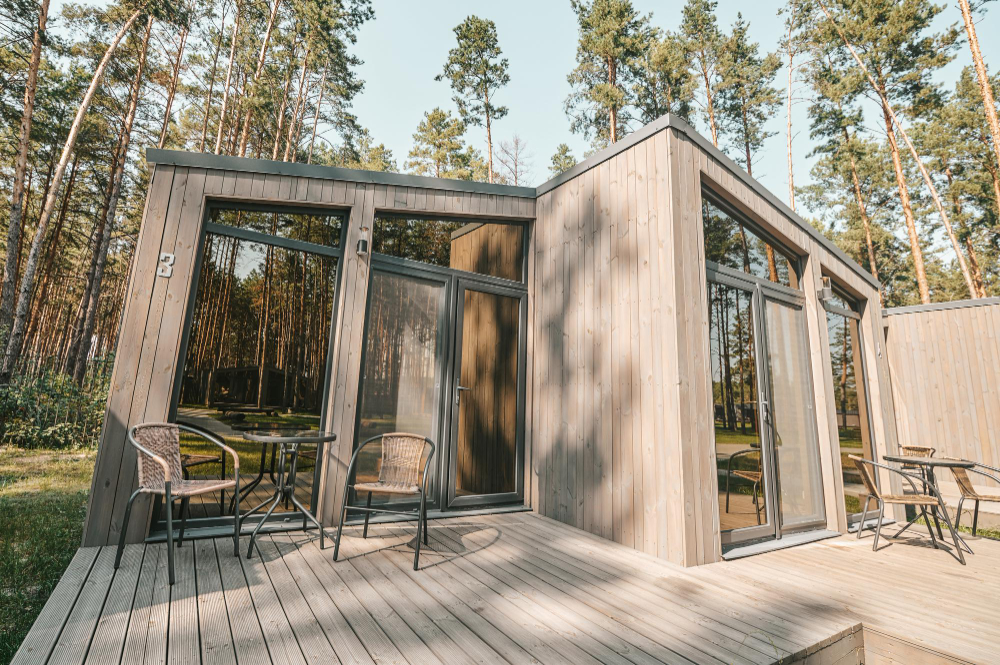
Tiny houses have become popular with people looking for a simpler, more affordable, and more flexible way to live. Some buyers see them as a way to reduce housing costs. Some homeowners see them as a guest space, rental unit, or private living area for family. Others are comparing tiny homes with accessory dwelling units, also known as ADUs.
But before starting a project, most people want to know one thing: how much does it cost to build a tiny house?
The answer depends on more than the tiny house itself. A basic shell or movable tiny home may look affordable at first, but the full project cost can change once you include land, permits, utilities, foundation, site preparation, delivery, inspections, and local building requirements.
In 2026, the smartest way to budget for a tiny house is to look at the entire project, not just the structure.
How Much Does It Cost to Build a Tiny House in 2026?
The cost to build a tiny house in 2026 can vary widely. A simple DIY tiny home may cost much less than a professionally built custom unit. A prefab tiny home may fall somewhere in the middle, while a permanent tiny house or ADU-style unit can cost more because it may require full code compliance, permits, foundation work, and utility connections.
In general, tiny homes may range from lower-cost DIY builds to professionally built homes that cost well into six figures. The final price depends on size, materials, labor, design, location, and whether the home is movable or permanent.
The biggest mistake people make is assuming the tiny house price is the full project price. In many cases, the structure is only one part of the budget.
Why the Final Cost Can Be Higher Than Expected
Tiny houses are smaller than traditional homes, but they still need many of the same core systems. A livable tiny house may need a bathroom, kitchen, electrical system, plumbing, heating and cooling, insulation, windows, roofing, flooring, and appliances.
These costs do not shrink perfectly just because the home is smaller. A tiny kitchen still needs cabinets, counters, plumbing, electrical outlets, and appliances. A tiny bathroom still needs waterproofing, fixtures, ventilation, and drainage.
If the tiny house is built on a permanent foundation or used as a legal dwelling, the budget may also include permits, plans, engineering, inspections, utility hookups, and site improvements.
Tiny House Cost by Type
The type of tiny house has a major impact on cost. Before setting a budget, it helps to understand the most common options.
DIY Tiny House
A DIY tiny house can reduce labor costs, but it is not automatically cheap. Builders still need materials, tools, plans, a trailer or foundation, windows, doors, roofing, insulation, plumbing, electrical components, and finishes.
DIY also requires skill and time. Mistakes can become expensive, especially if they involve structure, water intrusion, electrical safety, or plumbing. This option may make sense for people with construction experience, but it can be risky for complete beginners.
Prefab or Manufactured Tiny House
Prefab tiny homes are built partly or fully off-site, then delivered to the property. This can simplify the construction process and sometimes reduce build time.
However, prefab does not eliminate site costs. Buyers may still need land, foundation or pad preparation, permits, utility connections, delivery access, equipment, and inspections. A prefab unit may also need local approval before it can be legally placed or occupied.
Custom Tiny House
A custom tiny house is designed around the owner’s specific needs. This can be great for comfort and function, but it often costs more.
Custom layouts, high-end finishes, specialty storage, built-ins, larger windows, premium siding, upgraded appliances, and unique rooflines can all increase the budget. In a small space, every detail matters, and custom work can add up quickly.
Tiny House on Wheels
A tiny house on wheels is built on a trailer base and may be movable. This can reduce some foundation costs, but it creates other challenges.
The trailer must be properly rated for the home’s weight. The structure must be built to handle movement. Long-term parking, utility access, and legal occupancy may also be difficult depending on local rules.
A tiny house on wheels may cost less upfront than a permanent structure, but it may not provide the same legal use, financing options, or property value benefits.
Permanent Tiny House or ADU-Style Unit
A permanent tiny house is built on a foundation and is intended for long-term residential use. This type of project may require plans, permits, inspections, utility connections, and compliance with local building codes.
An ADU-style tiny home is similar in size to a tiny house but is built as a secondary dwelling unit on a property that already has a primary residence. This option can be practical for homeowners who already own land and want a legal compact living space for family, guests, or rental use.
Main Cost Factors When Building a Tiny House
Several key factors affect the total cost of a tiny house project.
Size and Layout
Larger tiny homes cost more in materials and labor, but layout also matters. A simple rectangular design is usually more affordable than a complex layout with lofts, custom stairs, multiple rooflines, or specialty storage.
Bathrooms and kitchens are especially important. These areas are expensive because they involve plumbing, electrical, ventilation, fixtures, cabinets, appliances, and finishes.
Materials and Finishes
Materials can shift the budget significantly. Flooring, roofing, siding, windows, cabinets, countertops, appliances, insulation, lighting, and fixtures all affect cost.
A simple finish package can keep the project more affordable. Premium materials, custom cabinetry, high-end appliances, and designer fixtures can raise the price quickly.
Labor and Builder Costs
Professional labor is one of the biggest cost factors. Labor pricing depends on region, contractor availability, project complexity, and the level of customization.
In high-cost markets, a tiny house can cost more than expected because skilled labor, permits, and code-compliant construction are more expensive.
Foundation or Trailer Base
A tiny house on wheels needs a properly rated trailer. A permanent tiny home needs a foundation, which may be a slab, crawlspace, pier system, or raised foundation.
Foundation costs depend on soil, slope, drainage, structural requirements, and local building codes. A simple flat site may cost less, while a sloped or difficult site may require more engineering and preparation.
Utility Connections
Utilities are one of the most commonly underestimated costs. A tiny house may need water, sewer or septic, electrical service, gas, HVAC, internet, and drainage.
If the unit is far from existing utilities, trenching and connection costs can rise. If the property needs a new septic system, sewer line, electrical panel upgrade, or water connection, the budget can change significantly.
The Hidden Costs Many Tiny House Budgets Miss
The advertised cost of a tiny home often does not include everything needed to make it livable, legal, and functional.
Land Purchase or Existing Property Use
If you do not already own land, buying property may be the largest expense. Land costs vary by location, zoning, access, utilities, and development potential.
If you already own property, the financial equation may be different. Building a tiny-home-style ADU on an existing lot may avoid the need to buy separate land, but the project still needs to meet local requirements.
Site Preparation and Land Feasibility
Before estimating the full cost of a tiny house project, property owners may need to evaluate site conditions, access, grading, utilities, and permitting requirements through experienced Land Development professionals like Golden State Design & Engineering who understand how raw land or existing lots affect build feasibility.
Site preparation can include clearing, grading, drainage, driveway access, tree removal, soil review, utility location, and construction access. These costs can be small on an easy site or significant on a difficult one.
Permits, Design, and Engineering
Permanent tiny homes and ADU-style units often require professional plans, structural details, energy compliance, permit review, and inspections.
Permit costs vary by city and county. Some projects may also require impact fees, plan check fees, utility fees, or other local charges. These should be reviewed early so the budget is not based on guesswork.
Delivery, Setup, and Inspection Costs
If the tiny house is prefab or built off-site, delivery costs should be included. Depending on the site, delivery may require special equipment, cranes, road permits, or preparation for placement.
After delivery, the home may still need setup, utility connections, final inspections, stairs, decks, skirting, drainage, or exterior improvements.
Tiny House vs. ADU: Which Is More Cost-Effective?
A tiny house may cost less upfront if it is a simple DIY build, shell, or movable unit. However, lower upfront cost does not always mean better long-term value.
A movable tiny home may be harder to place legally. It may not qualify as a permanent residence in some areas. It may also have limits around financing, insurance, resale, and long-term occupancy.
An ADU may cost more upfront because it is usually built to meet local residential codes, but it may provide more practical long-term use. It can serve as family housing, guest space, rental housing, or future downsizing space.
For homeowners comparing a tiny house with an ADU-style living space in California communities, Golden State ADUs can be a helpful resource for understanding how design, permitting, and construction fit into a compact housing project.
How to Budget for a Tiny House Project
A good tiny house budget should include the full project, not just the unit. That means structure, land, permits, design, engineering, site work, foundation or trailer, utilities, delivery, inspections, and contingency.
Start by defining the goal. Will the tiny house be used for full-time living, guests, rental income, family housing, or occasional use? A full-time residence will usually require more planning and a higher standard of comfort.
Next, check local rules before buying land or ordering a unit. Zoning, building codes, parking rules, setbacks, utility requirements, and occupancy rules can determine whether the project is allowed.
Then compare options. A DIY tiny house, prefab unit, custom tiny home, permanent small dwelling, and ADU-style unit may all have different costs and benefits. The best option depends on the property, budget, and intended use.
Finally, build in a contingency. Unexpected site issues, permit comments, utility upgrades, material changes, and delays can affect the final cost. A realistic cushion helps keep the project from becoming financially stressful.
Common Mistakes That Increase Tiny House Costs
One common mistake is focusing only on the advertised tiny house price. A unit may look affordable, but the final cost can rise once land, utilities, delivery, foundation, permits, and setup are included.
Another mistake is buying land before confirming feasibility. A low-cost lot may have zoning limits, poor access, no utilities, septic challenges, drainage issues, or setback restrictions that make building difficult.
Underestimating utility hookups is also common. Water, sewer, septic, electrical service, and trenching can add major costs, especially if the build site is far from existing connections.
Finally, too many custom features can push a tiny house beyond the original budget. Custom cabinetry, specialty windows, high-end finishes, loft systems, built-ins, and unusual layouts may improve the design, but they should be planned carefully.
Final Thoughts: The Real Cost Depends on the Whole Project
So, how much does it cost to build a tiny house? The real answer depends on the full scope of the project. The unit itself is only one part of the budget.
A tiny house can be an affordable and flexible housing option, but only when the land, utilities, permits, site work, foundation, design, and long-term use are considered from the beginning.
Before committing, compare your options carefully. A movable tiny home, permanent tiny house, prefab unit, or ADU-style home may each make sense in different situations. The best budget starts with local feasibility, realistic planning, and a clear understanding of how the tiny house will be used.

