

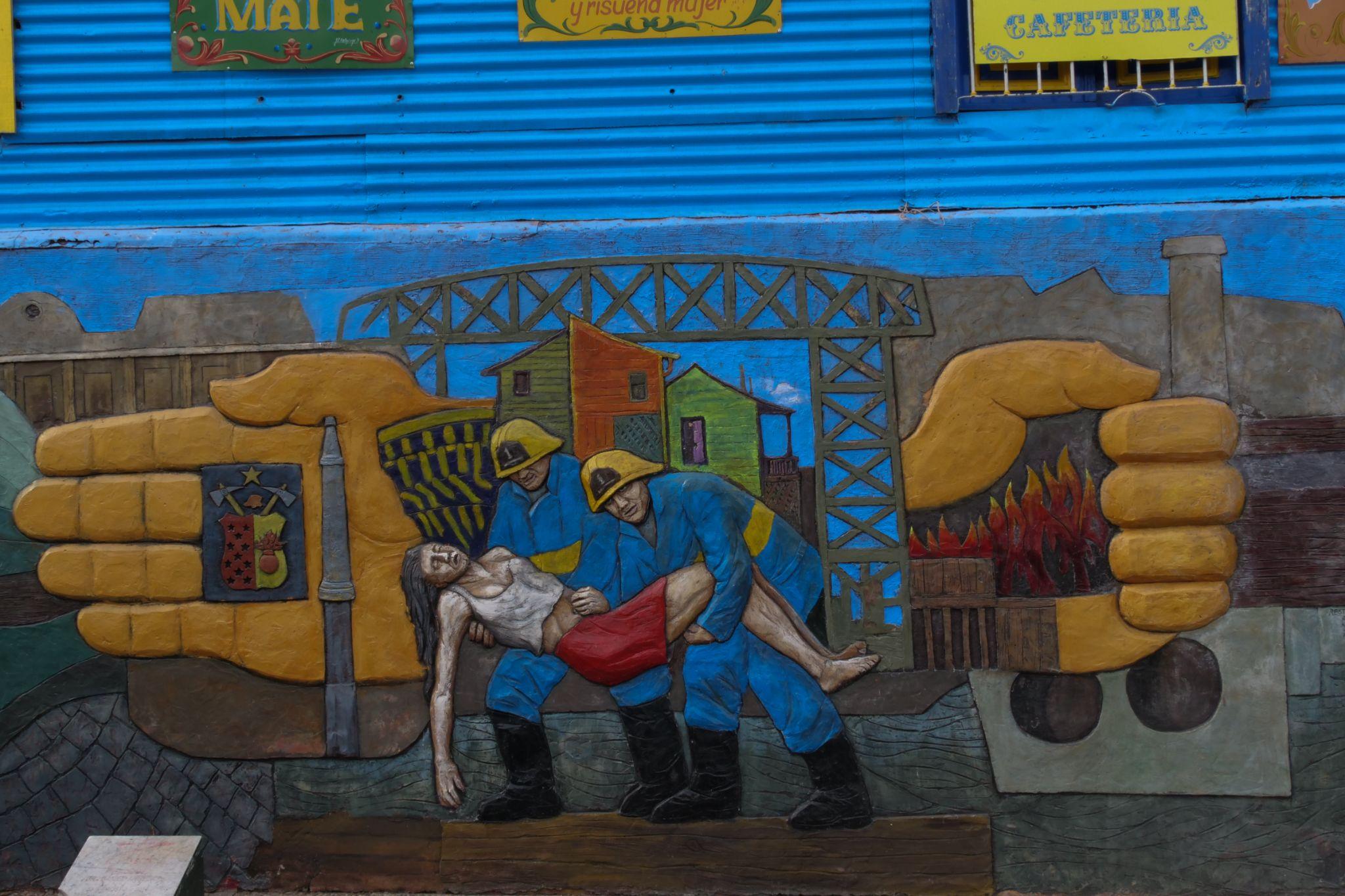
Today’s Argentine art scene looks very different from what has been seen throughout history. Argentina has a rich artistic tradition that reflects its deep heritage and passionate cultural identity.
Traces of Argentina’s indigenous roots, its deep Spanish colonisation and strong European immigration can be visualised across its many forms of art over time, from painting, music and dance. Argentine art is diverse and continually evolving.
Argentina is home to many influential artists such as the avant garde painter Xul Solar and contemporary artists like Marta Minujìn. Their works can be found in Argentina’s renowned museums and public places across the country.
Argentine art tells the stories of the nation’s history from colonisation times to present day reflecting its large social change across generations.
What is Argentinian art known for?
Argentinian art blends indigenous and European style with important historical moments throughout Argentina’s history.
It mainly developed from Spanish colonisation and European immigration varying greatly from classic paintings, surrealism, modern contemporary art to vibrant street murals.
Some of the key traits of Argentina art include:
- European and Latin American inspiration: Argentine art has been particularly shaped by French and Italian art due to large waves of immigration. Artists have adapted these styles to reflect their own personal stories.
- Cultural identity: Argentine art often reflects national traditions and symbols such as gauchos, tango, pampas and the Andes which symbolise the country’s identity.
- Political expression: One of the key features of Argentine art is its political and social expression. Many works center around historical events such as the period of its military dictatorship.
- Tango and music culture: Originating in Buenos Aires, tango has developed into a global cultural phenomenon.Tango combines dance, music and poetry, creating many forms of art that symbolises Argentina’s deep cultural heritage.
- Vibrant street art culture: Argentina is famous for its urban street art, particularly in neighbourhoods of Buenos Aires, where it is often used as a form of political expression.
Argentina art history and evolution
Argentina’s art history has developed over centuries. From colonial, religious works to 19th-century realism, 20th-century modernism and now a striking, global contemporary scene.
The progression reflects the country’s shifting identity through the years shaped by colonisation, independence, waves of immigration and political change.
The development of Argentinian art can be traced through the following key periods:
Colonial period 16th-18th century
Following colonisation by the Spanish empire, much of the artwork produced in Argentina was heavily influenced by religion. Much of this art was largely created to promote the catholic church and reflect its teachings.
Artistic styles and techniques were heavily influenced by Spanish and Italian traditions. Argentinian artists adopted European methods such as Baroque, resulting in works that mirrored those found in Italy and across Europe as there was not a distinct national identity yet.
19th century (post independence)
Following independence, Argentina began to develop a more distinct cultural identity in its art. The 19th century brought a new wave of Argentinian artists.
Artists began to focus on realism and national themes like landscapes, gauchos and rural areas. Waves of European immigration also brought new techniques further influencing local artists.
Early-mid 20th century
The early to mid-20th century marked a key difference in Argentine art. During this period, the country began to embrace new styles like Modernism and also introduced international movements such as Cubism, Futurism and Surrealism.
Artists like Xul Solar began experimenting with these techniques, establishing modernist and avant garde approaches within his art. Abstraction gained popularity, and many artworks during this period carried strong social and political themes.
Late 20th century-today
From the late 20th century to present day, Argentina’s art scene has developed into a globally recognised scene.
Contemporary art and Performance art rose to prominence, where street art took over cities in response to political, social and economic issues. This period additionally saw Argentine artists gaining greater visibility in international galleries.
Famous Argentine artists you should know
Xul Solar
Xul Solar was a renowned avant-garde Argentinian artist best known for his modernist and surrealist paintings. He was a unique voice for latin american modernism creating symbolic and vividly, colourful paintings.
Beyond painting, he famously created imaginary languages and incorporated them into his artistic works. His works can be found in famous museums like the Museo Reino Sofía in Madrid.
Benito Quinquela Martín
Benito Quinquela Martín is celebrated for his powerful portrayals of port life in Buenos Aires, particularly the La Boca neighborhood.
His works gained him worldwide recognition, mainly focusing on scenes of ships, docks and shipyard workers capturing the identities of neighbourhoods in Buenos Aires.
His works became associated with La Boca shaping it as a cultural landmark, making it one of the most visited destinations in Buenos Aires.
Antonio Berni
Antonio Berni was one of the most influential artists in Argentine history. He is widely recognised for his socially engaged art. His art mainly focused on themes of poverty, labour and social inequalities.
One of his most famous paintings, Manifestación, symbolises the harsh, working-class struggles of the 20th century.
Marta Minujín
Marta Minujín is famous for her contemporary public projects and immersive works. Her works are particularly politically-driven and socially engaged. Projects such as her ‘Pantheon of banned books’ referenced censored books burned by Nazis, transforming political history to visual pieces of art.
She regularly creates provocative public projects that are often eccentric and feature large scale installations that challenge the traditional definitions of art.
These artists represent different eras of Argentinian art. They effectively reflect national identity and demonstrate how visual art can express social and cultural issues across different periods and styles.
Top 3 most famous paintings from Argentina
Argentine art goes beyond aesthetics, it represents social issues, national identity and cultural heritage. Some of the most famous examples of Argentine paintings each reflect different artistic visions and historical moments.
- Manifestación by Antonio Berni (1931) depicts the argentinian working class and highlights scenes of social struggles.
- La vuelta del malón by Ángel Della Valle (1892) is often regarded as Argentina’s first national work, depicting indigenous communities as raiders.
- Sin pan y sin trabajo by Ernesto de la Cárcova (1897) meaning ‘Without bread and without work’, is considered one of the first major Argentine paintings to address social issues.
Argentina art styles and cultural influences
Argentina art is shaped by many different cultural influences and artistic styles that reflect both national identity and urban growth.
Fileteado porteño
Fileteado porteño is a bright and traditional Argentine artistic style. Originating in Buenos Aires, it is characterised by its vivid colours and intricate detailing. It can be found throughout the city on signs and street decorations.
Some of the most notable aspects include its ornamental borders, floral designs and calligraphic writing. It acts as a sign of urban identity and symbol of skilled craftsmanship.
Tango influence
Tango has had a major influence on Argentine art. It expresses themes of passion, longing and melancholy often depicted in artworks through dramatic poses and emotional body language.
Tango imagery portrays both human connection and separation, as well as romance and tension. Its emotion and intensity has shaped the tone of some Argentine art.
Gaucho and rural imagery
The Gaucho, also known as the Argentine cowboy, is a powerful national symbol of Argentina. It is frequently depicted in both traditional and modern Argentinian art, for example in works by Juan Manuel Blanes. These representations are often accompanied by the country’s open plains(pampas) and other rural landscapes.
Gauchos represent freedom, independence, resilience and national pride. Through these portrayals, they serve as a reminder of Argentina’s rural heritage.
Political and mural art
Across history, street art has been used in Argentina as a form of political expression through murals and public art. As some of the most underrated forms of art, street art functions as a form of modern urban activism, with large scale murals found in public spaces all over the country.
These works often use bold symbolism and imagery against politics and social issues, referencing history, dictatorship and human rights.
Cities such as Buenos Aires are especially known for their iconic street art,particularly neighbourhoods like La Boca and Palermo. For more insight, explore more Argentinian street art to see how it continues to evolve across Buenos Aires today.
Art museums in Buenos Aires, Argentina
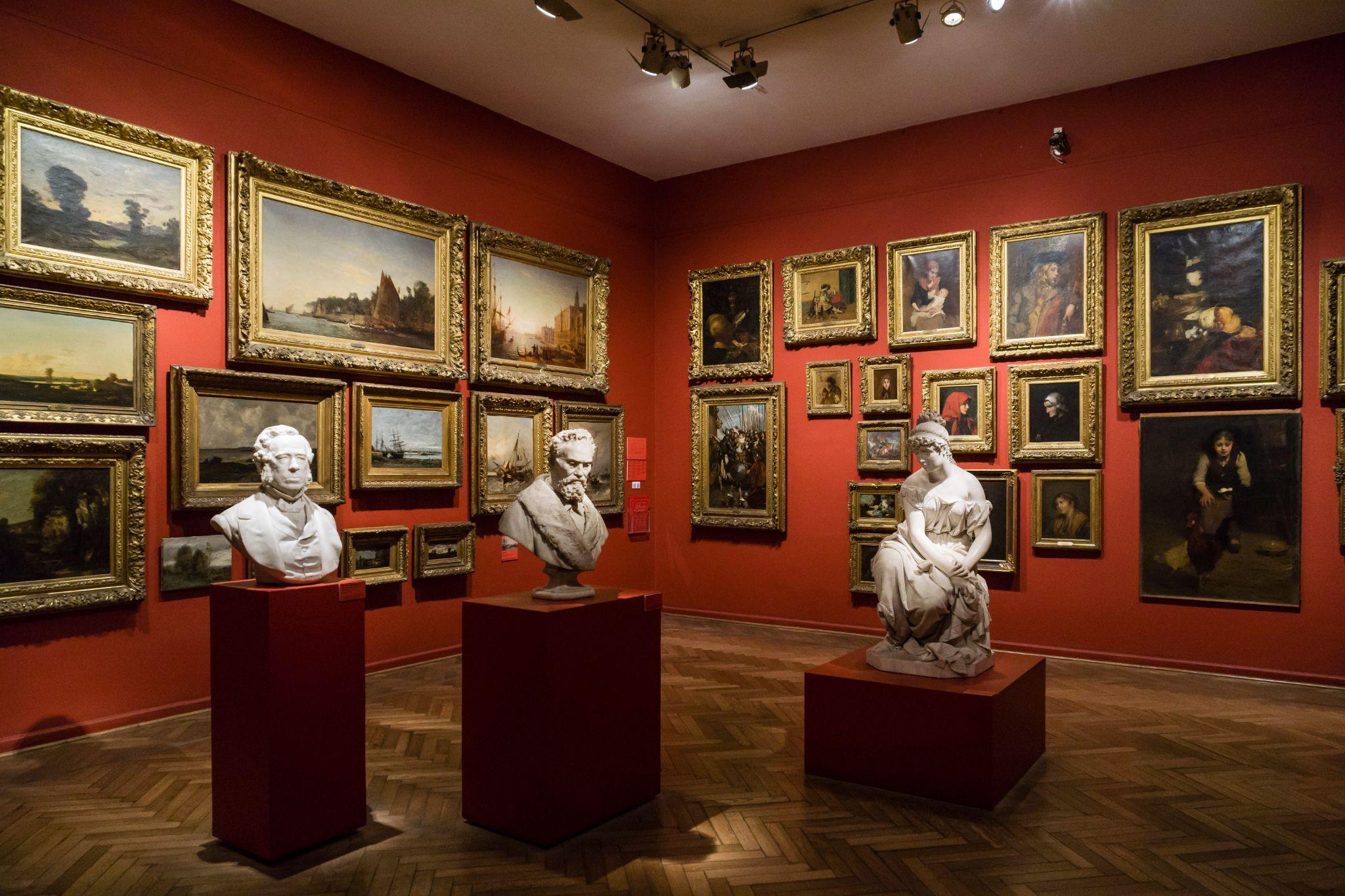
Buenos Aires is widely known as the art capital of Latin America. It holds some of the largest collections of Argentine and Latin American art and stands as one of the most important cultural capitals.
Visitors have the chance to experience major works across many world-class museums. These museums play a central role in preserving and showcasing Argentine art across centuries.
These collections range from classic European masterpieces to cutting edge contemporary and surrealist art reflecting the country’s broad art history.
Some of the unmissable Art museums include:
Museo Nacional de Bellas Artes
Museo Nacional de Bellas Artes is one of the most important fine arts museum in Argentina. It features key Argentinian artists including Antonio Berni and Benito Quinquela Martín alongside European masterpieces by artists such as Goya and Van Gogh.
One of the most notable things about this museum is that it offers free admission making it highly accessible to visitors who want to explore the history of Argentine art.
MALBA (Latin American art museum of Buenos Aires)
MALBA is dedicated to the most influential modern and contemporary Latin American art of the 20th century and onwards.
One notable highlight is famous works from Antonio Berni’s socially powerful series that explores inequalities and the working-class.
MAMBA (Museum of modern art Argentina)
Museo de Arte Moderno de Buenos Aires (Mamba) is a museum focusing on modern and contemporary art. It includes many experimental works and showcases emerging Argentine artists.
These museums together demonstrate the full evolution of art in Argentina, from colonisation to modern experimentation.
Visitors should pair these three museums with La Boca’s street art scene to gain a full overview of the Argentine art scene.
Argentina art in the global context
Argentine art holds a strong and growing position within the international art world, shaped by its unique blend of European heritage, national identity and politically-driven art. While deeply rooted in national history and social experience, it has expanded beyond borders through exhibitions and global artistic movements.
Art from Argentina is now widely represented in global museums and galleries with works by artists such as Antonio Berni and Benito Quinquela Martín featured in institutions across London, Madrid and New York.
Contemporary Argentine artists, including Marta Minujín, have also achieved global visibility with their works and installations exhibited in Europe particularly in countries like Spain and Germany.
Argentina continues to project its politically charged art across borders to the global stage, inspiring audiences.
Why Argentine art continues to inspire
Argentine art is constantly evolving while remaining deeply connected to its cultural roots. It has absorbed indigenous heritage, European influence and a strong sense of identity creating a rich and diverse artistic landscape.
From classical religiously rooted paintings to expressive street murals, Argentine art reflects a broad range of artistic styles and historical influences. It continues to foster creativity and experimentation while remaining true to its cultural roots and national heritage.

