

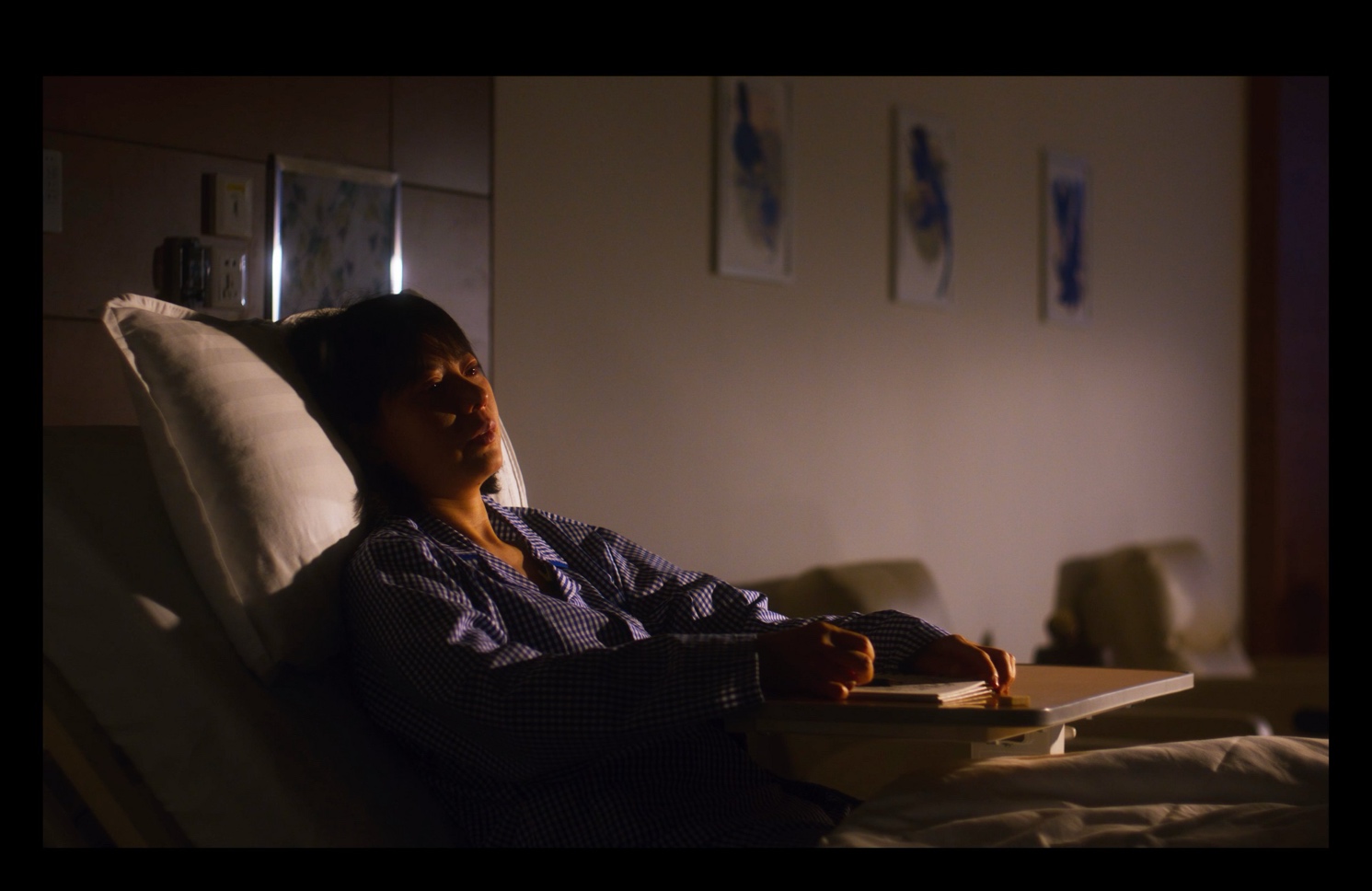
In Yuhan Wang’s narrative short Anesthesia, pain is rarely announced directly. It appears through behavior: a mother who conceals medication, a daughter whose requests for relief are dismissed, and a household in which illness is managed privately rather than discussed. Set in Hefei, Anhui, the film follows a daughter and her mother, an anesthesiologist whose professional life is devoted to treating pain in others while she suppresses her own serious illness.
The premise gives Anesthesia a quiet but exacting tension. The mother understands pain clinically. She knows how to manage it, reduce it, and make it temporarily bearable for her patients. At home, however, that same knowledge becomes a method of withholding. She quietly obtains medication through a subordinate and refuses to acknowledge the seriousness of her condition. Her daughter, watching closely, begins to adopt the same instinct toward her own physical discomfort.
The film does not frame their distance as indifference. Wang instead shows two people shaped by the same emotional discipline: endure what hurts, avoid becoming a burden, and do not ask for more than others are willing to give. By the time the mother dies, their most necessary conversation has still not taken place.
“For me, the title was never only clinical,” Wang said. “Anesthesia is literally my mother character’s profession. She manages other people’s pain for a living. But it’s also what the whole family runs on emotionally. You numb yourself, you endure, you don’t complain.”
Working across narrative and experimental filmmaking, Wang explores the intersections of the body, memory, and family through films that privilege gesture, atmosphere, and sensory experience over explicit explanation. She received her MFA in Film Directing from the California Institute of the Arts, where she further developed her interdisciplinary approach to cinematic storytelling. Anesthesia has been presented through festival and institutional screenings, including the Rhode Island International Film Festival, UC San Diego, the Otherwise Film Festival, and Tokyo Lift-Off Film Festival, introducing the film to audiences engaged with independent and experimental cinema.
The film’s emotional force comes partly from its restraint. Wang avoids turning illness into a dramatic revelation or using grief as a final resolution. Instead, she lets the mother and daughter move around the truth of their circumstances, each sensing what the other cannot bring herself to say. The result is a film in which silence is not merely an absence of dialogue. It becomes a learned family language.
“I was drawn to a woman who is an expert in suppressing pain in others, and applies the same logic to herself until it becomes fatal,” Wang said.
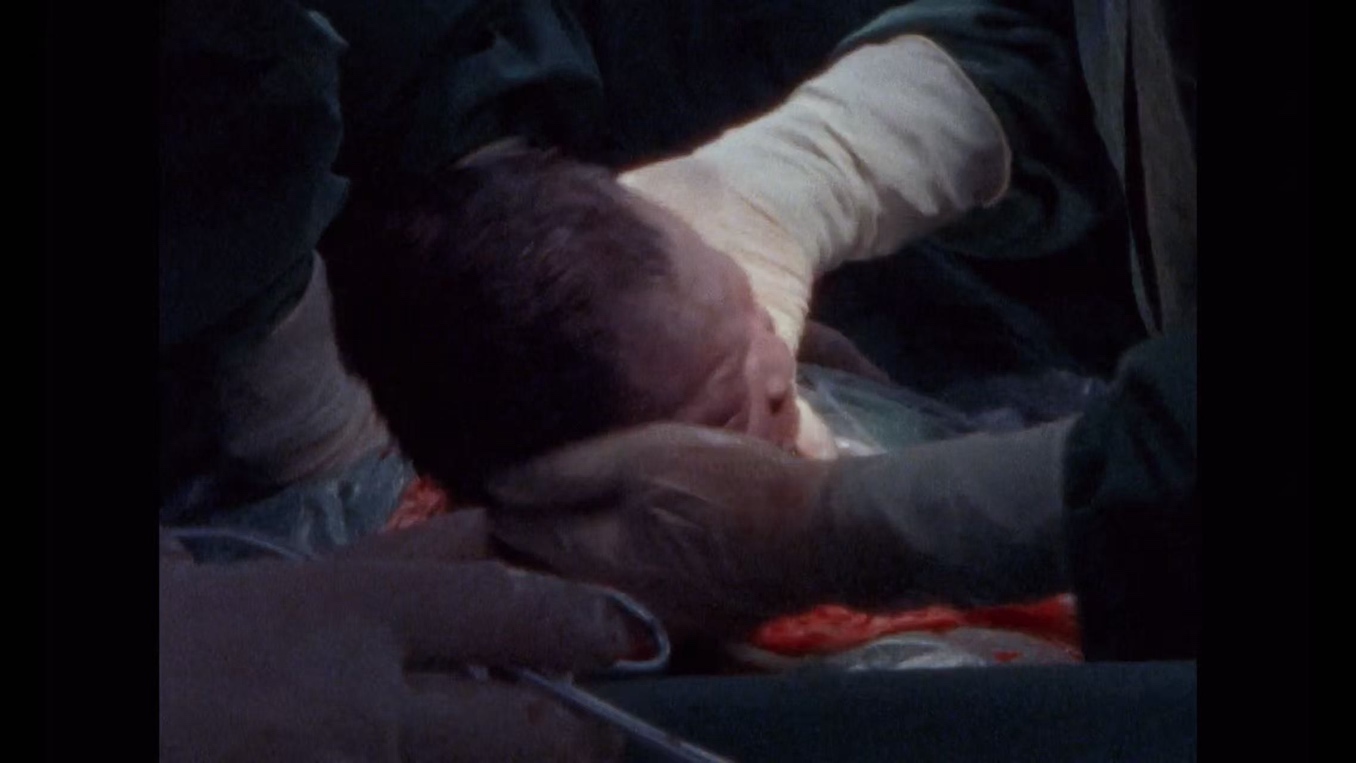
That idea is developed through the film’s structure as much as through its plot. Narrative scenes are interrupted by Super 8 passages showing female fertility and a butcher slaughtering animals in a wet market. The footage does not explain the mother and daughter’s relationship in literal terms. Instead, it expands the film’s attention beyond the domestic interior, placing private suffering beside physical processes that are unavoidable: birth, injury, labor, decay, and death.
The Super 8 material also changes the rhythm of the film. Its grain and instability interrupt the controlled pace of the narrative scenes, creating a second register of memory and sensation. Rather than functioning as flashbacks, these images accumulate across the film, suggesting that the daughter’s relationship to pain cannot be understood only through the events happening in the present.
“I didn’t want the body in this film to be abstract,” Wang said. “Super 8 gives those images a memory-texture, like something half-remembered or inherited. I wanted the audience to feel that the daughter’s pain isn’t only hers. It’s passed down, the way film grain carries the past.”
Wang’s use of material contrast is central to the film’s visual language. The controlled domestic scenes place the audience close to the mother and daughter’s daily routines, while the Super 8 footage introduces a more fragmented and tactile visual field. Together, these modes create a tension between what can be managed and what resists management. Pain may be medically named, hidden, or temporarily softened, but it continues to shape the body and the relationships around it.
“We learn how to be in pain from the people who raised us,” Wang said. “The tragedy is that they’re doing the same thing at the same time, and neither ever admits it.”
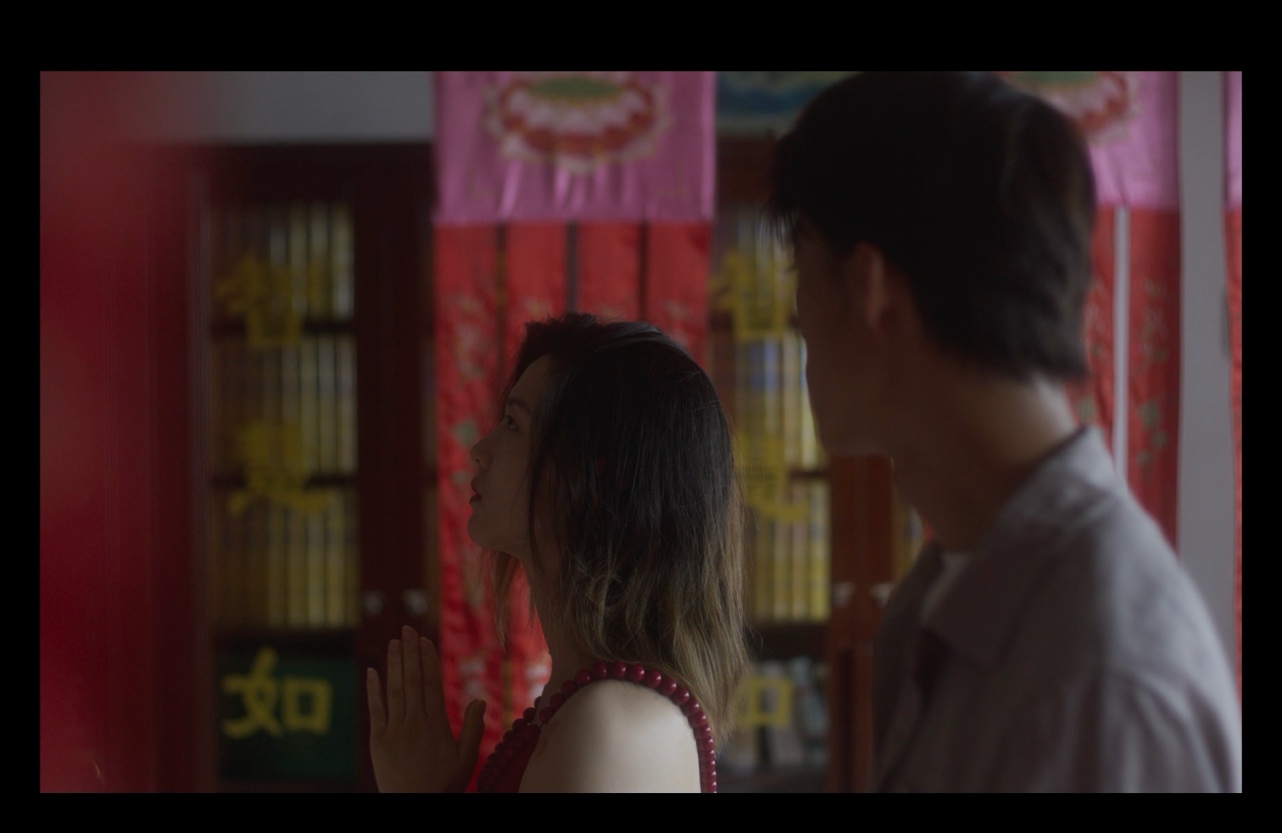
Hefei is also integral to the film’s atmosphere. Its humid streets, markets, and domestic spaces are not treated as decorative signs of place. They give the story a particular physical environment: one shaped by crowded interiors, routine errands, hospital labor, and the sensory density of everyday life. Wang uses these spaces to keep the film grounded in lived detail even as its structure moves toward memory, association, and loss.
The specificity of the setting prevents Anesthesia from becoming a generalized family drama. The film is rooted in a particular social and emotional world, yet its central concern remains widely recognizable: how people inherit ways of coping long before they have language for them.
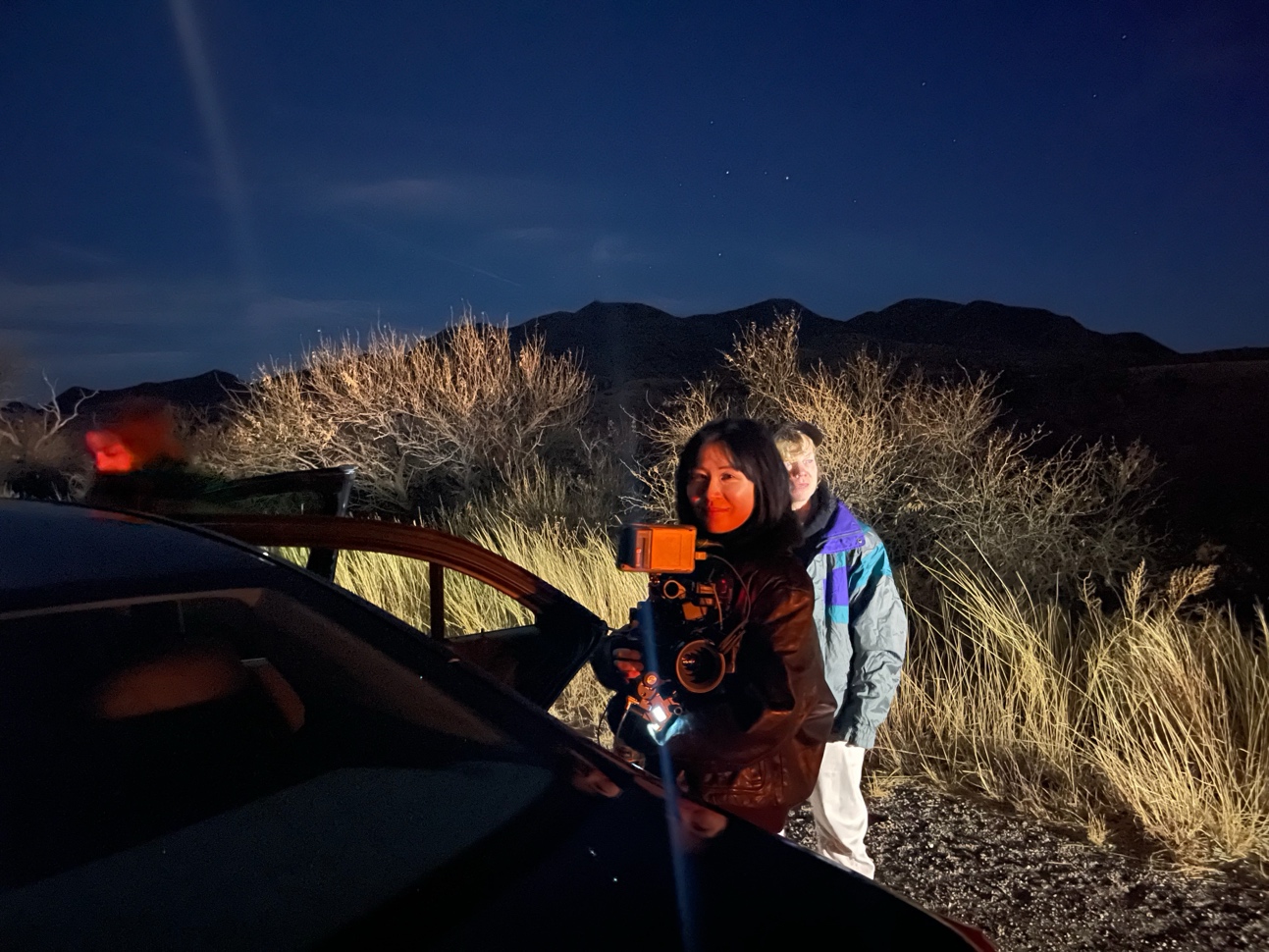
Wang’s broader practice reflects this attention to form and atmosphere. In addition to directing, she works in writing, cinematography, editing, and sound design, disciplines that inform the film’s careful pacing and sensory construction. Beyond directing, Wang’s interdisciplinary practice extends to writing, cinematography, editing, sound design, and film education, experiences that continue to shape her approach to cinematic storytelling. Her short fiction Plum Blossom was published by ENTITY Magazine in 2024, further reflecting her interest in narrative across multiple forms.
Across these projects, Wang is interested in experiences that resist simple explanation: bodily discomfort, family memory, suppressed emotion, and the gestures through which people reveal what they cannot say directly. In Anesthesia, those concerns take on a particularly concentrated form. The film leaves its central wound unresolved because resolution would require the conversation its characters have spent a lifetime avoiding.
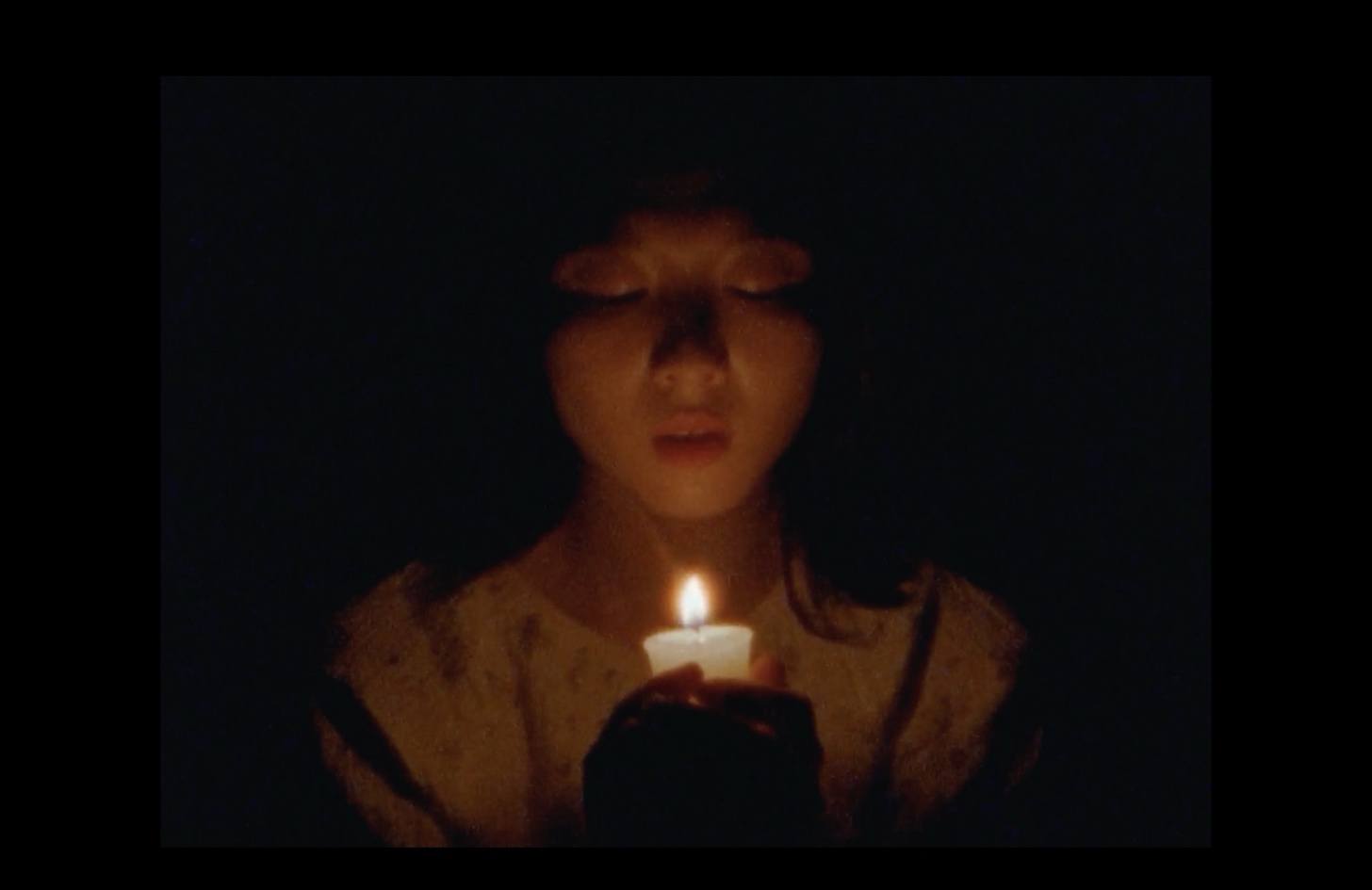
“So many families never have that conversation,” Wang said. “The mother dies, and the honesty they both needed never happens, not out of cruelty, but because the habit of endurance is stronger than the urge to speak. I wanted to leave the wound open, so the audience feels the absence of the words that were never said.”
In Wang’s hands, that absence becomes the film’s most enduring image. Anesthesia is not only about a mother and daughter divided by illness. It is about the emotional systems families build around pain, and the ways those systems can survive long after the people who created them are gone.
“Culture is what gets passed down without being spoken,” Wang said. “The gestures, the silences, the ways of enduring we absorb from the people before us. Film is one of the few places you can hold that up to the light.”

