

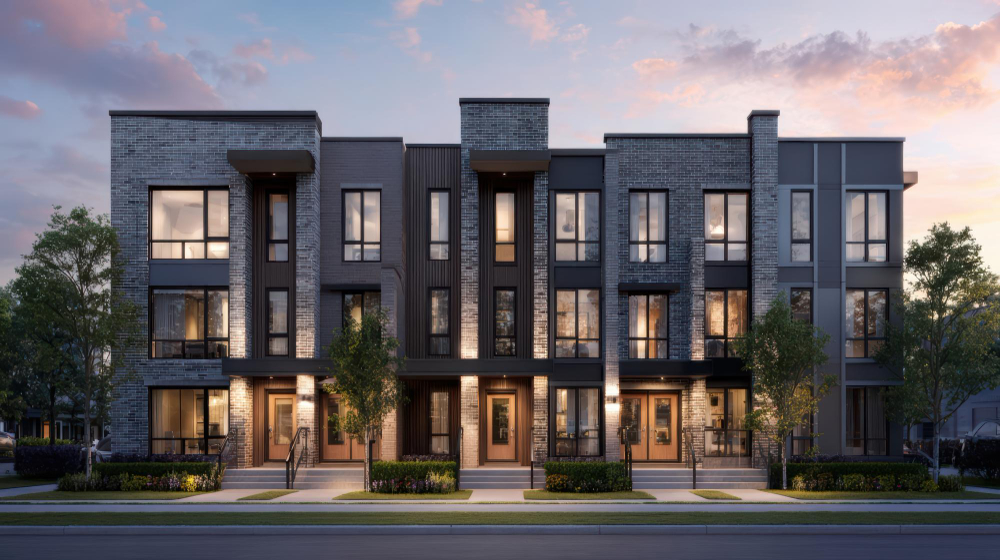
A comfortable townhouse should support restful sleep, maintain a manageable temperature, and allow for smooth movement from one room to another. Cosmetic appeal matters far less once regular routines take over. Buyers benefit from judging light, sound, air flow, storage, and travel strain with care. Those checks provide a clearer picture of how the home will support workdays, recovery, family routines, and aging in place.
Layout First
A sensible review of a Townhouse (ทาวน์เฮ้าส์) often starts with circulation, stair pitch, room width, and privacy between active zones and sleeping areas. Buyers should notice whether the plan allows easy movement, quiet rest, and practical use of every corner. Tight passages, awkward turns, or poorly placed doors can increase fatigue. A balanced layout often feels calmer, even without a larger recorded area.
Light and Air
Daylight helps regulate mood, visual comfort, and household energy use. Windows facing open spaces create a more inviting atmosphere, which reduces the need for artificial lighting during the day.
Cross ventilation also deserves close inspection. Air that moves through front and rear openings may lower heat buildup and stale odor. Buyers should open windows, check screens, and observe whether nearby walls block breeze or trap warmth indoors.
Noise Control
Noise has direct effects on sleep depth, concentration, and stress. Buyers should visit the property during rush hours, late afternoons, and evenings, because sound levels often change significantly across the day.
Solid doors, sealed frames, and thicker partitions may reduce disruption from roads or adjoining homes. If the unit faces a busy street, acoustic comfort becomes far more important than decorative finishes.
Storage That Works
A home feels less restful when daily items spill into shared living spaces. Built-in cabinets, under-stair compartments, and a useful service zone can keep belongings contained without crowding rooms. Buyers should picture where shoes, bedding, pantry supplies, cleaning tools, and seasonal items would actually go. Poorly placed storage creates friction. Good placement supports smoother routines, faster cleaning, and less visual strain across the week.
Kitchen and Bathroom Basics
These two areas affect comfort more than many buyers expect at first glance. The kitchen should allow for safe movement, durable work surfaces, and enough outlets for routine appliances. Bathrooms need proper drainage, quick drying, and stable water pressure. Buyers should run taps, flush toilets, and inspect grout, seals, and corners. Small faults here can lead to moisture damage, repeated repair bills, and daily inconvenience.
Parking and Access
Parking width, turning radius, gate clearance, and the walk from car space to entry all shape daily effort. Homes used by older adults, children, or people carrying groceries benefit from direct, unobstructed access. During rain or intense heat, convenient arrival can make a meaningful difference in overall comfort.
Location and Daily Rhythm
Commute length affects sleep timing, meal patterns, stress load, and time available for exercise or family contact. Buyers should map regular routes to work, school, shops, and medical care. Safe footpaths, nearby transport, and reliable local services are also important. Comfort depends partly on the area around the home, not just interior features.
Construction Quality
True comfort often rests on details hidden behind paint and tile. Buyers should inspect cracks, ceiling marks, door alignment, floor level, and any sign of dampness. Loose outlets or weak circuit capacity may point to future expense. Asking about wall materials and roof insulation can also reveal how the unit handles heat gain and sound transfer. Solid construction usually supports lower maintenance and steadier indoor conditions.
Shared Services
Townhouse projects usually depend on common roads, drainage, lighting, waste handling, and basic security. Buyers should ask who manages those systems and how repairs are scheduled. Poor upkeep outside the unit can still affect sleep, hygiene, and convenience inside it. Drain covers, curb conditions, and garbage areas offer useful clues during a visit. Community rules should also fit the household’s habits and needs.
Budget Beyond Price
The purchase price tells only part of the story. Buyers should count transfer fees, loan charges, repairs, furnishing costs, utility demands, and monthly common expenses before deciding. A cheaper unit may become more difficult to maintain if travel expenses remain high or if defects become evident early on. Financial strain can cause stress and affect household stability. Clear budgeting helps keep the choice practical, durable, and easier to live with over time.
Conclusion
The most comfortable townhouse is one that supports rest, easy movement, practical storage, and sustainable daily routines. Buyers who examine layout, air flow, noise, access, workmanship, and ongoing costs can judge comfort with greater precision. A careful visit, paired with specific questions, helps households choose a property that will feel livable, steady, and supportive for years.

