

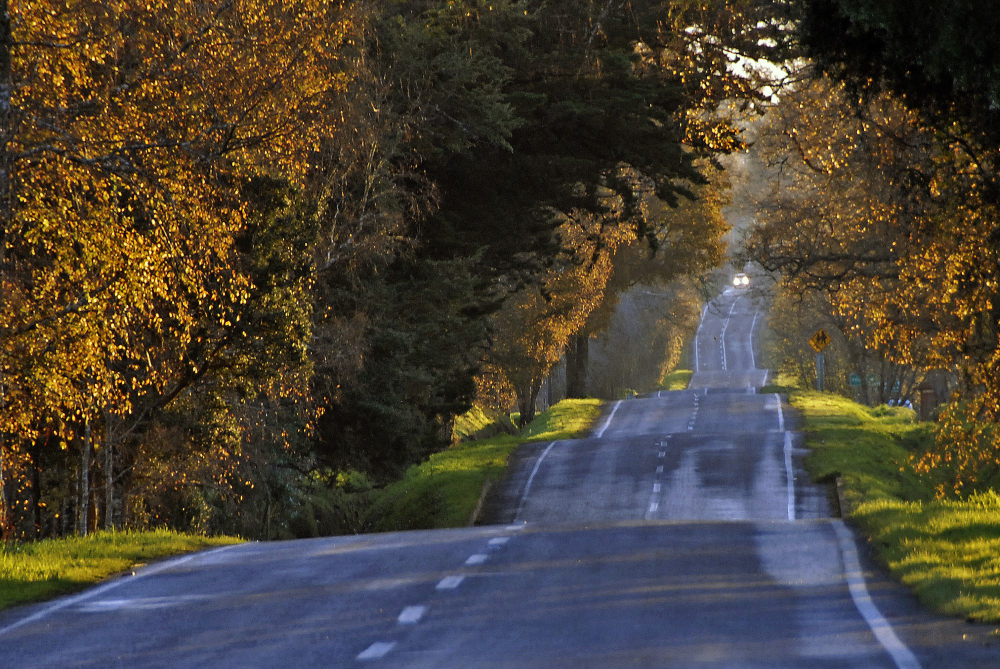
For decades, the British holiday has been characterised by airports, package deals, and the promise of a sunny escape. However, in the post-pandemic, post-Brexit years, more and more people are turning back to Britain for their holidays. Road trips in particular are fast becoming a British cultural experience. From the North Coast 500 to the lanes of Cornwall, people are rediscovering that the journey can be as memorable as the destination. Let’s take a look at what’s driving (excuse the pun) this trend, and how you can create your own great British road trip.
More options are opening up the British roads
Increased flexibility in transport options has made it easier for people to head out on a UK road trip. For example, car lease options make it easier for people to handle the very variable conditions in different parts of the country. Within the same holiday, you can rent a small and easily manoeuvrable car for the tiny, winding lanes of Devon, and a bigger 4WD for tackling the long, remote distances of the Highlands. This makes travel throughout the UK a lot easier for many families that would previously have had to rely on a single family car that may have been unsuitable for the driving conditions in many parts of the country.
Landscapes with meaning
The UK is compact, but its landscapes are incredibly varied. A driver can leave a city in the morning and be among moorland, mountains, or fishing villages by lunchtime. This variety gives the road trip a distinctive cultural quality. It is not just scenery passing behind glass; it is a moving encounter with regional identity.
In Wales, roads wind through slate towns, castle country and dramatic passes where language and landscape are closely linked. In Scotland, routes through the Highlands reveal crofting history, clan memory and the grandeur of remote places. In Eastern England, old coaching roads connect market towns, cathedral cities and seaside resorts shaped by centuries of domestic tourism. In Western England, evocative rugged coastlines and moorlands teem with folklore and literary history. Northern Ireland offers coastal routes where mythology, geology and political history sit side by side.
Slow travel and local discovery
Part of the appeal of a UK road trip is slowing down. At a time when travel has often been measured by speed and efficiency, road trips can be refreshingly stress-free. Drivers can choose independent cafés over service stations, small museums over crowded attractions, and family-run guest houses over standardised hotels. These choices help travellers feel connected to the places they pass through. Plus, there’s no rush to the airport, frantic searches for the right gate, and so on.
This slower approach is also fantastic for local economies. Villages and towns that might be bypassed by rail or air travel benefit when visitors stop for lunch, buy local produce or stay overnight. Food plays a major role in this cultural exchange, from Cornish pasties and Yorkshire cheeses to Scottish seafood and Welsh cakes, etc. Road trips are a route into regional taste, craft and tradition.
Nostalgia and reinvention
The UK road trip also carries a strong sense of nostalgia. Many people remember childhood journeys in packed cars, paper maps, seaside buckets and arguments over music. Today’s trips may be guided by sat navs and pre-prepared playlists, but the emotional thread remains. The road offers a familiar kind of freedom, rooted in shared memory.
At the same time, the modern road trip is being reinvented. Social media has popularised dramatic viewpoints, hidden beaches and scenic driving routes. Electric vehicles are encouraging new conversations about charging stops and sustainable planning. Campervan culture has grown, while boutique inns and glamping sites have made touring feel more comfortable and curated.
A cultural experience on wheels
What makes the UK road trip culturally significant is its blend of independence and connection. It allows people to travel on their own terms while engaging with the nation’s layered histories and local differences. The motorway, the B-road and the coastal lane all become part of a wider story about place and identity.
In an era when many seek more meaningful experiences close to home, the road trip has become more than a holiday format. It is a way to understand the UK through movement, conversation and curiosity. The rise of the road trip reflects a broader desire to look again at familiar landscapes and find fresh meaning in the journey between them.

