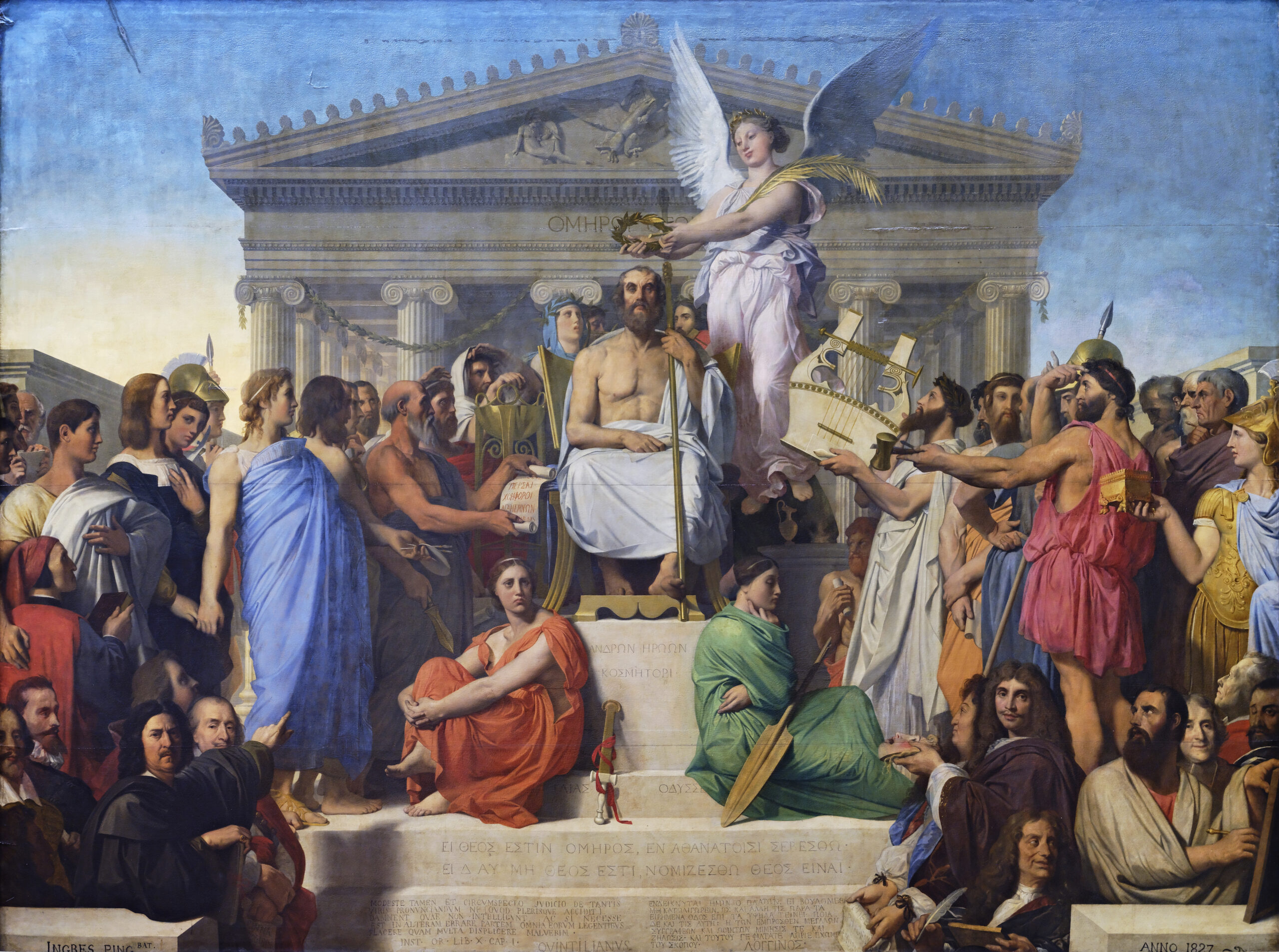
Christopher Nolan’s The Odyssey has brought Homer’s epic back to the big screen with a record-breaking $264.1 million global opening, and reviewers are already calling it Nolan’s grandest film yet. If you were no stranger to the allure of the box office hit, here are five pieces of art that offer a glimpse into how painters across Europe interpreted one of literature’s greatest adventures.
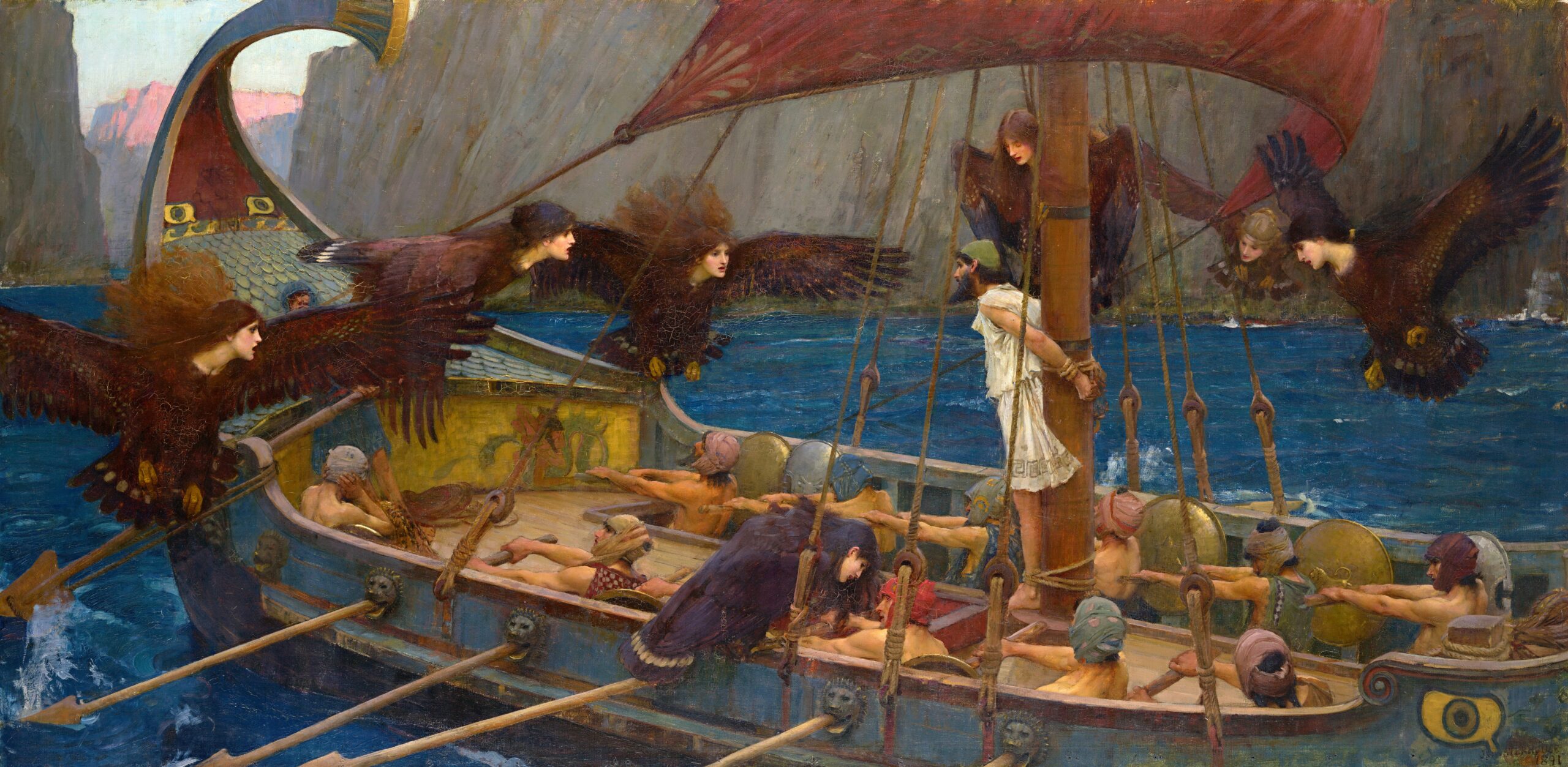
Ulysses and the Sirens by John William Waterhouse (1891)
Arguably the most famous artistic interpretation of The Odyssey, Waterhouse’s dramatic canvas captures the moment Odysseus orders his crew to bind him to the mast so he can hear the irresistible song of the Sirens without steering his ship to destruction. The painting beautifully expresses the tension of the scene, with the winged Sirens swarming the vessel in one of mythology’s most unforgettable moments.
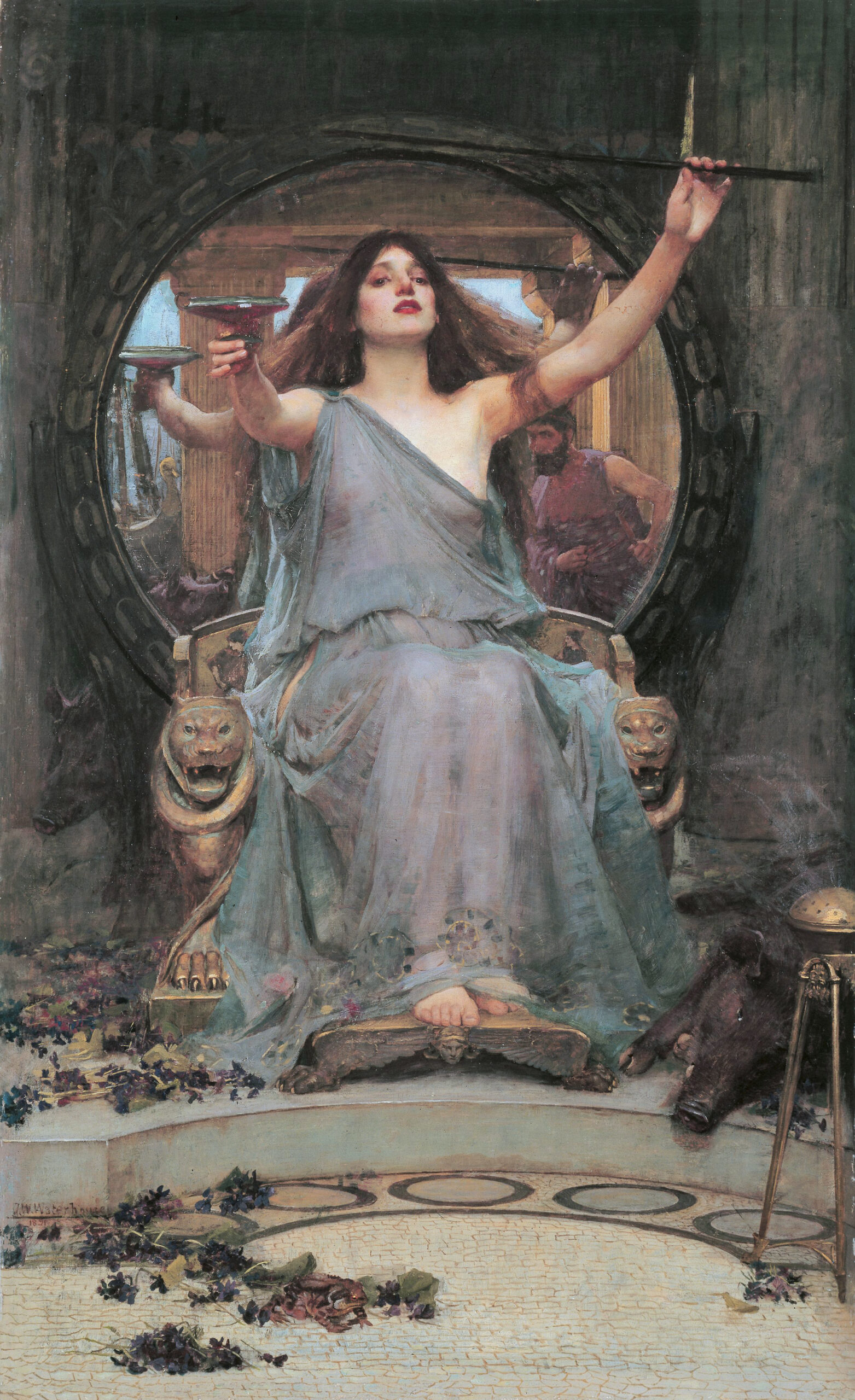
Circe Offering the Cup to Ulysses by John William Waterhouse (1891)
Waterhouse appears another time with his alluring portrayal of the sorceress Circe. Surrounded by symbols of magic like her wand and mirror, Circe fixes the viewer with an unwavering gaze while holding out the enchanted cup that famously transformed Odysseus’ men into swine.
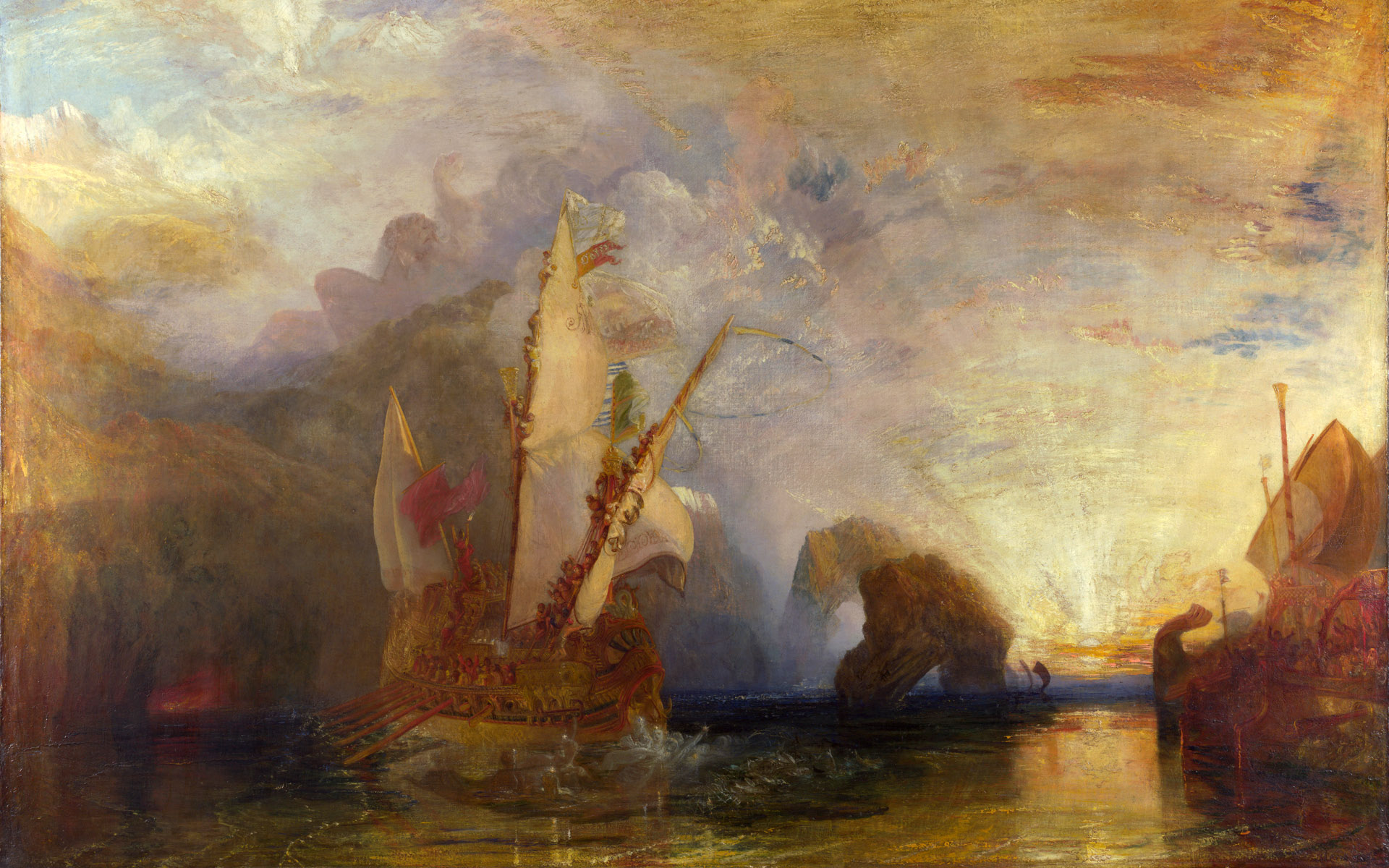
Ulysses Deriding Polyphemus by J.M.W. Turner (1829)
Turner takes Homer’s tale and turns into a dazzling spectacle of colour. Here, he depicts Odysseus sailing triumphantly away after blinding the Cyclops, moments before revealing his name and provoking Poseidon’s wrath. Note how the glowing sunrise hints at victory.
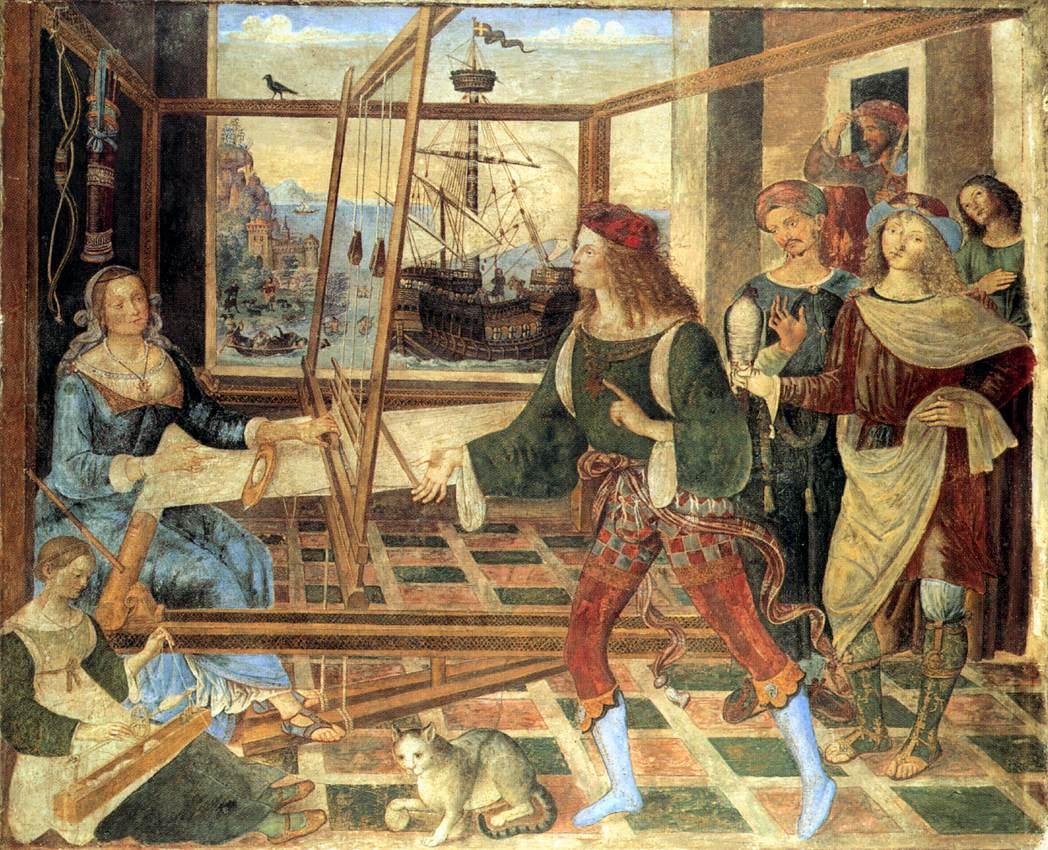
The Return of Ulysses by Pinturicchio (c. 1509)
Painted during the Italian Renaissance, Pinturicchio’s fresco captures Penelope at her loom, patiently fending off a crowd of suitors during Odysseus’ long absence. In the background, a traveller enters the room — long believed to be Odysseus himself, finally returning home. Rich in decorative detail, the work reflects the period’s fascination with classical literature.
The Apotheosis of Homer by Jean-Auguste-Dominique Ingres (1827)
While it doesn’t depict a specific episode from The Odyssey, Ingres’ monumental tribute to Homer provides a fitting conclusion. Surrounded by poets, philosophers and artists inspired by his work, the ancient author is presented as one of Western civilisation’s greatest creative figures.