


Social isolation and loneliness are widely considered an epidemic that poses threats to a person’s well-being. The bad news is that not everyone has the money or courage to get the resources they need to cope. Professional care. A shoulder to cry on. Medical expert toolkits. A reassuring hug. Not to mention, these aren’t always within someone’s reach 24/7. That’s the backdrop against which AI tools for emotional support have exploded.
Data proves this. Research revealed that one in three adults in the UK use AI for emotional support or social interaction. Another study showed that young people rely on AI chatbots for emotional support. With that said, here are five tools that can offer another outlet, from emotionally intelligent AI companions to structured wellbeing platforms.
Top Five Best AI Tools for Emotional Support
Ash
Ash describes itself as a round-the-clock emotional support tool that learns from every conversation. Using an open-ended, therapeutic-style dialogue, it’s highly capable of providing emotional well-being support over text or voice chat. Because it remembers conversations, the app can identify recurring emotional patterns. This lets Ash reveal links between what people think, feel, and do. At the same time, it can surface personalized insights and tailor a fitting program to help users cope.
Key Features:
- Tracking emotional patterns for deeper insight over time
- Designed by experts in emotional well-being
- Judgment-free space that offers actionable insights
Pricing:
- Free Trial
- Unlimited Access Package – $19.99 per month (may vary by region)
Real Use Case:
Newly hired employees venting about a recurring conflict with a senior coworker can get Ash to reflect on the conversation thoughtfully. The tools can even connect it to a similar pattern from an earlier conversation weeks later.
Nomi AI
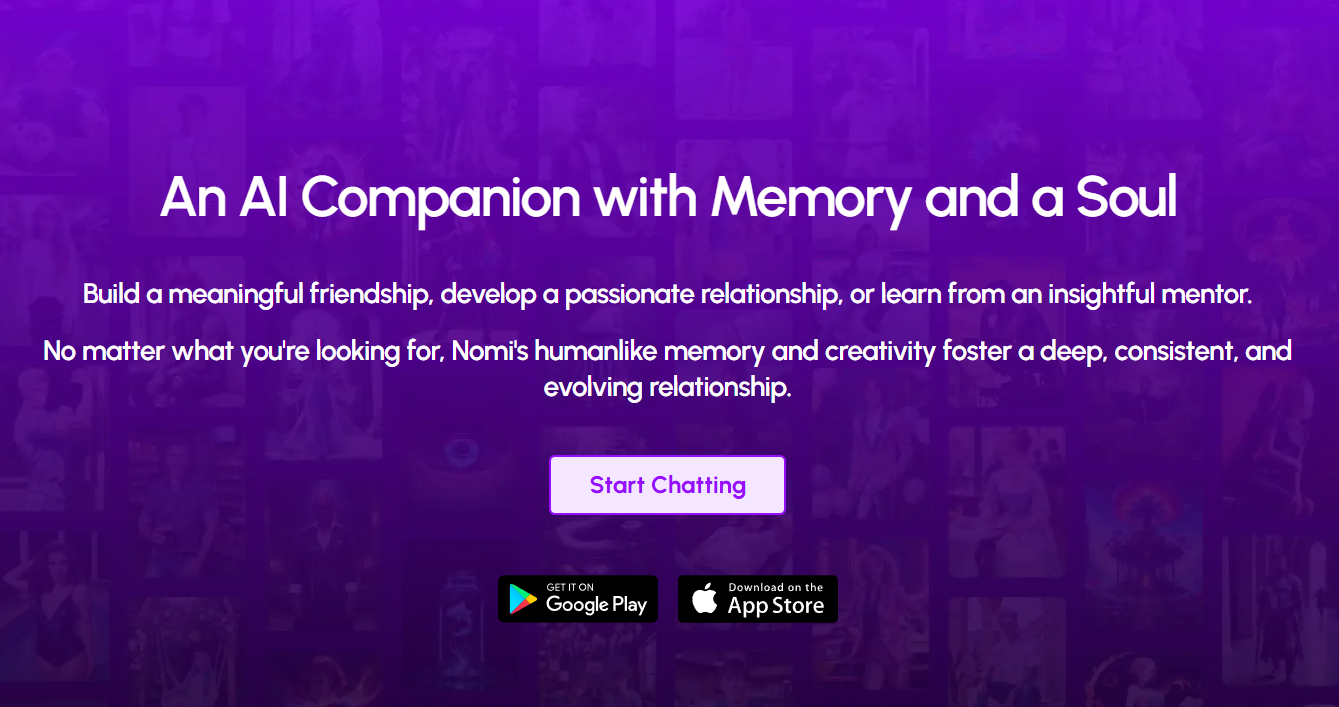
Nomi AI is a platform that offers AI companions. But not just generic ones. They are creative, emotionally aware, and remember conversations. Two methods get users there. One is to start chatting and let the AI develop its personality naturally. Another way is to customize one based on a preferred personality. It approaches emotional support by fostering connections without judgment. Nomi AI is essentially a venue where people can talk, reflect, and feel heard.
Key Features:
- Strong, long-term memory retention
- Group chats for different forms of emotional support in one conversation
- Anonymized and secure conversations
Pricing:
- Free Package
- Monthly Package – $15.99 per month
Real Use Case:
Corporate managers facing work challenges can seek support from Nomi AI. They can use it as a judgment-free place to talk through frustrations or practice expressing difficult feelings.
Kindroid

Kindroid takes personal companionship seriously. How? It allows users to create an AI companion with a chosen backstory, personality, appearance, and communication style. Users can interact in three ways. These include text, voice chat, and video calls. Another highlight is its focus on emotional connection and personal support. And it does so brilliantly by tapping into the user’s emotional state and preferences. This enables Kindroid to tailor emotional responses and remember emotional context.
Key Features:
- Highly customizable companionship and conversations
- Long-term memory and emotional context across sessions
- Personalizes tone and responses around how users are feeling
Pricing:
- Free Package
- Premium Package – $13.99 per month (Direct web purchases)
- Premium Package – $15.99 per month (Google Play or iOS App Store)
Real Use Case:
Introverts repel social situations. But with Kindroid, they don’t just receive emotional support. They can also practice conversations or talk through an upcoming event.
Pi AI
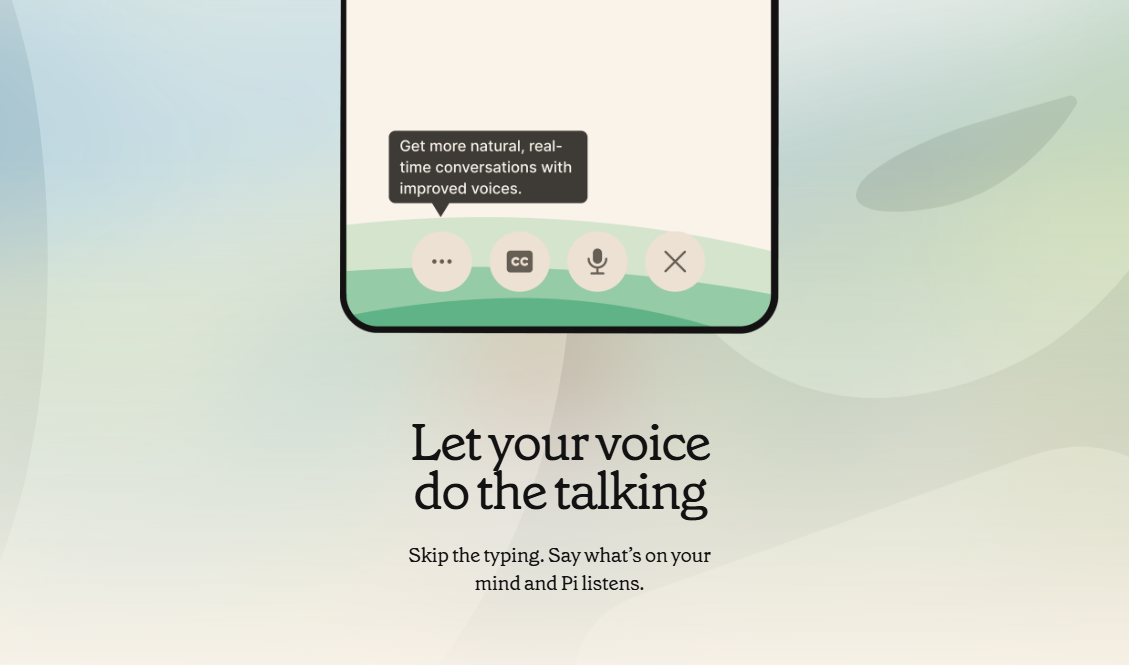
Pi AI delivers emotionally intelligent conversations. Built to be a supportive, friendly companion, this tool lets people vent or express their feelings and thoughts. It can handle talks about relationships, habits, self-care, and more. It asks follow-up questions, remembers context over time, and is explicitly built to make a person feel heard. What’s more? Pi AI puts emotional support and personal connection at the forefront, creating a digital assistant experience that feels more understanding. All in a realistic and empathetic way.
Key Features:
- Versatile conversations across virtually any topic
- Supports voice chat so users can express themselves without typing
- Dedicated checklist dashboard
Pricing:
- Free to use
Real Use Case:
Spouses preparing for an uncomfortable conversation can turn to Pi AI. They could use it to organize their thoughts and rehearse how they want to approach the discussion.
Wysa
Wysa offers structured, AI-driven emotional support. At its core is a chatbot that uses reflective dialogue. And it’s not just conversations. The tool can also walk users through evidence-based techniques, mindfulness exercises, journaling prompts, and other self-help tools. In other words, Wysa gives people an actual technique. Not just a sympathetic ear. All in all, Wysa makes sure that emotional support becomes accessible to everyone who needs it.
Key Features:
- Guided emotional support rather than conversation alone
- Optional human coaching
- Library of CBT, DBT, and mindfulness exercises
Pricing:
- Free Package
- Premium Package – $19.99 per month (may vary by region)
Real Use Case:
Couples who have trouble sleeping because they keep replaying an argument from earlier that day can find comfort using Wysa. They can be guided through a brief exercise to wind down a racing mind.
Choosing the Leading AI Tools for Emotional Support in 2026
Emotional support doesn’t look the same for everyone. And with these AI tools for emotional support, two different things are happening. Wysa and Ash are built around your well-being, with expert design behind them. Pi AI, Nomi AI, and Kindroid are companion-style products where emotional support happens through active listening
But even if these AI tools are extremely helpful, they’re not therapists. So they shouldn’t replace professional care. When emotional difficulties become serious, persistent, or urgent, real-world support should come first. That said, use them as an additional outlet. Something that can provide an always-available space to talk, reflect, journal, or feel heard.
Looking to support both your mental and physical well-being? Explore our articles on the top AI tools for mental health support and the best AI tools for fitness and workouts.

