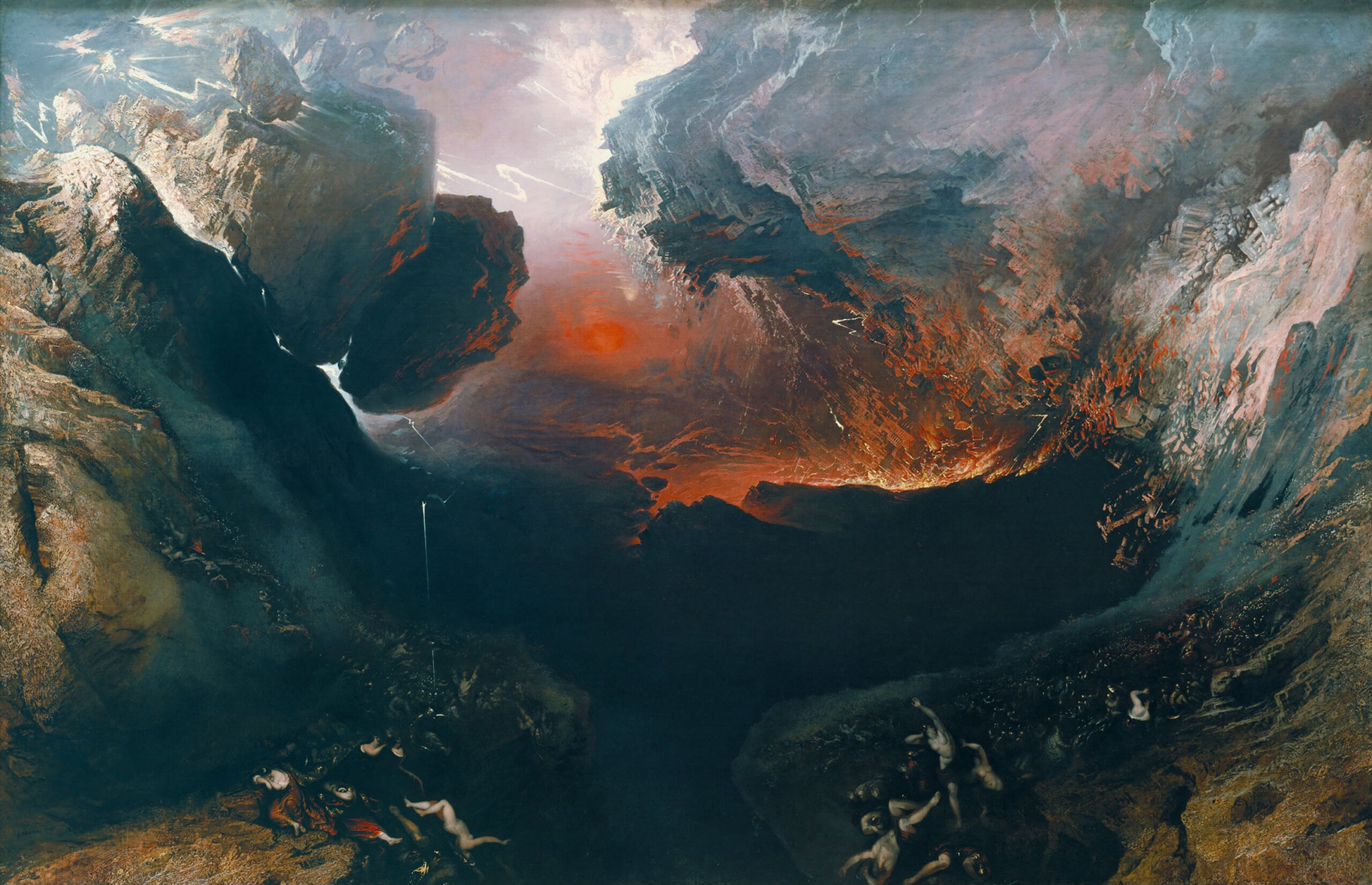
As we welcome the darker, moodier months, there is no better time to revisit the more unsettling dimensions of Romanticism. Depicting supernatural nightmares and apocalyptic landscapes, here are five paintings that scare and startle as we step into autumn.
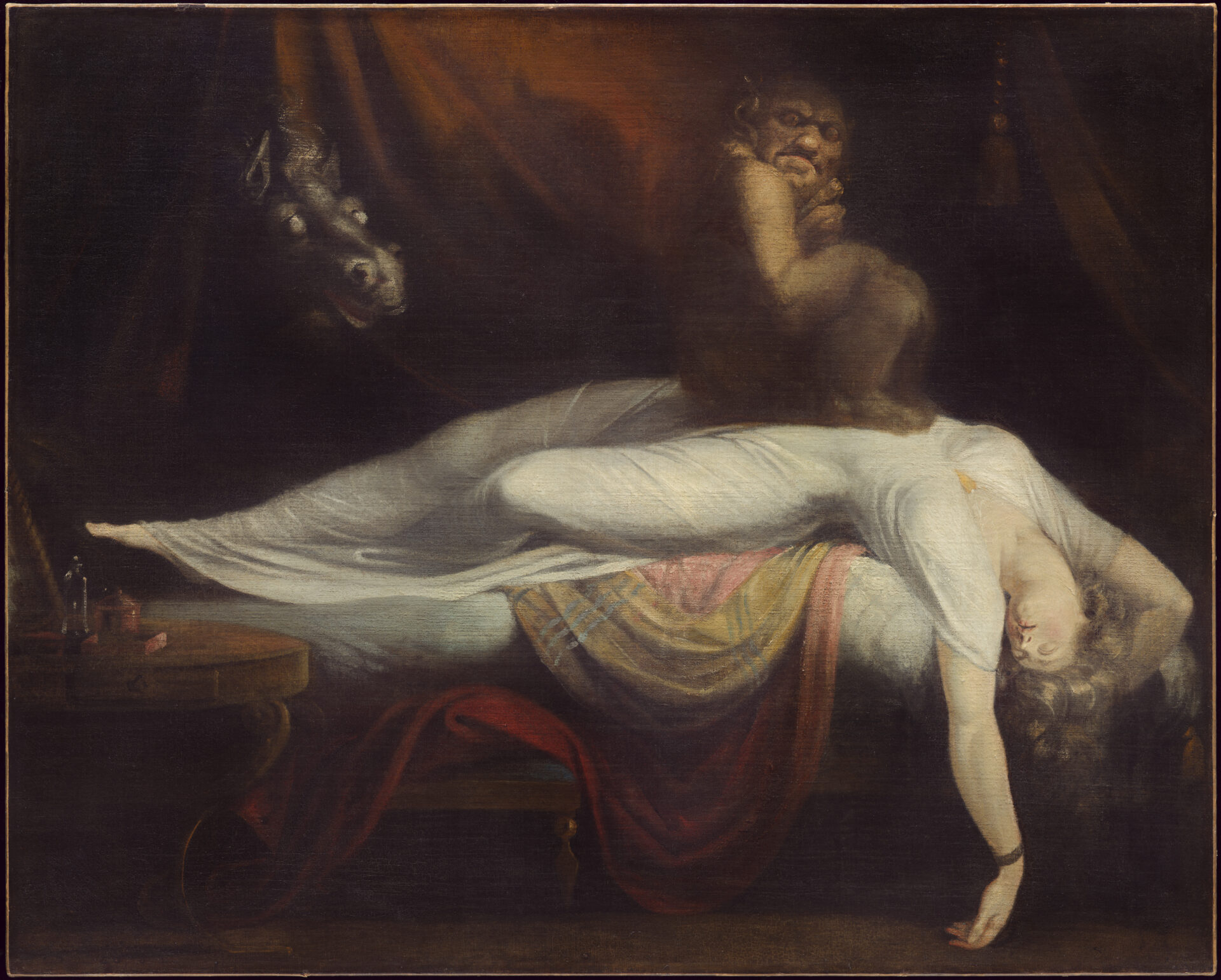
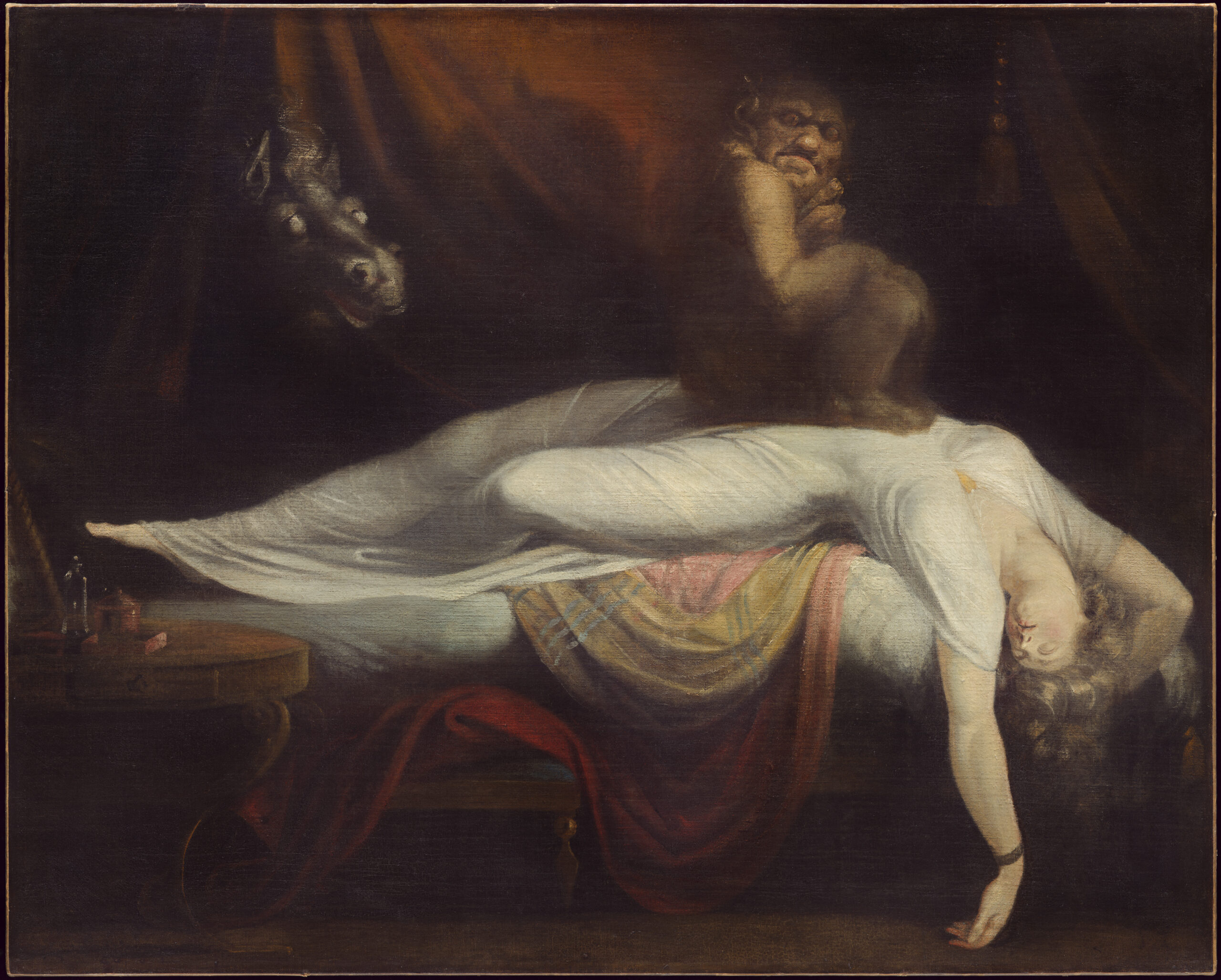
Henry Fuseli, The Nightmare (1781)
Few paintings capture the territory between dreams and reality quite like Fuseli’s 1781 oil painting The Nightmare. It shows a sleeping woman lying sprawled across a bed while a demonic incubus sits on her chest and a ghostly horse emerges from the darkness behind her. The painting caused a sensation when it was first exhibited at London’s Royal Academy in 1782.
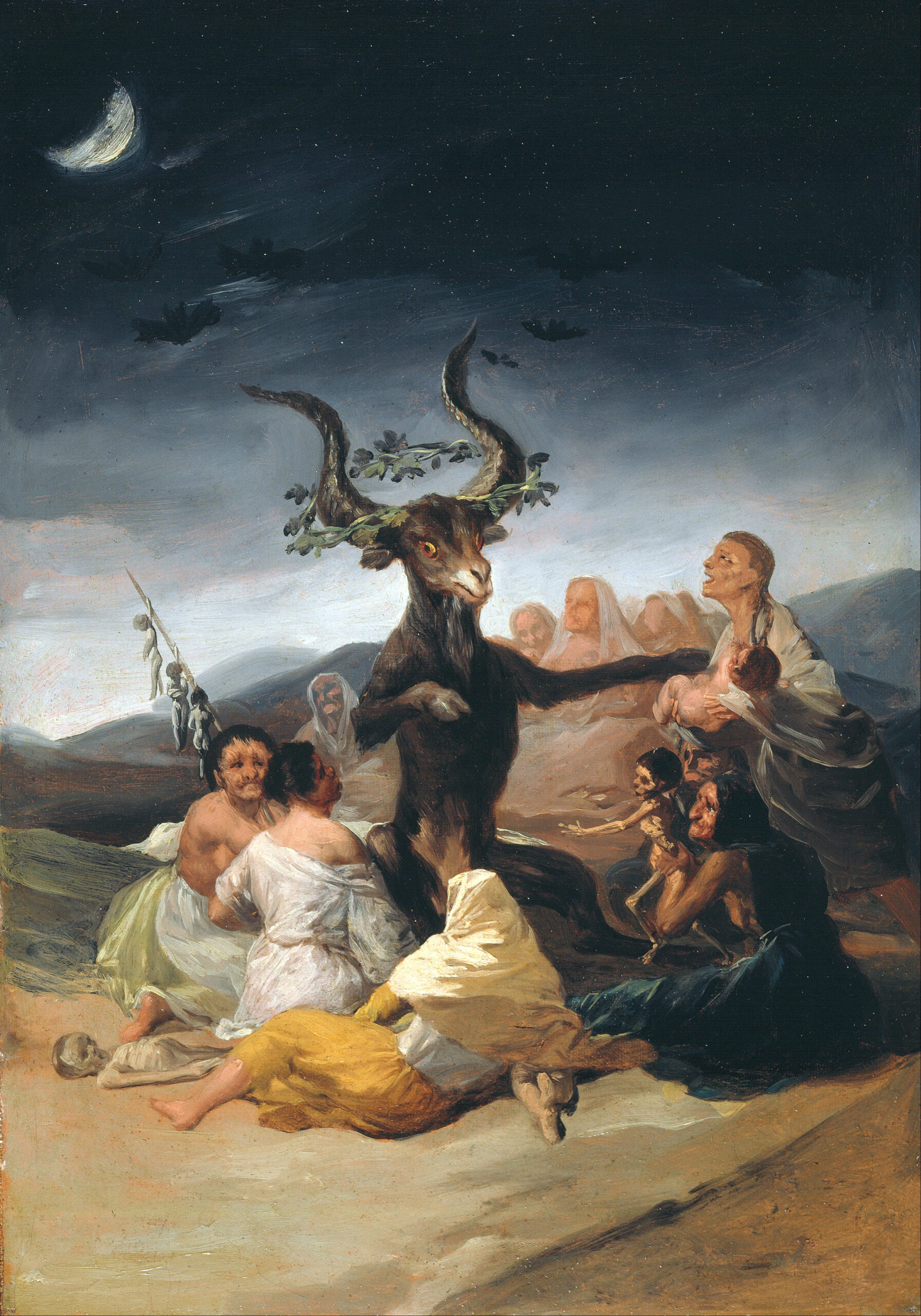
Francisco Goya, Witches’ Sabbath (1797–98)
Francisco Goya brings us into a sinister gathering of witches surrounding a large black goat, a figure traditionally associated with the devil. Currently held in the Museo Lázaro de Galdiano in Madrid, Witches’ Sabbath was painted during a period in which the artist was increasingly exploring superstition and irrationality.
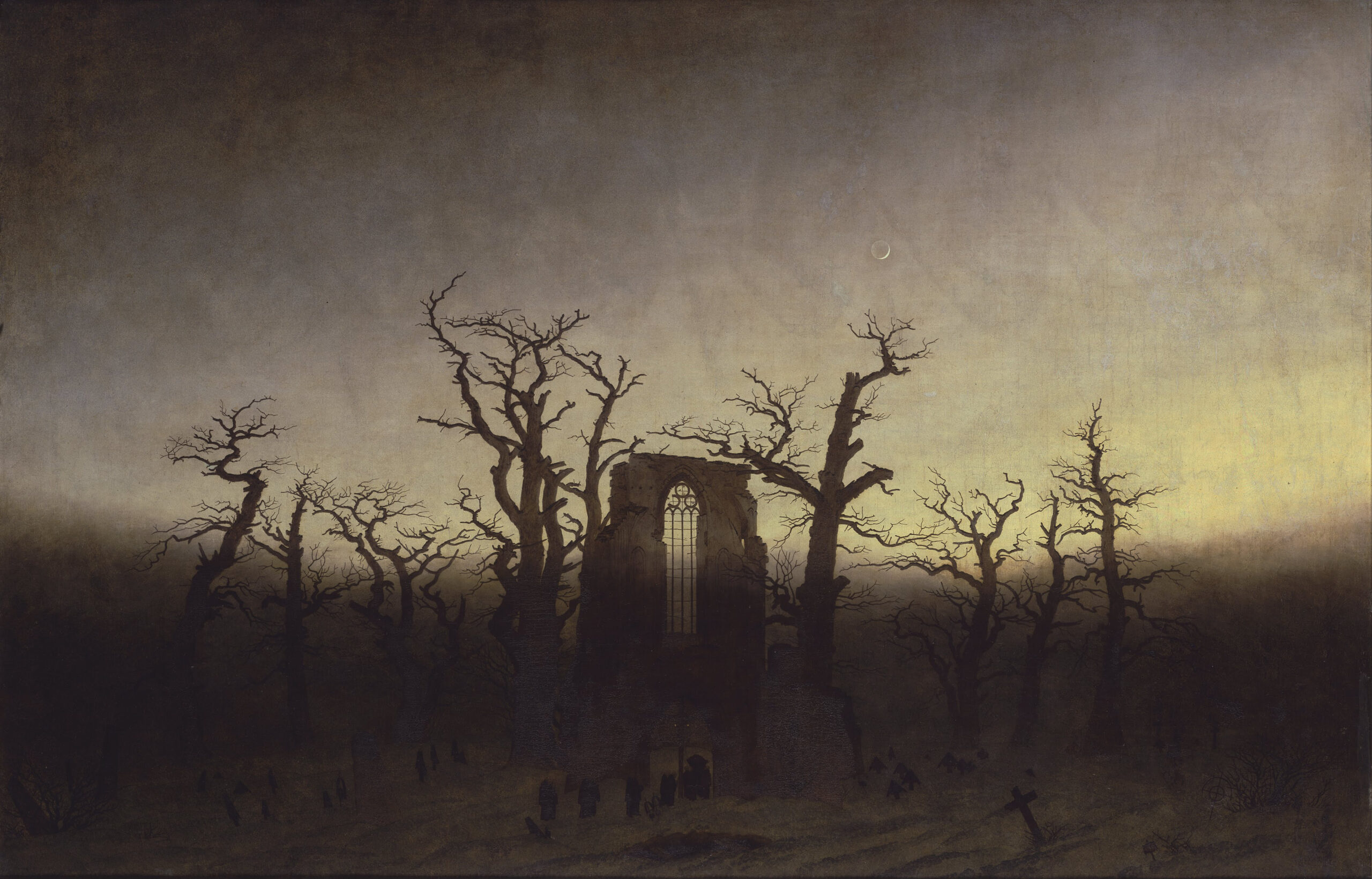
Caspar David Friedrich, The Abbey in the Oakwood (1809–10)
A winter funeral procession makes its way through a cold landscape towards the ruins of a Gothic abbey, framed by twisted oak trees. Friedrich’s haunting scene brings together two recurring Romantic preoccupations, namely, the overwhelming presence of nature and a sharp awareness of human mortality.
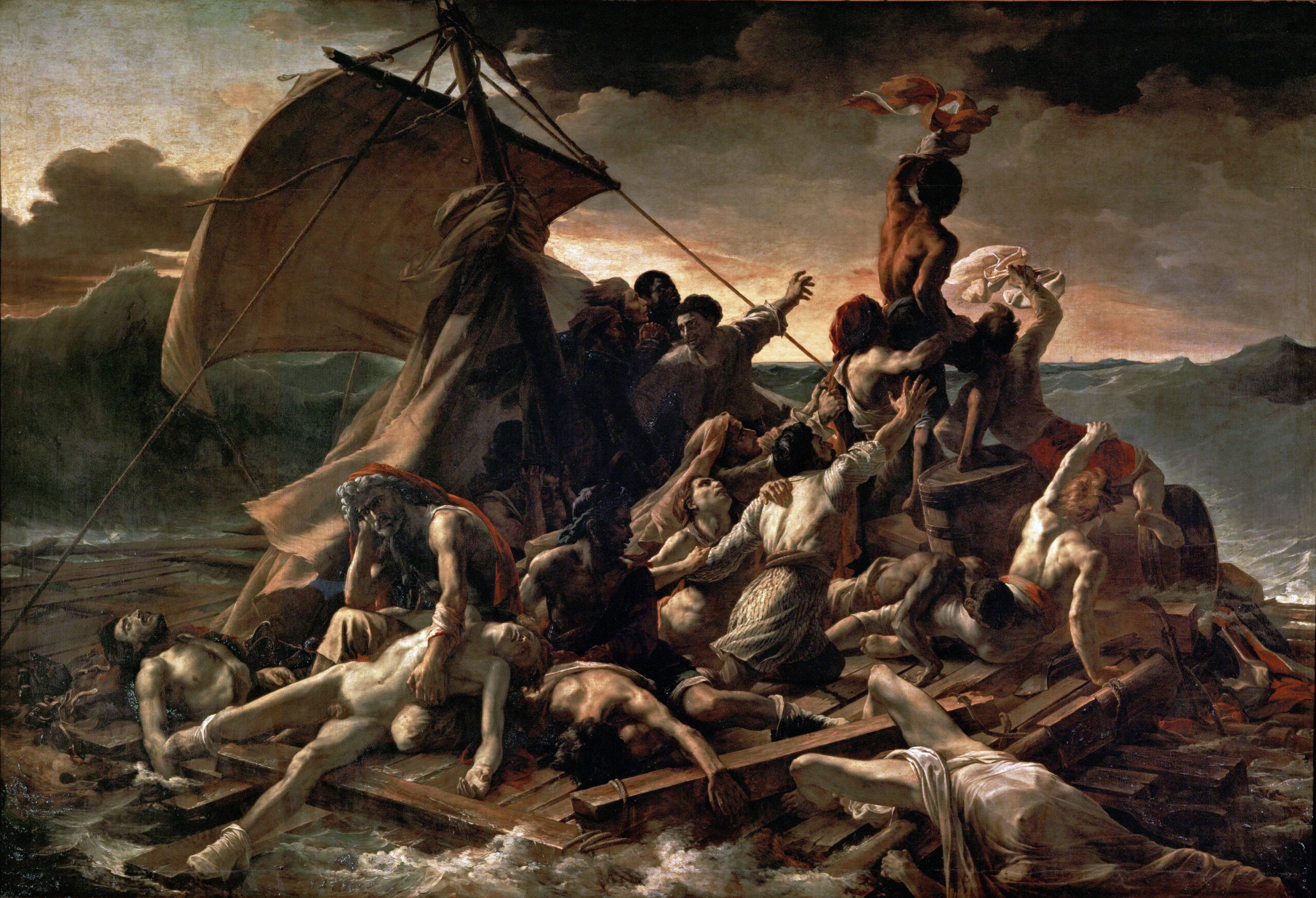
Théodore Géricault, The Raft of the Medusa (1818–19)
There are no supernatural monsters in Géricault’s monumental painting originally titled the Shipwreck Scene. Instead, its horror comes from a real event: the 1816 wreck of the French naval frigate Méduse, after which survivors were left drifting on a makeshift raft. Géricault transforms the scandal into a haunting scene of desperation.
John Martin, The Great Day of His Wrath (1851–53)
John Martin takes Romantic spectacle to apocalyptic extremes in The Great Day of His Wrath (also called The End of the World). Inspired by the biblical Last Judgment, the painting visualises mountains and cities collapsing as tiny human figures flee below. Humanity appears powerless against such forceful, inevitable destruction.